Half-Life 2 Episodes Guide: Episode One and Two, Explained
Episode One and Episode Two are not bonus content. They are the last two acts of Half-Life 2, they are free inside the base game now, and Episode Two contains the best combat encounter Valve ever built. Here is what each one changes and how to actually beat them.
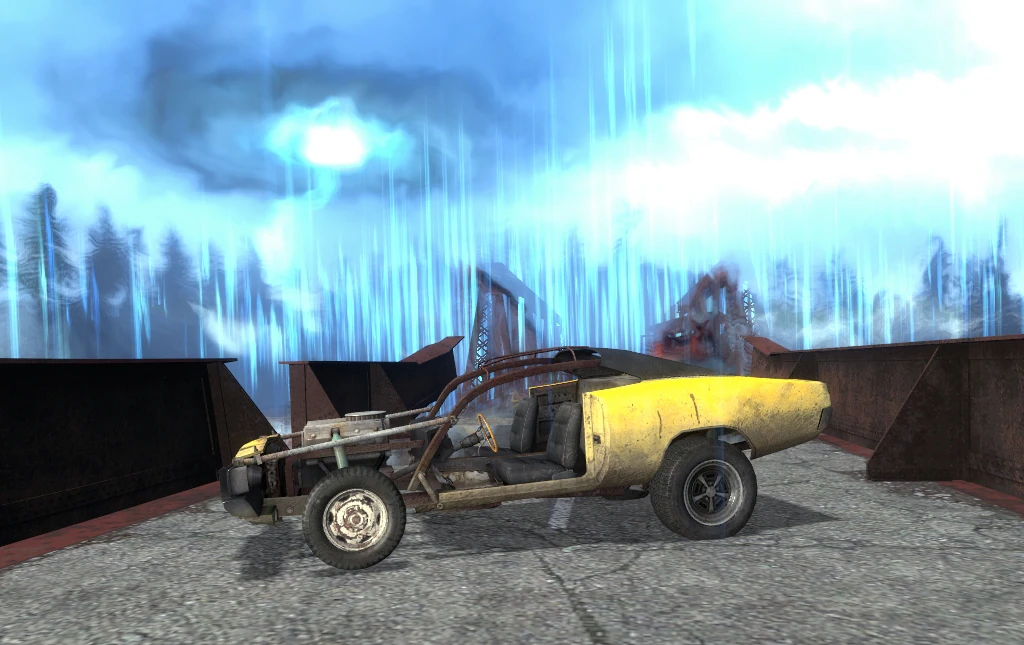
Most people who "finished Half-Life 2" stopped two thirds of the way through the story. Dark Energy ends with the Citadel core going up and the G-Man freezing time mid-explosion, and a lot of players treat that as the credits. It is not. It is a cliffhanger with two more games attached, and until November 2024 those two games cost extra, which is exactly why so many players skipped them.
That excuse is gone. Both episodes are now folded into the base Half-Life 2 purchase, and Episode Two contains the single best combat encounter Valve has ever designed. If you liked the campaign in the Half-Life 2 beginner guide sense — physics puzzles, squad fights, striders on a skyline — the episodes are where all of it peaks.
The episodes are not DLC, they are the third act
Valve developed both in-house. Episode One shipped June 1, 2006 under the working title Aftermath; Episode Two followed on October 10, 2007 as part of The Orange Box. Both were written by Marc Laidlaw with Chet Faliszek and Erik Wolpaw, rather than by Laidlaw alone as with Half-Life 2.
Structurally they are one continuous story. Episode One picks up in City 17 seconds after Half-Life 2 ends; Episode Two picks up seconds after Episode One ends. Play order is not negotiable:
- Half-Life 2
- Half-Life 2: Lost Coast (optional tech demo, roughly fifteen minutes)
- Half-Life 2: Episode One
- Half-Life 2: Episode Two
Length expectations matter here. Valve's company line on Episode One was four to six hours, and reviewers hammered it for that at its original price. Episode Two is roughly two thirds the length of Half-Life 2, which puts it comfortably past the six-hour mark and makes it the better of the two by a wide margin.
What the 20th Anniversary Update changed
Valve shipped the Half-Life 2 20th Anniversary Update on November 15, 2024, and the headline for episode players is simple: Episode One and Episode Two were merged into the base game. There is nothing to buy. If Half-Life 2 is in your library, both episodes are too.
The same update brought a remastered UI, Steam Workshop support, developer commentary, new graphics options, and a stack of bug fixes. Both episodes already shipped with their own commentary nodes, and the Episode Two nodes on the Hunter and the antlions explain AI behavior you will otherwise never notice.
Episode One: five chapters, one long escape
Episode One is five chapters and one objective: stabilize the Citadel core so it does not level City 17 immediately, then run.
- Undue Alarm — Vortigaunts pull you and Alyx out of the rubble; you re-enter the Citadel, where a recorded Breen conversation gives you your first real look at a Combine Advisor.
- Direct Intervention — the core containment sequence, then the glass elevator down and out to the Razor Train.
- Lowlife — the City 17 underground, zombies, the flashlight horror stretch.
- Urban Flight — the hospital, the gunship in the attic, Alyx on a sniper rifle.
- Exit 17 — the evacuation, striders in the streets, the train out.
The theme is Alyx. Project lead Robin Walker noted the irony that Half-Life 2 spent its runtime talking about other people while you played alone; Episode One fixes that by keeping Alyx with you for virtually the entire game.
The Citadel opening is a gravity gun exam
At the start of Episode One your gravity gun is back to normal — the supercharge from Our Benefactors is gone. It becomes supercharged again once you re-enter the Citadel and pass through another Confiscation Field, and it stays that way until you reactivate the core's containment field, at which point it reverts permanently.
So there is a window, and it is short. Inside it, punting an Overwatch soldier kills him instantly and his body carries a charge that kills whoever it hits next. Spend it aggressively. Everything in the Half-Life 2 gravity gun guide about mass and momentum still applies afterward, but the supercharged rules do not survive Direct Intervention.
The elevator-shaft descent right after is a straight skill check: falling debris will crush the elevator unless you deflect it. Alyx calls out each dangerous piece, so listen rather than watch.
Alyx changes how you fight
Two details most players never register. First, Combine soldiers learned to crouch — Episode One soldiers duck under your line of fire, which they never did in Half-Life 2, and the street battle before the rebel safehouse is where it bites. Aim lower than instinct says. Second, Alyx can be handed a rollermine: grab one with the gravity gun and she reprograms it to attack Combine targets instead of you.
She also takes a sniper rifle in Urban Flight, and the intended play is to be bait — pull enemies into her firing line rather than out-shooting them yourself.
The Zombine, and the grenade you should steal
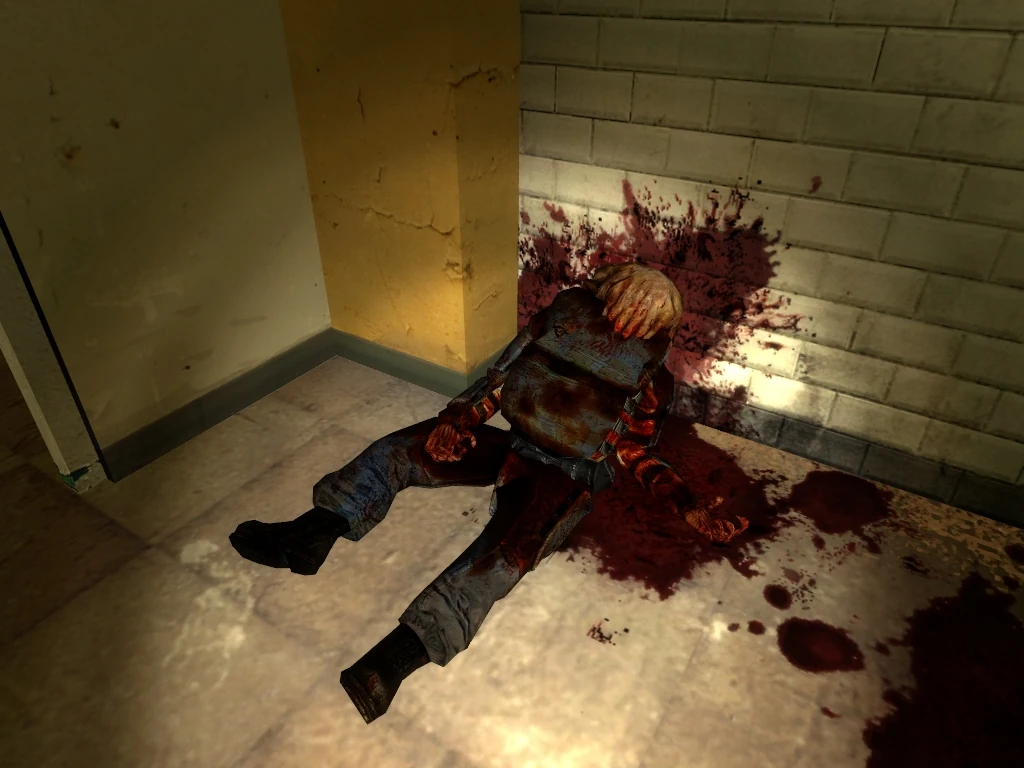
Episode One adds exactly one new enemy, and it is a good one. A Zombine is what you get when a standard headcrab attaches to an Overwatch soldier. It keeps the armor, the vocoder, and, critically, the grenade pouch.
- It shambles slower than a standard zombie but breaks into sudden sprints that close distance fast.
- The armor makes it tougher than a normal zombie or a living Overwatch soldier. It can survive a single grenade blast.
- Once damaged enough, it pulls a live grenade, holds it aloft, and keeps attacking. It will happily kill itself and everything nearby.
The correct answer is theft. Rip the grenade out of its hand with the gravity gun and the Zombine reverts to ordinary zombie behavior while you keep the explosive. Set against the reads in the Half-Life 2 enemies guide, Zombines are the first enemy in the series that punishes you for finishing them at close range.
Episode Two: the Outlands open up
Seven chapters, and the whole design brief is space:
- To the White Forest
- This Vortal Coil
- Freeman Pontifex
- Riding Shotgun
- Under the Radar
- Our Mutual Fiend
- T-Minus One
City 17 is behind you; this is forest, mineshaft, junkyard, and missile base. The Muscle Car chapters play like Highway 17 with better sightlines, and encounters are built as arenas with multiple exits rather than corridors with cover.
One quality-of-life change lands here and it is bigger than it sounds: Episode Two separated the flashlight from the HEV suit's auxiliary power. Episode One still makes you ration light against sprint; Episode Two does not.
Antlion caves, grubs, and acid workers
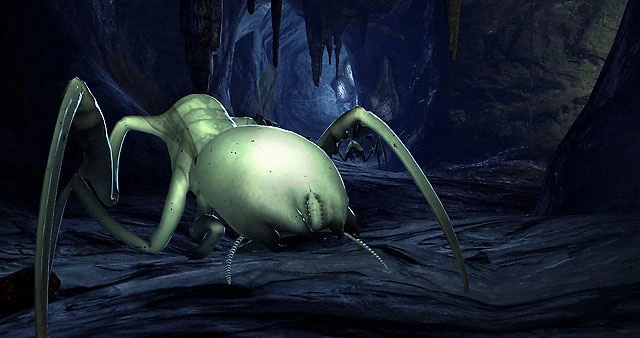
The first three chapters are an antlion biology lesson disguised as a dungeon. Antlion Grubs are stationary, harmless, and squish for health, and they are tied to a 333-grub achievement — so if you are the completionist type, start squishing in chapter one, not chapter three.
Antlion Workers are the actual threat. They spit concentrated globules of neurotoxic acid from range, then back off to reposition, which is genuine self-preservation behavior the series had not shown before. The acid does what a poison headcrab hit does: it dumps your health low and lets it regenerate slowly. Being at single-digit health when a guard charges is how these caves kill you.
Two rules. Do not chip at workers with the pistol; they retreat and re-angle faster than you can land shots, so close hard or use splash. And they burst into acid when killed, so do not be standing next to one when it pops. The Half-Life 2 weapons guide priorities hold up here — this is a shotgun and SMG-grenade stretch, not a crossbow stretch.
The Hunter is the fight you have to relearn
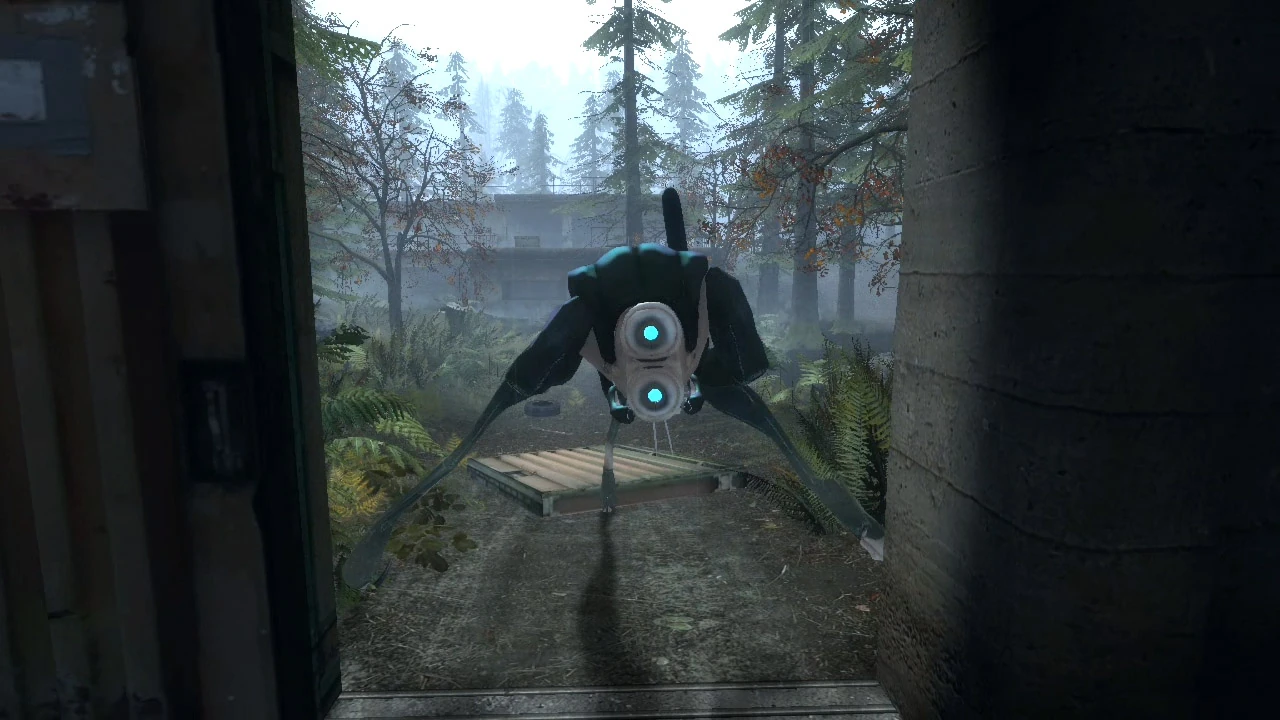
The Hunter is a tripedal synth and the best enemy Valve built for this engine. It first appears on a monitor in Judith Mossman's Episode One message, but you do not fight one until Episode Two.
What it does to you:
- Flechettes. Darts that stick to any surface and detonate a few seconds later in a burst of dark energy. It fires them indefinitely, leads moving targets, and shoots them behind your cover so the delayed blast flushes you out.
- Melee. One leg swipe, a body charge, or the concealed prongs under its chassis kills most things outright, and it closes distance faster than you can back up.
What kills it:
- Heavy thrown objects. Hunters are far more vulnerable to physics damage than to any firearm except the Colt Python. A car engine or tire staggers them, and a staggered Hunter usually does not get to retaliate. Valve originally intended them to be vulnerable only to gravity gun impacts, and the tuning still shows.
- Pulse rifle secondary fire. A single energy ball disintegrates a Hunter on contact.
- The Muscle Car. Ram one at speed and it dies instantly, though it will sometimes leap clear.
The signature trick: hold an object in the gravity gun as a shield, let flechettes stick to it, then fire it back — blunt force plus the Hunter's own explosives.
Magnusson Devices and the White Forest siege
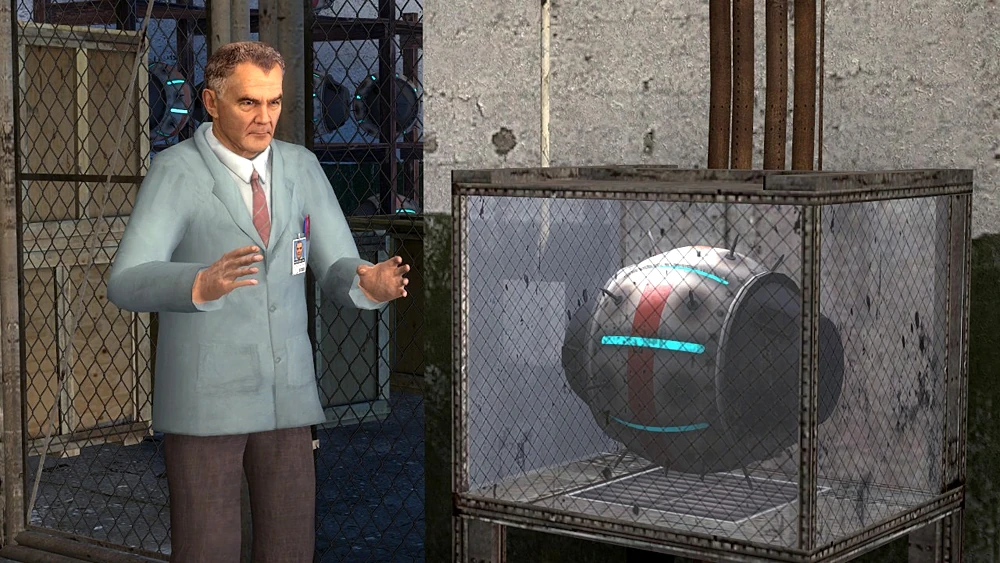
Arne Magnusson's Strider Buster is the only new "weapon" in either episode, and it exists because striders shrugged off everything the Resistance had, RPGs included. It is a rugby-ball shaped charge ringed with sharpened nails that punch into a strider's carapace. Magnusson could never solve the launching problem — until Gordon walked in holding a gravity gun.
How to use one during Our Mutual Fiend:
- Devices come from small portable teleporters around White Forest. Take one and another arrives, so you will not run dry.
- Get behind and close to the strider before you launch; attaching it takes real aim.
- Kill the Hunter escorts first. Every strider travels with a pair of Hunters, and they shoot a Magnusson Device out of the air the instant you launch it.
- Once attached, shoot the device with anything — shotgun or MP7 at range, pistol up close. It detonates and shreds the strider.
- Do not waste devices on Hunters. One does 150 damage, roughly five sevenths of a Hunter's health: a miss, not a kill.
- The Muscle Car has a rear pocket for exactly one device. Use it as a delivery truck, and run Hunters over on the way.
Ammunition at White Forest is deliberately limited. The intended loop is car, gravity gun, and environment, not your magazine count.
No new weapons, and why Valve did that on purpose
Episode One's most common criticism was that it added no new equippable weapons. Episode Two added none either, and Valve said outright they were not interested in new guns — they wanted to keep exploring every dimension of the gravity gun, and the Magnusson Device is the outcome. Whether you buy that depends on how you feel about the Hunter, which is essentially a boss designed to make the gravity gun mandatory again four years after Ravenholm did it with sawblades. It works. It is also fair to note that a 2007 shooter's answer to "what is new" was "the thing from 2004, harder."
Achievements actually worth chasing
Episode One has 13 Steam achievements; Episode Two has 23. Most are story-related. These are the ones that change how you play:
- The One Free Bullet (Episode One) — finish the whole episode having fired exactly one bullet, which limits you to the gravity gun, crowbar, rocket launcher, and grenades. Best-designed challenge run in the series.
- Zombie-que (Episode One) — light 15 zombies with flares, found in Lowlife and the Urban Flight hospital.
- Payback (Episode Two) — kill a Hunter with its own flechettes. Catch them on a held object, fire it back.
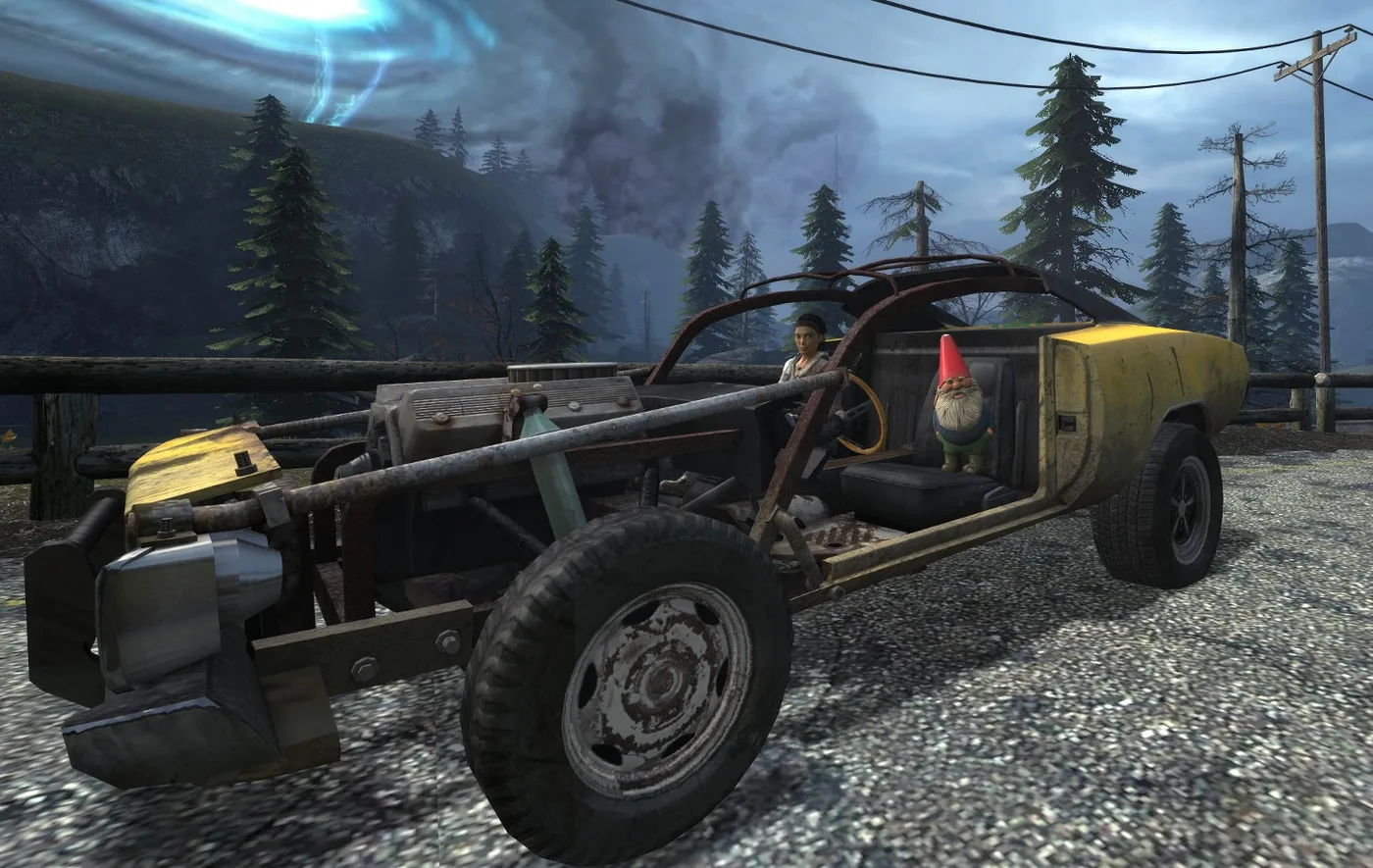
- Little Rocket Man (Episode Two) — find the garden gnome under a low platform in the communications building during To the White Forest, escort it across most of the game, and seal it in the rocket capsule. Worth 30 points and about two hours of your dignity.
- Get Some Grub (Episode Two) — squish all 333 antlion grubs across the first three chapters. Start early or do not start at all.
- Neighborhood Watch (Episode Two) — destroy every strider in the final battle before any of them levels a building. Save after each kill.
Trivia worth having: the Gnome Alone achievement was added in November 2020, tied to Rocket Lab launching a Gnome Chompski into space for real. It unlocks by starting the game.
The ending, and the sequel that never shipped
Spoilers from here, obviously.
Episode Two ends at White Forest with the rocket launched, the Borealis coordinates in hand, and Combine Advisors ambushing the hangar. Eli Vance dies. Cut to black. That is the last piece of official Half-Life 2 story Valve has shipped, and it has been sitting there since 2007.
Episode Three was announced as part of the trilogy in 2006 and never released. Marc Laidlaw later posted a plot outline on his personal site — commonly called Epistle Three — sketching one version of what it could have been. The wiki flags it correctly as non-canon: a snapshot from before Laidlaw left Valve, not a shipped story. Half-Life: Alyx, released in 2020, is a prequel and moves the story its own direction.
So no, Episode Two is not a satisfying conclusion, and it will leave you annoyed. Play it anyway. The White Forest siege is worth the unresolved ending, and the alternative is pretending Half-Life 2 stops with a G-Man monologue in a frozen room.
Quick Action Checklist
- Play in order: Half-Life 2, Lost Coast if you want, Episode One, Episode Two.
- Do not buy the episodes. Since the 20th Anniversary Update they are inside the base game.
- Spend Episode One's supercharged gravity gun window aggressively — it ends when you restore core containment.
- Aim lower against Episode One Combine soldiers; they crouch under fire now.
- Hand Alyx a rollermine with the gravity gun and let her reprogram it.
- Steal Zombine grenades out of their hands instead of trading shotgun shells.
- In the antlion caves, kill workers before guards and never stand next to one when it dies.
- Fight Hunters with heavy props and pulse rifle energy balls, not rifle ammo.
- Clear Hunter escorts before you launch a Magnusson Device at a strider.
Frequently Asked Questions
Do I need to buy Half-Life 2: Episode One and Episode Two separately?
What order should I play the Half-Life 2 episodes in?
How long are Episode One and Episode Two?
What is the best way to kill a Hunter in Episode Two?
How do Magnusson Devices work against Striders?
What is a Zombine and how do I deal with it?
What new enemies do the episodes add?
How does Episode Two end and was there ever an Episode Three?
Keep Reading
Related Guides
Half-Life 2 Episode Achievements: All 36, and the Hard Ones
Half-Life 2's Steam page now lists 69 achievements, not 33. The 20th Anniversary Update brought in the Episodes' 36. Here is every one of them, which game each actually counts in, which ones a reload can rescue, and the runs that need planning.
Half-Life 2 G-Man Sightings: Where to Spot Him, Map by Map
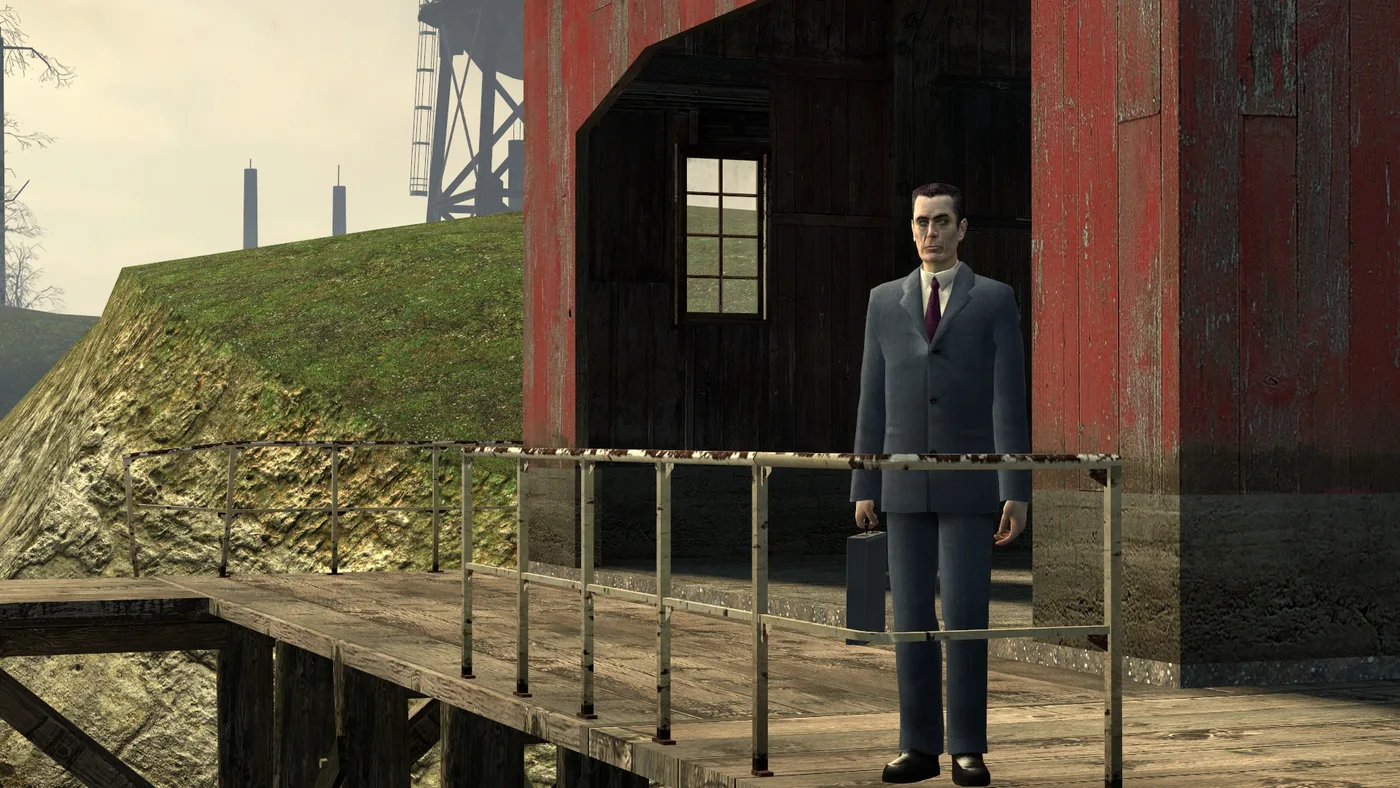
Between the opening monologue and the ending, the G-Man turns up twelve more times in Half-Life 2, mostly at a distance or on a screen. Here is where each one is, by chapter and map, plus the three in Episode Two and the ones Valve cut.
Half-Life 2 on Console, Mac and Steam Deck: Every Version
Half-Life 2 has shipped on seven platforms and one arcade cabinet, and only one of those versions still gets patches from Valve. Here is every official port, what each one is missing, and the right way to play it on whatever you own.
Half-Life 2 Citadel Guide: Our Benefactors and Dark Energy
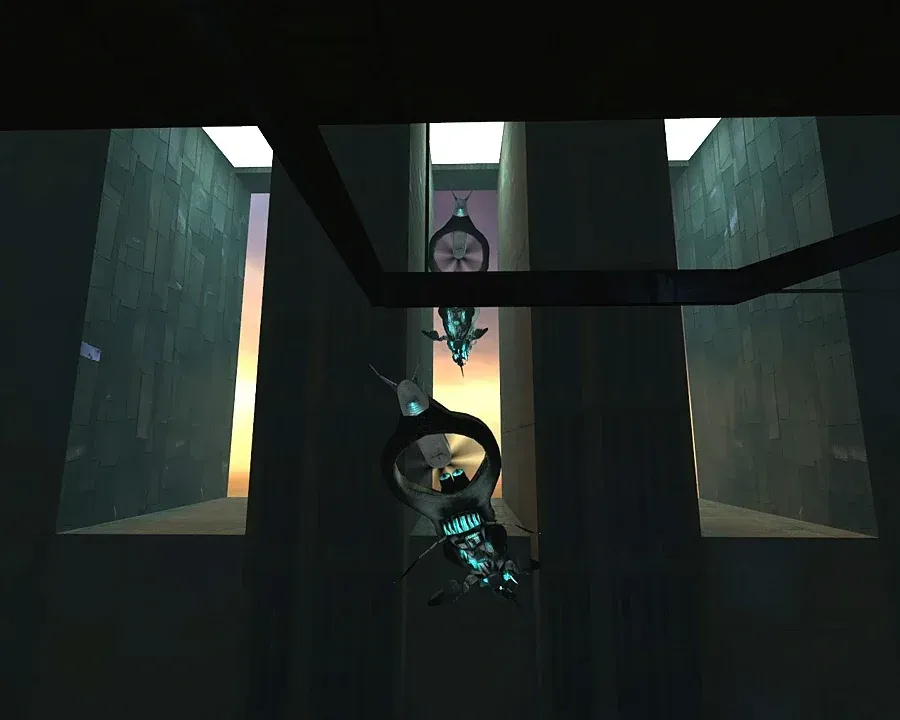
Our Benefactors and Dark Energy get summarized as "you get the blue gravity gun and blow up a reactor," which skips the part where Breen steals that gun and runs off with it, the part where Gordon is a prisoner too, and the part where the game itself refuses to confirm whether Breen dies. Here is the full run, and the confirmed-versus-unresolved line at the end.
Half-Life 2 Beginner's Guide: Start Strong in City 17
Half-Life 2 never stops to explain itself, which is why new players stall in Ravenholm with no shotgun ammo and no idea the gravity gun was the answer. Here is the chapter map, the systems the game hides, and the mistakes that waste your first playthrough.
Half-Life 2 Soundtrack: Every Track and Where It Plays
Half-Life 2 has less music in it than you think, and a surprising amount of what is there is recycled Half-Life 1. Here is the whole 43-track album mapped to the exact moment each cue fires, the seven album tracks that play nowhere in the game, and where to get it legally.