Half-Life 2 Story and Lore Explained: The G-Man, the Combine, and the Seven Hour War
Half-Life 2 never sits you down and explains anything. It hands you a crowbar and lets you work it out from posters, loudspeakers, and one man on a screen. Here is the whole story, assembled — the Seven Hour War, the suppression field, the Combine hierarchy, and what is actually confirmed about the G-Man versus what is fan theory.
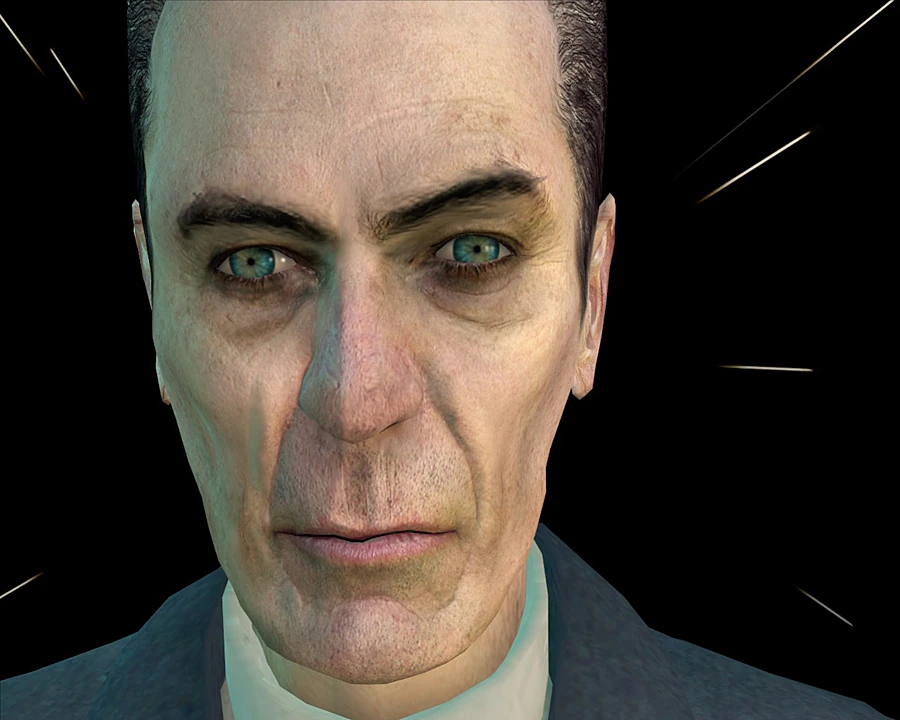
Half-Life 2 opens with a man in a gray suit telling you to wake up and smell the ashes, drops you on a train platform, and then explains absolutely nothing for the next ten hours. No codex. No journal. No lore tab. Everything you learn about how Earth fell, you learn from propaganda posters, a loudspeaker, and the occasional scientist who assumes you already know.
That is why the story reads as either brilliant or incoherent depending on how much you were paying attention, and why "what actually happened in Half-Life 2" is still a top search two decades after the November 16, 2004 release. So here is the whole thing, assembled in order, with a clear line drawn between what the games confirm and what the community made up.
The 20-year gap is the entire trick
Half-Life 1 ends with Gordon killing the Nihilanth on Xen and getting a job offer he cannot decline. Half-Life 2 opens with the same man in the same suit waking him up on a train.
Between those two scenes: roughly two decades. Gordon experiences none of it. That gap is the single best structural decision Valve made, because it means the player and the protagonist are equally ignorant. Everyone in City 17 has spent twenty years learning to live under occupation, and you walk in with a crowbar and no idea what a Civil Protection officer is.
Alyx and Eli both react to Gordon the way you react to a photograph — he has not aged. Barney has. That is the tell, and Valve plants it in the first fifteen minutes.
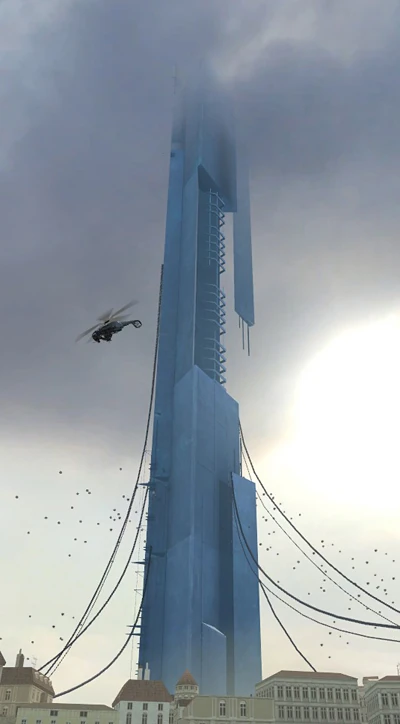
Act zero: how Black Mesa lost the planet
The chain runs cleanly from one bad Tuesday in New Mexico.
The portal storms did the scouting
The Resonance Cascade tore a hole between Earth and Xen. Killing the Nihilanth did not close it — it destabilized things further, and the result was portal storms: rifts opening across the planet, dumping Xen wildlife into cities and countryside alike. That is where the headcrabs on Earth came from, and it is why antlions are burrowed into a beach in Highway 17 instead of on an alien border world.
The Combine did not discover Earth through exploration. Earth advertised itself. A civilization that hops between dimensions noticed a fresh, screaming tear in spacetime and followed it home.
Seven hours, and one man with a phone line
The invasion started within days of the Black Mesa Incident, while the portal storms were still raging and every military on the planet was already stretched thin fighting Xen fauna. It lasted seven hours. Not seven days, not seven weeks — the name is literal, and it is the most efficient piece of worldbuilding in the game because it tells you the fight was never close.
Then Dr. Wallace Breen, the former Administrator of Black Mesa, established communications with the invaders and was handed carte blanche by the UN to negotiate peace at any cost. He offered unconditional surrender. The Combine accepted, and made him Interim Administrator of Earth.
Read that sequence again. The man whose facility caused the breach negotiated the terms of the occupation and got promoted for it.
Who the Combine actually are
The Combine is an interdimensional empire made up of allied and enslaved species, and the games are careful never to show you its actual leadership. Breen calls them "our benefactors" in his broadcasts and describes a "universal union" of worlds. Fans turned that phrase into a proper noun — Universal Union — but no game confirms it as the empire's official name. Treat it as a nickname, not canon.
Overwatch, synths, and Advisors are three different things
People blur these constantly. They are separate tiers:
- Civil Protection. Unmodified human collaborators. Metrocops with stun batons, recruited from the citizen population. The ones who ask you to put the can in the trash.
- Overwatch transhuman forces. Surgically modified humans — the soldiers in the white masks. Same species, processed. This is what Nova Prospekt is for, and why the facility is horrifying rather than just a prison.
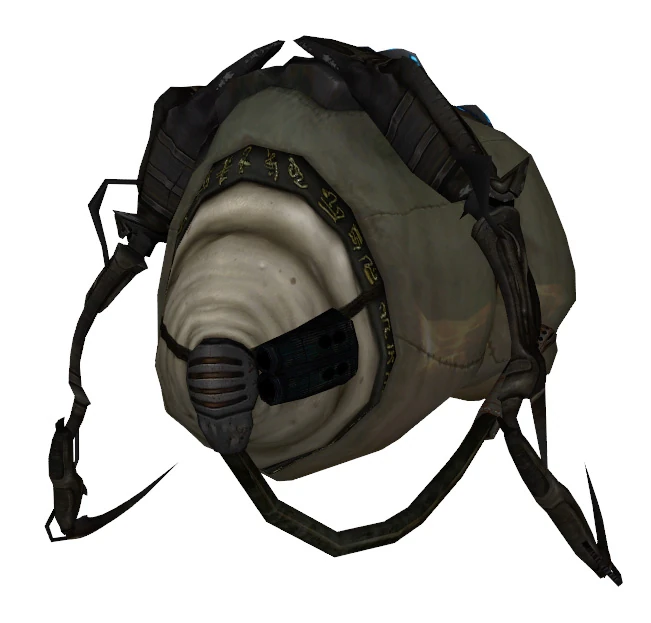
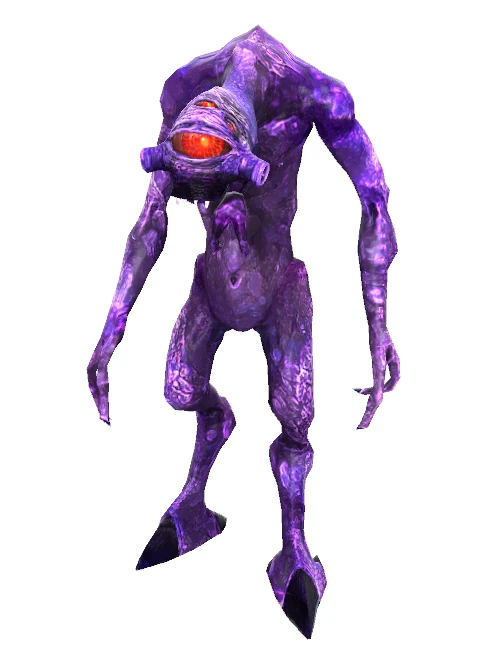
- Synths. Bioengineered creatures conscripted from conquered worlds and rebuilt as hardware. Striders, Gunships, Dropships, and the Hunter in Episode Two are all synths. They are not Combine natives; they are trophies with guns bolted on.
- Advisors. Enormous artificially evolved slugs that appear to sit near the top of the hierarchy. They barely move and they do not need to.
If you want the practical version of all this, the Half-Life 2 enemies guide covers how each tier actually fights.
The oceans are gone and nobody says a word
Play Highway 17 and Sandtraps again with this in mind: those are seabeds. Ships are stranded on dry ground because the Combine drained the oceans. Nobody stops to explain it. The most catastrophic act of resource extraction in the story is delivered entirely as level geometry.
That is the Half-Life 2 method in one image. The game does not narrate the apocalypse; it makes you drive across it.
The suppression field is the cruelest detail in the game
Shortly after the war, the Combine switched on a reproductive suppression field projected from the Citadel. Humanity simply stopped being able to have children — for roughly twenty years.
This is the most chilling piece of lore in the series, and Breen defends it on camera as a mercy. His argument is that the field is a temporary measure, that immortality is on offer, that a species which cannot breed is a species that can be reasoned with. It is the logic of a man who has already decided that survival and freedom are separable.
Mechanically it also explains a city full of adults and no children. And it is one of the few pieces of the plot with a clean payoff: Gordon's assault on the Citadel damages it badly enough that the field goes down, which is announced early in Episode One. The uprising did not just kill a tower. It restored a future.
Breen is not a cartoon villain, and that's the point
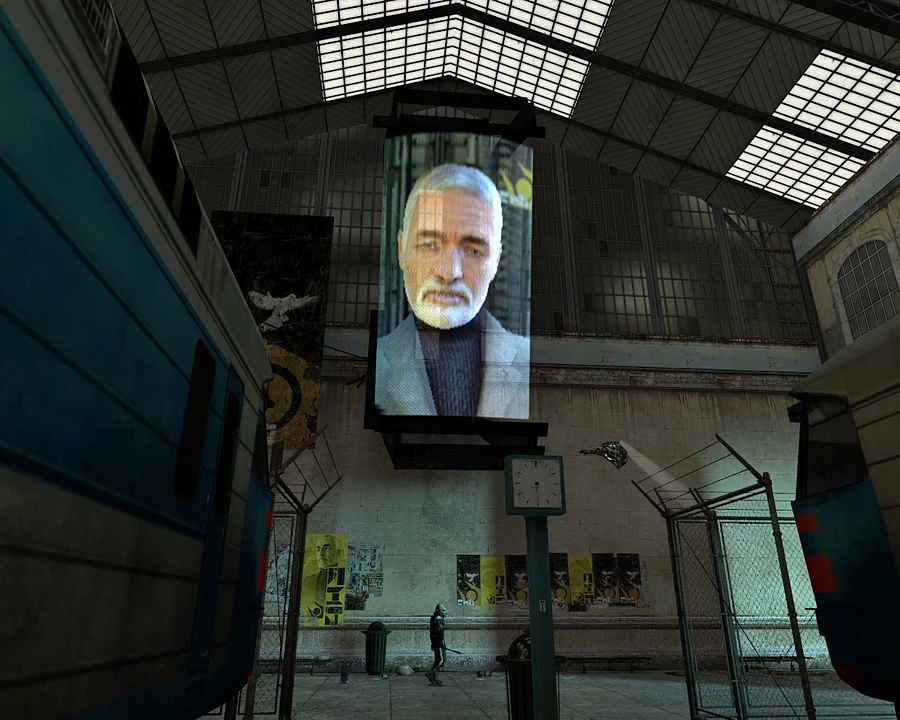
Breen gets more screen time than any other character and never fires a shot. His Breencasts run in stations, plazas, and apartment blocks, and they are written as genuine persuasion rather than villain monologue. He congratulates the citizenry. He worries aloud about the resistance. He talks about the human race being offered a place in something larger.
Robert Culp's performance sells it, but the writing does the heavy lifting: Breen's position is coherent. Earth lost a war in seven hours. Total extinction was available. He picked the deal on the table. The game lets him make that case out loud and then quietly shows you Nova Prospekt.
His exit is fitting. Cornered on a teleport platform at the top of the Citadel while Gordon destroys the dark fusion reactor, he falls, shouting that you need him — still making his case on the way down. What the game never does is confirm that the fall killed him. The closest Episode One gets is Alyx, dug out of the rubble, saying the last thing she remembers is Breen falling and then a huge explosion — a memory of what she saw, not a verdict on what happened to him — and both the Half-Life Wiki and Combine OverWiki file it as an apparent death with his fate unrevealed. Treat him as presumed dead, not confirmed. The Citadel finale guide draws that confirmed-versus-unresolved line in detail.
The Vortigaunts are the best redemption arc in the series
In Half-Life 1 they were "alien slaves" and you shot hundreds of them. It turns out they were exactly that — enslaved by the Nihilanth, bound by a collective will they could not break.
Killing the Nihilanth freed them. By Half-Life 2 they are Resistance allies, they heal you, they cook headcrabs, and they hold a strange reverence for Gordon that is half gratitude and half prophecy. Valve retroactively turned the most disposable enemy in the first game into its moral center, and did it without a single cutscene of explanation.
They are also one of the only forces in the setting the G-Man treats as an obstacle rather than furniture.
The G-Man: what is confirmed, and what is not
Here is the honest inventory.
Confirmed by the games:
- He works for unnamed "employers." He says so directly, in both games.
- He can stop time, move between locations instantly, and hold Gordon in stasis for decades.
- He operates under restrictions. "I wish I could do more than keep an eye on you, but I have agreed to abide by certain... restrictions."
- He believes outcomes are changeable: "Some believe the fate of our worlds is inflexible. My employers disagree."
- At the end of Half-Life 2 he freezes the Citadel explosion mid-detonation and extracts Gordon, leaving Alyx behind.
Not confirmed by anything:
- That he is Combine, Nihilanth-adjacent, a future Gordon, an alien, or a government agent. All of it is fan theory. The suit and briefcase are a costume, not a résumé.
His famous line about the right man in the wrong place making all the difference is not flattery. It is a job description. The G-Man does not seem to want a hero; he wants a well-placed variable.
Half-Life: Alyx quietly rewrote the job description
The 2020 prequel is where this stops being ambiguous in one specific way. Alyx finds the G-Man imprisoned in a Vault — meaning something out there is strong enough to cage him. He shows her Eli's death in Episode Two, lets her undo it, and then takes her into stasis as his new employee.
Two consequences worth sitting with. First, whoever built that Vault is a faction the story has never named. Second, Gordon appears to have been replaced. The G-Man's line about the right man is now attached to a different person.
The questions the story still refuses to answer
Episode Two ended in 2007 with the Borealis coordinates in hand, Eli dead, and Advisors loose. Marc Laidlaw's post-Valve plot sketch, commonly called Epistle Three, is not canon — it is one writer's outline published personally, and the wikis flag it as such. If you want the full picture of where the narrative actually stops, the Half-Life 2 episodes guide walks both episodes chapter by chapter.
Open threads, as of now: who employs the G-Man, who imprisoned him, what the Borealis actually does, and what the Combine wanted from Earth beyond water and bodies. Half-Life: Alyx moved the timeline. It did not close a single one of those.
Quick Action Checklist
- Replay the train ride into City 17 and read the posters — that is where half the occupation lore lives.
- Watch every Breencast you can trigger instead of running past the screens.
- On Highway 17, remember you are driving on a seabed.
- Note that the suppression field goes down because of what you do in the Citadel; Episode One confirms it.
- Treat "Universal Union" as a fan name, not a confirmed title.
- Keep Overwatch, synths, and Advisors straight — they are different tiers, not synonyms.
- Play Half-Life: Alyx after Episode Two, not before. It is a prequel with an ending that only lands if you already know Eli dies.
- Do not treat Epistle Three as canon in any argument. It is an outline, not a shipped story.
Frequently Asked Questions
What was the Seven Hour War in Half-Life 2?
Who are the Combine in Half-Life 2?
Is the Combine officially called the Universal Union?
What is the Combine suppression field?
Why did Dr. Breen surrender Earth to the Combine?
Who is the G-Man and who does he work for?
What happens to the G-Man in Half-Life: Alyx?
Why are the Vortigaunts friendly in Half-Life 2 when you fought them in Half-Life?
Keep Reading
- Combine OverWiki — Seven Hour War cause, duration, and surrender
- Combine OverWiki — Wallace Breen, the Breencasts, and his fate
- Combine OverWiki — The G-Man, his employers, and confirmed abilities
- Half-Life Wiki — Combine structure, synths, Advisors, and technology
- Half-Life Wiki — Half-Life 2 storyline synopsis, including Breen's unrevealed fate
Related Guides
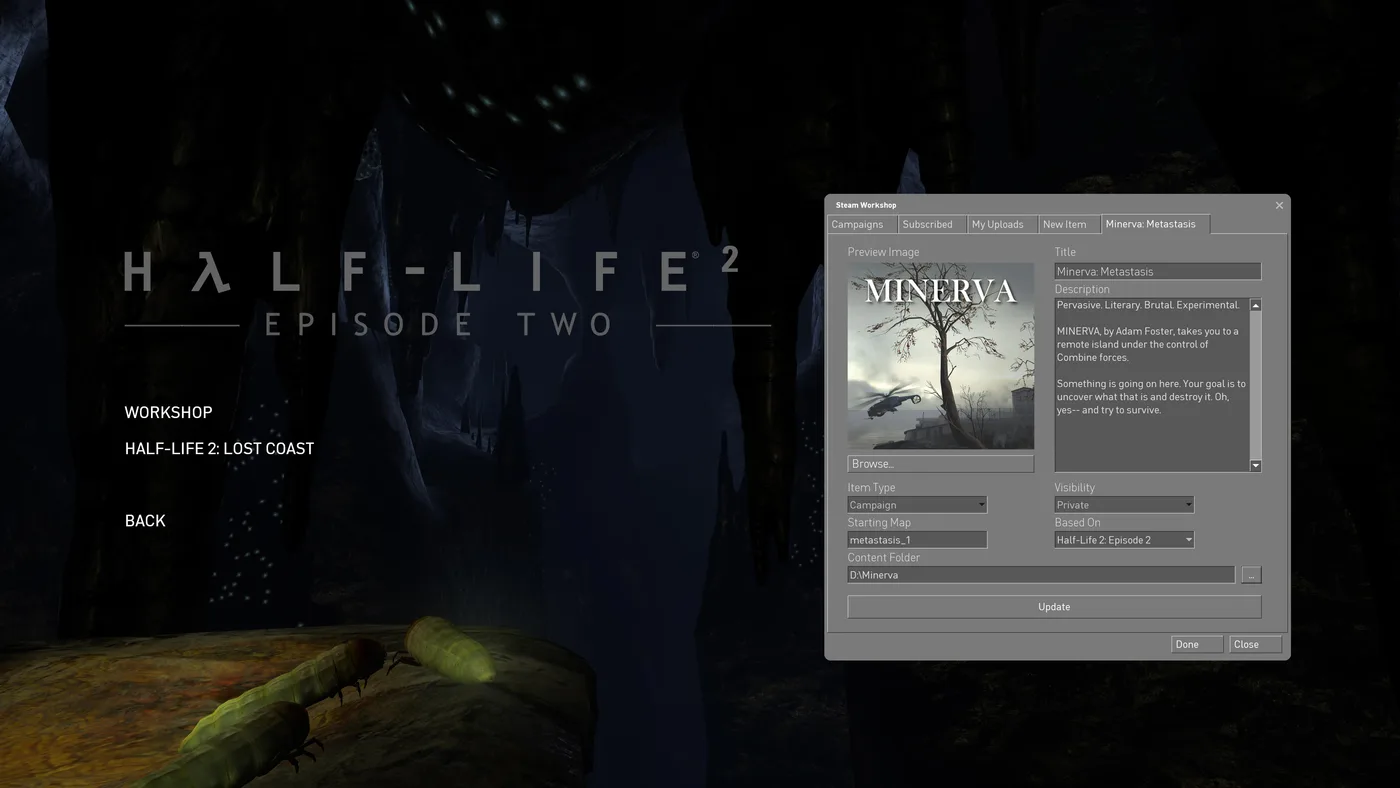
Half-Life 2 Steam Workshop: Campaigns, Addons, Known Bugs
Half-Life 2 has had a Steam Workshop in its Extras menu since November 2024, and it held 12,469 items on October 11, 2026. Here is how Campaign and Content items load differently, how to start a Workshop campaign, what people actually subscribe to, and the bugs still open on Valve's tracker.
Half-Life 2 Episode Achievements: All 36, and the Hard Ones
Half-Life 2's Steam page now lists 69 achievements, not 33. The 20th Anniversary Update brought in the Episodes' 36. Here is every one of them, which game each actually counts in, which ones a reload can rescue, and the runs that need planning.
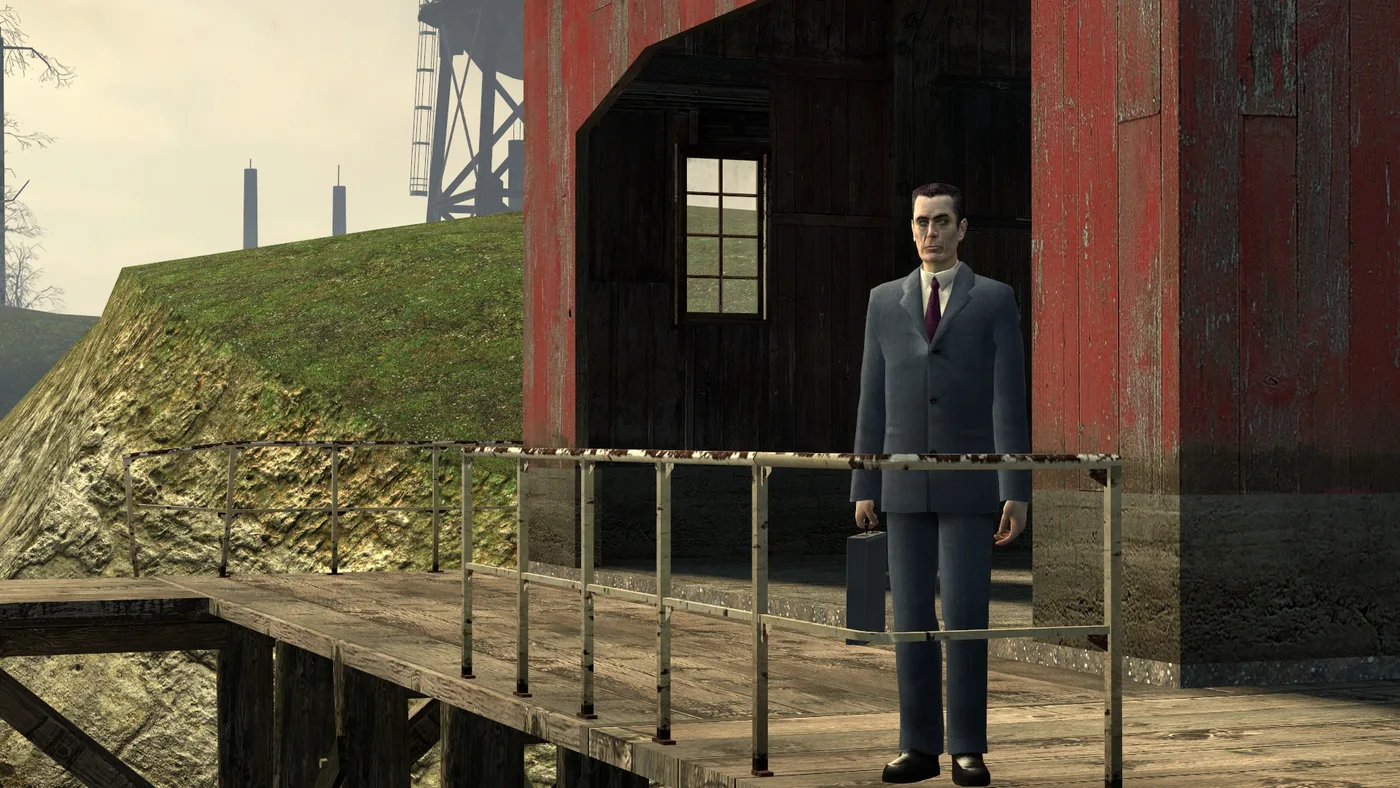
Half-Life 2 G-Man Sightings: Where to Spot Him, Map by Map
Between the opening monologue and the ending, the G-Man turns up twelve more times in Half-Life 2, mostly at a distance or on a screen. Here is where each one is, by chapter and map, plus the three in Episode Two and the ones Valve cut.
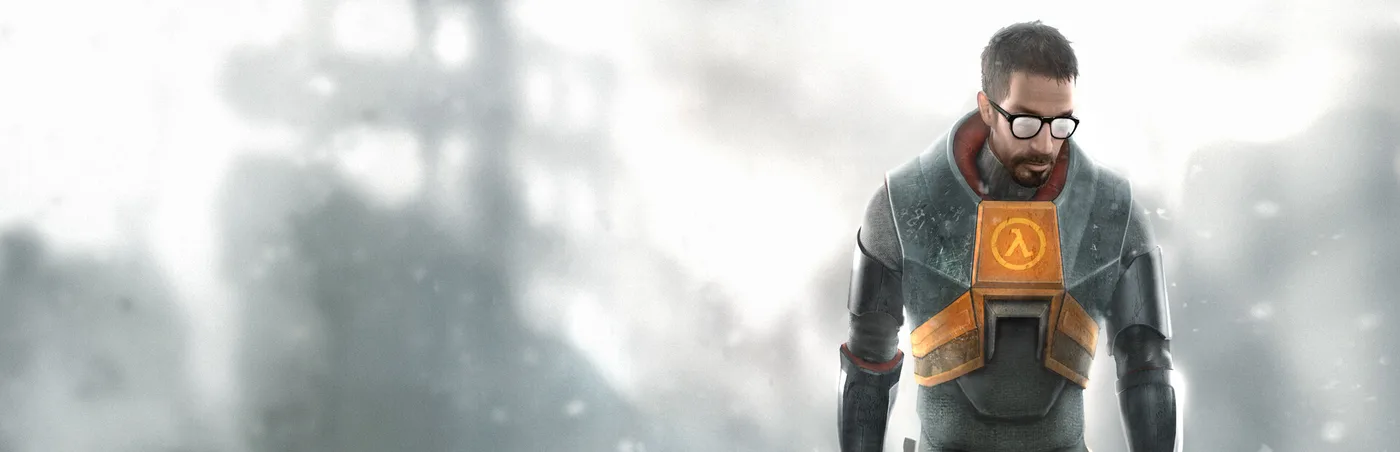
Half-Life 2 on Console, Mac and Steam Deck: Every Version
Half-Life 2 has shipped on seven platforms and one arcade cabinet, and only one of those versions still gets patches from Valve. Here is every official port, what each one is missing, and the right way to play it on whatever you own.
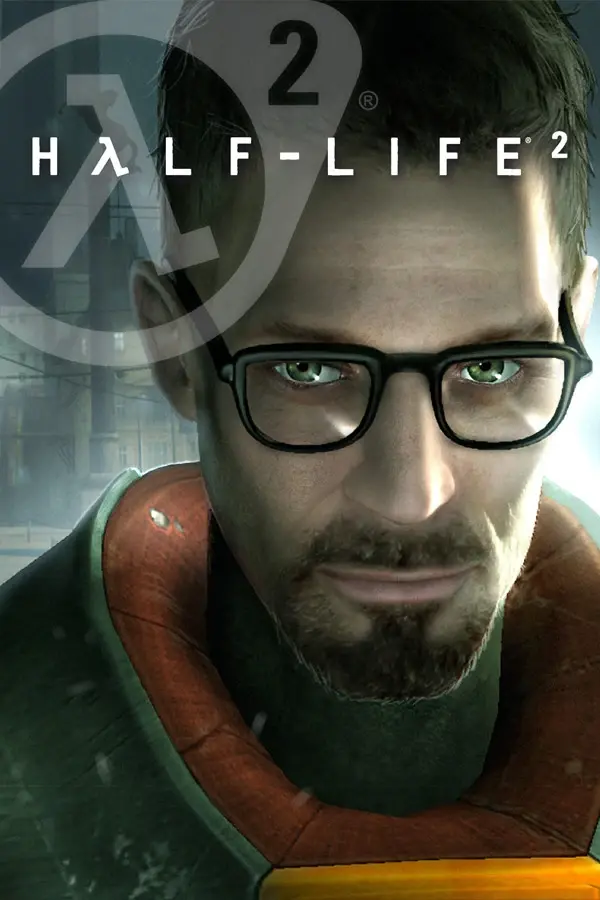
Half-Life 2 Beginner's Guide: Start Strong in City 17
Half-Life 2 never stops to explain itself, which is why new players stall in Ravenholm with no shotgun ammo and no idea the gravity gun was the answer. Here is the chapter map, the systems the game hides, and the mistakes that waste your first playthrough.
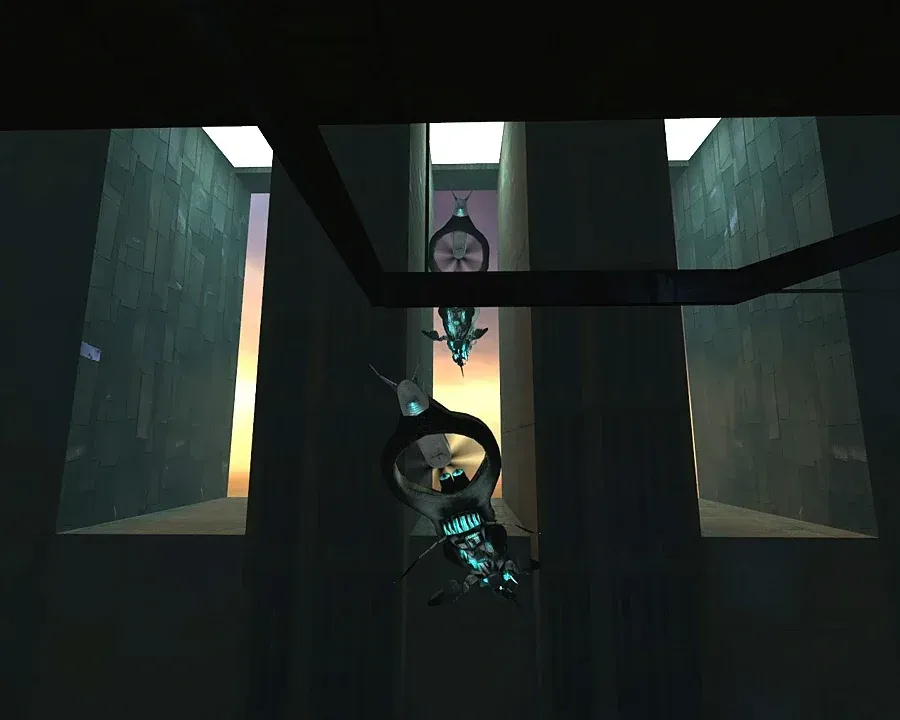
Half-Life 2 Citadel Guide: Our Benefactors and Dark Energy
Our Benefactors and Dark Energy get summarized as "you get the blue gravity gun and blow up a reactor," which skips the part where Breen steals that gun and runs off with it, the part where Gordon is a prisoner too, and the part where the game itself refuses to confirm whether Breen dies. Here is the full run, and the confirmed-versus-unresolved line at the end.