Magic: The Gathering Standard Format Guide: Where to Start
Standard is the format Wizards balances the hardest and the one new players actually have a shot in. Here is what Standard is, how rotation works, the archetypes that define it, and how to build your first deck without setting money on fire.
Standard is the format Wizards of the Coast watches like a hawk, bans into the dirt when something breaks it, and balances harder than anything else they print. It's also the format where a brand-new player has the best honest shot at a competitive deck, because the card pool is small, the staples are cheap, and nobody's untapping a 30-year-old dual land across the table. If you're coming into Magic and want to play real, current, competitive decks without taking out a loan, Standard is the front door.
The catch — and the thing that scares people off — is rotation. On a set schedule, the oldest sets drop out of Standard and cards you bought can "leave" the format. That sounds brutal until you understand how it actually works and why it's the reason Standard stays fresh and beatable. Here's what Standard is, how rotation and the banned list shape it, the archetypes that define it, and how to build in without overpaying. Every card legality claim here is checked against Scryfall.
What is Standard in MTG
Standard is Magic's rotating Constructed format. You build a minimum 60-card deck (plus a 15-card sideboard) using only cards printed in the most recent sets — a rolling window of roughly three years' worth of releases. That's the entire premise: a curated, current card pool that turns over on a schedule.
Because the pool is small and recent, Standard has a few defining traits:
- It's the most-balanced format Wizards maintains. They print directly into Standard, watch it obsessively, and ban aggressively when something dominates. Problem cards don't linger the way they can in eternal formats.
- It's cheap to enter relative to older formats. No reserved-list cards, no 20-year-old staples. The expensive cards are recent mythic rares, and even a top-tier deck is a fraction of a Modern or Legacy list.
- The meta moves constantly. Every new set shakes things up, and rotation resets the board. A deck that's tier one today might lose half its core when the next rotation lands — with the first set of 2027, under the current schedule.
Compare that to Pioneer or Modern, where the card pool only grows and never rotates. Those formats reward a deep collection and a deck you keep forever. Standard rewards staying current and rebuilding as the format evolves — which is exactly what makes it the best on-ramp.
How rotation works
Rotation is the one mechanic every Standard player has to internalize, so let's be precise.
Standard contains a rolling set of recent expansions. Under the current rules, rotation happens once a year: after the first premier set Prerelease of the calendar year, the six oldest sets "rotate out," meaning they're no longer legal in Standard. That timing is new. Rotation used to happen later in the year, but in its October 2024 Aligning the Universes announcement Wizards confirmed it was moving rotation to "coincide with the first set of the calendar year starting in 2027" — and stated outright that "there will be no rotation in 2026 as we gear up for this change." So if you're reading this in 2026, nothing rotates this year; the next rotation comes with 2027's first set (we cover the announced date in our Alchemy retirement breakdown). The cards still exist and still work in non-rotating formats like Pioneer, Modern, and Commander; they just stop being Standard-legal.
What this means in practice:
- A card you bought has a Standard "shelf life." A staple from a recent set will be Standard-legal for a few years, then rotate. After that it lives on in Pioneer and beyond.
- Rotation is a reset, not a loss. When the oldest sets leave, the dominant decks lose pieces and the metagame reshuffles. New archetypes get room to breathe. This is the feature, not the bug — it's why Standard never ossifies into the same three decks forever.
- Wizards has changed the rotation schedule before — and just did again. The number of sets in the legal window and the time of year rotation happens have both shifted as they've tuned the format; the 2024 announcement that skipped 2026 is only the latest example. Always confirm the current set list and rotation timing on the official Standard page rather than assuming.
The practical takeaway for a newcomer: don't sink a fortune into cards from a set that's about to rotate. If a set is near the end of its Standard life, the cards in it are about to leave the format you're buying them for. As of this update there is no rotation in 2026, so the next sets to leave are the oldest ones on the official legal-set list when 2027's first set arrives — check where a set sits on that list before you buy in. Buy into newer sets, or buy with the understanding that those cards will follow you into Pioneer later.
The banned list and why it matters
Even with a small, curated pool, things break. When a card or a deck warps Standard badly enough, Wizards bans it via a Banned and Restricted announcement, and it's immediately illegal in the format.
Standard's banlist tends to be short and reactive — Wizards would rather rotation solve problems naturally, so a Standard ban usually means something was genuinely oppressive. A couple of recent examples that show what triggers a ban:
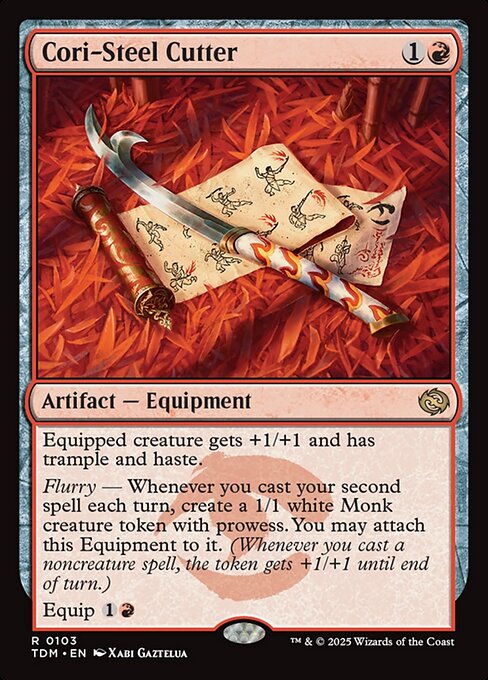
- Cori-Steel Cutter got the axe — it's banned in Standard (and in Pioneer too). A cheap, recurring token-and-equipment engine that pushed aggressive and prowess decks past what the format could answer.
- This Town Ain't Big Enough is banned in Standard as well, after enabling too-consistent tempo and bounce loops.
- Up the Beanstalk is banned in Standard, where it fueled card-advantage engines that ground every other deck out.
Notice the pattern: each was a cheap engine that generated too much value or tempo for the cost. When a card like that takes over, a ban follows. The reason the banlist matters to a new player is simple — never buy a deck list without confirming none of its cards have been banned since the list was published. Banned-and-restricted announcements come out on a schedule, and a list that was tier one last month can be illegal today. Check Scryfall's legality line on each card or the official banlist before you buy.
What makes Standard tick
A few structural realities define how Standard games actually play out.
Two-color and three-color decks dominate. The mana fixing available in any given Standard is good but not infinite — you get dual lands and a handful of fixing pieces, not the perfect mana of eternal formats. So decks tend to be tightly focused on two colors, or three if the payoff justifies the inconsistency.
Removal and card advantage are king. Standard is largely a midrange format. Games are decided by who trades resources more efficiently and who's still drawing gas in the late turns. Efficient removal and value engines that refuse to run out of cards are the backbone of most top decks.
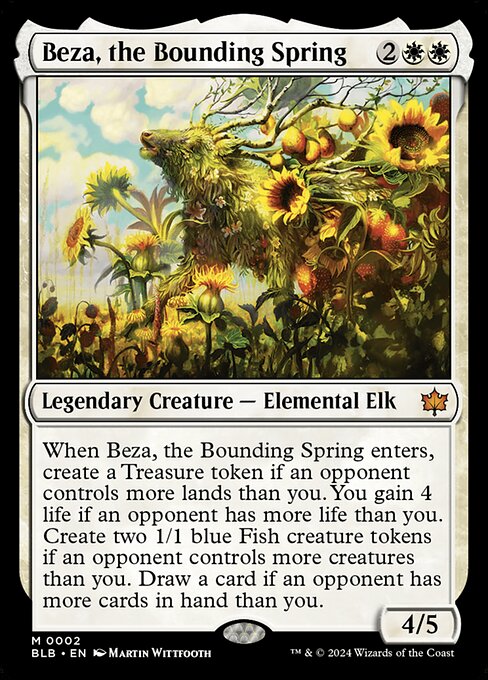
Powerful four- and five-drops set the ceiling. Standard's biggest payoffs tend to be premium midrange creatures and enchantments — cards like Beza, the Bounding Spring and Overlord of the Hauntwoods that come down, generate value immediately, and snowball if unanswered. Building a deck often means asking which of these top-end bombs your colors get and how you protect the turns before you cast them.
Speed still wins games. Aggro is always lurking. A format full of value engines is a format that loses to a fast start it can't stabilize against, which keeps cheap, aggressive decks honest and present in every metagame.
The archetype families
Standard's decks sort into the same broad families you'll see in any Constructed format, with the lineup shifting set to set.
- Aggro. Cheap creatures, efficient threats, and reach to close games before the slower decks set up. The default beginner-friendly archetype — low curve, clear gameplan, punishes stumbles. Mono-red and aggressive two-color decks are perennial.
- Midrange. The format's center of gravity. Efficient removal, premium creatures, and value engines that win attrition wars. Decks built around bombs like Beza and resilient threats live here, and midrange is usually the safest competitive home base.
- Control. Counterspells, sweepers, card draw, and a small number of finishers. Aims to answer everything and win late. Standard control rises and falls with how good the available sweepers and card advantage are in a given format.
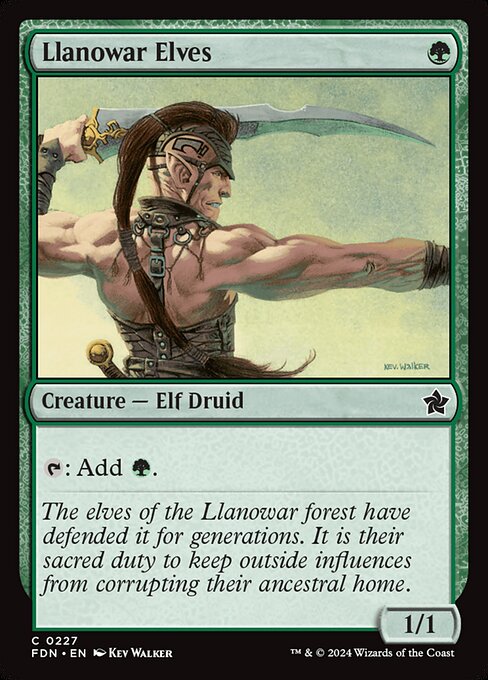
- Ramp / big mana. Mana acceleration (creatures like Llanowar Elves, or ramp spells) into payoffs the other decks can't cast on curve. A boom-or-bust plan that's strong when the payoffs are worth the setup.
- Combo / synergy. Less common in Standard than in older formats because the card pool is shallow, but synergy decks built around a specific engine pop up whenever a set hands them the pieces.
For a newcomer, the honest advice is to start with aggro or midrange. Both have clear gameplans, forgive mistakes, and don't require you to understand the entire metagame to pilot well. Control is the hardest archetype to play and the easiest to lose with while you're learning.
How to build your first Standard deck
Standard is cheap by Magic standards, but you can still waste money. Do it in this order.
- Pick a current top deck, don't brew. Pull a recent tier-one or tier-two list from a results site (see below). Netdecking is not cheating — it's how you learn what a tuned deck looks like before you start changing things.
- Confirm legality first. Run every card through Scryfall's legality line or the official banlist. Make sure nothing has rotated out or been banned since the list was posted. This single step saves the most money and heartbreak.
- Buy the lands and the format staples first. The mana base and the cards that show up across many decks (removal, key two-drops) hold their value and carry over to your next deck. The flashy mythic bombs are where prices spike — buy those last, or proxy them while you test.
- Test before you commit. Play the list on MTG Arena or with proxies before buying paper. You'll often find you don't like the deck, or you'll learn which cards you can cut.
- Build the sideboard. New players skip the 15-card sideboard and then lose to decks they could've beaten. A good sideboarding plan is half your deck's win rate in any format with sideboarded games.
The cheapest possible path is MTG Arena, where you build Standard digitally from packs and crafting, pay nothing for cardboard, and the format's legality is enforced for you automatically. Most serious Standard players test on Arena and only buy paper for the deck they've settled on.
Where to play and track the meta
Standard exists in paper at local game stores (Friday Night Magic is the classic entry point) and digitally on MTG Arena, which is the single best place to learn the format because deckbuilding is cheap and matchmaking is instant.
To track the metagame, lean on results aggregators and the official rules resources: tournament results sites that publish decklists, the official Wizards Banned and Restricted page for the current legality, and Scryfall for confirming any individual card's Standard status. Because Standard moves with every set release and ban announcement, the meta you read about today may shift in a month — always sanity-check a list's legality before you buy into it.
Quick Action Checklist
Use this to get into Standard without wasting money:
- Understand rotation: the oldest sets leave Standard at each rotation (none in 2026; the next comes with the first set of 2027), so don't overbuy a set that's about to rotate
- Check the official banlist and Scryfall legality before buying any list — bans and rotation can make a deck illegal overnight
- Start with an aggro or midrange deck; they're forgiving and have clear gameplans
- Netdeck a current tier-one or tier-two list rather than brewing from scratch
- Buy lands and format staples first, flashy mythic bombs last
- Test on MTG Arena or with proxies before committing to paper
- Don't skip the 15-card sideboard — it's a big chunk of your win rate
- Track the meta through results sites and re-check legality whenever a new set or ban announcement drops
Frequently Asked Questions
What is Standard in Magic: The Gathering?
How does rotation work in Standard?
How is Standard different from Pioneer and Modern?
Why do cards get banned in Standard?
What is the cheapest way to start playing Standard?
Keep Reading
- Wizards of the Coast — official Standard format page (current legal set list; six oldest sets rotate once per year after the first premier set Prerelease)
- Wizards of the Coast — Aligning the Universes (25 October 2024): no Standard rotation in 2026; rotation moves to the first set of the calendar year from 2027
- Wizards of the Coast — official banned and restricted list
- Scryfall — Standard-legal card search and legality data
Related Guides
MTG Arena Is Retiring Alchemy: Dates and What You Keep
Wizards announced on September 11, 2026 that the Alchemy format is being retired from MTG Arena on February 2, 2027, alongside the 2027 Standard rotation. The shutdown runs in three dated stages, and the first one lands on September 22 — every rebalanced version of a tabletop card reverts to its paper printing across every format, and five cards get banned in Historic as a direct consequence. Here is the timeline, what happens to the cards you already own, and what none of it changes.
MTG Arena Formats Guide: Alchemy, Historic, Timeless
Arena has three constructed formats that do not exist in paper, and they are far less alike than the shared 'digital-only' label suggests. Historic bans 77 cards that Timeless lets you play, Alchemy has a smaller card pool than the Standard it is built on, and a card can be legal in one and illegal in another while sharing a name.
MTG Brawl Format Guide: Standard Brawl vs Historic Brawl
Brawl is singleton Commander squeezed into a one-on-one Arena format that doesn't take forty minutes a game. Here's what Brawl is, how Standard Brawl and Historic Brawl differ, how to pick a commander, and how to build your first deck.
MTG Turn Structure: Every Phase and Step, Explained
A Shock in your own end step finishes off a 3/3 your attacker already hit for 2. The same Shock in your opponent's upkeep does not. The difference is a step in which nobody normally gets priority: cleanup. Here is the whole Magic turn in order — what the game does automatically at the start of each phase and step, where you get priority and where you don't, checked against the Comprehensive Rules effective September 25, 2026.
MTG Commander Format Guide — How to Start Playing EDH (2026)
Commander is the most-played MTG format on the planet and the easiest one for new players to start in. The rules look intimidating on paper. They are not. Here is the full beginner guide.

Best Commander Staples Every Deck Wants, Ranked
There's a short list of cards that show up in basically every Commander deck regardless of theme — the silent 25 that make the splashy 75 work. Here are the staples worth a slot in almost any list, sorted by the job they do, with the legality double-checked.