Minecraft Potion Brewing Guide: Every Potion Worth Making
Most of the potion list is filler you'll never brew. A handful — Fire Resistance, Healing, Strength, Regen, Swiftness — carry your whole game. Here is the brewing stand workflow, the ingredients that matter, and the modifiers that turn a sip into a splash.
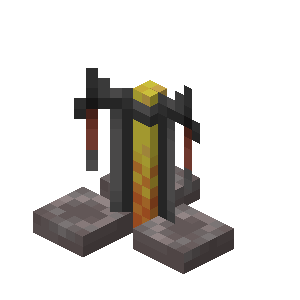
Brewing is the part of Minecraft most players bounce off, and it's a shame, because a single Fire Resistance potion makes the entire Nether trivial and a Strength splash potion can decide a boss fight. The reason people bounce off it is the menu: there are dozens of potions, half of them are useless, and the wiki recipe table looks like a chemistry exam. So most people brew one Healing potion, get confused, and never come back.
Here's the thing — you don't need most of it. The brewing system is wide but shallow: learn one workflow, one base potion, and about eight ingredients, and you've covered every potion that actually matters. This guide cuts the filler. You'll get the brewing stand workflow, the Awkward base that everything is built on, the ingredients worth farming, the specific potions that earn a slot in your inventory, and the modifiers that turn a basic potion into the splash and lingering versions you actually want in combat.
What you need before you brew anything
Brewing has a hard gate, and it's the Nether. You cannot brew without:
- A brewing stand, crafted from 3 cobblestone and 1 blaze rod. Blaze rods only drop from blazes in nether fortresses, so a Nether trip is mandatory before you brew anything.
- Blaze powder, made by crafting a blaze rod into 2 powder. This is the fuel that runs the stand — it does not go into the potion, it powers the burner. One blaze powder fuels roughly 20 brewing operations on Java.
- Nether wart, the base ingredient for nearly every potion. It grows on soul sand and you usually find your first batch in nether fortress stairwells. Grab some and farm it at home — you'll need a steady supply.
- Glass bottles, three at a time, filled with water from a water source or cauldron. Water bottles are the blank canvas every potion starts as.

Notice the theme: blaze rods, blaze powder, nether wart, soul sand — brewing is gated almost entirely behind the Nether. That's not a coincidence. The game wants you geared and through a fortress before you get access to potions, because potions are a serious power spike.
The brewing stand workflow
The stand has four slots and they're easy to mix up, so here's exactly what goes where:
- Bottom three slots: your water bottles (or the potions you're modifying). Always brew three at once — same ingredient cost as brewing one, so brewing singles is pure waste.
- Top slot: the ingredient being added (nether wart, then the effect ingredient, then any modifier).
- Left fuel slot: blaze powder. Top this up; an empty fuel slot means nothing brews no matter what else you load.

The brew runs on a timer (about 20 seconds per ingredient), consuming one fuel charge and applying the ingredient to all three bottles at once. The mental model that makes brewing click: you brew in stages. Water bottle, then add wart to make the base, then add an effect ingredient to make the potion, then optionally add a modifier to upgrade it. Each step is a separate ingredient and a separate 20-second brew. Load three bottles, walk away, come back to three finished potions.
The Awkward potion is the base for everything
Here's the single most important fact in brewing: almost every useful potion starts as an Awkward potion. Awkward potion has no effect on its own — it's just the activated base. You make it by brewing nether wart into a water bottle. That's it. Three water bottles plus one nether wart, one brew cycle, three Awkward potions.
From there, you add an effect ingredient to the Awkward base to get the real potion. Healing, Strength, Swiftness, Fire Resistance, Night Vision — all of them are "Awkward potion + one specific ingredient." So the workflow is always the same two steps:
- Water bottle + nether wart → Awkward potion.
- Awkward potion + effect ingredient → the potion you want.
If you ever brew an ingredient straight into a water bottle and get a weird useless potion (Mundane or Thick), that's the game telling you that you skipped the nether wart step. Don't skip the wart. Awkward is the foundation, full stop.
The key ingredients and where they come from
You only need to remember a handful of ingredients. Here's where each one comes from:
| Ingredient | Makes | Where to get it |
|---|---|---|
| Nether wart | Awkward base | Grows on soul sand; found in nether fortresses |
| Glistering melon slice | Healing | Craft a melon slice with 8 gold nuggets |
| Ghast tear | Regeneration | Dropped by ghasts in the Nether |
| Blaze powder | Strength | From blaze rods (also your fuel) |
| Magma cream | Fire Resistance | Dropped by magma cubes, or craft slimeball + blaze powder |
| Sugar | Swiftness | Craft from sugar cane |
| Golden carrot | Night Vision | Craft a carrot with 8 gold nuggets |
| Phantom membrane | Slow Falling | Dropped by phantoms (the night-time flyers) |
| Pufferfish | Water Breathing | Fish it up, or find it in ocean biomes |
Most of these you can farm or craft once and have forever. Gold nuggets (for glistering melon and golden carrots) come fast from a few gold ingots, sugar cane is trivial, and the Nether drops (ghast tear, magma cream, blaze powder) you collect on your fortress and bastion runs. Stockpile nether wart and gold nuggets and you can brew most of the list on demand.
The potions actually worth brewing
Dozens of potions exist. These are the ones that earn inventory space. The recipe is always Awkward potion + the ingredient listed.
- Fire Resistance (magma cream). The best potion in the game for utility. Makes lava and fire do zero damage for the duration. It's what makes the Nether, netherite mining, and lava swimming safe. If you brew one type of potion, brew this.
- Healing (glistering melon slice). Instant health on drink — no timer, just immediate hearts. The clutch combat heal. As a splash potion it also hurts undead, so it doubles as a weapon against zombies and skeletons.
- Regeneration (ghast tear). Heals over time instead of instantly. Great for sustained fights and recovering between encounters. Pairs well with Healing — Healing for the burst, Regen for the tail.
- Strength (blaze powder). Adds flat melee damage. Turns a tough fight (the Wither, a raid, PvP) from a grind into a clean win. A Strength splash before a boss is standard practice.
- Swiftness (sugar). Movement speed boost. Underrated — it makes exploring, fleeing, and kiting dramatically better, and it's cheap as dirt to brew.
- Night Vision (golden carrot). See perfectly in the dark and underwater without torches. Invaluable for caving, mining, and ocean exploration. No more squinting at deepslate.
- Slow Falling (phantom membrane). You drift down gently and take no fall damage while it's active. A lifesaver for mountains, the End islands, and any high build work. Cancels the most common dumb death in the game.
- Water Breathing (pufferfish). Breathe underwater for the duration. Mandatory for ocean monuments and long underwater builds. Pair it with Night Vision and the ocean floor becomes a stroll.
That's the whole worthwhile list. Everything else — Leaping, Invisibility, the Turtle Master potion, Luck — is situational or niche. Brew the eight above and you're covered for 99% of what the game throws at you.
Modifiers: extend, amplify, splash, linger
This is where new brewers get lost, so here's the clean version. After you've made a base potion, you can add one modifier to change how it behaves:
- Redstone dust → extends the duration. A 3-minute potion becomes 8 minutes. Use this on the long-utility potions: Fire Resistance, Night Vision, Swiftness, Water Breathing, Slow Falling. You want those lasting as long as possible.
- Glowstone dust → amplifies the strength (level II). Stronger effect, but shorter duration. Use this on the power potions: Healing II, Strength II, Regeneration II. You want a big effect now, not a long weak one. Note: Redstone and Glowstone are mutually exclusive — a potion can be extended or amplified, not both.
- Gunpowder → makes it a splash potion. Now you can throw it. Splash potions apply the effect in an area where they shatter, which lets you hit enemies (splash Healing hurts undead, splash Poison, etc.) or buff a group. This is how Strength and Healing become combat tools.
- Dragon's breath → makes a splash potion into a lingering potion. Lingering potions leave a cloud on the ground that applies the effect over time to anything standing in it. Great for area denial. Dragon's breath is collected by scooping the Ender Dragon's breath attack with an empty bottle, so it's a late-game modifier.
The order matters: build the full base potion first (Awkward → effect → extend/amplify), then add gunpowder for splash, then dragon's breath for lingering if you want it. You can't splash a water bottle into anything useful — finish the potion, then convert it.
The corrupted potions (fermented spider eye)
One ingredient deserves its own note: the fermented spider eye (spider eye + sugar + brown mushroom). It "corrupts" a potion into its opposite or a related negative effect:
- Awkward + fermented spider eye → Weakness (reduces attack damage — also the potion you use to cure zombie villagers).
- Healing + fermented spider eye → Harming (instant damage — a splash weapon).
- Night Vision + fermented spider eye → Invisibility.
- Swiftness + fermented spider eye → Slowness.
Most of these are for throwing at enemies as splash potions, or for specific tricks like the zombie villager cure (Weakness splash + golden apple). You won't brew them often, but the fermented spider eye is the key to the whole "negative potion" branch, so it's worth knowing it exists.
A starter brewing loadout
When you get back from your first fortress run with blaze rods and nether wart, here's what to brew first:
- A batch of Fire Resistance (extended with Redstone) so your next Nether and netherite trips are safe.
- A few Healing potions for emergencies, and make some of them splash for the undead bonus.
- A stack of Awkward potions sitting ready, so you can convert to whatever you need on the fly.
- Strength splash potions before any boss fight or raid.
- Night Vision (extended) for your next caving or diamond run.
Set up a brewing station near your storage with a water source (or a cauldron), a chest of nether wart, and a chest of gold nuggets, and brewing stops being a chore. Add a nether wart farm and you'll never run dry.
Java vs Bedrock notes
Brewing is nearly identical across editions, with a couple of differences:
- Fuel duration is the headline one: on Java, one blaze powder fuels about 20 brewing operations; on Bedrock the fuel mechanic works slightly differently, but blaze powder is the fuel on both.
- Recipe set is the same — same ingredients, same Awkward base, same modifiers — across Java and Bedrock.
- Lingering potions and tipped arrows (you craft tipped arrows from lingering potions + arrows) work the same on both editions.
- A few exclusive potions like the Turtle Master potion exist on both, and remain niche on both.
Wherever you play: blaze powder is fuel, nether wart makes the Awkward base, and the eight potions above are the ones worth your ingredients.
Quick brewing checklist
- Get blaze rods from a nether fortress and craft a brewing stand (3 cobble + 1 rod)
- Keep the fuel slot topped with blaze powder
- Always brew three bottles at once — same ingredient cost as one
- Water bottle + nether wart = Awkward potion (the base for everything)
- Awkward + effect ingredient = the potion (Fire Res, Healing, Strength, etc.)
- Redstone extends duration; Glowstone amplifies strength (pick one)
- Gunpowder makes it splash; Dragon's breath makes splash into lingering
- Stockpile nether wart and gold nuggets so you can brew on demand
- Brew Fire Resistance before your next Nether or netherite trip
Frequently Asked Questions
What do I need to start brewing potions in Minecraft?
What is the Awkward potion in Minecraft?
What are the best potions to brew in Minecraft?
How do you make a splash potion in Minecraft?
What do Redstone and Glowstone do in brewing?
How much blaze powder do I need to brew?
Keep Reading
Related Guides
Minecraft Speedrun Guide: The Any% Route to the Ender Dragon
Speedrunning Minecraft is a race from an empty spawn to a dead dragon in under ten minutes. Here is the actual route the world's fastest players run — wood to Nether to stronghold to bed bombs — and where beginners lose the run.
Minecraft Hardcore Mode Guide: How to Survive Permadeath
Hardcore mode locks you to Hard difficulty and gives you exactly one life. Die once and the world is over — you watch it as a ghost. Here is how the mode actually works, and the survival plan that gets you past the deaths that kill most runs.
Minecraft XP Guide: Fastest Ways to Level Up
XP is not points — it is the currency that runs your whole late game: enchanting, anvils, and Mending gear that repairs itself. Here are the fastest XP sources actually worth your time, ranked, with the real values.
Minecraft Beacon Guide: How to Build and Power One
A beacon is the closest Minecraft gets to a permanent buff station — stand near one and you get Haste, Speed, or Resistance for free, forever. The catch is everything in front of it: kill the Wither for a nether star, then stack up to 164 mineral blocks into a pyramid. Here is the whole build, tier by tier.
Minecraft Survival Guide for Beginners: Your First Days
You have about ten minutes of daylight before the sun sets and the world tries to kill you. Here is exactly what to do with them — punch a tree, build a tool chain, and get a roof over your head before the zombies arrive.
Best Minecraft Enchantments, Ranked — The Ones Worth Your XP
Mending is the enchantment that ends the grind — gear that repairs itself forever. Everything else is a fight over your XP and anvil uses. Here is what actually earns a slot, ranked, with the real max levels.