Minecraft Speedrun Guide: The Any% Route to the Ender Dragon
Speedrunning Minecraft is a race from an empty spawn to a dead dragon in under ten minutes. Here is the actual route the world's fastest players run — wood to Nether to stronghold to bed bombs — and where beginners lose the run.
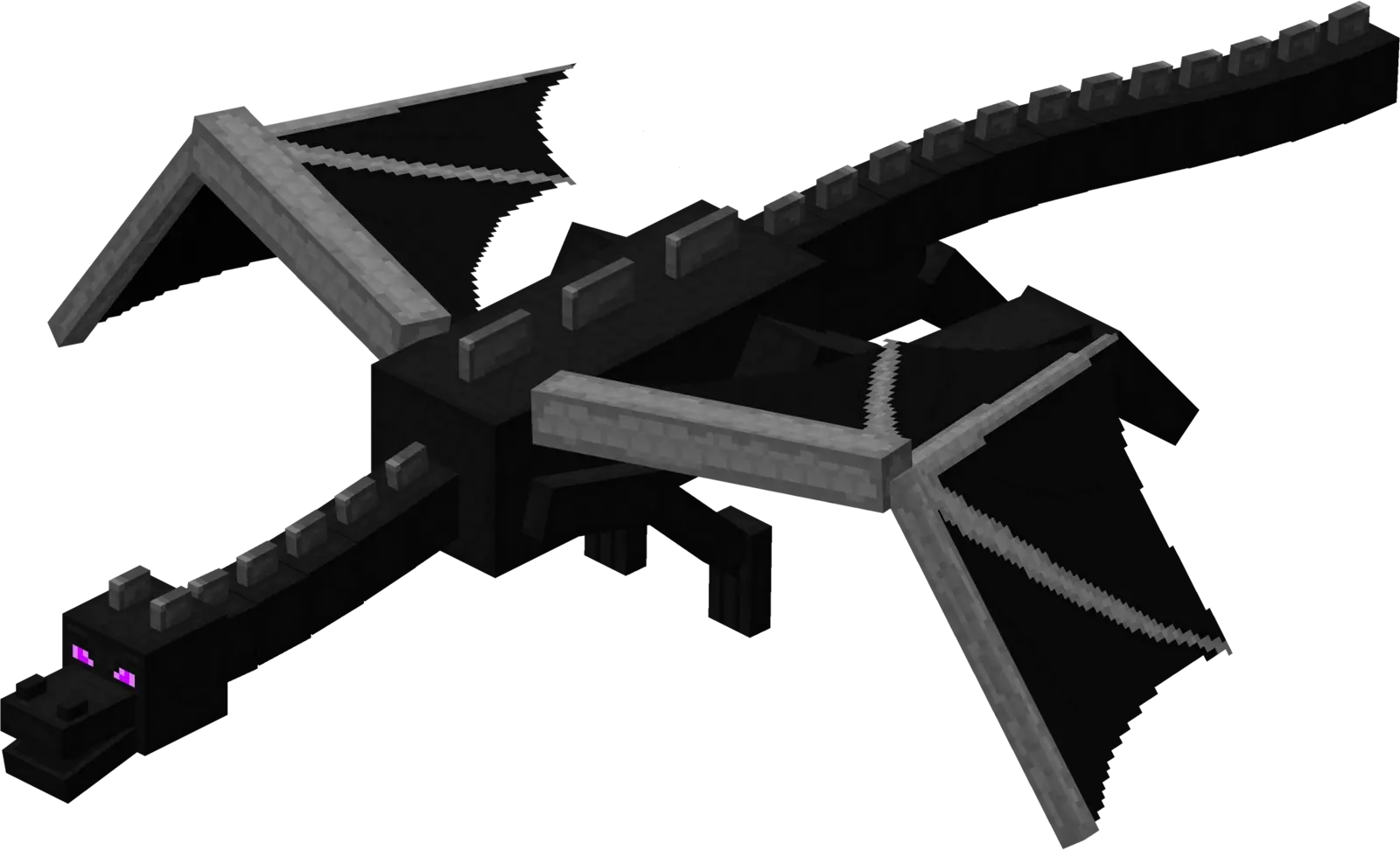
Most Minecraft players spend hundreds of hours in a world before they even think about the ender dragon. Speedrunners kill it in under ten minutes, starting from a bare spawn with nothing but their fists. It looks like witchcraft the first time you watch it — no diamonds, no base, no farms, just a player who seems to already know where everything is. They don't. They just run a route so tight that the game barely has time to fight back.
This is that route, explained like a real plan instead of a highlight reel. The category everyone means when they say "Minecraft speedrun" is Any% Glitchless — start a new world, beat the dragon, no exploits, timer starts on world creation and stops when the dragon dies. Nothing here needs a mod or a cheat. It needs prep, a clear head, and a willingness to reset a hundred bad worlds to find one good one. If you already know the basics of staying alive, from our survival guide for beginners, you have everything you need to start.
What a Minecraft speedrun actually is
A speedrun is a race against the clock to a defined finish. For Minecraft's marquee category that finish is the ender dragon's death, and the clock is real-time from the moment the world loads. The official leaderboards live on speedrun.com, and the runs are almost entirely Java Edition — the RNG, seed behavior, and version rules are all tuned around Java. Bedrock has its own separate boards.
The reason the run is hard isn't the dragon. It's that almost every step depends on random generation you don't control: where your portal drops you in the Nether, whether there's a fortress nearby, what piglins hand back when you barter, and how far the stronghold sits from your Nether exit. A great run is 20% mechanics and 80% getting a world that cooperates — which is exactly why runners reset constantly. The best Random Seed runs finish in well under ten minutes, and the top of the leaderboard has pushed under seven. You are not going to do that this week. You can absolutely learn the route and get a clean sub-30 clear, which is a genuinely satisfying place to be.
Set seed vs random seed: pick your poison
There are two worlds you can run, and they're basically different games.
- Random Seed Glitchless (RSG) is the popular one. The seed is random every time. You reset until you get a fast start, then execute the route on a world you've never seen. This is the "real" speedrun most people mean, and it rewards general knowledge and improvisation.
- Set Seed Glitchless (SSG) uses one known seed. You've studied where the ruined portal, fortress, bastion, and stronghold all are, and you run a memorized path. Set seed runs are much faster — the fastest are under four minutes — because you're not gambling on generation. But they're a memory-and-execution test, not an exploration one.
- Filtered seed is an RSG sub-style on 1.16 where a program pre-checks the seed for good features (a ruined portal near spawn, a nearby fortress) before you play it, so you skip the worst worlds.
Start with RSG. It teaches you the whole game, and you don't have to memorize block-by-block movement. Once you love it, set seed is there for when you want to grind a single time down to the frame.
The Overworld: wood, tools, and a way down
The Overworld leg has one job: get to the Nether as fast as possible with the tools to survive it. You are not mining diamonds. Speedrunners skip the entire diamond hunt that a normal survival player treats as a milestone, because the dragon dies to a bed, not to a diamond sword.
Your Overworld shopping list is short:
- Wood, then stone tools. Punch a tree, make a crafting table, make a wooden pickaxe, mine cobblestone, upgrade to a stone pickaxe and sword. Grab a few extra cobble for later.
- A bucket, from iron. You need iron for at least one bucket (some routes bring two). Iron comes from exposed ore in caves, mountainsides, or — the runner's favorite — a village with a handy blacksmith chest or a nearby ravine.
- Gravel and flint for flint and steel later, plus a way to make fire.
- A fast Nether entry. This is the big one.
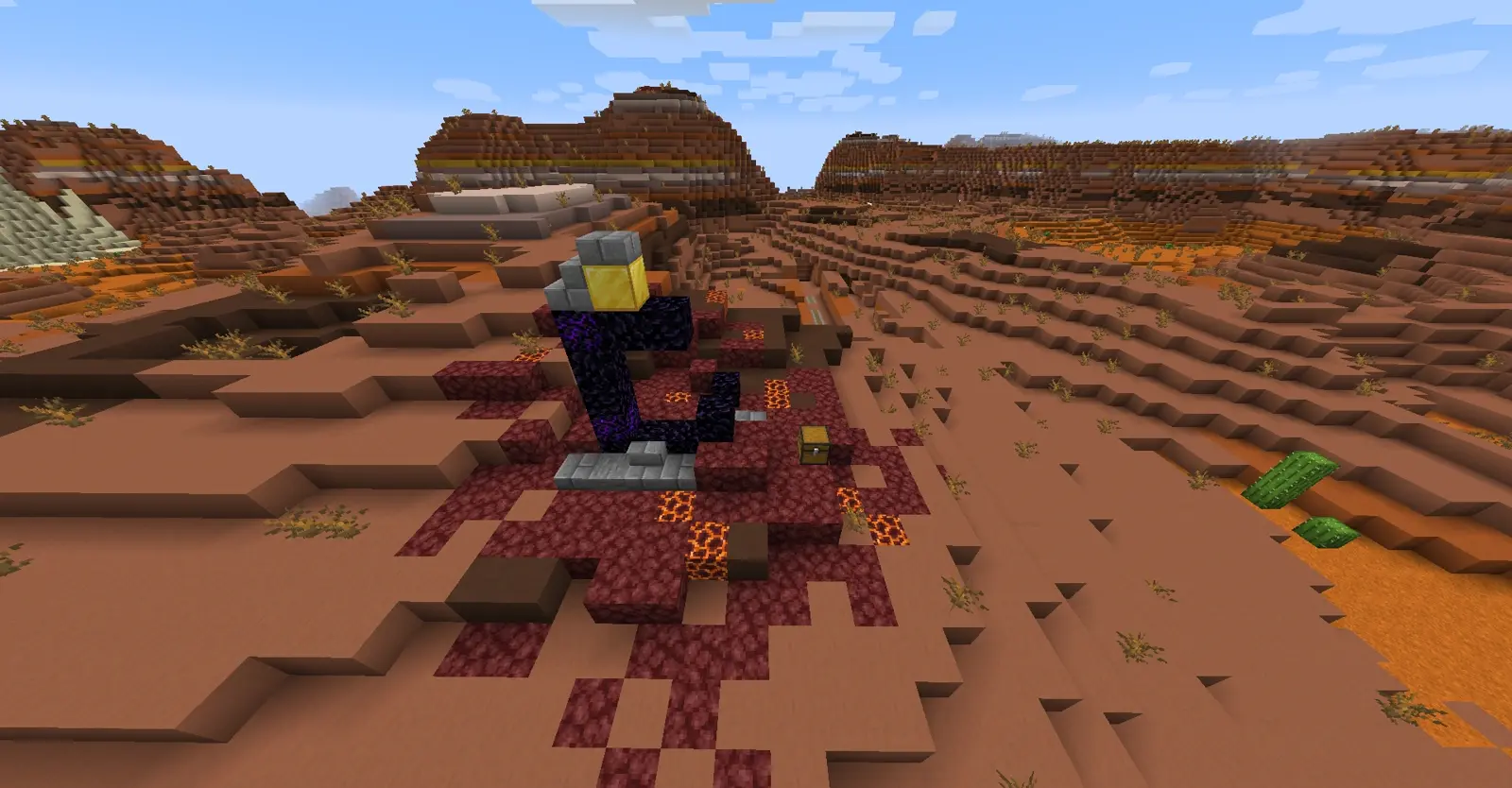
There are two ways down. The first is the water-bucket cast: find a lava pool (surface lava or a lava lake in a cave), and use your bucket to pour water over it in a mold so it turns into obsidian, building a portal frame block by block. The second, and often faster, is a ruined portal — those broken obsidian frames that generate around the world already half-built. If a ruined portal has enough obsidian, you top it off with a couple of your own blocks and light it. Either way you light it with flint and steel and step through. The whole Nether trip is where the run is won or lost, so get there with a bucket, some cobble, and flint and steel, and don't waste time gearing up beyond that.
Into the Nether: blaze rods and pearls
The Nether gives you the two things a run cannot skip: blaze rods and ender pearls. You need both to make eyes of ender.
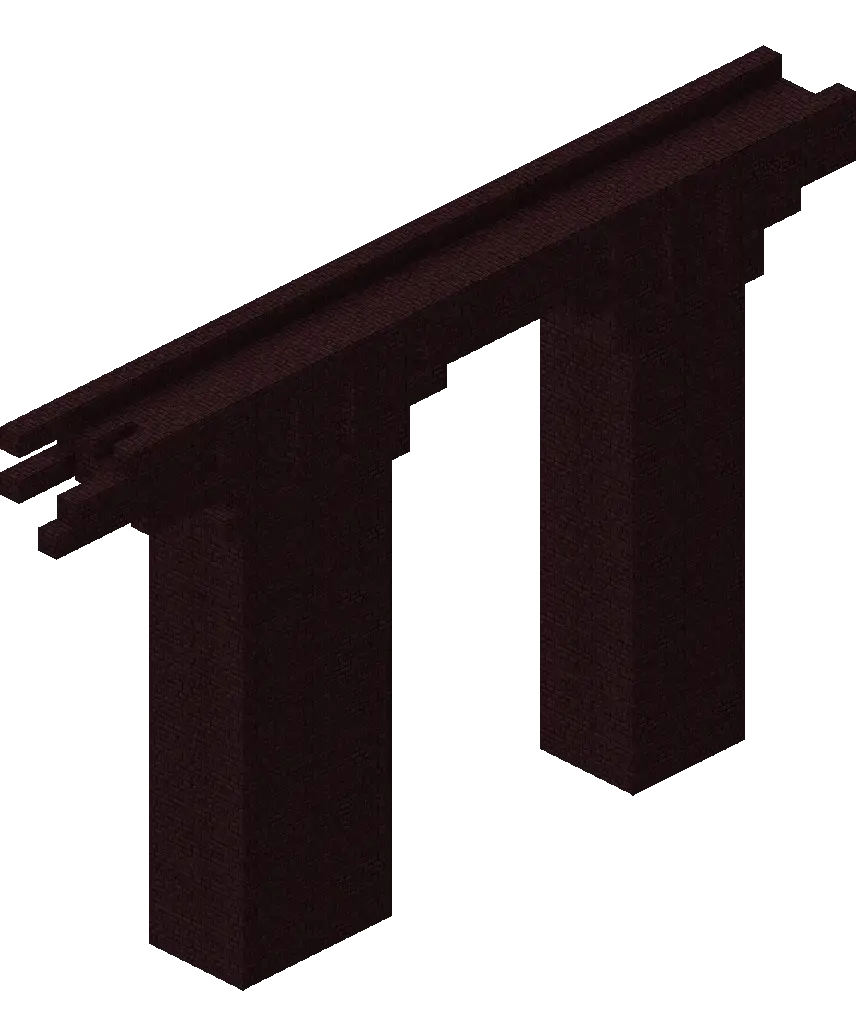
Blaze rods come from blazes, and blazes only spawn at blaze spawners inside a nether fortress. Find the fortress, find a blaze spawner, and kill blazes until you have enough rods. Each rod crafts into 2 blaze powder, and each eye of ender needs 1 blaze powder, so about six or seven rods covers a full set of eyes with margin. Fight blazes with your back to a wall so you don't get knocked into lava, and don't be shy about walling the spawner down to control how many attack at once.
Ender pearls are the coin-flip half of the run. In a survival game you'd get them from endermen, but speedrunners get them faster by bartering with piglins — throw gold at a piglin and it tosses back a random item, and ender pearls are on that loot table. Our piglin bartering guide covers the full table, but the run-relevant facts are simple: wear at least one piece of gold so piglins don't attack you, bring a stack of gold to trade, and you want roughly 12 to 16 pearls because you'll craft up to twelve eyes and lose a few thrown ones. Gold comes from a bastion remnant, which is loaded with gold blocks you can mine into ingots, or you bring gold from the Overworld.
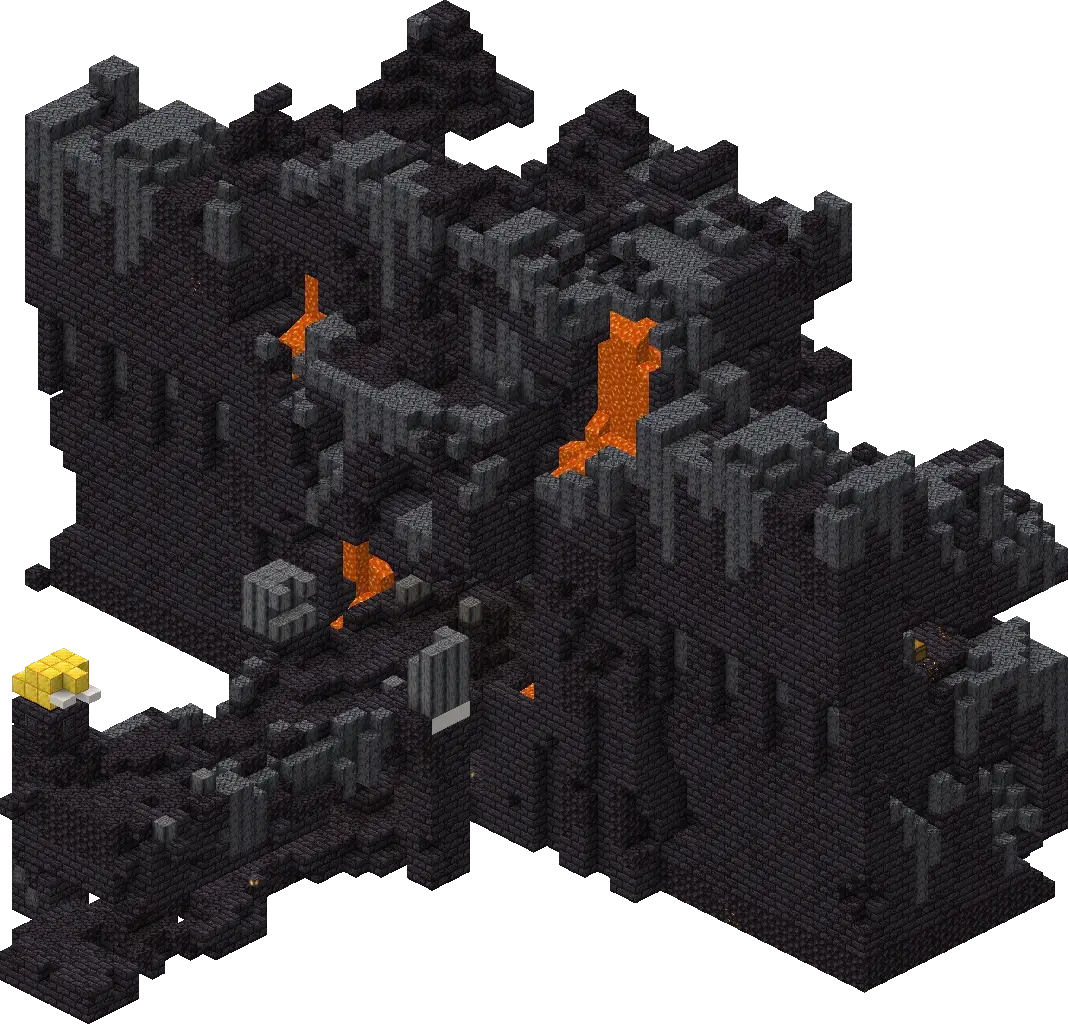
The dream Nether spawn puts a fortress and a bastion close together so you grab rods and gold in one loop. That's the kind of world you reset for.
Crafting eyes and finding the stronghold
Back in the Overworld (or right there in the Nether if you're crafting on the go), combine each blaze powder with an ender pearl to make an eye of ender. You need up to twelve to fill the End portal, but here's the mechanic that saves pearls: an End portal frame has twelve slots, and each one has about a 10% chance of already containing an eye when the stronghold generates. So on average you'll only need to place ten or eleven yourself — you never know the exact number until you're standing at the frame.
To find the stronghold, you throw eyes of ender. A thrown eye flies a short distance toward the nearest stronghold, then drops (and has roughly a 1-in-5 chance to shatter, which is why you bring extras). The technique is triangulation: throw an eye, watch which way it flies, sprint that direction, throw again, and where the two lines cross is your stronghold. On Java you can read your exact facing with F3 to make the lines precise, but even eyeballing it works. Dig down when the eyes stop flying forward and start dropping straight down — you're on top of the stronghold. Find the portal room, place your remaining eyes in the empty frames, and it activates.
The dragon: bed bombs and one-cycles
You arrive in the End with leather or iron armor and a stone sword, and that is completely fine, because you are not going to trade blows with the dragon. You're going to blow it up with beds.
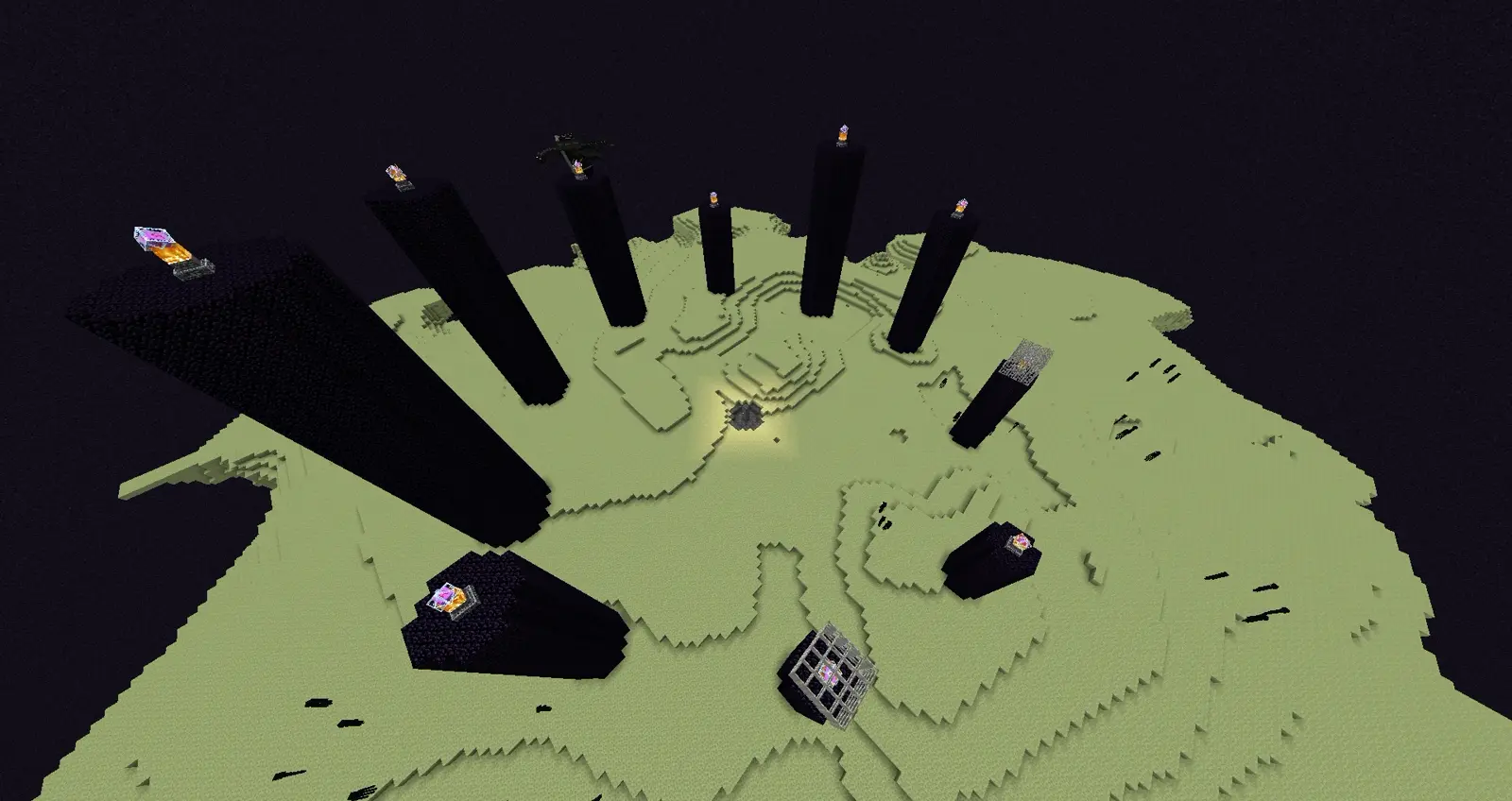
Beds explode when you use them in the Nether or the End — the same mechanic that kills careless players is the speedrunner's main weapon. The plan:
- Deal with the healing crystals first. Ten end crystals sit on top of the obsidian pillars and heal the dragon on sight. Snipe the exposed ones with anything (arrows, snowballs, a thrown item), and for the ones caged in iron bars, you'll need to climb the pillar and break them by hand. Every crystal you leave up is a crystal healing the dragon back.
- Bring beds — around seven. Stand near the central exit portal and wait for the dragon to perch, which it does periodically, landing on the portal to breathe. That's your window.
- Bed-bomb the perch. Place a bed, then use it while standing a block or two back behind cover — it detonates for massive damage. Repeat each time the dragon perches. A clean "one-cycle" kills it during a single perch sequence; most runners take two or three cycles while learning.
If you want the full mechanical breakdown of crystals, perching, and the dragon's phases, our how to beat the ender dragon guide goes deeper than a speedrun needs. When the health bar empties, the timer stops. That's the run.
Practice, resets, and the mental game
Nobody's first attempt is fast, and that's not the point. Speedrunning is a loop: reset a world, play until it goes wrong or ends, learn one thing, reset again. The runners who improve fastest treat every reset as free — a bad Nether spawn isn't a failure, it's a two-second decision to start over.
A few habits that actually move your times:
- Reset early and often in the Overworld. If iron and a Nether entry aren't quick, quit and reroll. Do not sink ten minutes into a doomed world out of stubbornness.
- Split your run mentally into legs — Overworld, Nether, stronghold, dragon — and time each. You'll find one leg is dragging your whole run, and that's what to drill.
- Learn one movement tech at a time. Sprint-jumping is faster than sprinting. Bridging while sneaking keeps you off ledges. Don't try to master everything at once.
Common run-enders (and how to dodge them)
The same handful of mistakes kill most attempts:
- Dying in the Nether with no armor. Ghasts and blazes punish greed. Keep a wall at your back and don't fight over lava.
- Not enough pearls or rods. Count as you go. Twelve-plus pearls, six-plus rods, or you'll be short at the portal and have to backtrack.
- Sleeping out of habit. Beds explode in the Nether and the End. The only time you place one is deliberately, from cover, as a weapon.
- Losing the stronghold throw. Running out of eyes mid-triangulation because too many shattered. Bring spares.
- Panicking at the dragon. Rushing the perch before crystals are down just feeds it health. Clear crystals, then be patient for the perch.
None of these are skill walls. They're prep-and-patience walls, and every one of them gets easier the tenth time you run the route.
Speedrun prep checklist
- Pick your category: RSG to learn, SSG to grind a memorized time
- Overworld: wood then stone tools, at least one iron bucket, flint and steel
- Fast Nether entry: water-bucket obsidian cast or a ruined portal
- Fortress: six or seven blaze rods (each makes 2 blaze powder)
- Gold from a bastion, then barter piglins for 12–16 ender pearls
- Craft up to twelve eyes of ender; remember frames may pre-fill about 10% of slots
- Triangulate the stronghold with thrown eyes; bring spares for shatters
- Around seven beds for the dragon; clear all ten crystals first
- Reset bad worlds early — a doomed Overworld isn't worth finishing
Frequently Asked Questions
What is the fastest way to speedrun Minecraft?
What is the difference between set seed and random seed speedruns?
How many ender pearls do I need for a speedrun?
How do you kill the ender dragon in a speedrun?
Do you need diamonds to speedrun Minecraft?
Why do speedrunners reset their worlds so often?
Can you speedrun Minecraft on Bedrock Edition?
Keep Reading
Related Guides
Minecraft Hardcore Mode Guide: How to Survive Permadeath
Hardcore mode locks you to Hard difficulty and gives you exactly one life. Die once and the world is over — you watch it as a ghost. Here is how the mode actually works, and the survival plan that gets you past the deaths that kill most runs.
Minecraft XP Guide: Fastest Ways to Level Up
XP is not points — it is the currency that runs your whole late game: enchanting, anvils, and Mending gear that repairs itself. Here are the fastest XP sources actually worth your time, ranked, with the real values.
Minecraft Beacon Guide: How to Build and Power One
A beacon is the closest Minecraft gets to a permanent buff station — stand near one and you get Haste, Speed, or Resistance for free, forever. The catch is everything in front of it: kill the Wither for a nether star, then stack up to 164 mineral blocks into a pyramid. Here is the whole build, tier by tier.
Minecraft Mining Guide: Best Levels for Every Ore
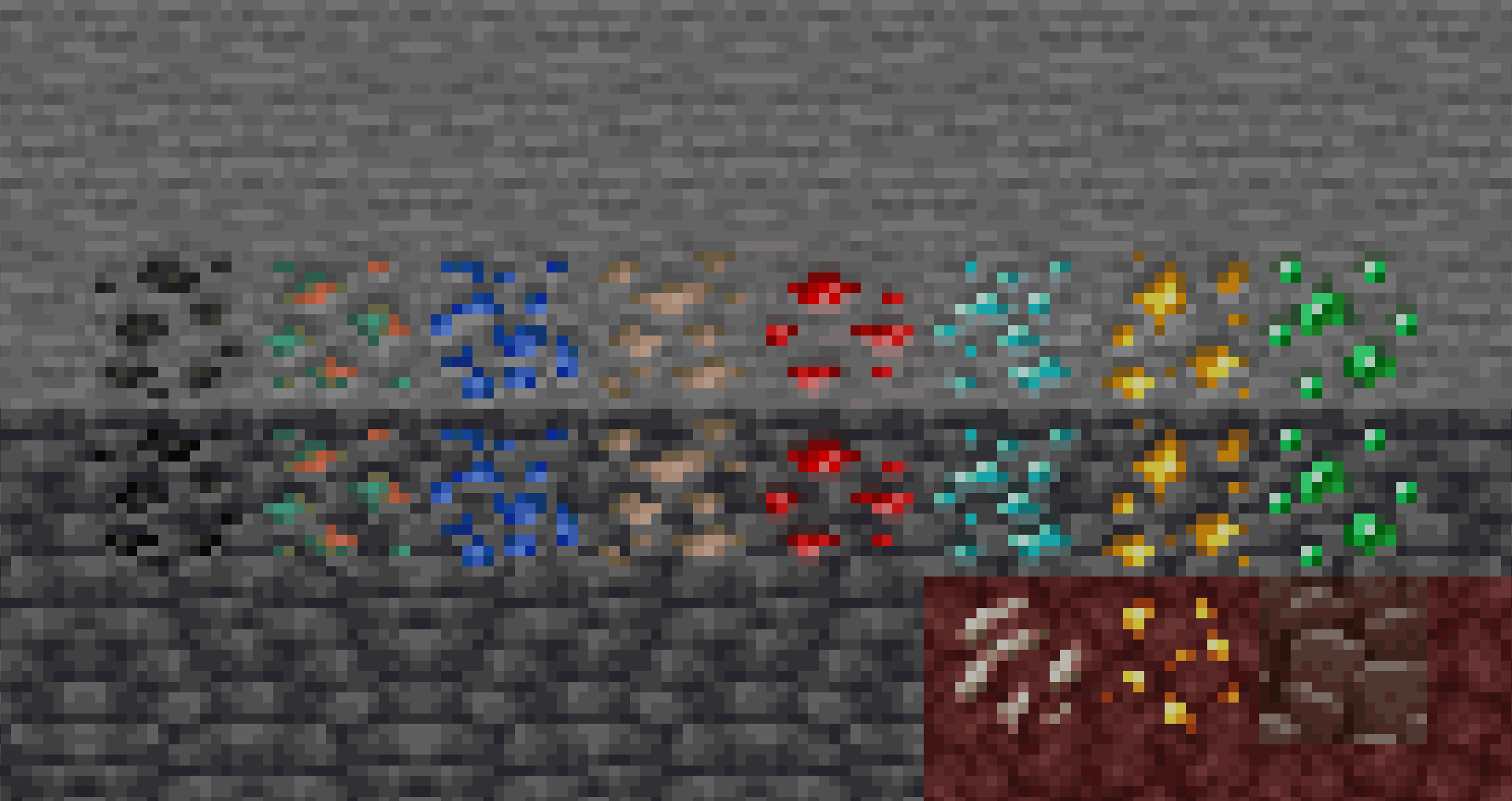
Since the 1.18 world overhaul, every ore lives in a known altitude band — and most are densest at a specific Y level you can stand on. Diamond at -59, gold at -16, copper at 48, iron at two separate peaks. Here is the exact level for every ore, plus which mining pattern and gear actually pays off.
Minecraft Survival Guide for Beginners: Your First Days
You have about ten minutes of daylight before the sun sets and the world tries to kill you. Here is exactly what to do with them — punch a tree, build a tool chain, and get a roof over your head before the zombies arrive.
Best Minecraft Enchantments, Ranked — The Ones Worth Your XP
Mending is the enchantment that ends the grind — gear that repairs itself forever. Everything else is a fight over your XP and anvil uses. Here is what actually earns a slot, ranked, with the real max levels.