Minecraft XP Guide: Fastest Ways to Level Up
XP is not points — it is the currency that runs your whole late game: enchanting, anvils, and Mending gear that repairs itself. Here are the fastest XP sources actually worth your time, ranked, with the real values.
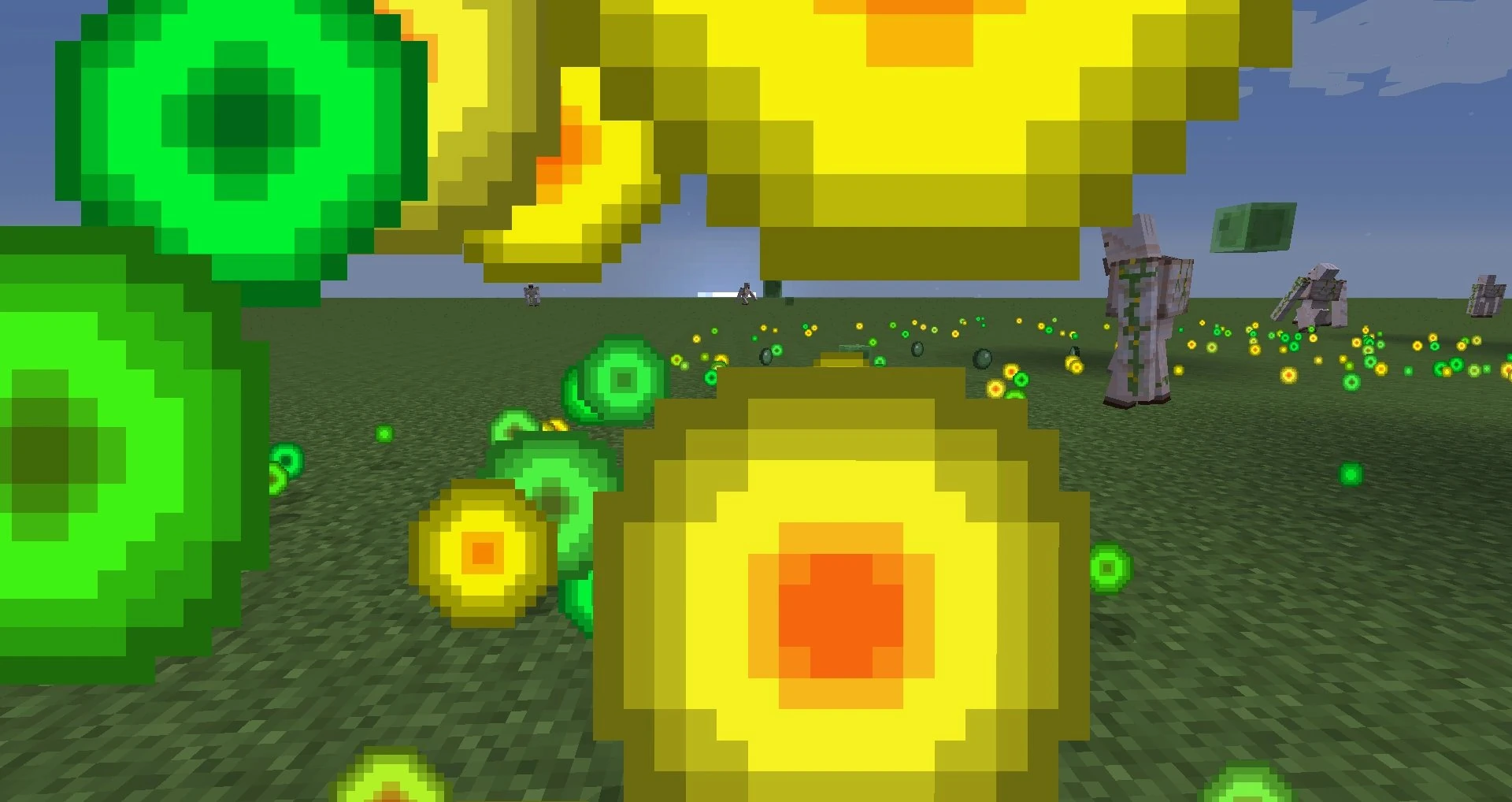
Experience in Minecraft is not a score. It is the only currency that runs your entire mid-to-late game, and once you treat it that way, the whole "how do I level up fast" question changes shape. You do not want a high number — you want a steady firehose of green orbs feeding an enchanting table, an anvil, and a chest full of Mending gear. That is the actual goal, and almost every "fastest XP" video skips it.
So this guide does two jobs. First, what XP is genuinely for, because it changes which sources are worth building. Then a ranking of the real XP sources by how fast they fill the bar in practice, with values checked against the Minecraft Wiki — because a lot of the numbers floating around (especially for smelting) are flat wrong.
What XP is actually for
Three things consume experience, and you will spend most of your XP on the first and third:
- Enchanting. The enchanting table charges XP levels per roll, up to 30 levels for the strongest enchantments. You need 15 bookshelves around the table to unlock that level-30 tier. This is the obvious sink, but it is the smallest one over a world's lifetime.
- The anvil. Combining enchanted books onto gear, merging two enchanted items, or renaming things all cost levels. Anvils also get more expensive every time you repair the same item ("Too Expensive!"), which is exactly why the third sink matters so much.
- Mending. This is the real reason you farm XP forever. Mending repairs any worn or held tool, weapon, or armor piece using the experience orbs you pick up — so a maxed netherite kit never breaks again as long as you keep gaining XP. Mending gear turns "leveling up" into "keeping my gear alive," and that is a permanent demand.
The takeaway: you do not stop needing XP after your first set of enchants. You need a renewable, low-effort source you can stand in whenever your tools chip. That bias — toward repeatable income, not one-time payouts — is what makes the ranking below look the way it does.
How XP and levels work
The XP bar is the green strip above your hotbar; the number is your level. Levels are not evenly priced. Early levels cost almost nothing, but the cost per level climbs steeply: getting from level 0 to 16 is cheap, while pushing from level 30 to 31 takes a real chunk of orbs. That curve is why "get to level 30 for a good enchant" is a reasonable target and "grind to level 100" is a waste — you are paying exponentially more for each level past 30.
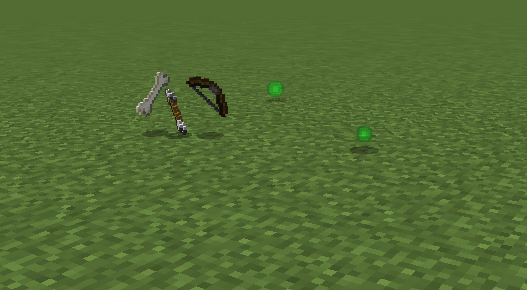
Orbs themselves come in sizes; bigger sources drop bigger orbs, but it all funnels into the same bar. When you die you drop most of your XP on the ground as orbs (you keep a small fraction), and you have a short window to run back and grab them before they despawn — another reason a fixed, safe farm location beats grinding in dangerous places.
The fastest XP sources, ranked
Here is the honest ranking, weighing how fast each source fills the bar against how much setup it costs and whether it is renewable. Numbers below are per-action XP from the wiki.
| Rank | Source | Roughly | Renewable? | Verdict |
|---|---|---|---|---|
| 1 | Mob / spawner farm | 5+ XP per hostile mob, constant | Yes | The leveling engine. Build one |
| 2 | Ore mining | 3–7 per diamond/emerald, 1–5 redstone | No (finite) | Great while you mine, not a farm |
| 3 | Breeding animals | 1–7 per breed | Yes | Underrated passive trickle |
| 4 | Trading | 3–6+ per successful trade | Yes | Scales hard with a trading hall |
| 5 | Smelting | ~1 per gold/diamond ore, 0.7 iron | Yes | Slow, but free with any furnace |
| 6 | Raids | Big lump per raider wave | Semi | Bursty, not a steady source |
The single boss exception: the Ender Dragon drops 12,000 XP the first time you kill it (about 68 levels in one go) and 500 on every respawn. It is the biggest single payout in the game, but it is a fight, not a farm — useful once, not a leveling strategy.
1. Mob and spawner farms
This is number one for a reason: it is the only source that delivers a continuous stream of XP while you stand still. Most hostile mobs drop 5 experience on death plus a little more if they were holding equipment. That sounds small, but a working farm kills dozens per minute, and it never runs out.
Two flavors:
- Mob-grinder (dark drop tower). Mobs spawn in a dark space, get funneled down a drop chute that leaves them at near-death, and you finish them with one hit. The one-hit finish is what gives you the XP (and the drops). This is the all-purpose XP engine.
- Spawner farm. If you find a dungeon with a zombie or skeleton spawner, box it in, light a path that floods mobs into a kill chamber, and you have a compact, high-rate XP source with almost no build cost. Spawners cap their rate, but they are dead simple and fast to set up.
For full build priorities — including which farm to build first and how the drop-chute timing works — see our guide to the best Minecraft farms to build first. If you want the XP source that also stocks your chests with gunpowder, bones, and string, a general mob farm is the answer.
2. Ore mining
Mining is the best XP you will get organically, because you are doing it anyway. Diamond and emerald ore drop 3–7 XP each, redstone 1–5, lapis and nether quartz 2–5, coal 0–2, and nether gold 0–1. A good strip-mining session at deepslate level quietly racks up a couple of levels on top of the loot.
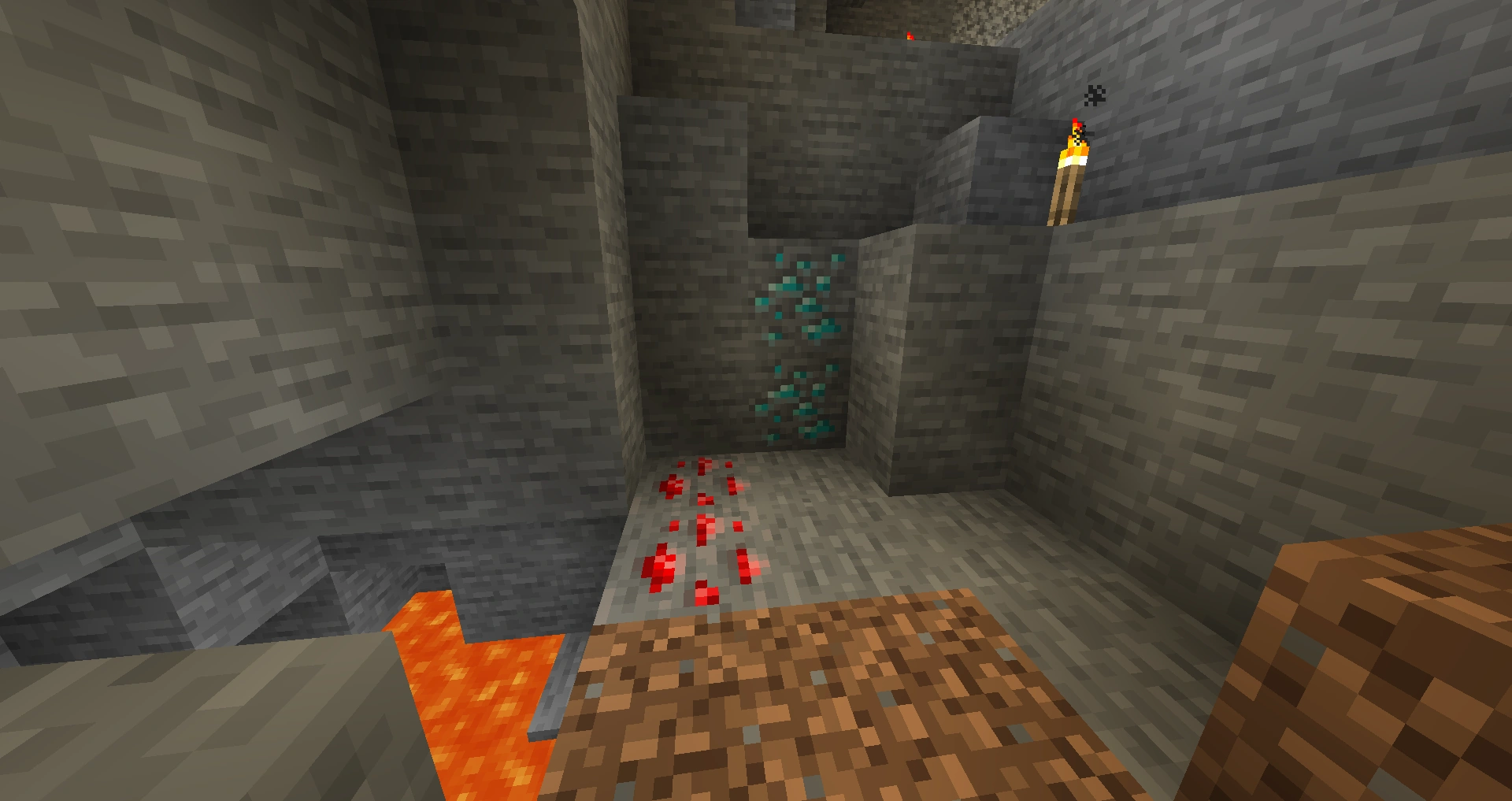
The catch is the word "organically." Ore is finite and non-renewable, so you cannot farm it the way you farm mobs. Treat ore XP as a free bonus on top of mining trips, not as a leveling plan — and note that if you mine with a Silk Touch pickaxe, the ore block drops itself and gives no XP until you smelt it.
3. Furnace and smelting XP
Here is the myth-buster. Smelting does give XP, but it is small, and the internet routinely overstates it. The wiki values: smelting a gold, diamond, or emerald ore gives 1 XP each, iron or redstone ore about 0.7, and lapis or nether quartz a measly 0.2. Ancient debris is the standout at 2 XP per smelt.
XP from a furnace is stored in the furnace and released when you collect the output — empty a furnace that smelted a few stacks and you get a satisfying pop of orbs. The trick people love is cactus (1 XP per cactus on Java, 0.2 on Bedrock), because a cactus farm is fully automatic and fuel-cheap, so the XP is genuinely free even if it is slow. As a primary source, though, smelting is near the bottom: it is supplementary income, not a leveling engine.
4. Breeding animals
Breeding is the most underrated passive XP in the game. Every successful breed grants 1–7 experience, and if you have a chicken, cow, or sheep pen, you can breed a fresh batch every few minutes (animals have a five-minute breeding cooldown). It stacks naturally with food and resource farming you are already doing.
It will never out-rate a mob farm, but for early-game players who do not have a grinder built yet, a pen of animals and a stack of wheat or seeds is a real, safe trickle of levels — and it feeds you at the same time. See our taming and breeding guide for which animals breed fastest and what each one eats.
5. Trading with villagers
Trading scales harder than almost anything else once you commit to it. Every successful villager trade drops a few XP orbs, and the value climbs with higher-tier trades. A proper trading hall — rows of profession villagers you cycle through — turns emeralds into a steady XP stream on top of the actual goods.
The real reason to build a trading hall is the gear, not the XP: a leveled librarian sells you Mending books on demand, which is the cleanest way to get the enchantment that consumes all that XP in the first place. The XP is gravy. Our villager trading guide walks through workstations, locking trades, and the librarian-Mending loop.
6. Raids and boss fights
Raids dump a big lump of XP, but in bursts. Each raider you kill across the waves gives experience, and clearing a full raid (especially on higher difficulty after drinking the Bad Omen / Raid Omen effect) hands you a sizable chunk plus loot. The problem is it is not steady — you cannot stand in a raid for an hour the way you can a mob farm — and it is genuinely dangerous.
The Ender Dragon and Wither are the boss outliers. The dragon's first-kill 12,000 XP is the single biggest payout in the game, but again: one-time, fight-not-farm. Use bosses and raids as XP events, not your baseline.
The fastest practical setup
If you want the actual fastest route to "never worry about XP again," here is the build order most experienced players land on:
- Early game: a fenced animal pen plus your normal mining trips. Breeding + ore XP gets you to your first enchanting table comfortably.
- Mid game: build a general mob farm or box in a spawner. This is the inflection point — once it is running, XP stops being something you grind and becomes something you collect. Stand in the kill chamber for two minutes whenever your Mending gear chips.
- Late game: add a trading hall for the librarian Mending books (and the steady trade XP), and keep the mob farm as your top-up station.
That is the whole system: a mob farm for the firehose, Mending gear so the XP actually does something permanent, and a trading hall to source the Mending books and bonus levels. Everything else — smelting, raids, the dragon — is bonus income on top.
Java vs Bedrock XP notes
The fundamentals are identical across editions, but a few details differ:
- Cactus smelting XP is five times higher on Java. The wiki's smelting table gives cactus 1 XP on Java (tracked as bug MC-210211, "gives too much experience since 1.13") and 0.2 on Bedrock, so an auto-cactus-XP farm still works on Bedrock, just at a fifth of the rate.
- Mob farm rates differ. Spawn mechanics and mob caps are tuned slightly differently between editions, so the same farm design can out-perform on one edition versus the other. Build and test in your own world.
- XP orb pickup and the death-drop window behave the same on both, including the steep cost-per-level curve past level 30. In Hardcore the window never matters, because there is no respawn to come back for it.
- Mending works identically on both editions — it repairs worn or held gear from any XP you collect.
Quick Action Checklist
- Remember XP's real job: enchanting, anvils, and Mending gear that never breaks
- Aim for level 30 for top enchants — grinding past it costs exponentially more
- Early game: breed animals (1–7 XP each) and bank ore XP while mining
- Mid game: build a mob farm or box in a dungeon spawner — your XP engine
- Put Mending on your main gear so collected XP keeps it alive forever
- Late game: build a trading hall for Mending books + steady trade XP
- Treat smelting, raids, and the Ender Dragon as bonus XP, not a plan
- Don't mine ore with Silk Touch if you want the mining XP — smelt for it later
Frequently Asked Questions
What is the fastest way to get XP in Minecraft?
What is XP actually used for in Minecraft?
How much XP does smelting give in Minecraft?
How much XP do you get for breeding animals?
Why do levels get harder to gain past level 30?
Does mining ore with Silk Touch still give XP?
Keep Reading
Related Guides
Minecraft Speedrun Guide: The Any% Route to the Ender Dragon
Speedrunning Minecraft is a race from an empty spawn to a dead dragon in under ten minutes. Here is the actual route the world's fastest players run — wood to Nether to stronghold to bed bombs — and where beginners lose the run.
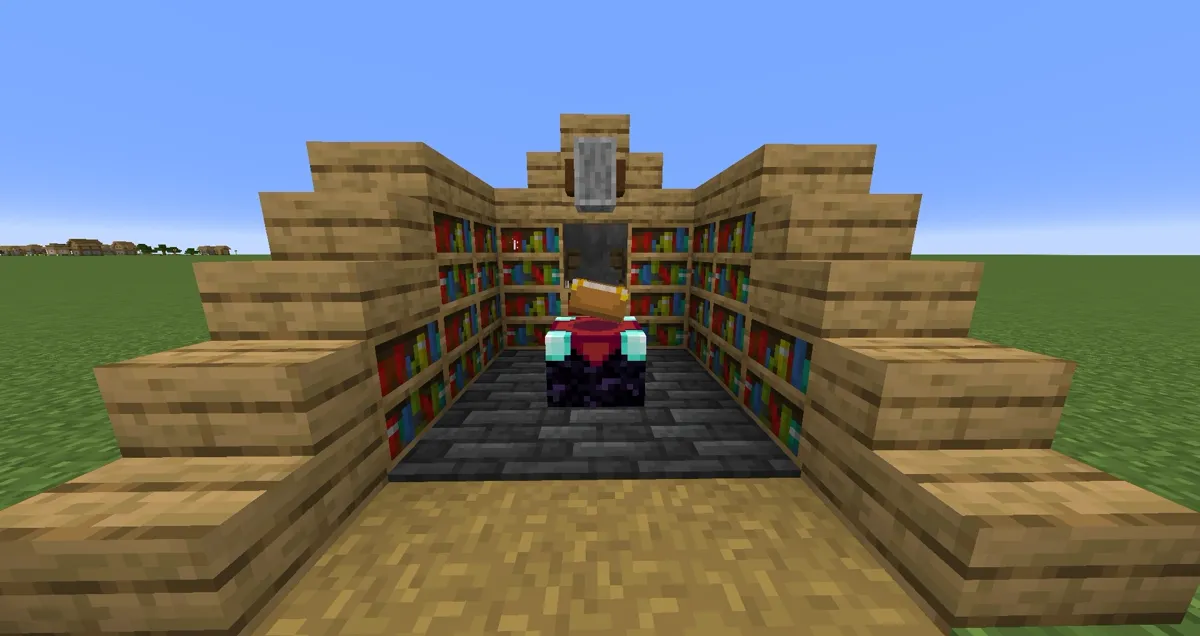
Minecraft Enchanting Setup Guide: Build a Level 30 Room
Most enchanting rooms are built wrong. Here is the exact bookshelf geometry for level 30, what the three offers actually cost you, why you should enchant books instead of gear, and how to stop hitting Too Expensive on the anvil.
Minecraft Hardcore Mode Guide: How to Survive Permadeath
Hardcore mode locks you to Hard difficulty and gives you exactly one life. Die once and the world is over — you watch it as a ghost. Here is how the mode actually works, and the survival plan that gets you past the deaths that kill most runs.
Minecraft Anvil & Repairing Guide: Beat "Too Expensive!"
The anvil is the most misunderstood block in Minecraft. Half of players burn levels in the wrong order and then watch their netherite sword hit "Too Expensive!" forever. Here is exactly how repairing, combining, and the prior-work penalty work — and the order of operations that keeps your gear fixable.
Minecraft Survival Guide for Beginners: Your First Days
You have about ten minutes of daylight before the sun sets and the world tries to kill you. Here is exactly what to do with them — punch a tree, build a tool chain, and get a roof over your head before the zombies arrive.
Best Minecraft Enchantments, Ranked — The Ones Worth Your XP
Mending is the enchantment that ends the grind — gear that repairs itself forever. Everything else is a fight over your XP and anvil uses. Here is what actually earns a slot, ranked, with the real max levels.