Minecraft Nether Guide: How to Survive and Thrive
The Nether is where Minecraft stops holding your hand. It is also where the best gear in the game lives. Here is exactly how to prep, which biome wants you dead, where blaze rods and netherite actually come from, and how to walk back out with your loot.
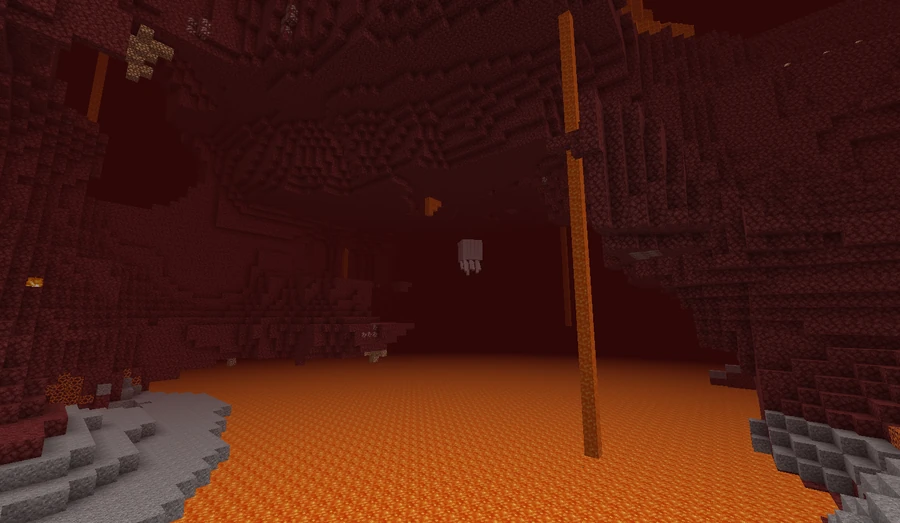
The Nether is where Minecraft stops being a relaxing block-stacking sim and starts trying to kill you in five different ways at once. Lava everywhere, no water to put out fires, mobs that shoot fireballs from across the map, and a fall radius that ends in a lava ocean instead of a bruise. It is also where the single best armor material in the game lives, where blaze rods come from (which you need to ever reach the End), and where you go from "decent diamond setup" to "geared for everything."
So you have to go. The good news: the Nether punishes panic and rewards prep. Show up with the right kit and a plan for each biome and it is completely manageable. Show up in diamond armor with no fire resistance and a stack of arrows, and you will donate your inventory to a lava lake. Here is the full run — what to pack, what each biome does to you, where the loot actually is, and how to get home.
Why the Nether is worth the trip
Two things you cannot get anywhere else:
- Blaze rods. They drop only from blazes, which only spawn in nether fortresses. You grind blaze rods into blaze powder, which you need for Eyes of Ender (to find the stronghold) and for brewing every potion. No blaze rods, no End, no potions. Full stop.
- Netherite. The upgrade above diamond. Netherite gear has more durability, doesn't burn in lava, and gives you knockback resistance. It comes from ancient debris, which only generates in the Nether. This is the endgame armor and tool material.
You also pick up glowstone, quartz, soul sand (for water elevators and wither summoning), and the best fast-travel trick in the game: the Nether is roughly 8x compressed compared to the Overworld. Walk 1 block in the Nether and you move 8 blocks back home. Players build Nether highways to teleport across their whole map. That alone makes it worth learning.
Pack this before you light the portal
Do not improvise this. The Nether has no margin for "I'll grab that later."
Armor and weapons:
- Full diamond armor, ideally with Protection. Netherite is better if you somehow already have it, but you are probably here to get it.
- A good sword (Sharpness diamond) and a bow or crossbow with a stack-plus of arrows for ghasts and skeletons.
- A shield. It blocks ghast fireballs and blaze fireballs. Hugely underrated in the Nether.
Survival kit:
- Fire Resistance potions — the single most important item. They make lava and blaze fireballs do nothing for the duration. Bring several. If you can only brew one type of potion before going, brew these.
- Gold boots or any gold armor piece so piglins don't immediately try to kill you (more on that below).
- A stack-plus of cobblestone or blackstone for bridging over lava and walling off ghasts. Avoid using sand or gravel near lava — they fall.
- Food, golden carrots or steak, plenty.
- A flint and steel and spare obsidian in case a ghast fireball destroys your portal and you need to rebuild it.
- Do NOT bring a bed. Beds explode in the Nether. People die to this constantly.
Building the portal: A Nether portal needs an obsidian frame, minimum 10 obsidian (4x5 with corners optional), lit with flint and steel. You can build the obsidian frame without a diamond pickaxe by pouring water over lava in a mold — the classic no-diamond Nether entry — but you need a diamond pickaxe to mine obsidian normally. Where the portal comes out on the other side is arithmetic, not luck — the portal linking guide has the 1:8 maths.
The five biomes and what each one does to you
The Nether is not one place. It's five biomes, and each has its own threat profile.
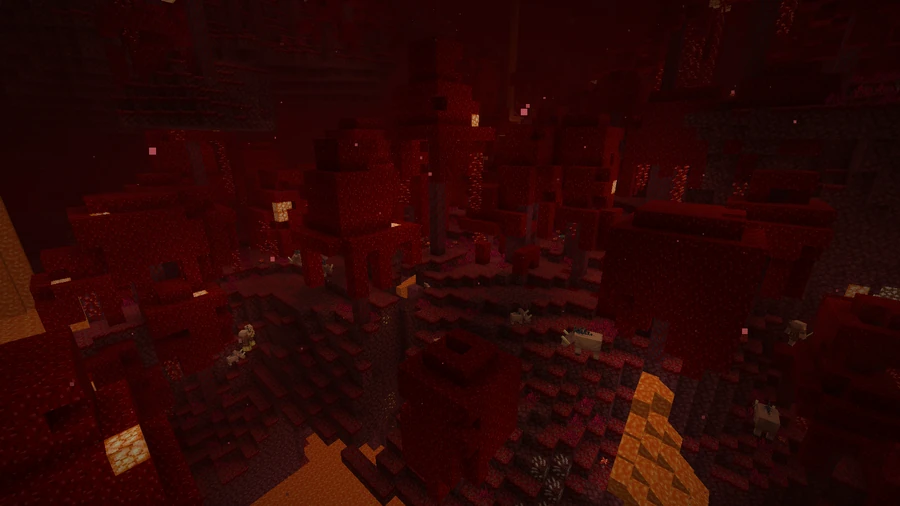
- Nether Wastes — the classic red netherrack desert. Spawns ghasts (floating jellyfish that lob explosive fireballs), zombified piglins (neutral unless you hit one, then the whole mob swarms you), magma cubes, and the occasional skeleton. This is the "default" Nether and the most common biome.
- Crimson Forest — red, fungus-covered, foggy. Home to hoglins (aggressive boar-like mobs that hit hard and knock you back, often off ledges) and piglins (the gold-obsessed ones you can barter with). Surprisingly dangerous because hoglins shove you around.
- Warped Forest — blue-teal, eerie, and the safest biome in the Nether. Almost nothing hostile spawns here except endermen. If you find a warped forest, it's a good place to set up a base.
- Soul Sand Valley — open, blue-flamed, littered with bones and fossils. Spawns skeletons in huge numbers plus ghasts, and the open sightlines mean you get shot from every direction. Soul sand also slows you to a crawl. Nasty to cross.
- Basalt Deltas — jagged black basalt and lava, the most chaotic terrain in the game. Tons of magma cubes, lava pockets everywhere, and broken footing that makes you fall into lava. It is also one of the best biomes to mine ancient debris because of the exposed lava and open lava-adjacent stone — but it is a death trap if you're careless.
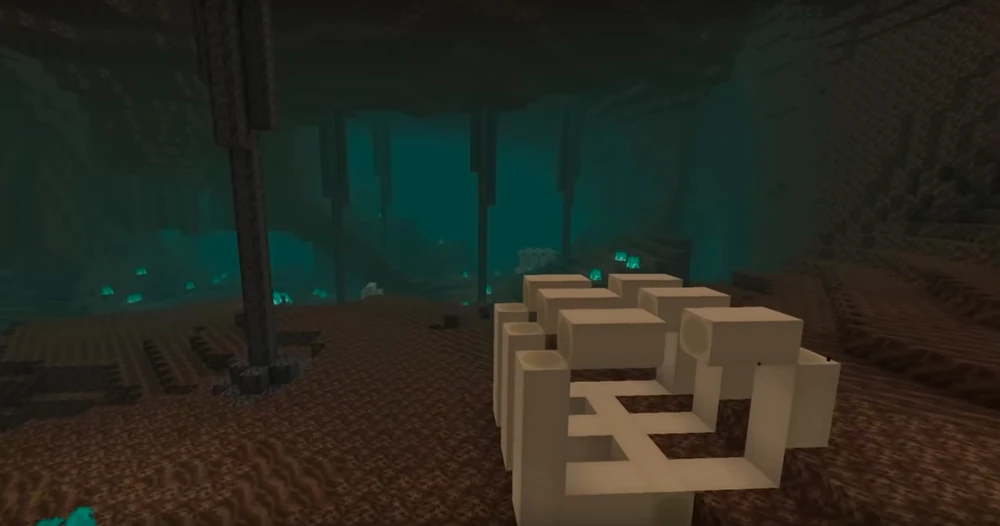
The practical takeaway: warped forest is your friend, soul sand valley wants you dead from range, basalt deltas wants you dead by terrain, and crimson/wastes are the middle ground where most of your bartering and fighting happens.
Piglins, gold armor, and bartering
Piglins are the gold-obsessed humanoids in crimson forests and bastions, and they have one rule that will save your life: wear at least one piece of gold armor and they leave you alone. A pair of golden boots is enough. Walk in without gold and adult piglins attack on sight.
The reason you care about piglins is bartering. Drop or right-click a gold ingot toward a piglin and it'll examine it, then toss back a random item. The barter loot table includes genuinely useful stuff:
- Fire Resistance potions (yes, you can barter for the exact thing that keeps you alive)
- Ender pearls (huge — saves you killing endermen)
- Obsidian and crying obsidian
- Soul speed boots, enchanted items, string, gravel, leather, and a lot of filler
Bartering is a slot machine, but over a stack of gold you'll pull real value. A few rules that trip people up:
- Don't open a chest in a bastion in front of piglins — looting their treasure aggros every piglin in range, gold armor or not.
- Don't attack a piglin or a baby piglin near others — same swarm response as zombified piglins.
- Hoglins are piglins' enemy and food source. Piglins hunt hoglins, which is why you'll sometimes see them fighting.
Fortress vs bastion: know the difference
This is the part most guides blur, and it matters because they contain completely different things.
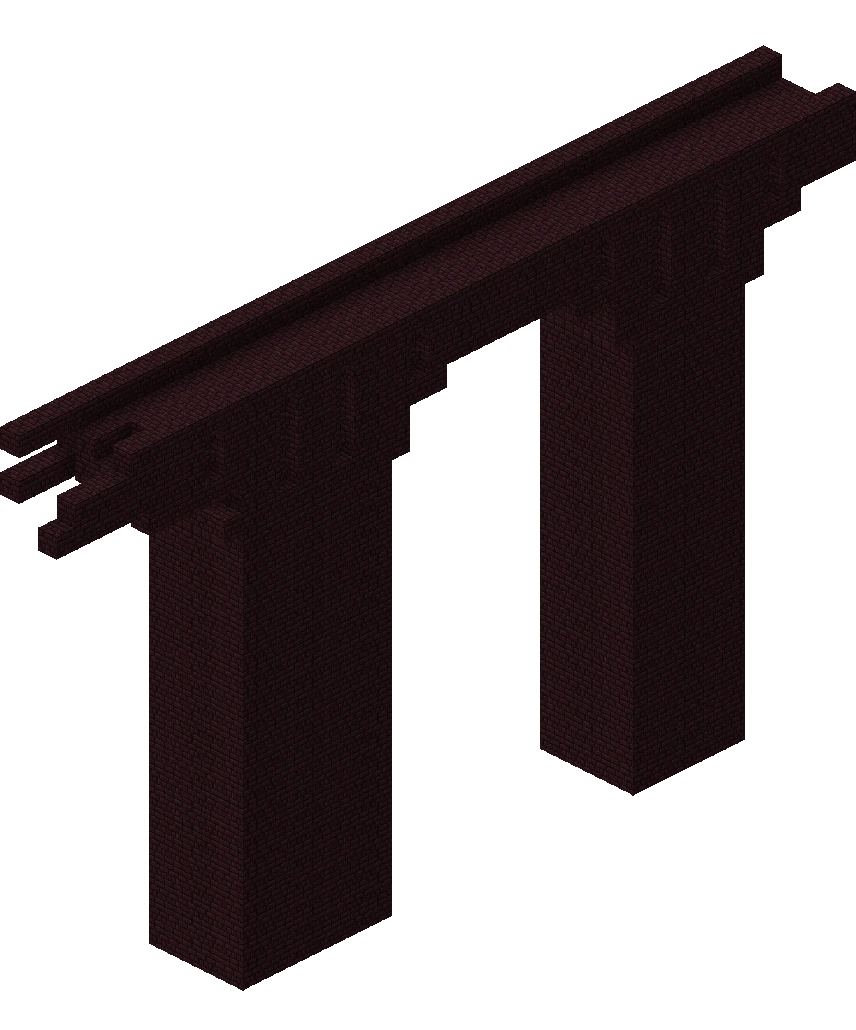
Nether Fortress — the older structure: dark nether-brick bridges, corridors, and towers, often spanning across lava oceans. Fortresses are the only place blazes spawn, via blaze spawners in the interior. They also have wither skeletons (which drop the skulls you need to summon the Wither) and nether wart growing in stairwell soul-sand gardens. If you need blaze rods or wither skeleton skulls, you need a fortress.
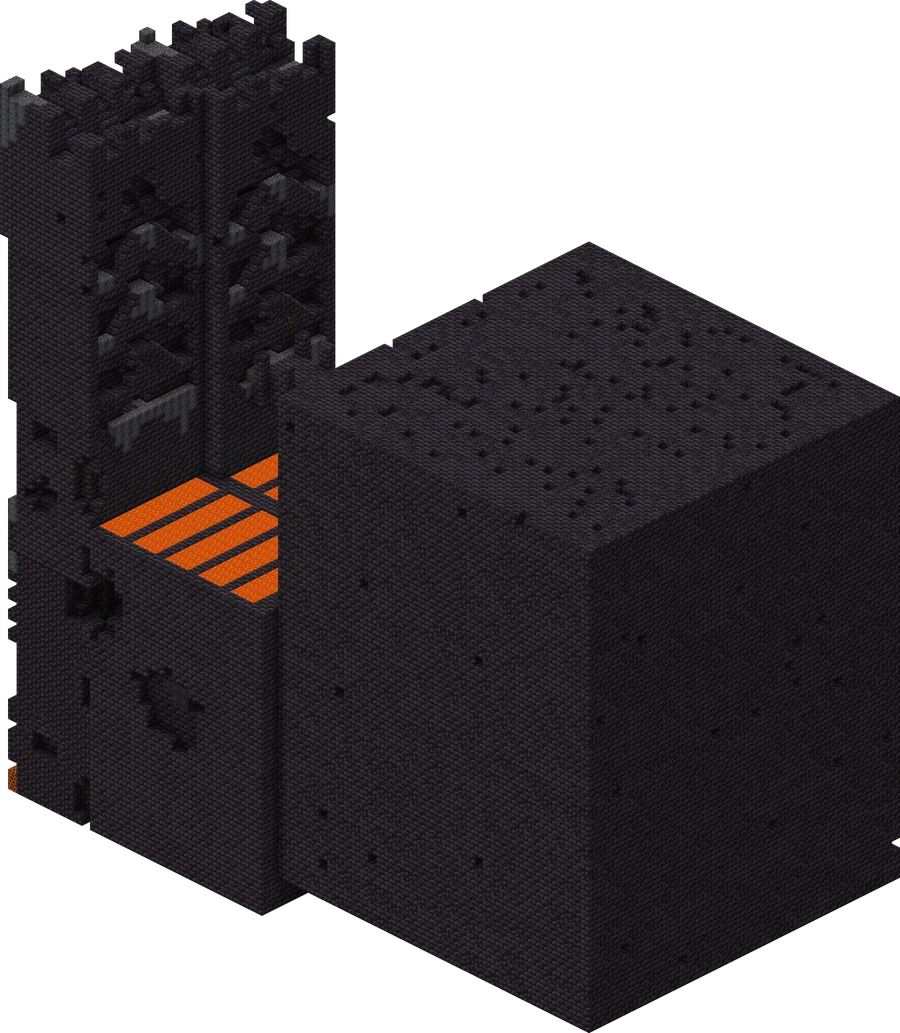
Bastion Remnant — the newer structure: huge blackstone fortresses crawling with piglins, hoglins, and (in some wings) the magma-cube version called a piglin brute that ignores your gold armor and attacks regardless. Bastions hold the best loot chests in the Nether — including netherite ingots, enchanted gear, gold blocks, and ancient debris — but the chests are guarded, and opening one or mining a gold block aggros the piglins. The four bastion types (bridge, housing units, hoglin stables, treasure room) each have a different chest layout; the treasure room is the jackpot and the most dangerous.
Short version: fortress = blaze rods + wither skulls. Bastion = loot chests + netherite + brutes. You generally want to visit both.
Getting blaze rods (the fortress job)
Once you're inside a fortress, find a blaze spawner — a cage like a mob spawner with little fire-rod blazes circling it. Blazes float, shoot three fireballs in a burst, and set you on fire.
How to farm them without dying:
- Approach with a shield up and Fire Resistance active if you have it — it cancels the fireball damage entirely.
- Snowballs do double damage to blazes and are a great ranged option if you brought them; otherwise use your bow between their fireball volleys, or rush them with a Sharpness sword.
- Build a small barrier around the spawner so you control how many come at once, then farm. Blazes drop blaze rods about half the time they die.
- Grab 8–12 blaze rods minimum. Each rod makes 2 blaze powder; you need powder for Eyes of Ender and for the base of every potion. More is always better.
This single fortress visit is the gate to the End and to your entire potion supply, so don't leave with two rods and call it good.
Mining netherite, the real prize
Netherite is the endgame, and it does not drop as ingots from the ground. You mine ancient debris, smelt it into netherite scrap, and combine scrap with gold to make netherite ingots, then upgrade diamond gear into netherite gear at a smithing table (you also need a netherite upgrade smithing template from a bastion).
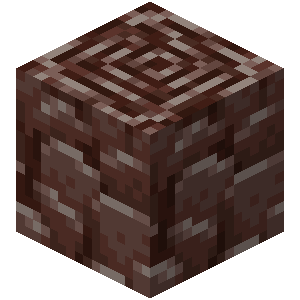
The mining facts that matter:
- You need a diamond or netherite pickaxe to mine ancient debris — iron won't break it.
- Best Y level is around Y 15, with the wider sweet spot roughly Y 8 to Y 22. Ancient debris is rare and scattered, never exposed to open air or lava (it always has a block between it and any cave/lava), so you have to dig for it.
- It's blast-resistant, which is why the fastest method is bed mining or TNT mining: you blow up a layer of netherrack at Y 15 and the ancient debris survives the explosion while everything around it vaporizes. Beds explode in the Nether — that's the danger everywhere else, but here it's the tool. Dig a 1-tall tunnel, place a bed, hit it from two blocks away behind cover, repeat.
- Bartering and bastion chests also drop netherite scrap and ingots, so a bastion run supplements your mining.
Realistically you need 4 netherite ingots for a full armor set (one per piece) plus more for tools, and each ingot takes 4 scrap, and each scrap is one ancient debris — so a full netherite kit is a serious mining commitment. Pace yourself; you don't need it all in one trip.
How to not die, and how to get home
The Nether kills you in predictable ways. Avoid these:
- Ghast fireballs knocking you into lava. Block them with a shield, or punch/hit the fireball back at the ghast to one-shot it. Never fight a ghast with a lava ocean at your back.
- Hoglin knockback off ledges. They shove you. Fight them with a wall behind you, or plant warped fungus (they're scared of it) to keep them away.
- Bridging carelessly over lava. Sneak (hold shift) while placing blocks at an edge so you don't walk off. One misstep into lava with no Fire Resistance is a full inventory gone.
- Forgetting your portal location. A ghast fireball can break a portal block and snuff it out. Note your portal coordinates (F3 on Java), and carry flint and steel plus a couple of obsidian to relight or repair it.
- Sleeping. Again: beds explode here. The only time you place a bed is to mine ancient debris, deliberately, from cover.
To get home, walk back to your portal and step through. If you got lost, your portal coordinates divided/multiplied by 8 line up with the Overworld — but the simplest insurance is to note the coordinates the moment you arrive and build an obvious landmark (a tower of glowstone or cobble) so you can find the portal again from a distance.
Java vs Bedrock notes
The Nether is largely identical across editions, with a few differences worth knowing:
- Bartering loot tables differ slightly between Java and Bedrock — the broad strokes (Fire Resistance, ender pearls, obsidian) are the same, but exact drop rates and a few items vary.
- Piglin brute mechanics and bastion generation are the same on both, but mob pathing and aggro radius can feel a little different.
- Ancient debris distribution (peak around Y 15) is the same on both editions; bed-mining works on both.
- Coordinates display is F3 on Java; on Bedrock, enable "Show Coordinates" in world settings.
- Ghast fireball deflection (hitting the fireball back) works on both, but the timing window feels tighter on Java's attack cooldown.
Nether trip checklist
- Full diamond armor (Protection if possible), Sharpness sword, bow + a stack of arrows
- A shield (blocks ghast and blaze fireballs)
- Several Fire Resistance potions — the most important item you bring
- At least one piece of gold armor so piglins ignore you
- A stack-plus of cobblestone/blackstone for bridging; never sand near lava
- Food, flint and steel, and 2+ spare obsidian to repair your portal
- NO bed in your hotbar by accident — beds explode here
- Find a fortress for blaze rods (grab 8–12) and wither skulls
- Find a bastion for loot chests, netherite, and the smithing template (watch for brutes)
- Mine ancient debris around Y 15 with a diamond+ pickaxe; bed/TNT mine for speed
- Note your portal coordinates and build a landmark before you wander off
Frequently Asked Questions
What do I need to bring to the Nether?
How do I find a nether fortress?
What is the difference between a fortress and a bastion?
What Y level is best for mining netherite?
How do I stop piglins from attacking me?
How do I get blaze rods?
Keep Reading
Related Guides
Minecraft Speedrun Guide: The Any% Route to the Ender Dragon
Speedrunning Minecraft is a race from an empty spawn to a dead dragon in under ten minutes. Here is the actual route the world's fastest players run — wood to Nether to stronghold to bed bombs — and where beginners lose the run.
Minecraft Hardcore Mode Guide: How to Survive Permadeath
Hardcore mode locks you to Hard difficulty and gives you exactly one life. Die once and the world is over — you watch it as a ghost. Here is how the mode actually works, and the survival plan that gets you past the deaths that kill most runs.
Minecraft XP Guide: Fastest Ways to Level Up
XP is not points — it is the currency that runs your whole late game: enchanting, anvils, and Mending gear that repairs itself. Here are the fastest XP sources actually worth your time, ranked, with the real values.
Minecraft Beacon Guide: How to Build and Power One
A beacon is the closest Minecraft gets to a permanent buff station — stand near one and you get Haste, Speed, or Resistance for free, forever. The catch is everything in front of it: kill the Wither for a nether star, then stack up to 164 mineral blocks into a pyramid. Here is the whole build, tier by tier.
Minecraft Survival Guide for Beginners: Your First Days
You have about ten minutes of daylight before the sun sets and the world tries to kill you. Here is exactly what to do with them — punch a tree, build a tool chain, and get a roof over your head before the zombies arrive.
Best Minecraft Enchantments, Ranked — The Ones Worth Your XP
Mending is the enchantment that ends the grind — gear that repairs itself forever. Everything else is a fight over your XP and anvil uses. Here is what actually earns a slot, ranked, with the real max levels.