PUBG Compound Clearing Guide: Rooms, Angles & Entries
More PUBG players die in doorways than to snipers. Clearing a compound is a skill, not a coin flip — here's how to take a building room by room, angle by angle, without walking into the obvious death.
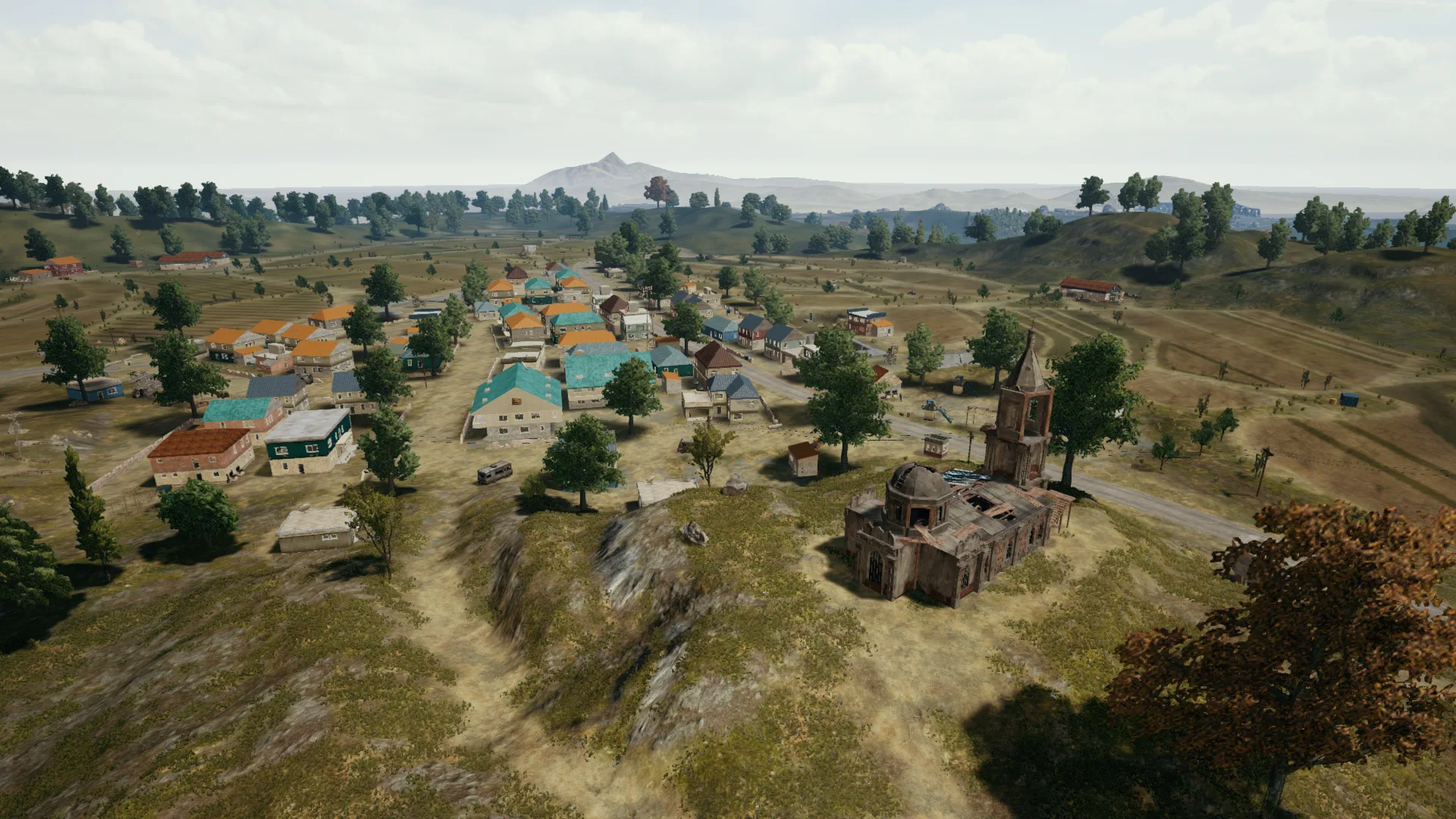
Watch a hundred PUBG deaths in a compound and you'll see the same one over and over: a player sprints through a doorway, stops in the open middle of a room, and eats a shot from an angle they never checked. It's not a mechanical skill gap — their aim is fine. It's a process gap. They walked into the building instead of clearing it. Compound clearing is the most learnable skill in PUBG, because the players who die in doorways are losing to a repeatable mistake, and repeatable mistakes have repeatable fixes.
Here's the honest claim: in close quarters, the person who moves second usually wins. PUBG rewards the defender holding an angle far more than the attacker running into it, which means clearing a building is fundamentally about making the enemy move first — forcing them to reveal a position, flinch at a nade, or peek at a sound while you hold the line. This guide is the full process: how to read a compound before you enter, how to slice angles instead of body-blocking them, how to clear rooms solo and as a squad, and the utility that turns a coin-flip building fight into a stacked-odds one.
Why you keep dying in doorways
Doorways and open room-centers are the two most dangerous places in a PUBG building, and they're exactly where panicked players end up. The reason is a mismatch: the attacker entering a room has to check multiple angles at once, while the defender only has to watch the one entrance. That's a losing trade for the attacker every single time they rush it blind.
The fix isn't to stop entering — it's to stop entering badly. Three habits cause most doorway deaths:
- Silhouetting yourself. Standing in a lit doorway or in front of a bright window paints a clean target. Defenders in dark interiors see you before you see them.
- Stopping in the open. Sprinting to the middle of a room to "check it" leaves you exposed to every corner simultaneously. If you must be in the open, be moving through it, not standing in it.
- Pushing on the enemy's timing. Rushing a room the instant you hear a sound plays into the defender's hands — they're set, you're not. Make them commit first.
If you fix nothing else, fix your relationship with doorways: they're a threshold to clear from outside, not a place to stand. The peeking fundamentals in our PUBG peeking guide are the exact micro-skill that keeps you alive at every threshold in a compound.
The golden rule: clear with angles, not your body
Every clearing technique in this guide is a variation on one principle: expose the enemy's position before you expose your body. You want to see them before they can shoot you, and the way you buy that information is by using angles — peeking a sliver of a room at a time so that only a small part of you is ever visible, and only for the instant it takes to check.
Concretely, this means you almost never walk straight into a room. You approach the entrance from the side, off the doorway's center line, and you reveal the interior in slices — pivoting around the frame so each new angle opens up one at a time. If someone's holding the far corner, you find them with a sliver of screen instead of your whole torso. The enemy who set up to watch the doorway is watching the wrong spot, because you're not standing in it.
This is why patient players beat aggressive ones in buildings. Aggression in the open field is often correct; aggression through a doorway is usually just donating yourself to whoever's already inside. Slow is smooth, smooth is alive.
Slicing the pie
"Slicing the pie" is the name for the core clearing movement, and it's worth drilling until it's muscle memory. Imagine the doorway or corner as the center of a pie. Instead of stepping through, you arc around the outside edge of the opening, revealing the room one thin wedge at a time. Each small side-step opens a new slice of the interior; you clear that slice, then step to open the next.
The payoff is that you only ever expose yourself to one new angle at a time, and you see into the room before you're standing in the doorway. If there's a defender in the first slice you open, you're already aiming at that wedge and they're the one who gets surprised. Practical notes:
- Pre-aim where a head will be. As you slice, keep your crosshair at head height and pointed at the edge you're about to reveal — not at the floor, not at the wall. When the enemy appears, your crosshair is already on them.
- Widen slowly. Small, deliberate side-steps. Big lateral moves reveal multiple angles at once and defeat the whole point.
- Slice the dangerous side first. Open toward the corners and cover that would hide a defender before you commit to the open floor.
- Be ready to reset. If a slice reveals a defender who's set and ready, you don't have to commit — you can pull back off the angle and force them to come to you.
Before you enter, read the building
Half of clearing happens before you touch the door. The best building-clearers gather information from outside so the inside holds fewer surprises.
- Listen first. Footsteps, door sounds, reloads, and looting audio tell you whether the building is occupied and roughly where. A door that's already open when a building should be closed is a tell that someone's inside or has been. Our PUBG audio guide covers how to actually read the soundscape, which is more than half of pre-entry intel.
- Check the doors. In PUBG, doors are information. Open doors can mean an occupant, a looted building, or bait. Closed doors on a building you'd expect to be looted are their own tell. Learn what the "resting state" of a building looks like so anomalies jump out.
- Count the exits and floors. Before you enter, know how many ways in and out there are and how many floors you'll have to clear. A single-entrance one-story house is a very different problem from a three-story building with two staircases and a rooftop.
- Decide if you even need to go in. Sometimes the building has nothing you need and clearing it is pure risk. Reading it from outside includes the option to walk away.
Clearing a room solo
Solo, you don't have a teammate to hold an angle while you push, so you trade speed for safety and lean hard on slicing.
- Approach off-center. Get to the entrance from the side, out of the doorway's line of fire. Never stand square in an open door.
- Slice the interior from outside. Peek the room in wedges before committing a single step across the threshold. Clear as much as you can while your body is still behind the wall.
- Enter to hard cover, not the center. When you do step in, move to a wall or a piece of cover with your back protected — not to the middle of the room where every angle sees you.
- Clear systematically, corner to corner. Take the room in a consistent order so you never leave an unchecked angle behind you. Then repeat for the next room, and clear stairs last and most carefully.
The solo mantra: you can't be everywhere, so make them come to you. If you suspect someone's holding, a nade or a fake footstep can force them to move or flinch, and a moving defender is a beatable defender. Our PUBG clutch 1vX guide goes deep on winning these isolated indoor fights when you're outnumbered.
Clearing as a squad
A squad clears buildings dramatically faster and safer than a solo, but only if you actually coordinate instead of all rushing the same door. The core idea is overwatch plus entry: one player holds an angle while another moves, so someone always has their gun up on a threat while a teammate repositions.
- Stack the entry. Line up at the entrance in order. The first player (the entry fragger) pushes in and takes the immediate angles; the second covers the angles the first can't; the rest hold the door and rear.
- Assign angles by voice. "I've got left, you take right" before you enter, so nobody clears the same corner twice and nobody leaves a corner unchecked. Clear callouts are the whole game here — our PUBG callouts glossary has the vocabulary to do this fast.
- Never bunch up in a doorway. A stacked squad crammed in one door is a grenade's dream. Keep spacing, and don't let the whole team funnel into the same choke.
- One moves, others cover. The golden rule of squad movement: at least one gun is always up and watching while a teammate repositions. If everyone moves at once, you're all vulnerable at once.
The utility that wins buildings
Grenades and smoke turn building fights from coin flips into stacked odds. The players who clear compounds cleanly are almost always the ones with a full utility belt.
- Frags flush defenders. A frag thrown into a held room forces the defender to move or die — and a moving defender is exactly what you want. Cook it briefly so it detonates soon after landing rather than giving them time to run or throw it back. Even a near-miss breaks their aim and their position.
- Stun and flash the corner you're about to take. A stun grenade bounced into a room disorients whoever's holding it, buying you the split-second entry window that decides the fight.
- Smoke your entry. A smoke in a doorway or across an exposed interior gap denies the defender a clean shot while you cross. It's the closest thing to a free entry PUBG offers.
- Molotovs deny space. A Molotov thrown into a room a team is holding forces them out of it — great for flushing an entrenched squad or blocking a stairwell they'd otherwise hold.
The point is that utility does the dangerous part of clearing for you. Instead of pushing a room and hoping, you throw first and push into the chaos you created. Our PUBG throwables and utility guide covers cook times and throw arcs in detail — hoard nades on maps with dense compounds.
Stairs: the most dangerous terrain in PUBG
Stairwells deserve their own section because they kill more careful players than open rooms do. On a staircase you have a fundamental disadvantage: you can only see a sliver up or down at a time, your movement noise gives you away, and whoever's waiting at the top or bottom holds a pre-aimed angle on the exact spot your head will appear.
How to survive stairs:
- Never rush a staircase blind. The player holding the top of the stairs has every advantage. Pushing up into a held staircase is one of the worst trades in the game.
- Slice the stairs like any other angle. Reveal the next landing in wedges. Don't walk straight up the center of the flight.
- Use utility to break a held stairwell. A frag or stun up or down the stairs forces the holder to move before you commit. This is where nades earn their inventory slot.
- Consider making them come to you. If someone's holding an upper floor, sometimes the winning move is to hold the bottom of the stairs yourself and let them make the bad push. Turn the disadvantage around.
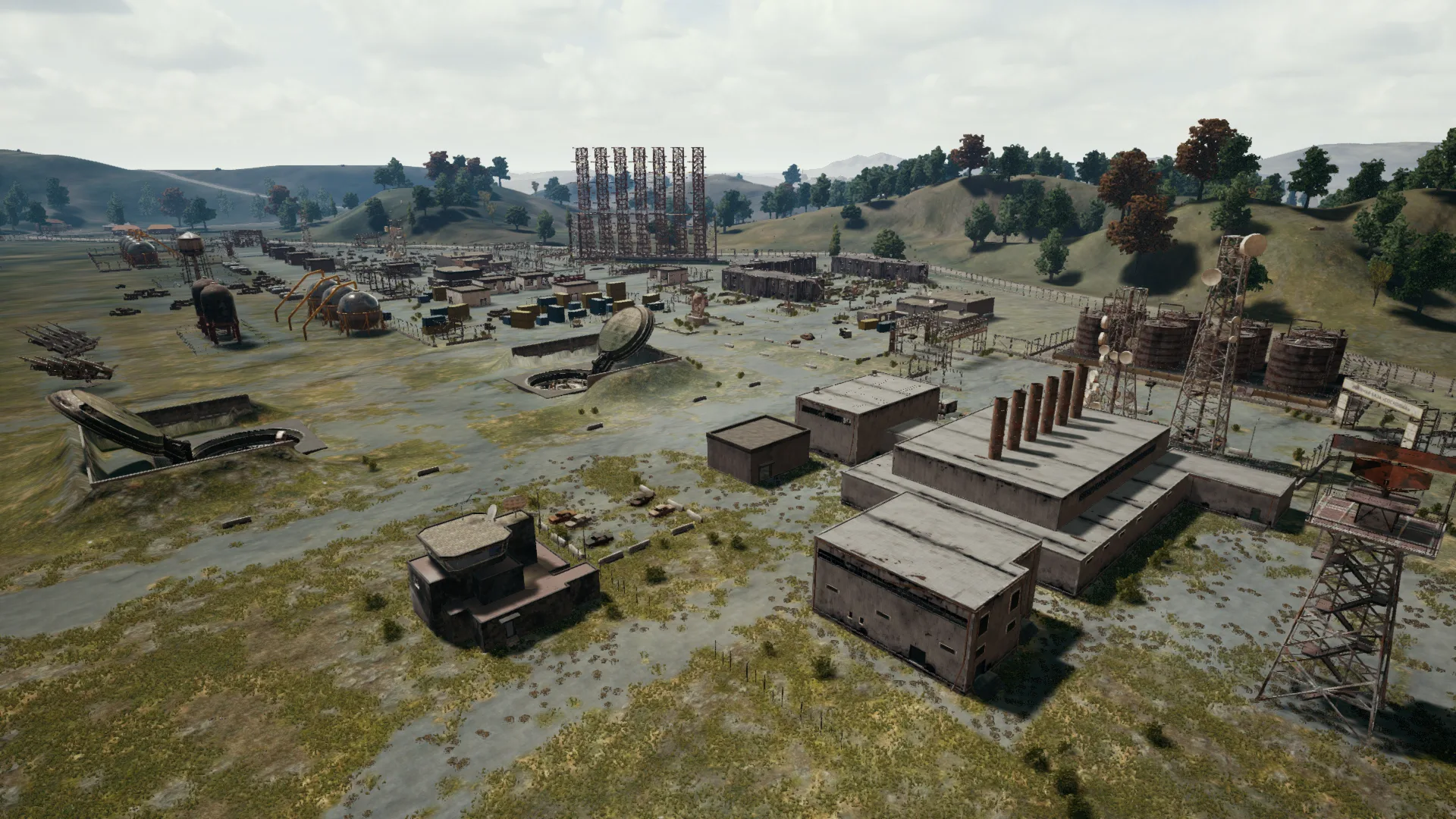
Verticality is where compound clearing gets lethal, which is exactly why maps like Haven — layered factories, catwalks, multi-floor interiors — punish sloppy stair play so hard. Our PUBG Haven map guide is a case study in fighting a map built almost entirely of dangerous verticality.
When NOT to clear at all
The last skill is knowing when clearing is the wrong call entirely. Not every building needs to be entered, and some should be actively avoided.
- When you don't need the loot. If you're already geared and the building offers nothing, clearing it is pure downside. Walk around.
- When you can hold instead. If an enemy is holed up in a building, you often don't have to dig them out. Hold the exits, let the circle push them, or make them come to you on your terms. The defender's advantage cuts both ways — turn it around and be the one holding the angle.
- When it's an obvious trap. A perfect building sitting quietly in a hot area, with an open door and no bodies around, is bait more often than not. If something feels staged, treat it as staged.
- When the circle says no. Committing to a slow clear while the blue zone is closing on you is how you win the building and lose the game. Position beats loot in the late game — our PUBG endgame circle strategy covers when to stop looting and start rotating.
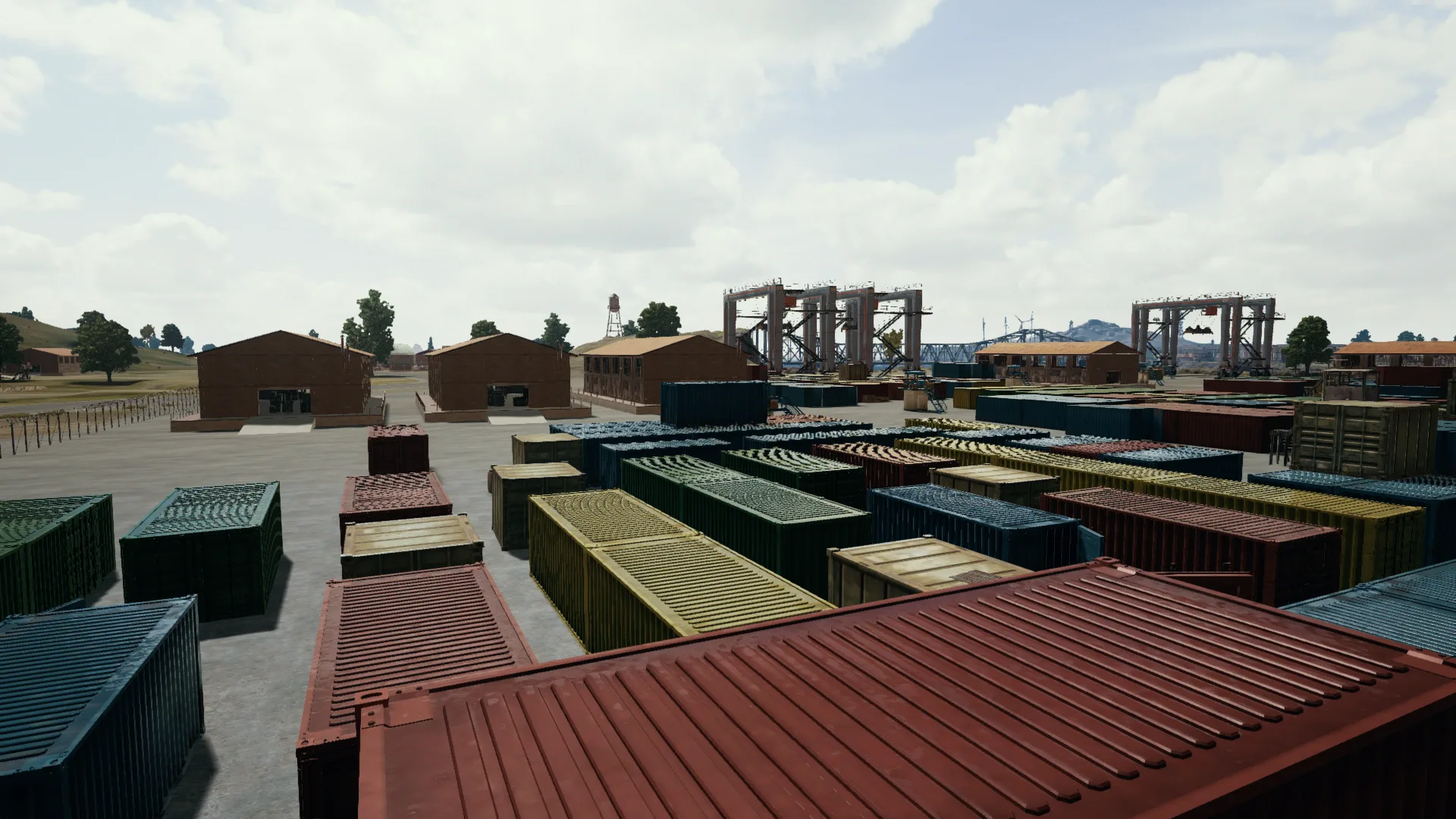
Clearing a compound well is unglamorous. There's no highlight-reel flick in slicing a doorway correctly. But it's the difference between the player who dies to an angle they never checked and the player who's already aiming at the corner when the enemy peeks it. Drill the process, carry the utility, respect the stairs, and stop standing in doorways.
Quick Action Checklist
- Never stand in a doorway or the center of a room — those are the two deadliest spots in any building
- Clear with angles, not your body: slice the pie, revealing the room one thin wedge at a time from off-center
- Pre-aim at head height on the edge you're about to reveal, so your crosshair is already on the enemy when they appear
- Read the building from outside first — listen for footsteps and doors, count exits and floors, decide if you even need to enter
- Solo: enter to hard cover, not the center, clear corner to corner, and make defenders come to you
- Squad: stack the entry, assign angles by voice, keep spacing, and always have one gun up while another moves
- Throw utility first — frag or stun a held room, smoke your entry — then push into the chaos you created
- Respect stairwells: never rush them blind, slice each landing, and consider holding the bottom instead of pushing up
- Know when not to clear — skip buildings you don't need, hold exits instead of digging enemies out, and don't clear while the blue zone closes
Frequently Asked Questions
What is "slicing the pie" in PUBG?
Why do I keep dying in doorways in PUBG?
How do you clear a building solo in PUBG?
How should a squad clear a compound in PUBG?
What utility is best for clearing buildings in PUBG?
Keep Reading
Related Guides
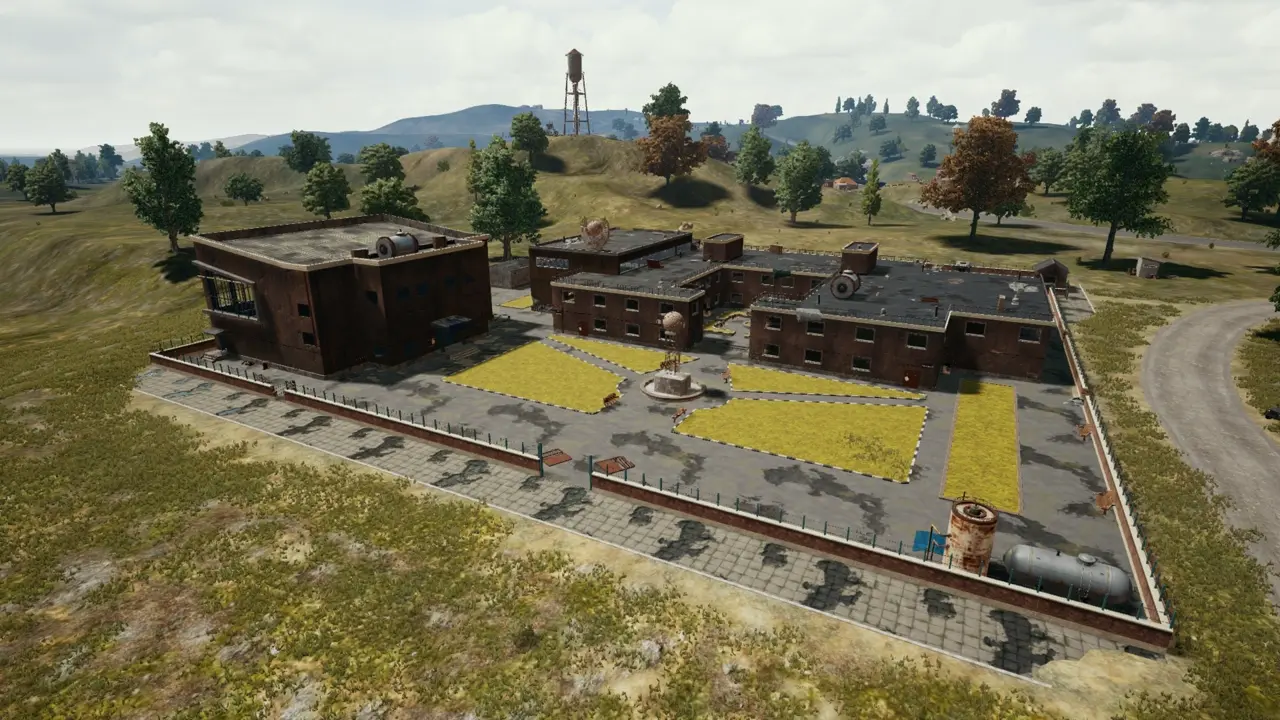
PUBG Clutch Guide: How to Win 1vX Fights
Your whole squad is down and three enemies are pushing. Most players panic-spray and feed. The clutch player slows down, isolates one enemy at a time, and walks out with the chicken dinner. Here's how to actually win when you're outnumbered.
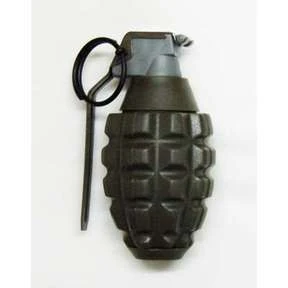
Best PUBG Throwables: Grenades, Smokes & Utility Guide
Most players treat throwables as the thing they hold until the bag's full. That's backwards. A cooked frag, a smoke wall, and a well-placed Molotov win more fights than a third AR. Here's how to actually use every PUBG throwable.
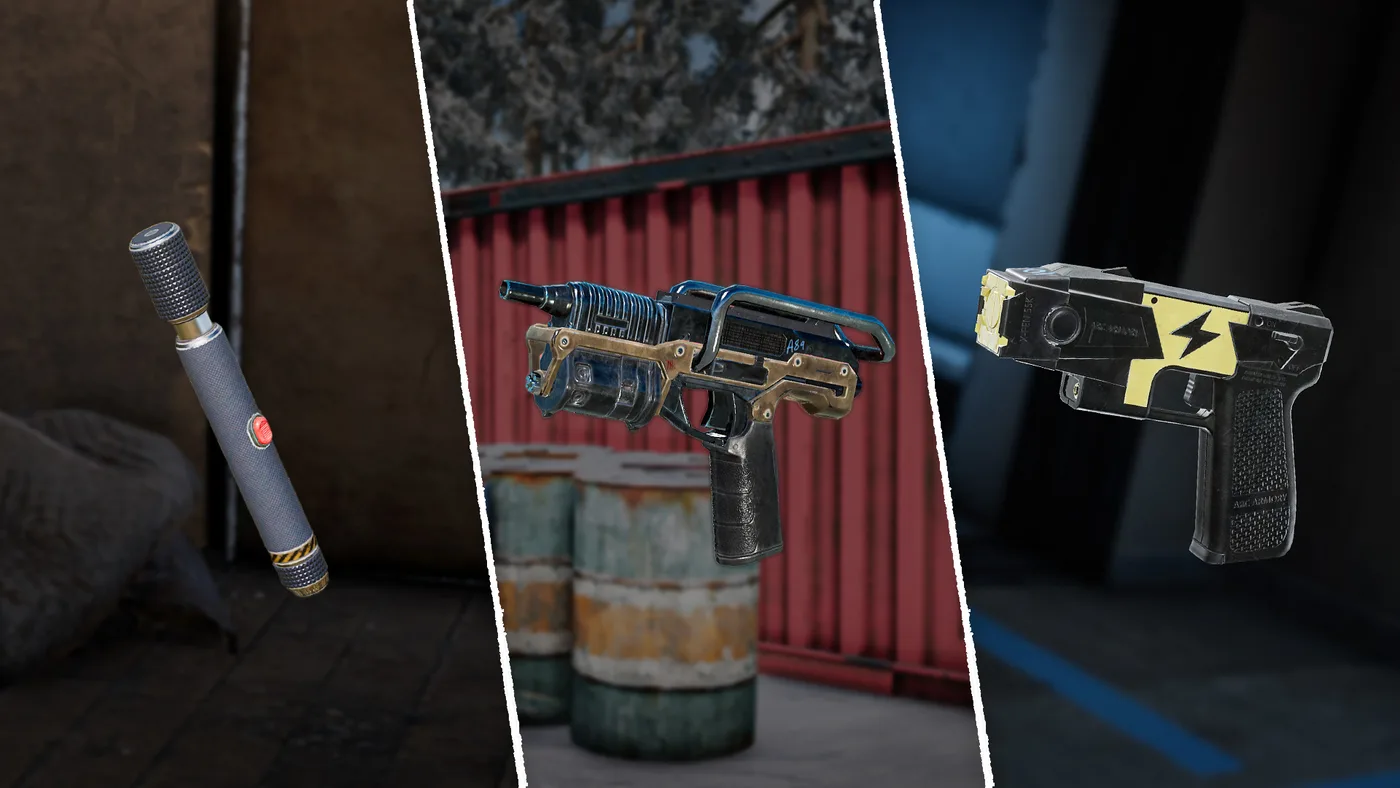
PUBG Utility Items: Folded Shield, Zipline Gun & More
PUBG's loot pool has a whole layer of kit that isn't a gun, armour, a heal or a grenade. Here are nine of those items: what each one does, what slot and weight it costs you, where it spawns as of Update 43.1, and which patch changed the rules on it.

PUBG Tactical Gear Guide: What Survived and What Got Cut
PUBG's tactical gear has been added, made mandatory, deleted, revived, and pruned — all inside four years. Here's exactly what's in the loot pool in 2026, what each item costs you in weapon slots, and why the Drone and Spotter Scope aren't coming back.
Best Weapons in PUBG: Tier List
Every PUBG tier list is out of date the moment a balance patch drops. So here's the list, ranked by role, plus the durable logic to re-tier any gun yourself when the next patch shakes things up.
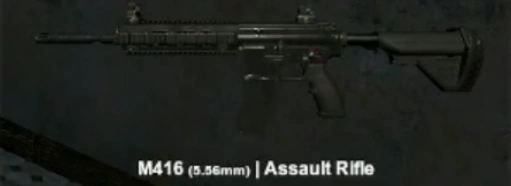
Best PUBG Loadouts & Attachments
A naked M416 and a fully kitted M416 are basically two different guns. Here's how to build the strongest two-gun loadouts in PUBG and the attachment priority that turns loot into recoil control.