PUBG Peeking and Crosshair Placement Guide
Most PUBG fights are decided before either player fully sees the other — by who peeked smart and whose crosshair was already at head height. Here's how to lean-peek, pre-aim, jiggle-peek, and hold angles without feeding free kills.
Two players turn a corner on each other at 20 meters. Same guns, same gear, same ping. One of them is dead within half a second and it isn't random — it's the player whose crosshair was already at head height and who showed less of their body doing it. That half-second gap is what peeking and crosshair placement are about, and it's the most reliable free advantage in PUBG: Battlegrounds that doesn't require better aim.
Here's the thing people get backwards: they grind their flick aim and their spray transfer for hours, then walk into a doorway with their crosshair pointed at the floor and lose the fight before they ever get to use any of it. The mechanical aim everyone obsesses over only matters after you've seen the enemy. Peeking and crosshair placement decide who sees who first, who has to move their aim and who doesn't, and how much of you is exposed while it happens. Win those and you win fights your raw aim shouldn't.
None of this depends on a balance patch. These are durable combat fundamentals — they've applied since launch and they'll keep applying. Pair them with your recoil control and your movement and positioning and you stop losing the fights you should be winning.
The fight is won before you see them
Every peek is a trade of information for exposure. When you peek a corner, a window, or a ridge, you're spending exposure — a slice of time where the enemy can shoot you — to buy information about where they are. The entire skill is making that trade in your favor: see more, get seen less, and have your gun already pointed where they'll be.
That reframes what "good peeking" means. It's not about being fast or aggressive. It's about three things, every single time:
- Did my crosshair arrive at head height before my body did?
- Did I show the smallest slice of myself that still let me see them?
- Did I peek from where they don't expect, or at least not from where I peeked last time?
Get those three habits automatic and the mechanical duel that follows is one you've already pre-loaded in your favor.
Crosshair placement: the free advantage
This is the highest-value habit in the entire guide, so it goes first. Crosshair placement means keeping your aim where an enemy's head will appear, before they appear — so that "aiming" becomes a tiny correction instead of a full swing.
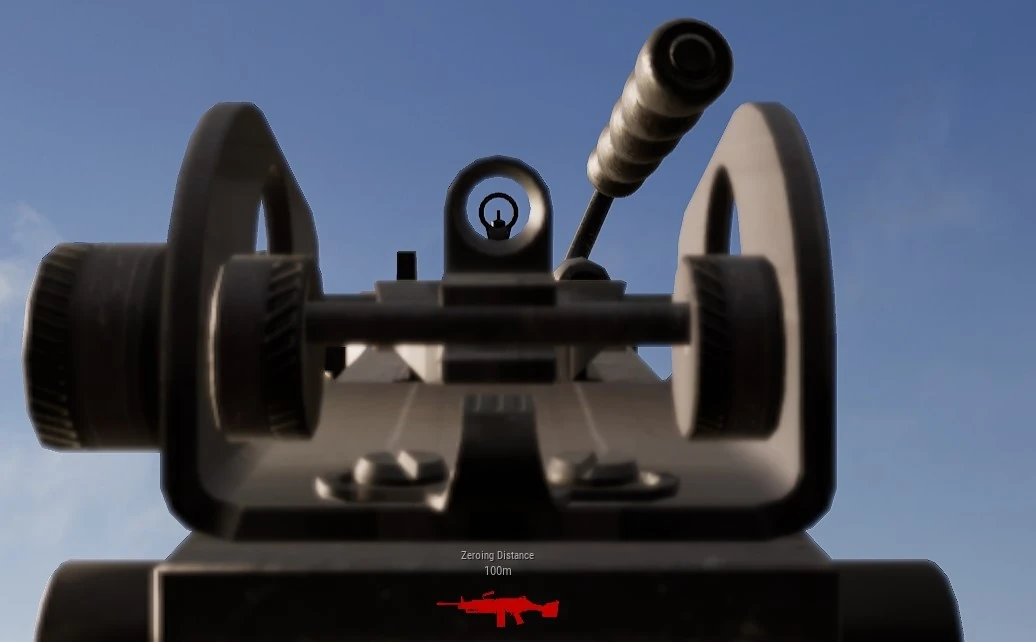
The rules that make it work:
- Aim at head height, always. As you move through a building or up to cover, keep your crosshair on the horizontal line where a standing player's head would be — not pointed at the floor, not at the sky. When someone steps out, your dot is already on their neck and you only have to nudge sideways.
- Pre-aim the edge they'll come from. Hug your crosshair to the exact corner, doorway lip, or wall edge an enemy will emerge past. The closer your reticle starts to where they'll be, the smaller the correction.
- Lead the corner, don't trail it. When you clear an angle, your crosshair should arrive at the corner before your view sweeps fully past it, so anyone waiting there meets your aim instead of your shoulder.
- Reset to head height after every action. Reloaded, vaulted, sprinted? Your crosshair drifts. Snap it back to head height the instant the action ends. The most common death is getting caught with your aim still pointed at the ground after a sprint.
You can practice this with no enemies at all: just move around the map keeping your crosshair disciplined at head height on every corner. Within a few games it becomes automatic, and "good aim" suddenly looks a lot more like "I barely had to move my mouse."
Lean-peeking: the Q and E edge
PUBG lets you lean left and right with Q and E while aiming, tilting your character to expose your head and gun around cover without stepping your whole body out. This is the single most important peeking mechanic in the game, and a startling number of players never bind it into their habits.
The point of leaning: you get your eye and muzzle past a wall edge while keeping most of your torso and all of your legs behind cover. The enemy sees a sliver of head; you see them fully. If the trade goes bad, you release the lean and you're back behind solid cover instantly, having shown far less hitbox than if you'd strafed out.
How to use it well:
- Lean into the side of cover you're hugging. Behind a wall whose edge is on your right? Lean right (E) to peek that edge. Leaning the wrong way just exposes you while seeing nothing.
- Lean-peek to hold and to clear. Holding an angle? Pre-aim it and lean out only your sightline. Clearing a building? Lean around each doorframe before committing your body through it.
- Combine lean with ADS. Lean and aim down sights so you're peeking with your crosshair already up at head height — that's the lean-peek and crosshair-placement habits stacked, which is the whole game.
- You can lean while crouched and prone too, which lowers the slice of you that's visible even further when you're holding a long angle.
The lean-peek is how you win the corner trade by default: less of you exposed, your gun already up, instant retreat available.
Pre-aiming an angle
Pre-aiming is crosshair placement applied to a specific threat. Before you cross or clear a particular spot, you point your crosshair at the exact place a defender would be — then move.
The mental routine: as you approach any angle, ask "if someone is holding this, where exactly are they?" Then put your dot there before your body produces the angle. Common pre-aim spots — the dark corner of a room, the far edge of a doorway, the lip of a window, the base of a tree at the treeline — are predictable because they have the best cover-to-sightline ratio. Pre-aim the obvious holding spot and you'll be right more often than you'd think.
Pre-aiming also means clearing one angle at a time. Don't sweep your view across a whole room at once; you'll meet every threat with your crosshair on none of them. Slice it: pre-aim one corner, clear it, shift to the next. Slower is exactly correct when you're the one entering.
Jiggle-peeking: bait and read
A jiggle-peek (sometimes called a quick-peek) is a fast peek-and-retreat: you flash out from cover for a fraction of a second and immediately pull back, without committing to a fight. It's an information and baiting tool, not a shooting tool.
What it does for you:
- Gathers information. A quick jiggle tells you whether someone's holding the angle — they'll either shoot at where you were (revealing themselves and their position) or they won't, telling you the angle's clear-ish.
- Baits the held angle. Against a player pre-aiming your cover, a jiggle draws their shot or their burst. They commit to where you flashed; you're already back behind cover; now you know exactly where they are and can peek them on your terms — ideally from a slightly different spot.
- Wastes their setup. Snipers and angle-holders rely on you walking predictably into their crosshair. A jiggle ruins that by giving them a target that's gone before they can punish it.
The discipline part: a jiggle-peek only works if you actually pull back. The failure mode is "jiggling" so slowly that you're really just wide-peeking and eating the shot you were trying to bait. Flash and retreat — if you're going to commit, that's a different peek with a different purpose.
Holding angles vs wide-peeking
These are the two opposite ways to take a corner fight, and knowing which one you're doing — and when — is what separates deliberate players from coin-flippers.
Holding an angle (the off-angle / pre-aim): you sit still, crosshair pre-placed on the exact line an enemy will cross, and let them walk into it. You have the reaction-time advantage because you already know where to shoot and they have to find you. This is the defender's game, and it's powerful — especially from an off-angle, a spot slightly away from the obvious one, so they pre-aim the wrong place. The catch: a static hold is predictable and beatable by the same pre-aim/jiggle tricks, and it cedes the initiative.
Wide-peeking: you swing out wide and fast, deliberately exposing yourself to engage on your timing. The advantage is that you pick the moment, you can catch a holder mid-reload or looking elsewhere, and against a player who's locked onto a tight angle you can come from outside their pre-aim. The cost is obvious — you're fully exposed, so a wide-peek against an alert, well-positioned holder loses. Wide-peek when you have a read (you know they're reloading, distracted, or pre-aiming the wrong spot) or numbers; hold the angle when you don't and you'd rather make them take the risk.
The simple rule: defend with held angles and lean-peeks; attack with reads, jiggles, and well-chosen wide-peeks. Don't wide-peek into the unknown for no reason — that's just gambling your hitbox.
Cover discipline
All the peeking technique in the world is wasted if there's nothing to pull back to. Cover discipline is the unglamorous half of peeking, and where most "how did I die" moments come from.
The habits:
- Always peek from cover you can instantly retreat behind. Hard cover — a thick wall, a rock, a vehicle's engine block — beats soft cover (bushes, thin fences) that bullets pass straight through. If your peek goes wrong, one button gets you back to safety only if safety is actually there.
- Don't re-peek the same spot twice. The instant you peek, a smart enemy pre-aims where you appeared. Peek, gather your read or take your shot, then move — peek the next fight from a different window, the other edge, a crouch instead of a stand. Repetition is how you feed free kills.
- Mind your back and flanks before you commit. A peek locks your attention forward. Before you settle into holding an angle, clear the directions you aren't watching, because the third party who flanks you while you're dueling is the most common death in the game — more on that in the movement and positioning guide.
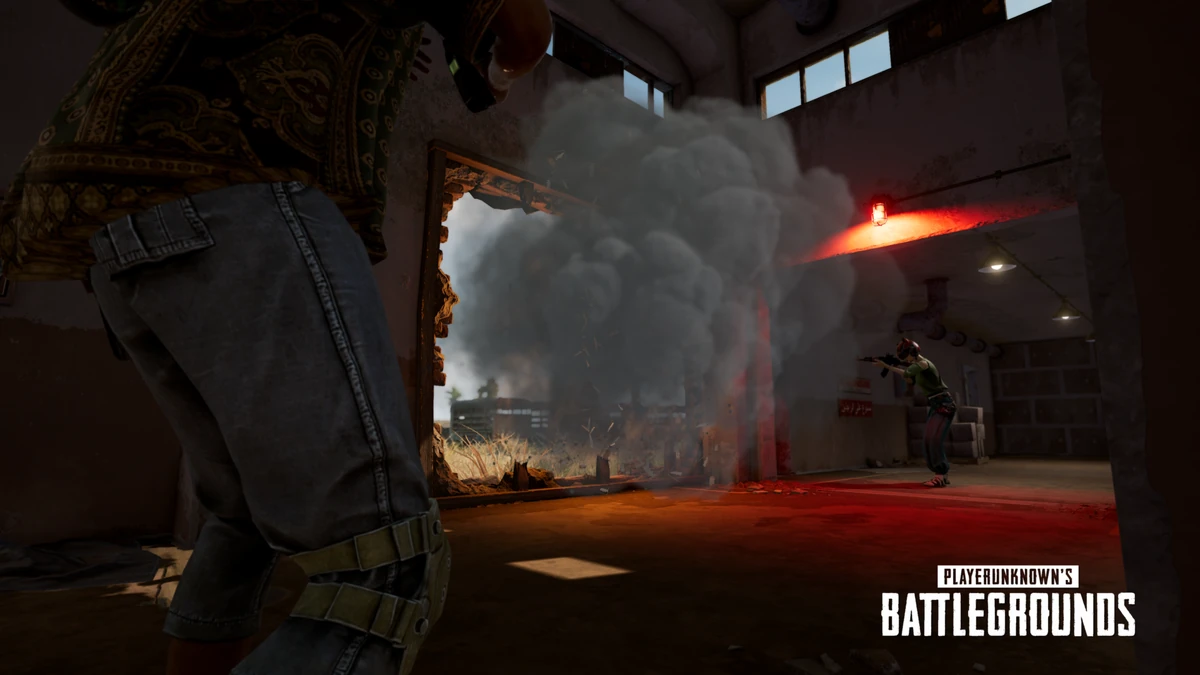
- Use smoke to make your own cover. No hard cover between you and the enemy? A smoke grenade creates a sightline break you can peek from, reposition behind, or use to break a held angle entirely. It's portable cover discipline.
- Watch your skyline and your silhouette. Peeking over a ridge or out of a brightly backlit window paints you against the sky. Peek from cover that keeps you visually broken up, not framed.
Quick Action Checklist
- Keep your crosshair at head height on every corner — reset it after every sprint, reload, and vault
- Pre-aim the exact edge or corner an enemy will come from before your body produces the angle
- Lean-peek with Q and E (into the side you're hugging) to show a sliver of head while seeing them fully
- Clear rooms one angle at a time — slice it, don't sweep your whole view across at once
- Jiggle-peek to gather info and bait held angles, then actually pull back behind cover
- Hold off-angles on defense; wide-peek only when you have a read or numbers
- Only peek from hard cover you can instantly retreat behind — and don't re-peek the same spot twice
- Pop a smoke to make your own sightline break when there's no hard cover, and check your flanks before you commit
Frequently Asked Questions
What is crosshair placement in PUBG?
How do you lean-peek in PUBG?
What is jiggle-peeking in PUBG?
Should I hold angles or wide-peek in PUBG?
How do I stop dying when I peek in PUBG?
What is the difference between pre-aiming and crosshair placement?
Keep Reading
Related Guides
PUBG Cover Guide: What Actually Stops a Bullet
Half the deaths in PUBG happen behind something the player thought was protecting them. Bushes, grass, car doors, smoke — here's what actually stops a bullet, what only hides you, and how to use each one without getting killed while you feel safe.
PUBG Drop Shots and Gunfight Movement Guide
The best PUBG duelists don't stand still and out-aim you — they move in ways that make your shots miss high while their own spray stays tight. Here's how drop shots, crouch-spam, and strafe-jiggling actually work, and when each one wins or loses the fight.
PUBG Looting & Inventory Management Guide
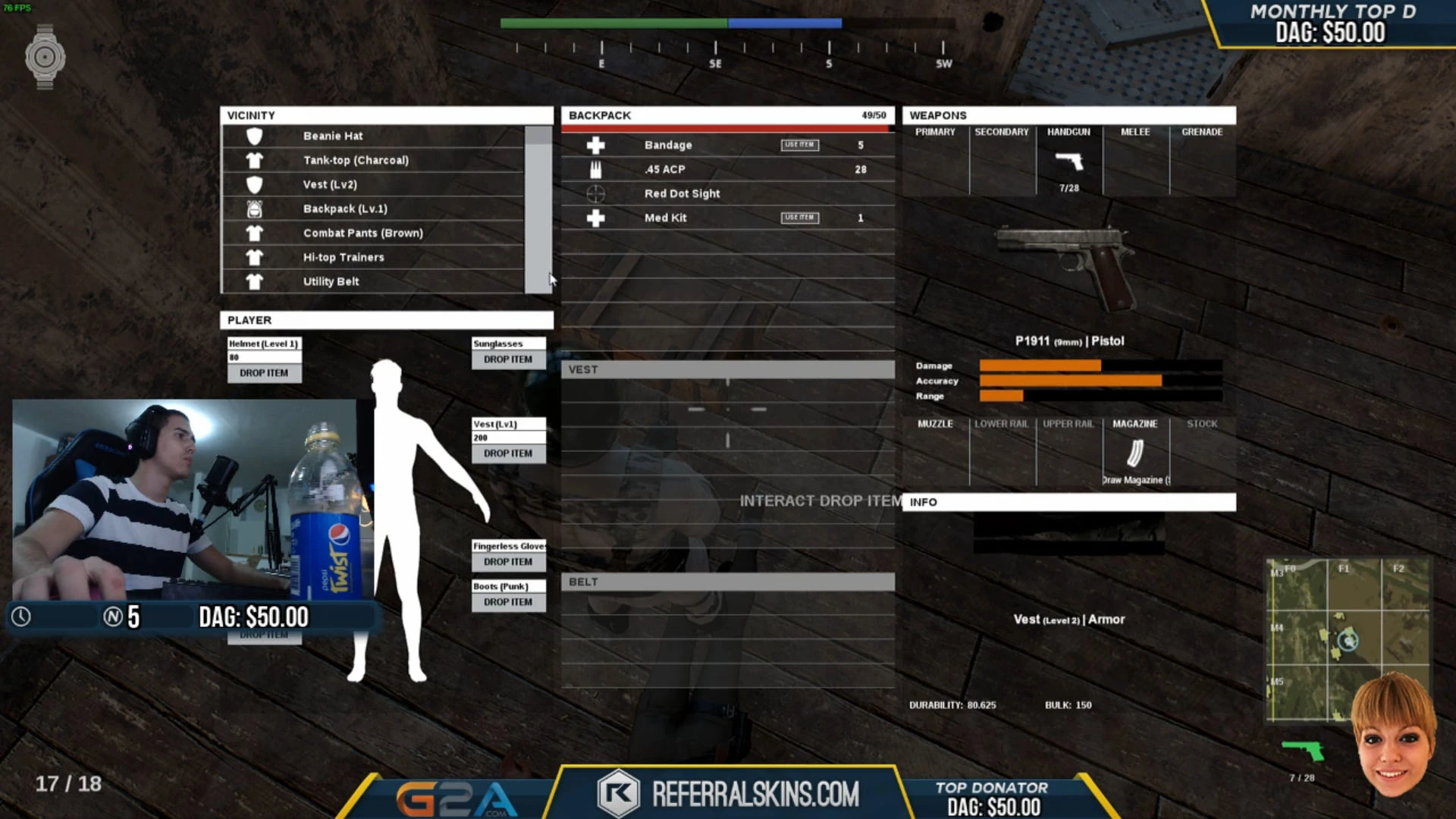
Half the players who die in PUBG die rich — full of loot they never needed and short on the three things that actually keep you alive. Here's how to loot fast, carry smart, and stop hoarding garbage.
PUBG Movement and Positioning Guide
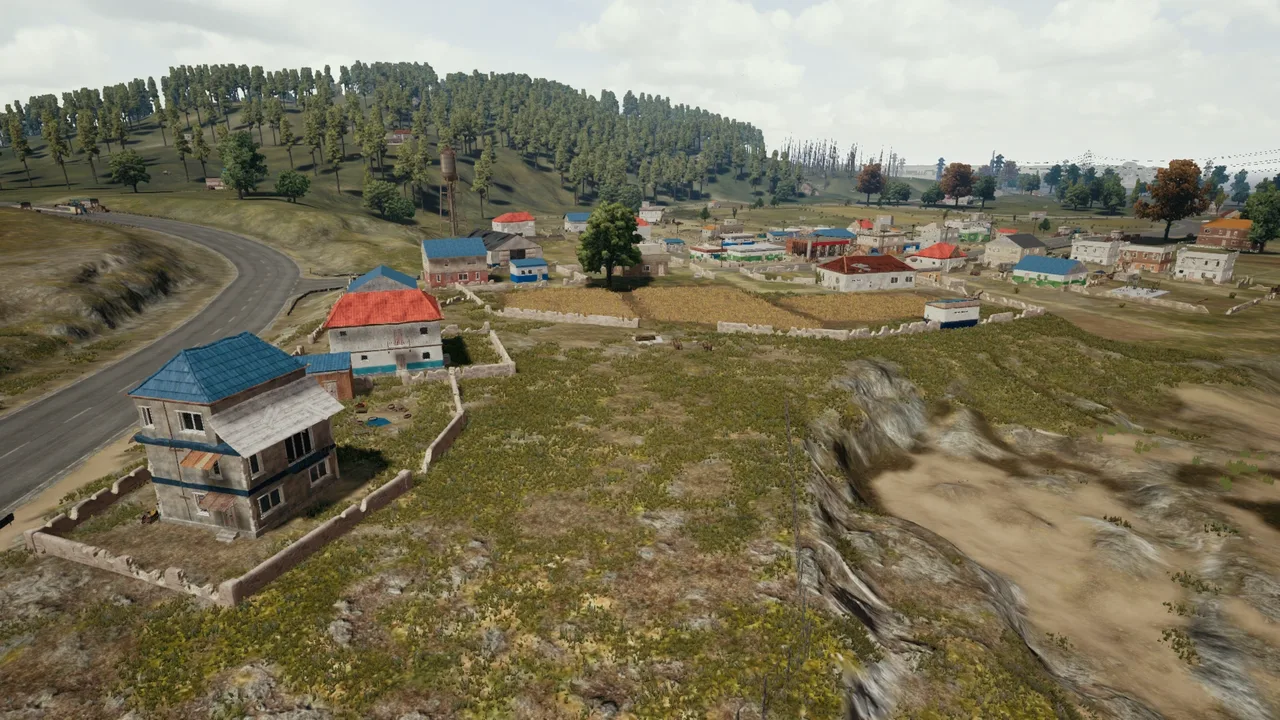
Most PUBG deaths aren't aim losses — they're positioning losses you took before the trigger pulls. Here's how to lean-peek, use cover, cross open ground, hold angles, and stop walking into third-parties.
Best Weapons in PUBG: Tier List
Every PUBG tier list is out of date the moment a balance patch drops. So here's the list, ranked by role, plus the durable logic to re-tier any gun yourself when the next patch shakes things up.
Best PUBG Loadouts & Attachments
A naked M416 and a fully kitted M416 are basically two different guns. Here's how to build the strongest two-gun loadouts in PUBG and the attachment priority that turns loot into recoil control.