PUBG Spotting Guide: See Enemies Before They See You
The player who spots first wins most PUBG fights before a shot lands, and spotting is a trainable skill — not eyesight. Scanning patterns, muzzle flash, scope glint, sound reads, and the environmental tells most players sprint straight past.
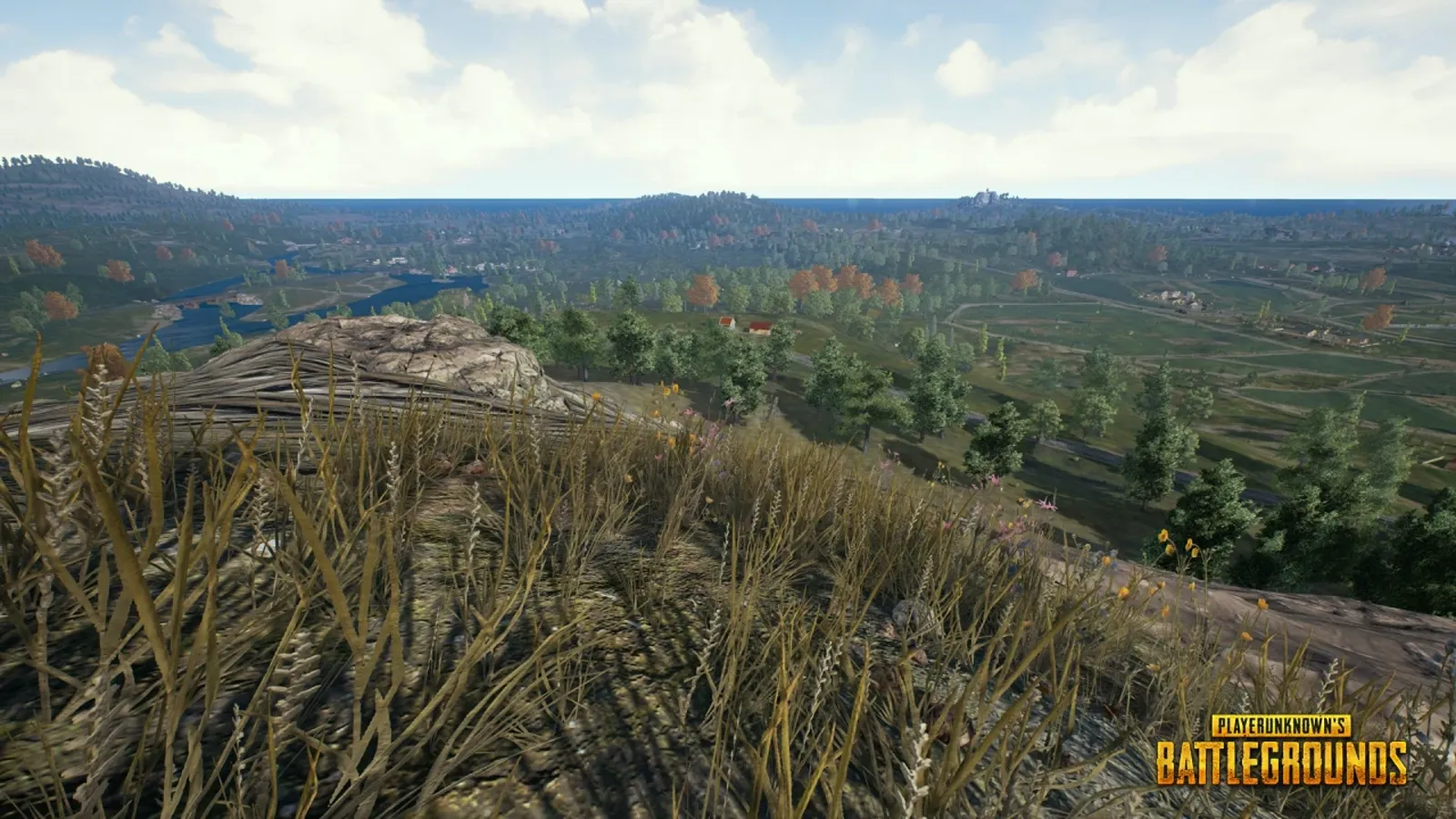
Watch a good PUBG player's death recap next to a new player's and one difference jumps out immediately: the good player almost always saw their killer first, or at least knew the angle existed. The new player got shot by "nobody" — a bush that wasn't a bush, a window they never checked, a ridgeline they sprinted past. Same eyes, same monitor. Different skill.
Spotting — finding enemies before they find you — is the most undervalued mechanical skill in PUBG. Everyone grinds recoil in training mode; almost nobody trains their eyes. That's backwards, because the player who spots first chooses the engagement, and in a game where the first accurate burst usually wins, choosing the engagement is most of the fight. This guide covers how to actually look: scanning patterns that catch movement, the visual tells the game hands you for free, sound as a direction-finder, environmental evidence, and the famous grass lie that gets prone players killed at range.
Spotting is a skill, not a superpower
The reason some players "have great eyes" is that human vision detects two things extremely well: movement and broken patterns. Good spotters aren't seeing more pixels — they're pointing their attention where movement and contrast are likely to appear, systematically instead of vibes-first.
That means spotting improves the same way aim does: with deliberate reps, and the difference compounds brutally. Spot a squad at 400 meters and you get to rotate around them, set an ambush, or just leave — all free. Get spotted at 400 meters and every one of those options now belongs to someone else. Our crosshair placement guide is the natural pair to this one: spotting finds the enemy, placement means your first shot is already there.
One tool to bind into muscle memory before anything else: free-look (default Alt on PC). It lets you scan a full circle while sprinting in a straight line, which means scanning no longer costs movement. Players who don't use free-look scan only when they stop; players who do are scanning constantly. Over a match that's hundreds of extra looks, and spotting is a volume business.
How to scan: grid, don't sweep
The classic new-player scan is a smooth, continuous pan across the horizon — and it's nearly worthless. Smooth panning smears detail; your eyes only resolve fine detail when they're still. The fix is what shooters and birdwatchers have both known forever: scan in fixed segments.
- Grid the terrain. Break the view into boxes — that treeline, that compound, that rock cluster, that crest. Snap your view to a box, hold it dead still for a beat, then snap to the next. Movement in a stationary frame pops instantly; movement during a pan disappears.
- Prioritize likely boxes. You're not scanning randomly. Enemies concentrate where players have reasons to be: compound edges, treelines bordering open ground, crests, hard cover along the circle's path, and the shaded sides of buildings. Scan the likely 20 percent of terrain 80 percent of the time.
- Scan on lines, not areas. The most productive single habit: check the edges — where field meets treeline, where roof meets sky, where wall meets ground. Human silhouettes break edges. A head over a crest or a shoulder past a doorframe is an edge violation, and edge violations are what your eyes catch.
- Re-scan on a clock. A clear treeline is only clear for the ten seconds after you scanned it. On a hold, cycle your boxes continuously; on a rotation, re-check the boxes that threaten your path as the angles change.
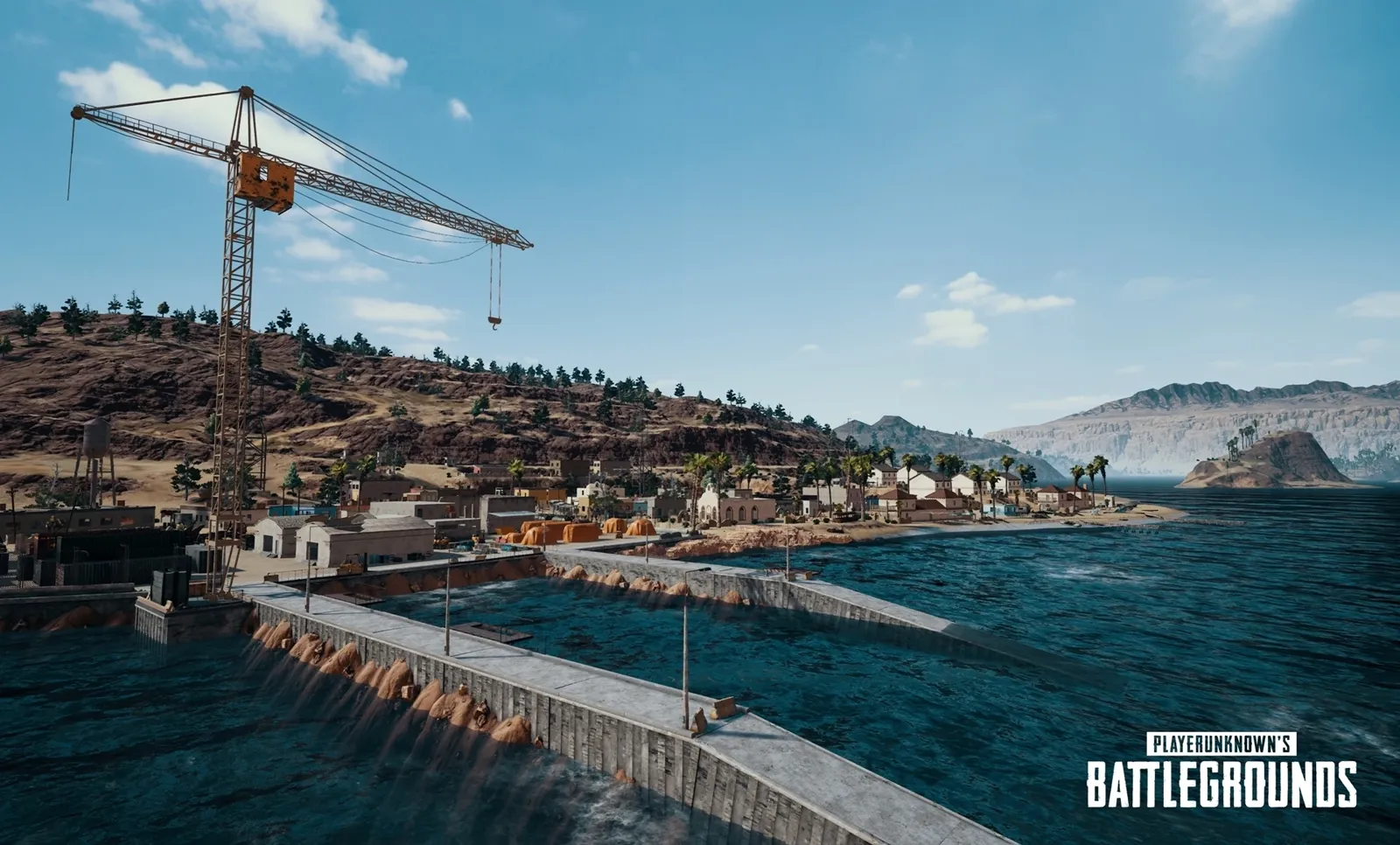
Range changes what you're looking for. Under 100 meters: shapes — heads, barrels, silhouettes. From 100 to 300: movement. Past 300: anomalies — a dark pixel cluster that wasn't on that hillside last scan, a door that's open now, dust where nothing should be moving. Scope up for the boxes that matter; a 4x turns a suspicious smudge into a confirmed prone player.
Reading muzzle flash, dust, and glint
PUBG hands you free enemy-position beacons every time someone shoots or scopes. Most players register them as vague fight-noise. Train yourself to read them as coordinates.
- Muzzle flash. Unsuppressed gunfire produces a visible flash that reads clearly against treelines, windows, and shaded terrain — often at ranges where the shooter's body is invisible. When you hear shots, don't look around; look at likely firing positions and wait one burst. The flash tells you the exact window. The counterplay matters too: a flash hider eliminates your own muzzle flash, which is exactly why our attachments guide rates it so highly for anyone who fights at range.
- Scope glint. High-magnification optics — the 8x and 15x — throw a visible lens glint when someone is scoped in, a deliberate trade-off the game imposes on long-range power. That white flare on a hillside is a sniper telling you where they are and that they're currently aiming. Break line of sight first, relocate second; they were watching you, not the other way around.
- Dust, debris, and impacts. Bullet impacts kick up dust and debris around you, and the impact side tells you the shot's origin half a second before your brain finishes processing the sound. Vehicles drag dust clouds visible from absurd distances — you'll spot the plume before the vehicle. Treat every distant dust line as a squad announcing its rotation.
- Smoke and thrown utility. A smoke blooming on a compound edge is someone telling you exactly which angle they intend to cross. Utility usage is a position report from people trying to hide — read it as one.
Sound is a spotting tool
Your eyes cover maybe 90 degrees well. Audio covers 360, through walls, in the dark. Half of "spotting" is actually hearing something and knowing precisely where to point your eyes — which is why serious players treat headphones as required equipment. Our PUBG audio guide covers the setup; here's the spotting application.
- Crack versus report. A supersonic bullet passing near you makes a sharp crack, and the gun's actual report arrives afterward from the shooter's direction — the farther the delay, the farther the shooter. When you get shot at and survive, freeze your brain on that second sound. That's the bearing you call and the box you scan.
- Gunfire mapping. Every distant fight is free intel: occupied terrain, a third-party opportunity, a lane that will soon contain a weakened winner. Track fights you're not in and you enter the mid-game with a mental map of who's where — the foundation of the third-party playbook.
- Footsteps, doors, and reloads. Close-range spotting is mostly ears: surface-specific footsteps, door sounds, mag changes, healing audio. When you hear any of these indoors, stop moving — your own footsteps are the noise floor hiding theirs.
- Vehicle audio. Engines are audible long before vehicles are visible. An engine that suddenly cuts nearby is the loudest warning in the game: someone just parked and is now walking toward something — possibly you.
The environment snitches: doors, crates, and tracks
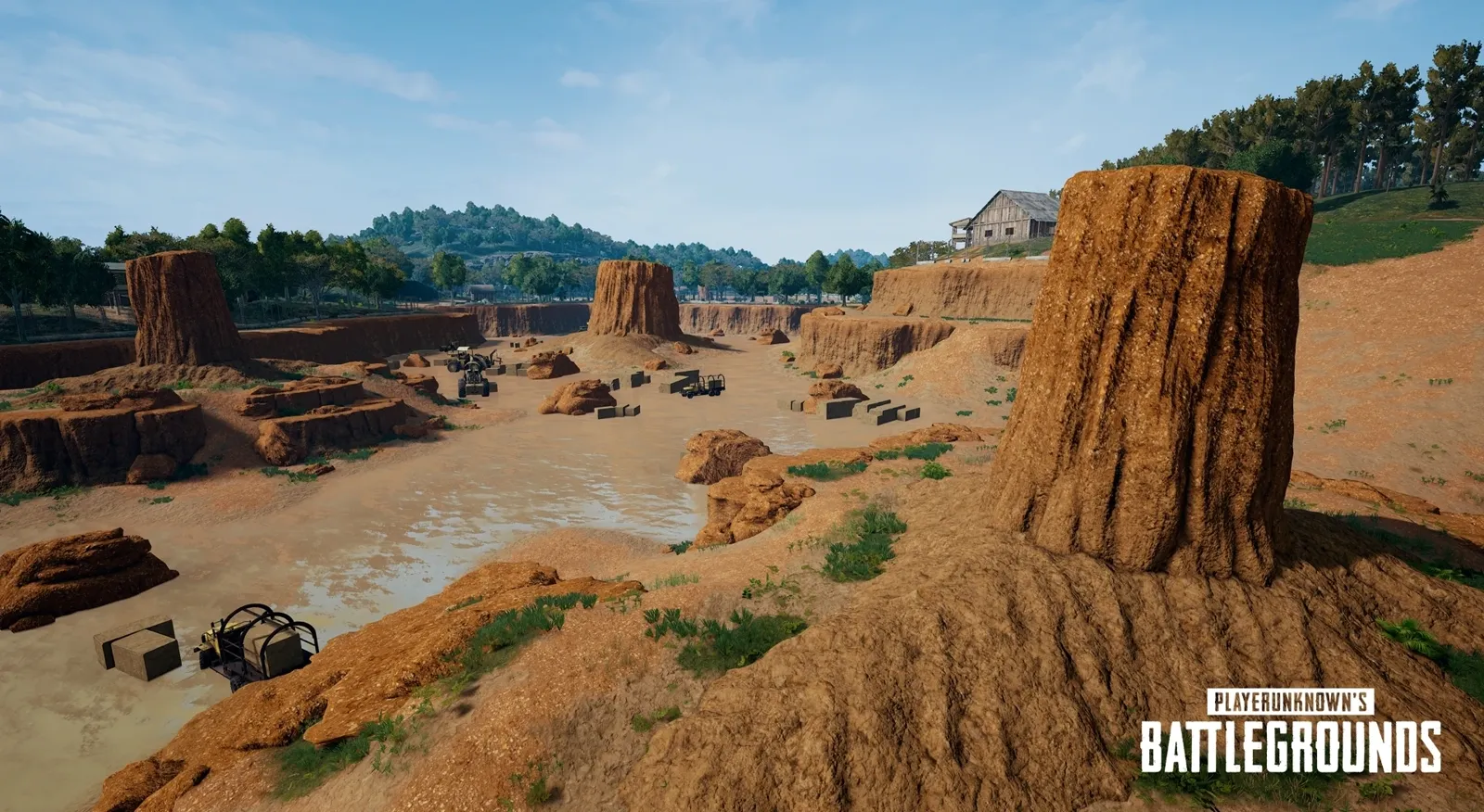
Players leave evidence everywhere they go, and reading it is spotting one step removed — you're detecting people through the changes they made to the world.
- Open doors. Every door in PUBG starts a match closed. An open door is a fact: a human has been here. The sharper read is the pattern: opened doors plus un-looted rooms means someone is still inside, and a closed door on a high-traffic building late in a match can mean a camper who shut it behind them. Door state is a timeline if you bother to read it (and a looted compound means budget your time — see the looting guide).
- Death crates. A fresh loot crate on open ground is a recent kill, which means a live, probably healed shooter is holding an angle on it right now. Crates in the open are bait until proven otherwise; a cluster of them marks a squad's grave and a winner who was, until recently, nearby.
- Missing loot and abandoned vehicles. Landed somewhere with suspiciously bare floors? You're sharing the location. A vehicle parked at an "empty" compound is an occupancy sign; one nose-first in a ditch tells you which way its passengers walked.
- Tracks on Vikendi. In Vikendi's snow-covered areas, players and vehicles leave visible footprints and tire tracks that fade over time — a literal trail. Fresh tracks into a building are as close to a wallhack as the game legally offers. Just remember the trail reads both ways: on snow, you're writing your own position history for anyone behind you.
Grass lies: concealment vs render distance
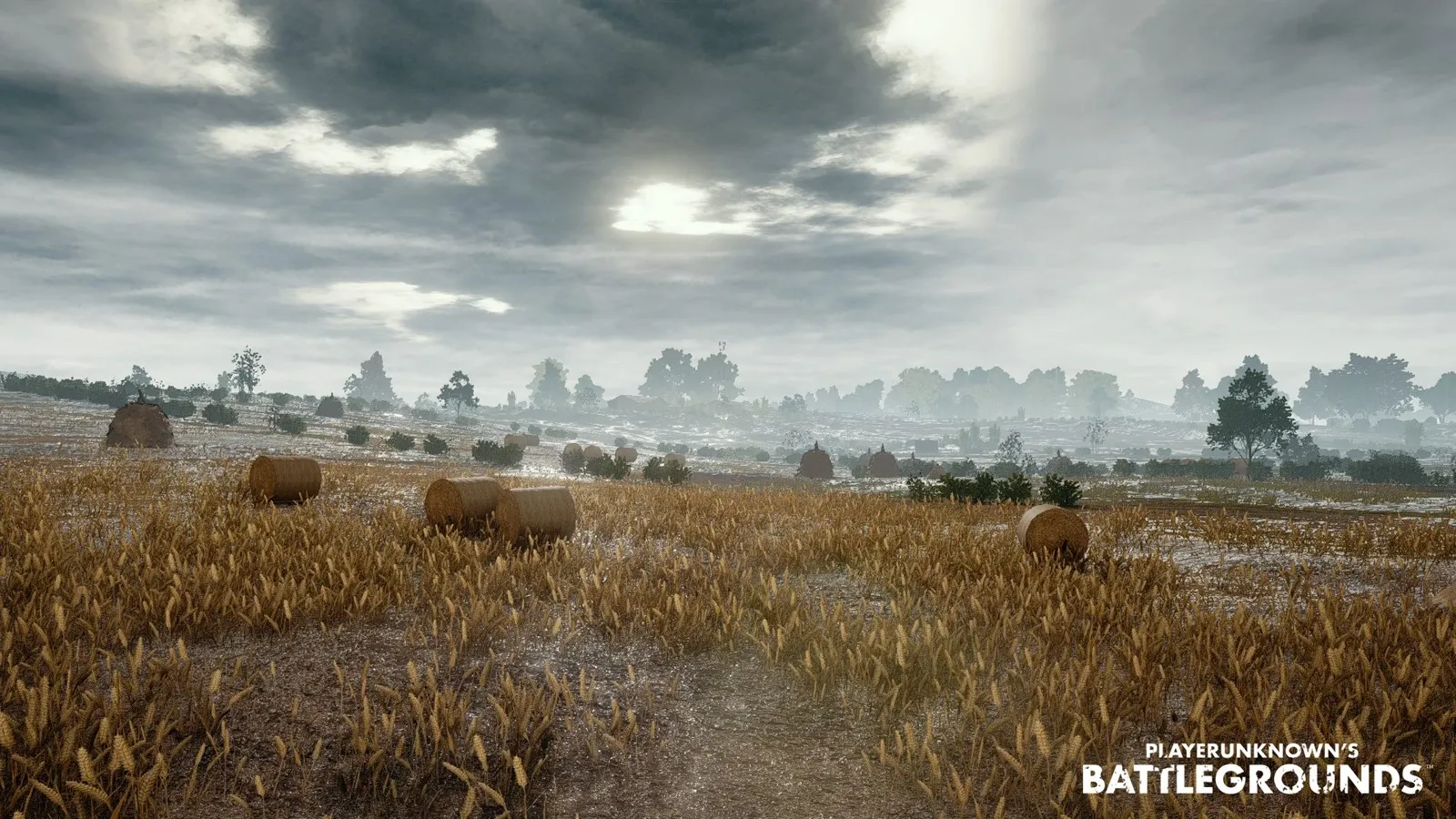
Here's the spotting fact that wins and loses more long-range fights than any other: grass does not render at long distances. Ground cover is drawn in detail only within a couple hundred meters of the viewer. That lush field you're proning in looks like dense concealment from your camera — but to a player with an 8x sitting 300 meters away, the engine isn't drawing that grass at all. They see a body lying on flat, bare-textured ground.
The tactical translations:
- Never trust grass against distant observers. Grass is concealment against enemies roughly inside the same render bubble as you — close and mid range. Against a far-off scope it's nothing. If you're breaking line of sight at range, you need terrain: dips, crests, rocks, structures. Elevation folds beat vegetation every time.
- Exploit it in reverse. When scanning distant open ground, look for prone silhouettes on bare earth — players proning confidently in "cover" at 300-plus meters are lying in the open and don't know it. It's one of the biggest free-kill sources for patient DMR players; pair it with our scope zeroing guide to convert those spots.
- Bushes and trees are different. Actual bushes and trees render at distance; grass and low ground clutter don't. When you genuinely need vegetation concealment, pick objects with a model that persists — and still assume you're visible to anyone who watched you walk in.
Turning a spot into a kill
A spot is an asset, and assets get wasted by reflex. The instinct when you see an enemy who hasn't seen you is to shoot immediately — and it's frequently wrong.
- Count before you commit. One visible enemy in squads means up to three invisible ones. Spend five seconds finding the rest before you convert; shooting the first target you saw is how you get traded by the three you didn't.
- Call it, then choose. A bearing-and-distance call per our team communication guide turns your information into four aligned crosshairs. Then decide as a unit: engage, ambush, or avoid — and "avoid" is often the best conversion in the top-ten.
- Set the engagement, don't just start it. You have the initiative — spend it. Reposition to a better angle, close to your weapon's ideal range, or pre-aim the corner they're walking toward. First-shot advantage plus chosen ground is how average aim beats good aim.
- Track, then strike. If you can't win now, keep the spot alive: note their heading, predict their next cover, and re-find them when the circle forces movement. A tracked enemy is a fight you've already half-won five minutes from now.
Spotting first doesn't guarantee winning the fight. It guarantees you get to choose the fight — and stacking chosen fights instead of surprise ones is what a climbing win rate looks like.
Quick Action Checklist
- Bind free-look into habit and scan while sprinting, not just while stopped
- Scan in fixed boxes with still eyes — snap, hold a beat, snap — never smooth-pan
- Check edges first: treeline-field seams, roof-sky lines, crests, doorframes
- Read muzzle flash and 8x/15x scope glint as exact coordinates, not fight-noise
- On surviving a shot, lock onto the report direction — crack first, shooter's sound second
- Track distant gunfights on your mental map; they're free intel and third-party leads
- Read door states like a timeline — every door starts closed, so open means visited
- Treat fresh death crates in the open as bait covered by a live shooter
- On Vikendi snow, follow footprints and tire tracks — and remember you leave them too
- Never prone in grass against long-range observers — it doesn't render past a couple hundred meters; use terrain instead
- Count the whole squad and share the spot before converting it into a fight
Frequently Asked Questions
How do you spot enemies faster in PUBG?
What is scope glint in PUBG?
Can enemies see you in grass in PUBG?
How do you tell where shots are coming from in PUBG?
What do open doors mean in PUBG?
Keep Reading
Related Guides
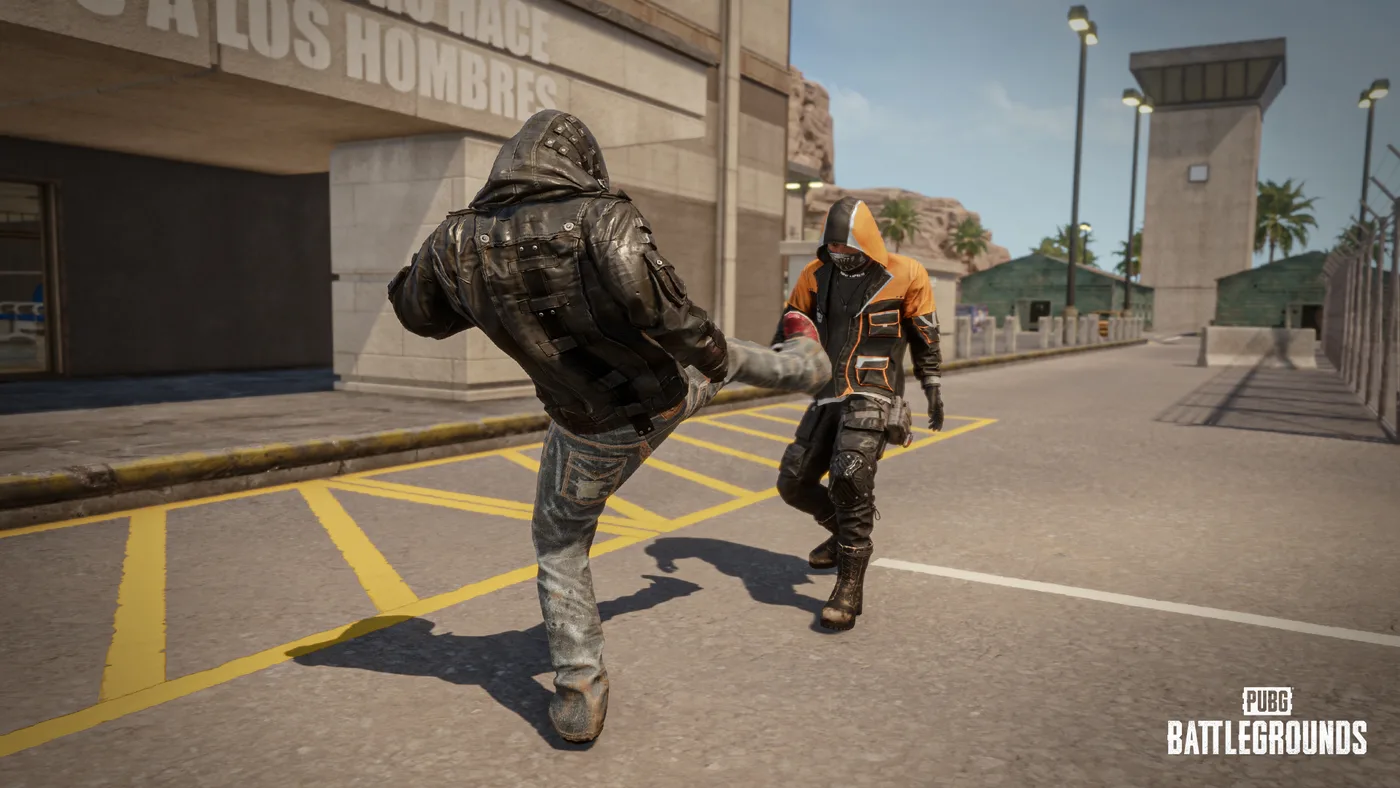
How to Kick in PUBG: Update 43.1's New Melee Action
Update 43.1 gave PUBG a kick button. Right-click while unarmed and you can shove a player off a heal, boot a wooden door off its frame, or shake loot out of a vending machine faster than the interact prompt would. Here is exactly what KRAFTON's patch notes confirm about it — inputs, the destructible list, the vending machine cost — and the parts they left unstated.
PUBG Water Play Guide: Swimming, Diving, and Boats
Water in PUBG is where confident players go to drown themselves. A swimmer is down to a sidearm they can only fire while holding still, boats are loud, and the coast is a death trap when the circle pulls seaward — but each of those facts is also a weapon if you know the rules. Here's the whole waterlogged playbook, revised for Update 43.1.
PUBG Crosshair Placement Guide: Pre-Aim, Win First
The guy who killed you didn't aim faster — he aimed earlier. Crosshair placement is the cheapest aim upgrade in PUBG: keep the dot at head level, park it where enemies appear, and most of your duels are over before they start.
PUBG Vehicle Combat Guide: Driving, Drive-Bys, Cover
A vehicle in PUBG is a weapon, a wall, and a coffin depending on how you use it. Here's how to drive under fire, land drive-bys, use the engine block as cover, and bail before the thing cooks off underneath you.
Best Weapons in PUBG: Tier List
Every PUBG tier list is out of date the moment a balance patch drops. So here's the list, ranked by role, plus the durable logic to re-tier any gun yourself when the next patch shakes things up.
Best PUBG Loadouts & Attachments
A naked M416 and a fully kitted M416 are basically two different guns. Here's how to build the strongest two-gun loadouts in PUBG and the attachment priority that turns loot into recoil control.