PUBG Third-Party Guide: Avoid and Exploit the Third
The player who wins a PUBG fight and the player who wins the lobby are usually different people — and the difference is the third party. Here's how to stop getting jumped mid-fight and how to be the one doing the jumping.
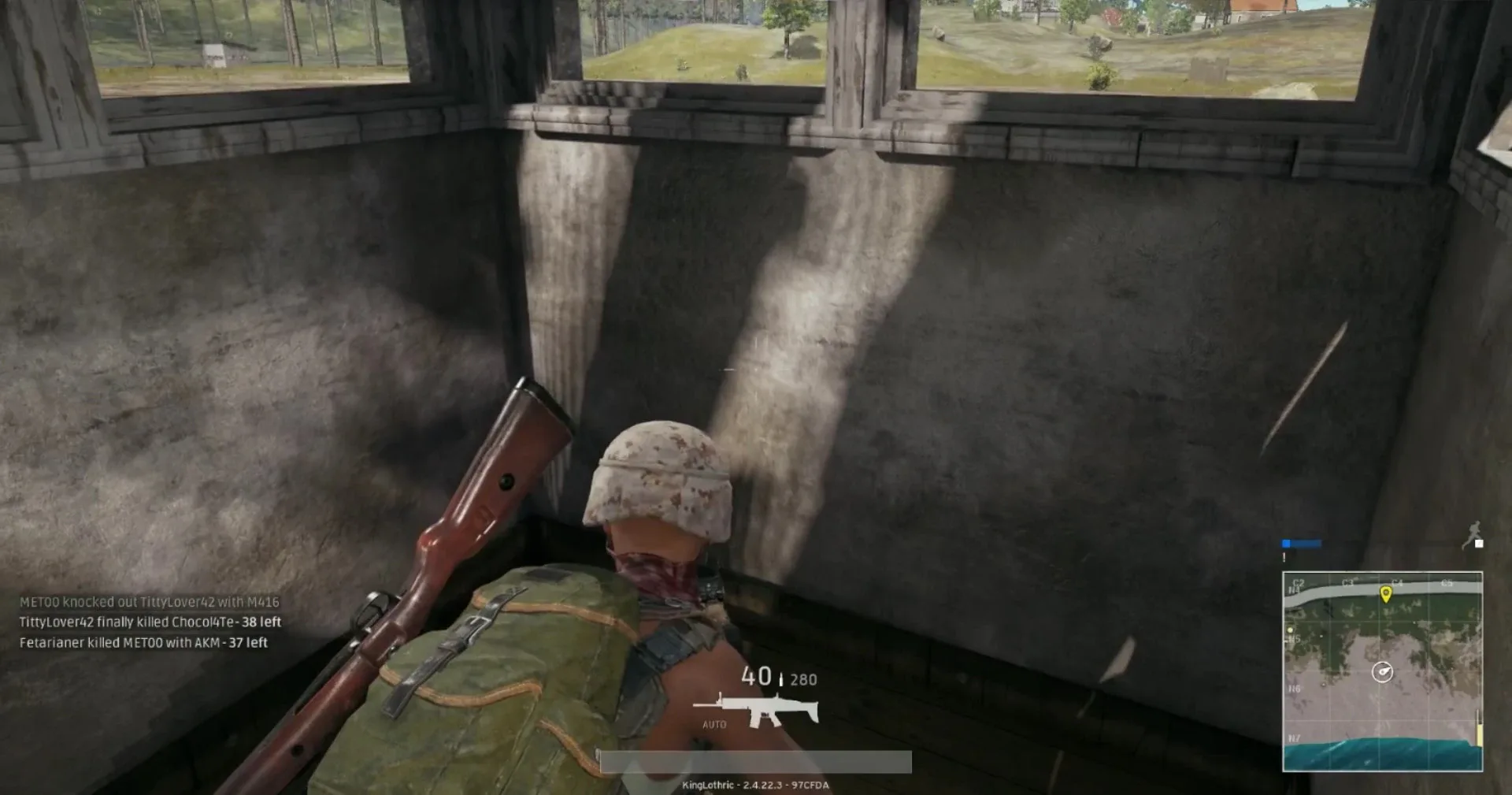
You just won a clean 1v1. Nice spray transfer, popped their armor, knocked the last guy — and while you're standing over the loot with 40 health and one mag, a squad you never heard rolls up from the ridge and erases you in two seconds. That's the third party, and if it feels like it happens every single game, that's because in PUBG: Battlegrounds it basically does. The player who wins a fight and the player who wins the lobby are usually two different people.
This is the single most important strategic concept in battle royale, and it's not really about aim at all. It's about understanding that every gunfight is a loud, position-revealing event that invites everyone nearby to come collect the survivors. Once you internalize that, two things change: you stop taking fights that get you killed by the third party, and you start being the third party that cleans up everyone else's.
This doesn't change with patches — it's the fundamental math of a shrinking lobby full of players. Pair it with your audio and sound-whoring habits and your movement and positioning, and you'll stop feeding kills to people who did none of the work.
Winning the fight is not winning the lobby
Reframe what a gunfight costs you. When you engage, you spend three resources all at once: your position (gunfire and muzzle flash announce exactly where you are), your resources (ammo, heals, grenades, and armor durability), and your attention (you're locked forward on the enemy, blind to your flanks). A third party is just another player showing up to spend their position and resources against a you that's now low on all three.
That's why the winner of the first fight is at a disadvantage against the third party, even if they're the better player. They're low on health and ammo, still mid-heal or mid-reload, and their position is known. The third party arrives full, informed, and unheard. The whole game is figuring out how to not be that depleted first-fight winner — and how to be the fresh third party instead.
Everything else in this guide flows from that one idea.
Why third parties happen
Third parties aren't bad luck. They're the predictable result of three things, and once you know the triggers you can control your exposure to them:
- Gunfire is a giant audio flare. Every shot you fire is heard by players hundreds of meters away, and PUBG's directional audio tells them exactly where to look. A sustained firefight is a dinner bell. Sniper shots and unsuppressed sprays carry the farthest.
- The circle concentrates everyone. As the blue zone shrinks, more squads are packed into less space. A fight that would've been private on the open early-game map is now happening 150 meters from three other teams who all heard it.
- Downed players are bait. A knock creates a revive — a stationary, distracted, vulnerable moment for the winning side. Smart players wait specifically for that, because a team hunched over a teammate in the open is the easiest kill in the game.
Notice the theme: the fight itself is what draws the third party. So a lot of avoidance is simply about controlling how loud, how long, and how exposed your fights are.
How to avoid getting third-partied
You can't make yourself invisible, but you can make yourself a bad target. The habits that keep you alive after a fight:
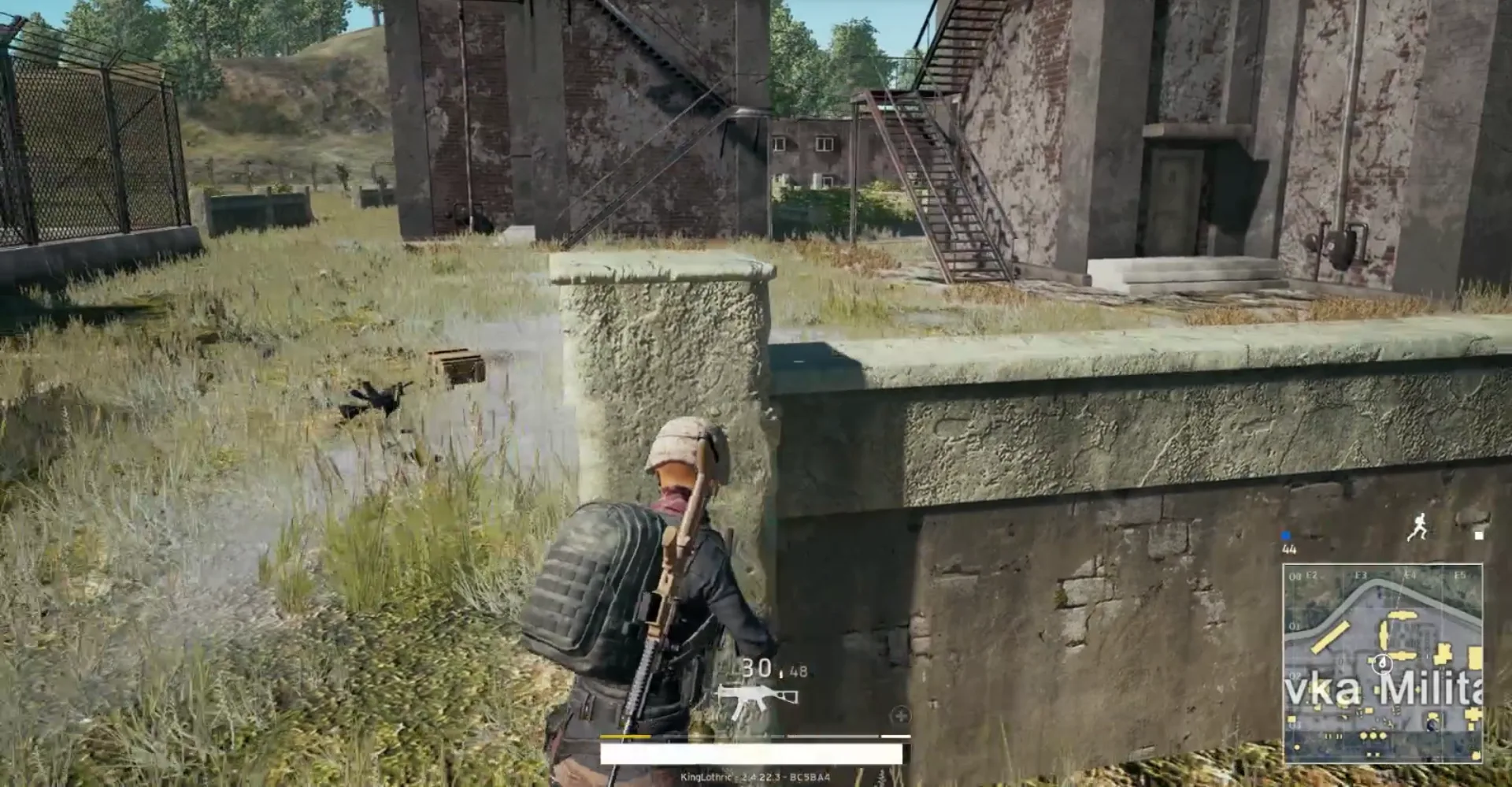
- Fight with an escape route already in mind. Before you engage, know where you'll go the moment the fight ends — which piece of cover, which building, which fold in the terrain. Fighting with your back to open ground is how the third party gets a free angle on you.
- Watch your flanks and your rear, not just the enemy. The third party almost never comes from the direction of your current fight. Glance behind you between exchanges. If you're in a squad, one player should be watching the likely third-party angle instead of piling onto the same target.
- Use suppressors to hide the direction. A suppressor doesn't silence you, but it makes your fire much harder to locate directionally at range — which is exactly the information a third party needs. On a rotation-and-fight loadout it's genuinely worth a slot.
- Don't over-commit to a fight you can't finish fast. A long, drawn-out poke war across a field is a third-party magnet. Every extra second you're firing is another second for someone to close the distance. Either commit and end it, or break contact.
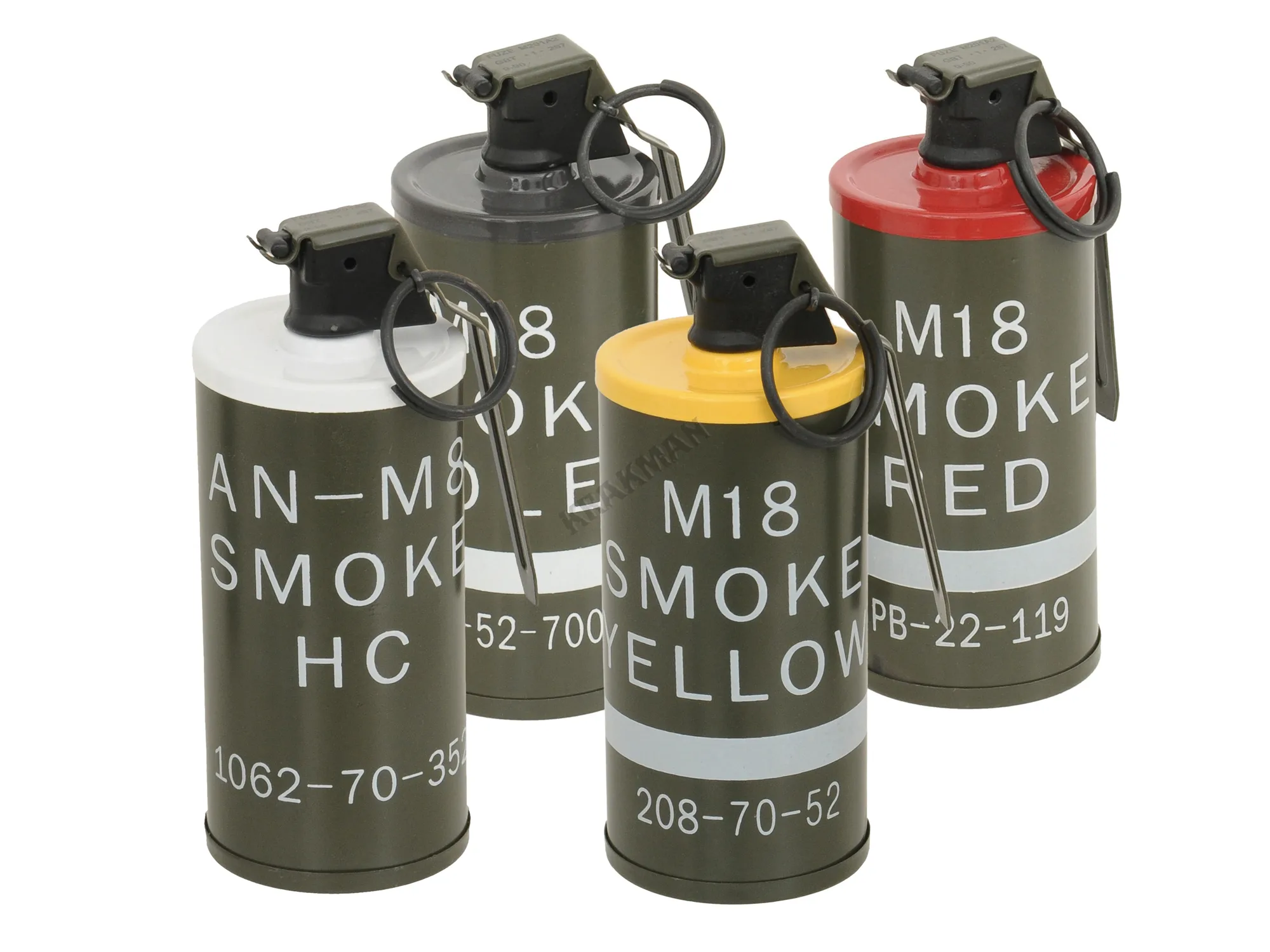
- Pop smoke to cover the aftermath. The moment a fight ends, you're at your most vulnerable — low, reloading, maybe reviving. A smoke grenade between you and the wider map buys you the seconds to heal, res, and reposition without a sniper watching.
End fights fast, then relocate
The two-part rule that prevents most third-party deaths: end fights fast, then move.
Fast matters because time is the third party's ally — the longer your fight runs, the more likely someone arrives mid-exchange. So commit to fights you can actually close: don't start a poke war you'll be stuck in for two minutes; push the advantage the moment you get a knock; use grenades to break a stalemate rather than trading rifle shots across a compound forever.
Then move — because the spot where you won the fight is the exact spot every third party is now walking toward. The instant it's clean, grab essential loot only (armor, ammo, heals — not every attachment) and relocate to fresh cover. The player who loots the box for a full minute standing in the open is the player who dies to the third party. Loot fast, or loot later from safety.
How to third-party other fights
Now flip it. Being the third party is one of the highest-value, lowest-risk plays in PUBG, because you're engaging players who've already spent their health, ammo, and attention on each other. Here's how to do it deliberately instead of by accident.
- Use gunfire as your radar. When you hear a fight, don't run from it — orient on it. That sound is telling you where two or more teams are and, crucially, that they're distracted and burning resources. That's an opportunity, not a threat, if you approach it right.
- Approach under cover, from an unexpected angle. Don't sprint at the fight down the obvious lane — the winner will be watching that. Loop around, use terrain and buildings, and arrive from a flank neither team is covering. You want to be the fresh gun on a tired, one-directional defense.
- Let the fight resolve before you commit. The best third party often waits for the first fight to nearly finish. Charging in while both teams are still full just makes it a 3-way brawl where you're the one who gets third-partied by the fourth team. Patience is the whole edge.
- Punish the revive. The perfect third-party window is the moment a team knocks an enemy and moves to res — they're stationary, clustered, and looking the wrong way. That's when you open up.
Timing the third party
The difference between a good third party and a suicidal one is entirely timing, so it gets its own beat.
Come in too early, while both original teams are healthy, and you've turned a 1v1 into a fight where you're outnumbered and just as loud as everyone else — now you're the target. Come in too late, after the winner has fully healed, relooted, and repositioned into cover, and you've lost the entire advantage that made third-partying worth doing.
The sweet spot is the ragged moment right as the first fight resolves: someone just got the knock, health bars are low on both sides, mags are empty, and nobody's set up yet. You want to arrive in that 5-to-15-second window of maximum chaos — fresh, from an angle they aren't watching, with a full mag. Listen for the fight to thin out (fewer guns firing, a knock callout's worth of silence) and move on that cue, not on the opening shots.
Fight selection: the real skill
Here's the uncomfortable truth underneath all of this: the best PUBG players don't win more fights, they take fewer bad ones. Fight selection — deciding which fights are worth the position, resources, and attention they cost — is the actual high-level skill, and third-party awareness is the core of it.
Before you commit to any fight, run a quick check:
- Do I gain anything? Kills you don't need aren't worth the exposure. If a fight doesn't improve your position, your loot situation, or your survival, the correct play is often to not take it and let other teams thin each other out. This is especially true in solo and ranked, where placement points reward patience.
- Can I finish it fast and clean? A quick, decisive fight with a clear escape is worth taking. A grinding cross-map poke war that broadcasts your position for two minutes usually isn't.
- Who else can hear this? Late game, near a hot circle, or right after another nearby fight — assume a third party is coming and weigh the fight accordingly. Early game on the open map with nobody around, the same fight is far safer.
- What's my out? If you can't answer where you'll go when it ends, you're not ready to start it.
Sometimes the best players in the lobby are the ones you never see until the last circle, because they let everyone else third-party each other into oblivion. Not taking the fight is a play.
The clean disengage
Committing to a fight you can win is a skill. Recognizing a fight you should leave — and getting out cleanly — is a rarer and more valuable one. Ego is what keeps players in fights that are actively getting them killed.
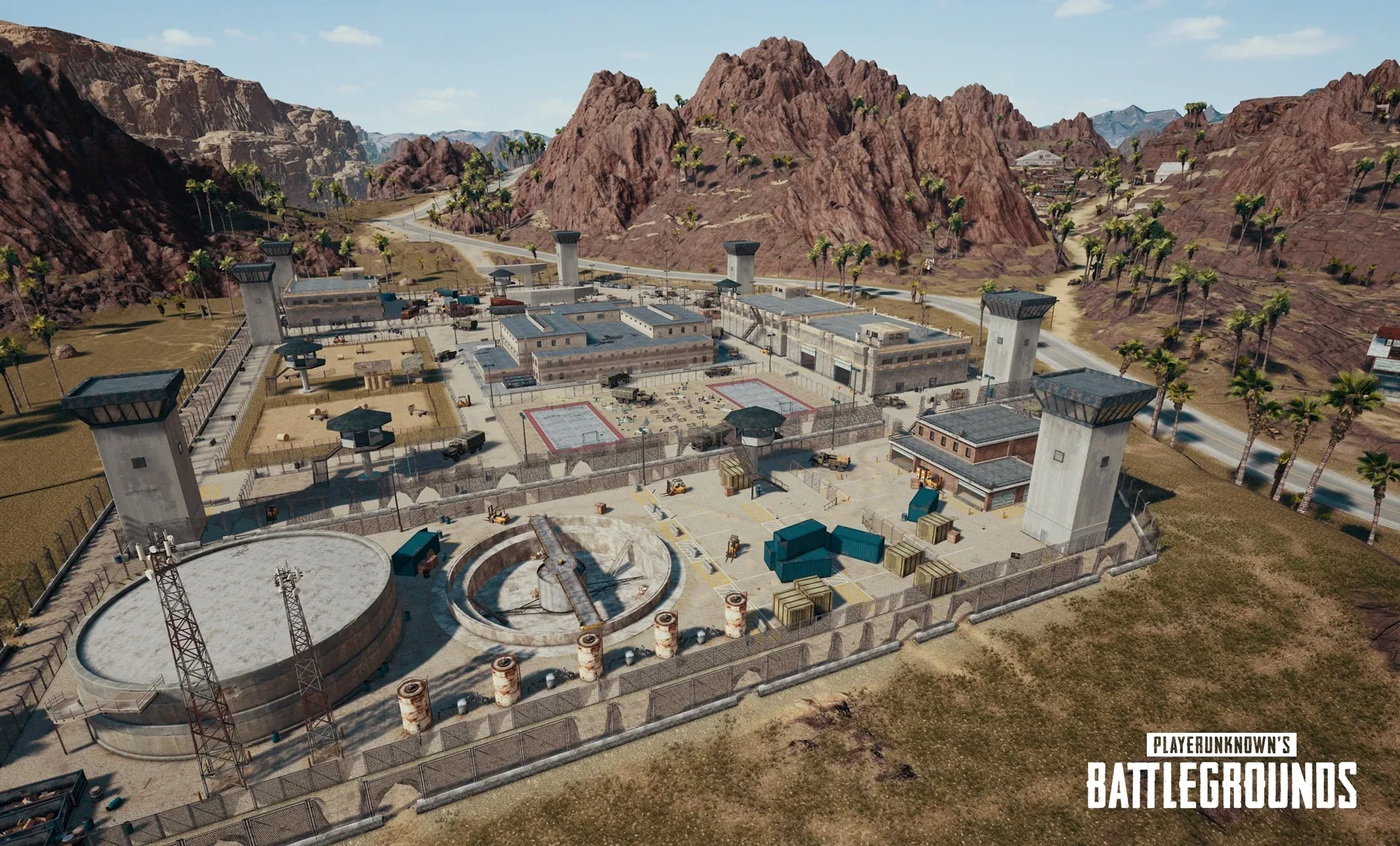
How to break off a fight without dying doing it:
- Disengage the moment the math turns. You get third-partied, you lose a squadmate, you're low on heals with no knock to show for it — that's the signal to leave, not to double down. The sunk cost of the fight you've already spent resources on is exactly the trap.
- Break line of sight first, then move. Don't sprint across open ground the instant you decide to leave — that's a free shot for everyone watching. Use a building, a hill, or a smoke grenade to break their sightline, then relocate hard while they can't track you.
- Leave toward cover and the circle, not away into the open. A disengage that strands you in an open field on the wrong side of the blue zone just trades one death for another. Break contact toward the next safe position you actually want to be in.
- Reset and re-heal before you're seen again. The point of disengaging is to get back to full — health, ammo, position — so that the next fight you take is on your terms as the fresh gun instead of the depleted one.
A clean disengage isn't losing. It's refusing to be the depleted first-fight winner that the whole lobby is lining up to punish.
Quick Action Checklist
- Before any fight, know your escape route and whether the fight actually gains you anything — skip the ones that don't
- End fights fast: commit and close, or break contact — never grind a two-minute poke war that broadcasts your position
- The instant a fight ends, grab only essential loot and relocate — the spot you won at is where every third party is walking
- Watch your flanks and rear between exchanges; the third party comes from a direction you aren't fighting
- Run a suppressor and pop smoke to hide your direction and cover the vulnerable post-fight moment
- To third-party, use gunfire as radar, approach under cover from an unexpected angle, and let the first fight nearly resolve before committing
- Time your third party for the 5-15 second window of maximum chaos — someone just got knocked, mags are empty, nobody's set up
- Disengage the moment the math turns: break line of sight first, move toward cover and the circle, then reset to full before the next fight
Frequently Asked Questions
What does third-party mean in PUBG?
How do you avoid getting third-partied in PUBG?
How do you third-party a fight in PUBG?
When should you not take a fight in PUBG?
How do you disengage from a fight in PUBG?
Keep Reading
Related Guides
PUBG Mid-Game Guide: Own Phases 2 Through 5
You survived the drop and you'll survive the final ten — but the match is decided in the messy middle, phases two through five, where most players just react to the blue and hope. Here's how to turn the mid-game into a lead instead of a coin flip.
PUBG Duo Strategy Guide: How to Actually Win as Two
Duos is the least forgiving mode in PUBG and nobody talks about it that way. You get exactly one teammate, which means you get exactly one mistake — and the moment you're both down, the game ends instantly with no third player to clean up. Here's how two players actually win.
PUBG Flanking Guide: Win Fights From the Side
A head-on peek war between two decent players is a coin flip. A flank removes the coin. Here's how to get to an enemy's blind side, when it's worth it, and how to close the kill without handing it back.
PUBG Solo Strategy Guide: How to Survive and Win Alone
Solo PUBG is a different game from squads, and most people play it like they still have backup. There's no revive, no trade, no one to call the flank — every fight you take is a coin flip you don't have to flip. Here's how to actually survive solo queue and solos-vs-squads.
Best Weapons in PUBG: Tier List
Every PUBG tier list is out of date the moment a balance patch drops. So here's the list, ranked by role, plus the durable logic to re-tier any gun yourself when the next patch shakes things up.
Best PUBG Loadouts & Attachments
A naked M416 and a fully kitted M416 are basically two different guns. Here's how to build the strongest two-gun loadouts in PUBG and the attachment priority that turns loot into recoil control.