RE4 Remake Attaché Case Guide: All 7 Cases and Effects
The case you equip in the Resident Evil 4 remake is a drop-rate modifier wearing a skin. Here are all seven, what each one boosts, the 20 spinel Leon pays for the two buyable ones, and why the Gold and Classic cases you thought you missed are still on sale.
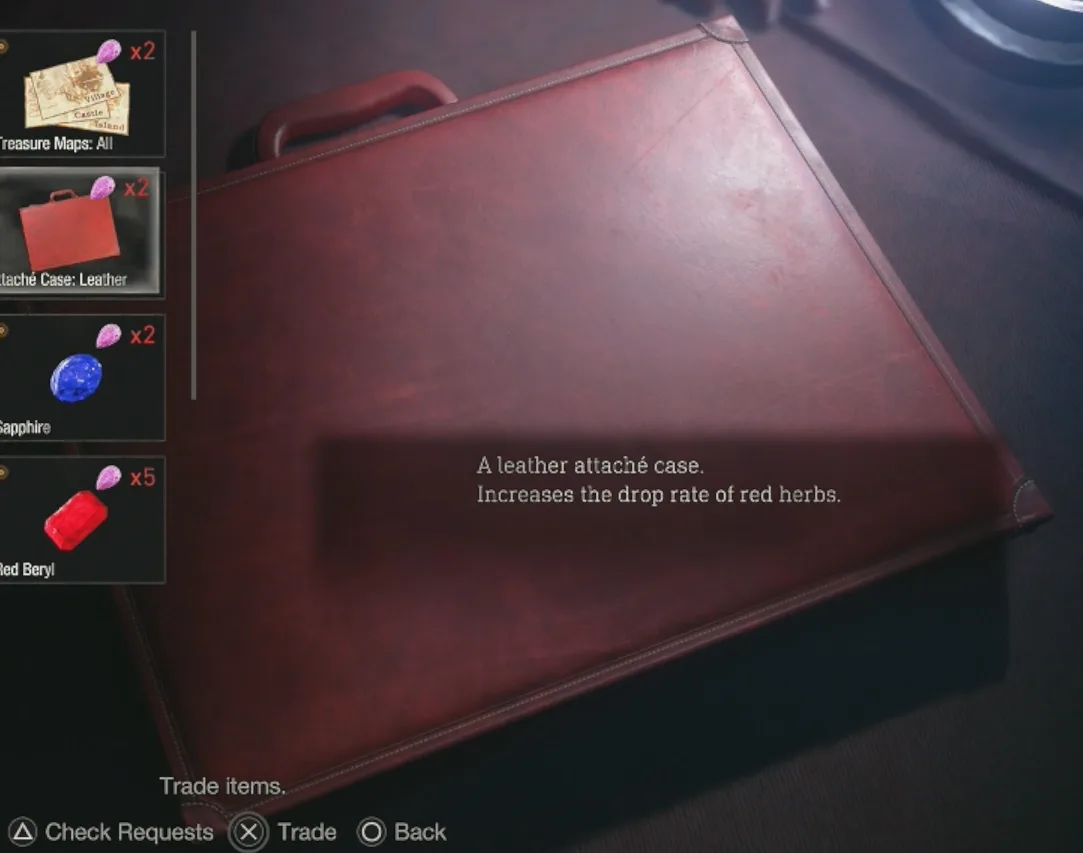
Open the Customize Case menu at a typewriter in the Resident Evil 4 remake and the game presents your attaché case options the way it presents charms and costumes: as decoration. It is not decoration. Every case in the game carries a drop-rate bonus, each one boosts a different thing, and swapping between them costs nothing once you own them.
There are seven cases in the remake, counting Separate Ways. Two of them Leon buys from the Merchant with spinel, two are pre-order and Deluxe bonuses that Capcom also sells for a dollar, two exist only in Ada's campaign, and one you already have.
Two different things are called the case
The remake has two entirely separate case purchases, and they share a word:
- Case Upgrades are bought with pesetas and make the grid bigger. The largest in the main game is the 9x13 at 117 slots for 64,000 pesetas, which the Merchant stocks in Chapter 13 — the Merchant and spinel guide covers when to buy the intermediate sizes.
- Attaché Cases are the named ones — Silver, Black, Leather and the rest. They are bought with spinel or unlocked as DLC, and each carries a drop-rate bonus.
The split is clean in both directions on the Resident Evil Wiki: not one of the four Case Upgrade pages (7x12, 8x12, 8x13, 9x13) lists a drop bonus, and not one of the seven Attaché Case pages lists a grid size. Buying a new case does not make your inventory bigger, and upgrading your grid does not change which items drop more often. The wiki's own type labels are less careful — the Black case page is tagged "Case Upgrade" while the other six case pages are tagged "Attaché Case" — so go by what a page actually lists, not by how it is filed.
Charms are a third system again — three slots hanging off whatever case you have equipped, mostly rolled from the shooting range prize machine, though Capcom also sells two of them (Handgun Ammo and Green Herb) as $0.99 Steam DLC. The charms guide handles those. The case bonus does not eat one of the three charm slots.
All seven cases in one table
Effects below are the inventory descriptions the game itself prints, as transcribed on each case's wiki page.
| Case | Boosts drop rate of | Where it works | How you get it |
|---|---|---|---|
| Silver | Handgun Ammo | Main game, Separate Ways, The Mercenaries | Default for every character |
| Black | Resources (L) | Main game, Separate Ways | 8 spinel from Chapter 4 (main) / 2 spinel (Separate Ways) |
| Leather | Red Herbs | Main game, Separate Ways | 12 spinel from Chapter 7 (main) / 2 spinel (Separate Ways) |
| Gold | Pesetas | Main game only | Pre-order or Deluxe/Collector's bonus; also sold separately |
| Classic | Gunpowder | Main game only | Pre-order or Deluxe/Collector's bonus; also sold separately |
| Carbon | Resources (S) | Separate Ways only | 2 spinel |
| Vintage | Green Herbs | Separate Ways only | 2 spinel |
Two notes on that table before anyone uses it as gospel.
The Leather chapter is disputed. Game8's spinel list and Evil Resource both place it in the Merchant's stock from Chapter 7; the Resident Evil Wiki says Chapter 8. GameWith splits the difference with "after chapter 7." I have listed 7 because two independent sources give it, but if it is not in his stock when you look, check again after the next Merchant.
Silver is the only one of the seven whose wiki entry lists The Mercenaries among its modes. That is a statement about the wiki's mode fields across all seven pages, not a Capcom-confirmed restriction — but if you were hoping to bring the Gold case into a Mercenaries run for the peseta bonus, nothing published says you can.
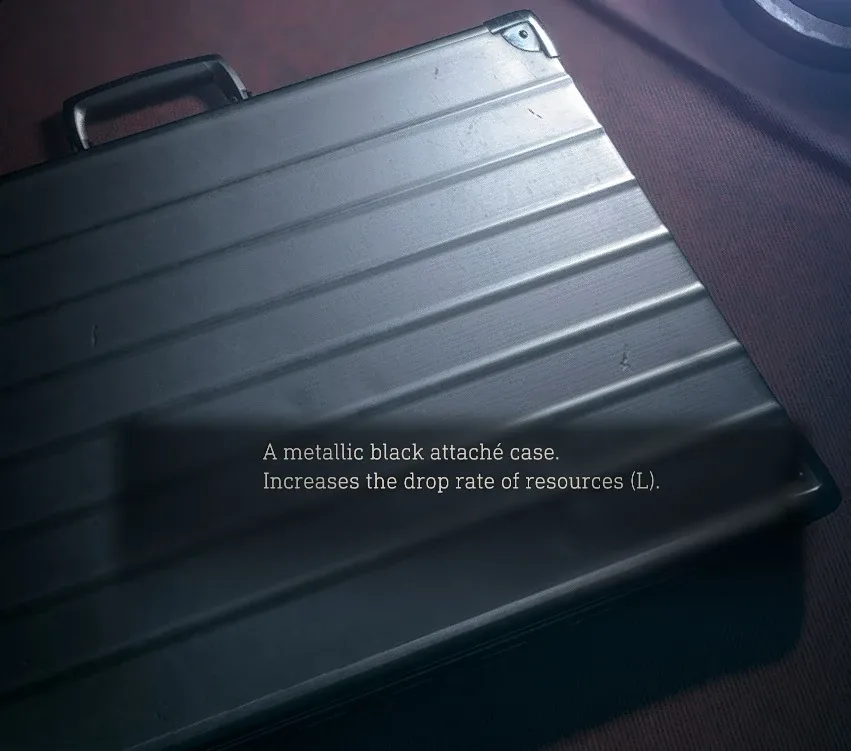
Leon's two buyable cases cost 20 spinel
Black is 8 and Leather is 12. That is 20 spinel for both, and spinel is the currency the whole run is short of.
Put it against the purchase Game8's trade guide ranks first. An Exclusive Upgrade Ticket costs 30 spinel the first time and 40 the second — 70 for the pair, and Game8 puts the tickets at the top of its spinel priority list with the two cases fourth, behind trade-exclusive weapon parts and the single 3-spinel yellow herb. The merchant requests guide works out that a complete request board pays 84 spinel, which is the reliable floor for a run rather than a hard ceiling.
Run the arithmetic and the conflict is exact: 70 for both tickets plus 20 for both cases is 90, six more than the request board pays — and that is before the laser sight, the Red9 or TMP stock, the treasure maps and the yellow herb, which are another 20-plus spinel of stock the Merchant puts in front of you. From request income alone you cannot have both cases and both tickets. Spinel also turns up in treasure containers and the occasional enemy drop, so the gap is closeable — but it is a gap, and the second ticket is what has to give if you buy both cases.
Game8 reaches the same conclusion from the other end: it calls 12 spinel "a bit pricey," says you will not need both, and tells you to pick the resource you run out of more often. My read: buy Black in Chapter 4 and stop there. It is the cheaper case, it arrives early enough to affect two thirds of the game, and on the ten-row crafting menu in Leon's campaign, six rows take Resources (L) against four that take Resources (S). Leather at 12 spinel is 40% of your first upgrade ticket for a herb that you can also just pick up.
Gold and Classic are still on sale
These two started as pre-order and Deluxe Edition bonuses, which is the reason they get written up as missable. They are not missable. Capcom put both on Steam as standalone DLC on 22 June 2023 at $0.99 each, and both were still listed at that price when this post went up — Gold for the peseta drop rate, Classic for gunpowder.
There is one restriction, and Capcom's own store text is blunt about it: this content "can only be used in the main story of Resident Evil 4. It cannot be used in the paid extra game, Separate Ways." Ada does not get a peseta case.
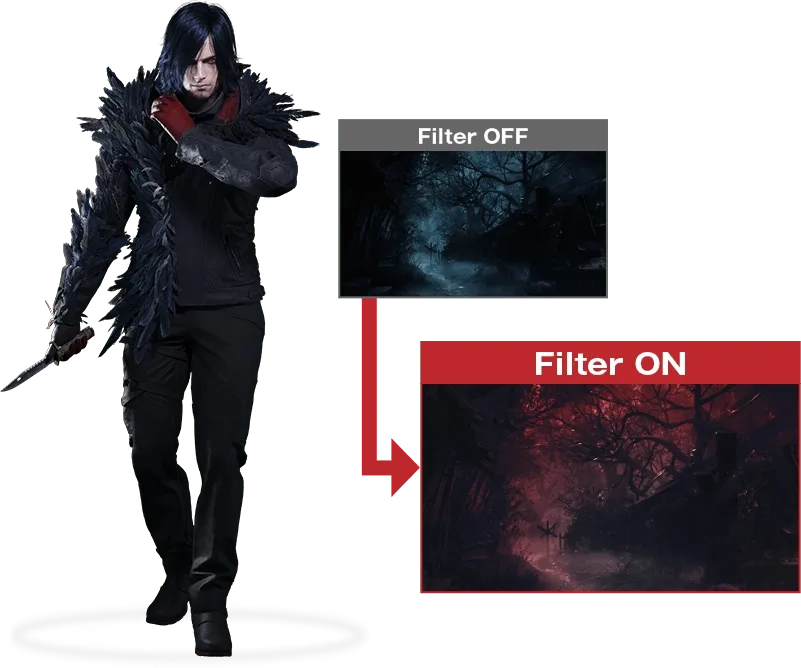
That restriction is specific to these items, not a blanket rule about paid extras. Capcom prints a per-item line on each DLC store page, and those lines go both ways: the Sentinel Nine, the Skull Shaker, the Treasure Map: Expansion and the Original Ver. soundtrack swap are main-story-only like the cases, while the Casual, Romantic, Hero and Villain costumes, the Sporty Sunglasses and the separately sold Exclusive Upgrade Ticket DLCs say they "can be used in both the main story of Resident Evil 4 and the paid extra game, Separate Ways." The Hero and Villain sets split the difference: the costume crosses over, the screen filter bundled with it does not. Read the note on the item rather than assuming.
If you own the Deluxe or Gold Edition you already have both cases — they arrive in the Extra DLC Pack alongside the Sentinel Nine and Skull Shaker weapons, the costume sets and the Treasure Map: Expansion. Check the Customize Case menu at any typewriter before you spend a dollar on something sitting in your library.
Which case to actually run
The bonuses do not compete on power — they compete on what your run is short of. Four honest matchups:
Standard first playthrough: Black. Resources (L) feeds the submachine gun, rifle, grenade and bolt recipes, and the Merchant charges 1,900 pesetas for one while paying you 950, so it is the material you least want to buy. The crafting guide has the full recipe list.
Professional or a no-healing-item run: Leather. Red herbs are why the herb economy works. Green plus red lands in the same healing bracket as three greens while burning one fewer herb, so more reds means fewer herbs spent per heal — not just more healing.
A money run: Gold. If you are chasing the 64,000-peseta case upgrade, an 80,000-plus exclusive upgrade, or the treasure combinations that pay six figures, pesetas are the bottleneck and Gold is the only case that touches them.
A gunpowder-hungry loadout: Classic. Worth checking against your charms first, though. The Cute Bear charm removes a gunpowder from every craft, and running both is doing the same job twice.
If none of that describes your run, Silver is fine. GameWith's case guide recommends starting on Silver for exactly that reason and switching once ammo stops being tight — the default case is not a penalty.
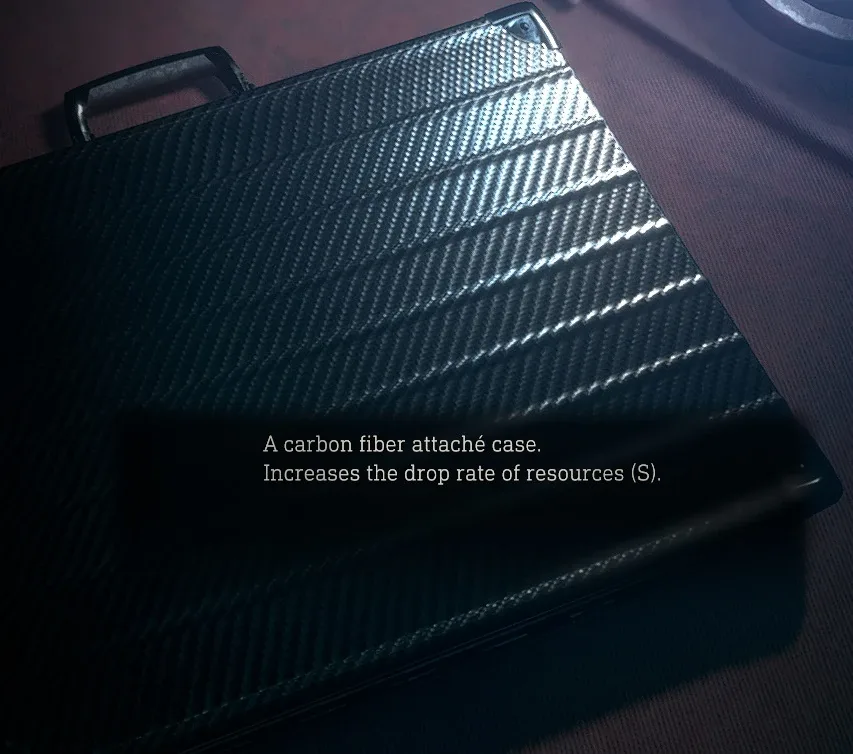
Ada's four cases cost 2 spinel each
Separate Ways prices this system completely differently. Every case Ada can buy is 2 spinel — Black, Leather, Carbon and Vintage — which means the full set costs her 8 spinel where Leon pays 20 for two.
Two of those four exist nowhere else. Carbon boosts Resources (S), the 1x2 material, and Vintage boosts green herbs — the plain healing herb rather than Leather's red. Neither appears in Leon's campaign, and Gold and Classic do not appear in Ada's, so the two campaigns have genuinely different case rosters rather than one being a subset of the other.
At 2 spinel apiece the opportunity-cost argument that governs Leon's purchases mostly evaporates. Buy the ones that match how you are playing her and move on. The Separate Ways guide covers her arsenal and where the rest of her spinel should go.
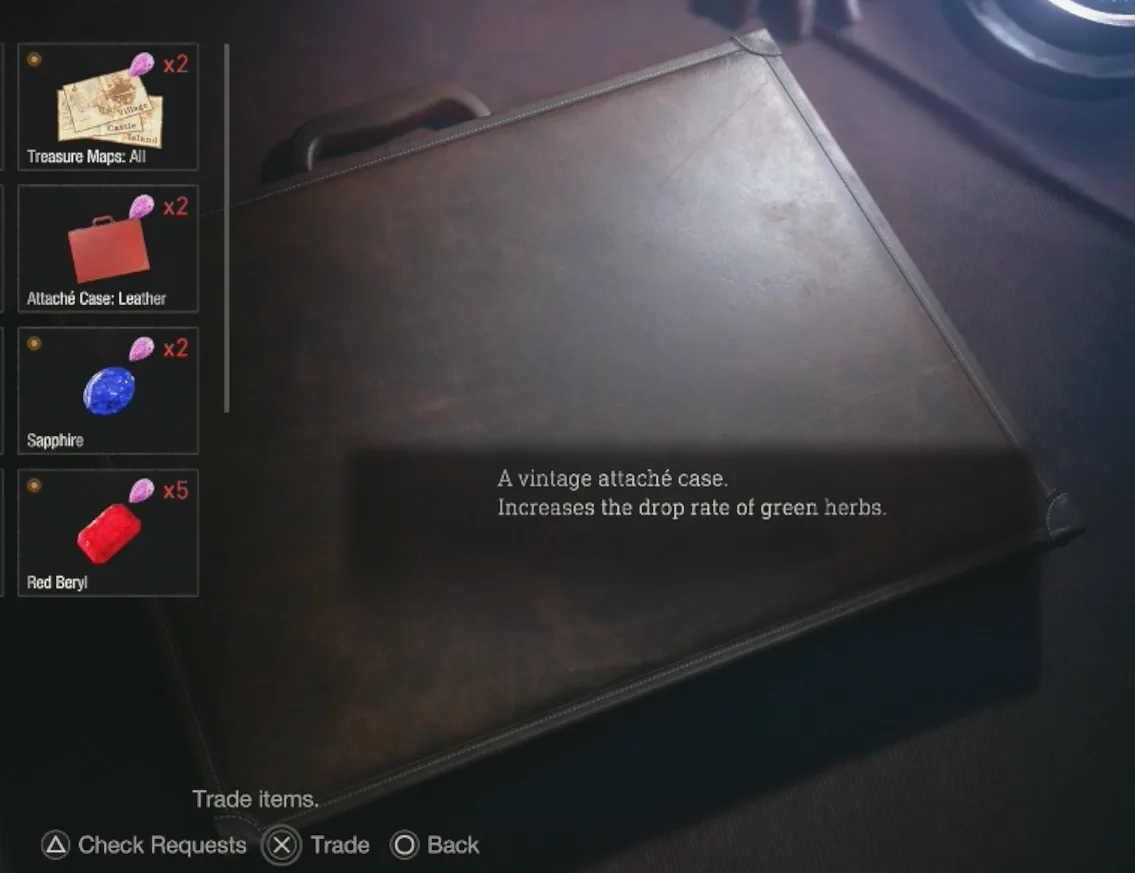
Nobody publishes the actual percentage
Here is the honest limit of this guide. Every case description says the same three words — "increase drop rate" — and puts no number on it.
I checked the wiki's seven case pages, GameWith's case guide and Capcom's own Steam store copy for the two DLC cases. None of them quantifies any of the seven bonuses, and the game does not show you a percentage in the Customize Case menu either. There is no published figure for how much more gunpowder the Classic case produces, or whether the effect scales with difficulty.
So treat a case as a nudge on a system you are already running, not a build-defining multiplier. The 20 spinel question is worth thinking about precisely because the payoff is unquantified: you are trading a known cost for an unknown-size benefit, which is the argument for buying the 8-spinel one and skipping the 12.
Quick Action Checklist
- Seven cases exist: Silver, Black, Leather, Gold, Classic, Carbon, Vintage. Swap between the ones you own for free at any typewriter under Customize Case.
- The case is a drop-rate item. Grid size is a separate pesetas purchase and changing case does not resize your inventory.
- Buy Black for 8 spinel in Chapter 4 for the Resources (L) bonus. It is the cheap one and it arrives early.
- Think twice about Leather at 12 spinel. Both cases plus both Exclusive Upgrade Tickets is 90 spinel; the request board pays 84.
- Missed the pre-order? Gold and Classic are $0.99 each on Steam — and they do not work in Separate Ways.
- In Separate Ways every case is 2 spinel. Carbon (Resources (S)) and Vintage (green herbs) are exclusive to Ada's campaign.
- No source gives a percentage for any case bonus. Do not build a run around one.
Frequently Asked Questions
How many attaché cases are there in the Resident Evil 4 remake?
What does each attaché case do in the Resident Evil 4 remake?
Does changing your attaché case change your inventory size in RE4 remake?
Can you still get the Gold attaché case in Resident Evil 4 remake?
What does the Leather attaché case cost in RE4 remake?
Which attaché case is best in the Resident Evil 4 remake?
Keep Reading
- Resident Evil Wiki — Silver case, default for all characters, handgun ammo drop rate, listed in main game, Separate Ways and The Mercenaries
- Resident Evil Wiki — Black case, Resources (L) drop rate, 8 spinel in Chapter 4 and 2 spinel in Separate Ways
- Resident Evil Wiki — Leather case, red herb drop rate, 12 spinel (wiki says Chapter 8) and 2 spinel in Separate Ways
- Resident Evil Wiki — Gold case, peseta drop rate, pre-order/Deluxe/Collector's unlock, main game only
- Resident Evil Wiki — Classic case, gunpowder drop rate, pre-order/Deluxe/Collector's unlock, main game only
- Resident Evil Wiki — Carbon case, Resources (S) drop rate, 2 spinel, Separate Ways only
- Resident Evil Wiki — Vintage case, green herb drop rate, 2 spinel, Separate Ways only
- Resident Evil Wiki — Case Upgrade (9x13), 117 slots for 64,000 pesetas in Chapter 13, filed as a separate item type from the named cases
- GameWith — all five main-game cases with effects and acquisition, and no percentage given for any bonus
- Game8 — full Merchant spinel trade list by chapter, placing the Black case at 8 spinel in Chapter 4 and the Leather case at 12 spinel in Chapter 7
- Evil Resource — Leather case description and Chapter 7 availability at 12 spinel
- Steam — Attaché Case: Gold standalone DLC, $0.99, peseta drop rate, main story only
- Steam — Attaché Case: Classic standalone DLC, $0.99, gunpowder drop rate, and the note that it cannot be used in Separate Ways
- Game8 — Extra DLC Pack contents and the two cases sold separately at $0.99
- Steam — Casual costume set, part of the Extra DLC Pack, with Capcom's note that it works in both the main story and Separate Ways
- Steam — Exclusive Upgrade Ticket DLC, usable in both the main story and Separate Ways
- Steam — Sentinel Nine, part of the Extra DLC Pack and restricted to the main story like the two DLC cases
- Steam — Handgun Ammo charm sold as $0.99 DLC, showing not every charm comes from the shooting-range machine
Related Guides

RE4 Gold Edition on Switch 2: What Hands-On Previews Show
Capcom's September 9 announcement gave Resident Evil 4 Gold Edition a release date and a price on Switch 2, but said nothing about how it would actually run. Tokyo Game Show 2026 is where that got answered — by the press who played it, not by Capcom.
RE4 Remake Switch 2 Release Date and Gold Edition Price
Capcom confirmed Resident Evil 4 Gold Edition for Switch 2 at the September 9 Nintendo Direct — the remake's first native, installed release on Nintendo hardware after three years as a cloud-only stream. Here is the launch date, the price, exactly what the bundle includes, and what it quietly leaves out.
RE4 Remake Costumes and Accessories: Every Perk
Capcom's own manual calls costumes and accessories a Perk system, not a wardrobe. Most of the 39 options in the Resident Evil 4 remake do nothing mechanically — but six of them, one costume and five accessories, genuinely change how the game plays, and four of those five accessory perks are locked behind an S+ run on a specific difficulty.
RE4 Remake Difficulty Guide: What Each Mode Changes
The Resident Evil 4 remake asks you to pick a game mode before it has taught you anything, then refuses to let you change your mind. Here is what each of the four actually modifies, straight off Capcom's own manual, and the two narrow exceptions to the lock-in.

Resident Evil 4 Remake Beginner Guide: Survive the Village
The 2023 remake gives Leon a parry and takes away his indestructible knife. That single trade is the whole learning curve. Here is how to stop dying in the village and start playing the game the way it wants to be played.
RE4 Remake Shooting Range Guide: All 12 Courses, S Ranks
Four ranges, twelve courses, and a token machine that is not the slot machine it looks like. Here is every course with its locked weapon set and score thresholds, why a sailor target costs you 500 points, and the 2,100 CP the range pays out if you clear it properly.