The Last of Us Part I Chapters: Full Walkthrough Order
The Last of Us is not twelve levels. It is four seasons, and the season you are in tells you more about how an area will play than any chapter name does. Here is the whole road, in order.
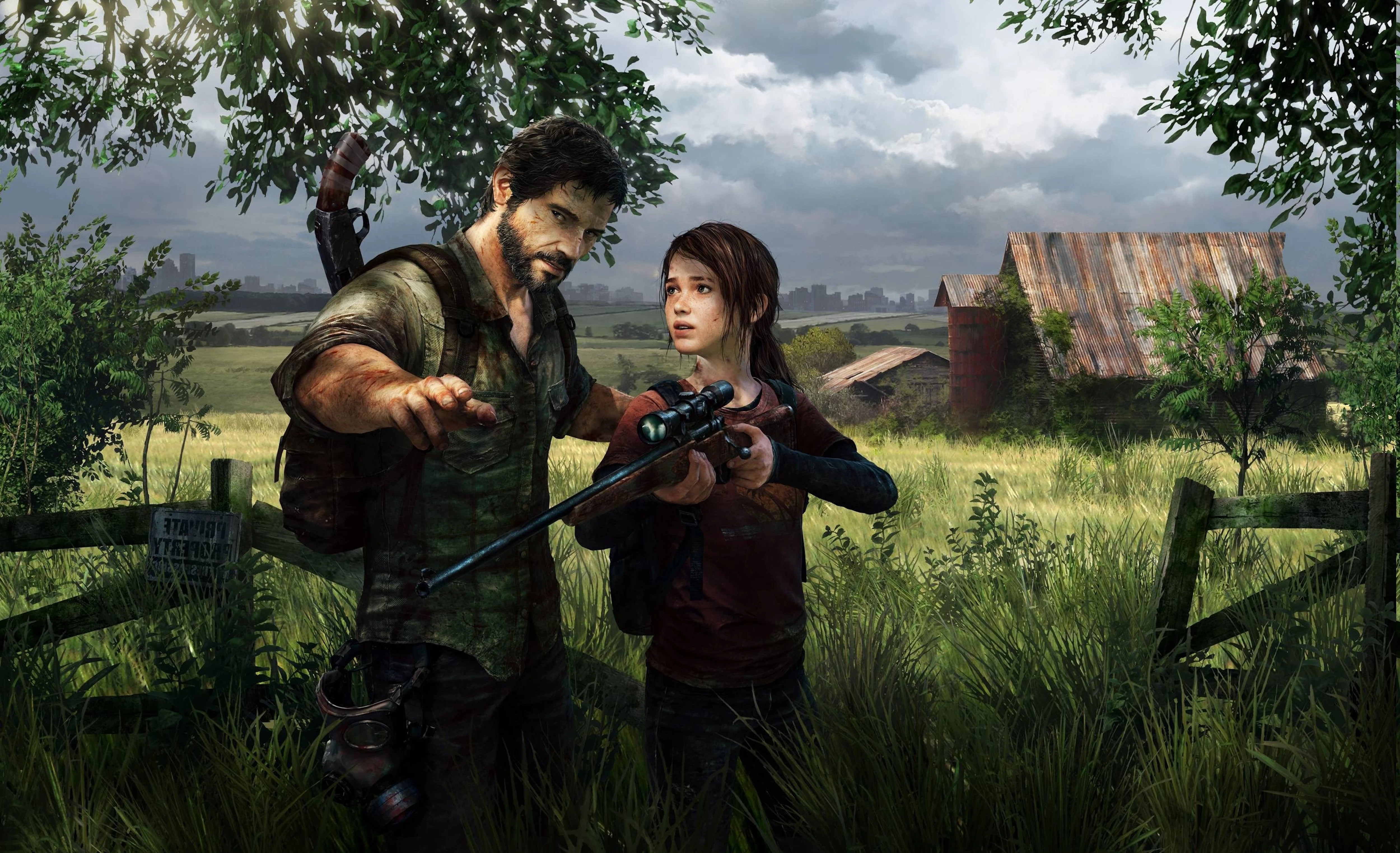
The Last of Us is not twelve levels bolted together. It is four seasons, and once you notice that, the whole game reads differently. Which season you are standing in tells you more about how the next hour will play than any chapter name on the loading screen does. Summer teaches you the systems and buries you in enemies. Fall is a short, brutal comedown. Winter takes the controller out of Joel's hands entirely. Spring closes the loop, fast.
There are twelve chapters in Part I, counting the prologue and the epilogue, and they are grouped under those four seasonal arcs — Summer, Fall, Winter, Spring — each one opening after an unstated gap of weeks or months, with the scenery, the weather, and the relationship between Joel and Ellie all shifted to match. This guide walks the whole road in order, tells you what each stretch actually asks of you as a player, and flags where the difficulty genuinely spikes. It covers the first game only — the original, Remastered, and Part I remake share this exact structure. New to the series? Start at the The Last of Us coverage hub or the wider Mythras blog.
One spoiler note: this names locations, companions, and the season each falls in. It does not spell out the big story beats or the ending — that lives in our ending explained breakdown, and you should not read it until you have finished.
How the game is structured: four seasons, twelve chapters
Here is the entire skeleton on one screen. Memorize the seasons, not the chapter titles, because the seasons are what actually change how you play.
| # | Chapter | Season | You play as |
|---|---|---|---|
| 1 | Prologue | Outbreak night | Sarah, then Joel |
| 2 | The Quarantine Zone | Summer | Joel |
| 3 | The Outskirts | Summer | Joel |
| 4 | Bill's Town | Summer | Joel |
| 5 | Pittsburgh | Summer | Joel |
| 6 | The Suburbs | Summer | Joel |
| 7 | Tommy's Dam | Summer | Joel |
| 8 | The University | Fall | Joel |
| 9 | Lakeside Resort | Winter | Ellie |
| 10 | Bus Depot | Spring | Joel |
| 11 | The Firefly Lab | Spring | Joel |
| 12 | Epilogue | Spring | Joel |
The shape that matters: Summer is six of the twelve chapters. More than half the game is one long, escalating summer, and it is where nearly everything you learn about stealth, crafting, and the infected gets front-loaded. Fall and Winter are single-chapter arcs — short, dense, and each one flips the game on you. Spring is the sprint to the finish.
Prologue: the outbreak-night opening
The prologue is roughly twenty minutes long and it is the best opening in the medium, so play it slowly. You start as Sarah on the night the Cordyceps outbreak breaks containment in 2013, then take over Joel as the three of you try to get out of town. There is almost no combat and no crafting — it is a controlled panic sequence designed to teach you movement and to make you care before the game asks anything of you.
Then it hard-cuts twenty years forward to a Boston quarantine zone, and the real game begins. Do not expect the prologue's pace to continue. It does not.
Summer: Boston to the dam
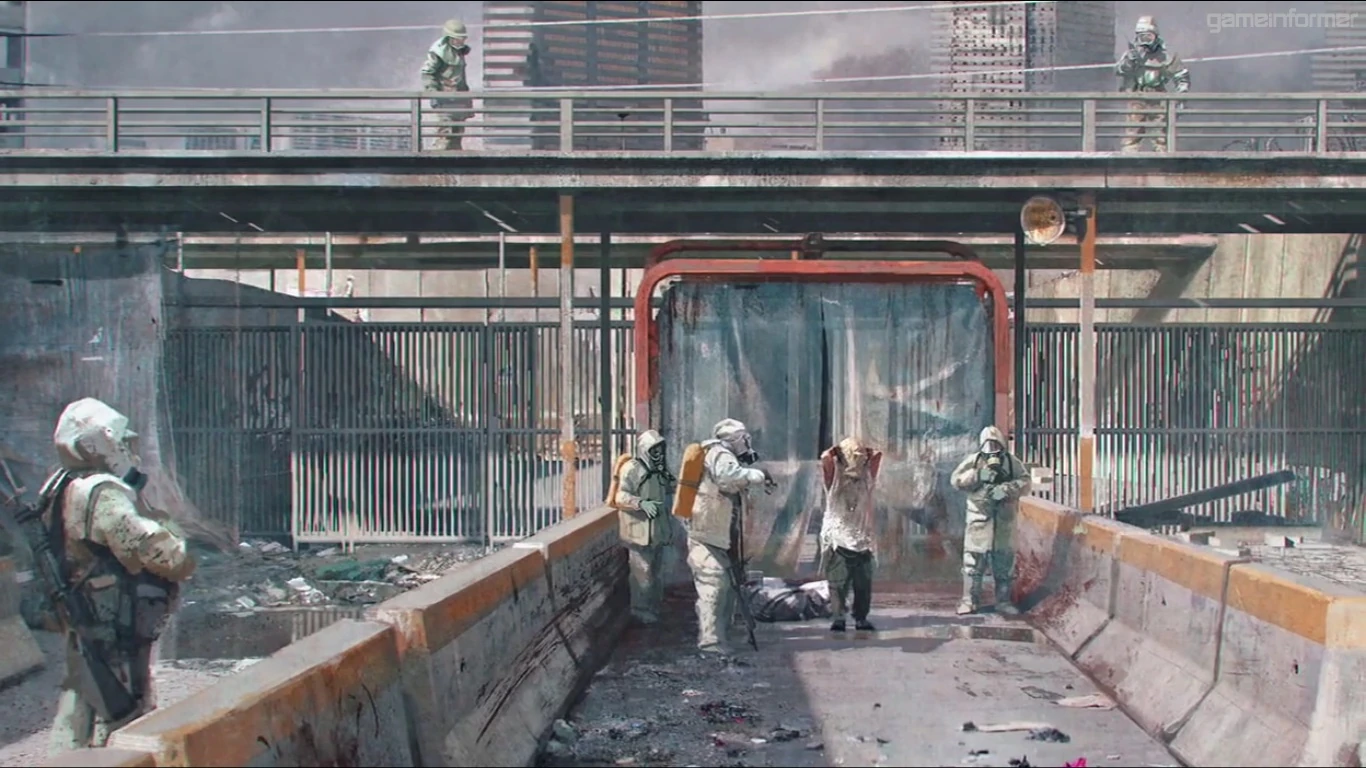
Summer is the bulk of the game and the stretch where you build every habit you will lean on later. It runs from the Boston quarantine zone all the way out to Tommy's dam in Wyoming, and it is where you meet Ellie, learn to smuggle, and get your first real look at every infected stage. If you want a systems primer before you dig in, our infected guide and weapons guide both map cleanly onto what Summer throws at you.
The Quarantine Zone and The Outskirts
The Quarantine Zone (Chapter 2) eases you in with human patrols, a smuggling job, and your first taste of the QZ's grim politics. The Outskirts (Chapter 3) is where the training wheels come off: your first infected, in the flooded, spore-filled ruins of downtown Boston and a museum. This is where you learn that a clicker is a completely different problem from a runner, and where players who never read the infected up close start dying. Take it slowly and let the area teach you.
Bill's Town
Bill's Town (Chapter 4) hands you a memorable one-off companion and a town rigged wall-to-wall with traps, both his and the infected's. The objective boils down to scavenging a working vehicle, which means a lot of doubling back through infected-heavy streets. It is also a strong crafting-economy lesson — this is where hoarding shivs and molotovs starts paying off. If your resource management feels shaky, our crafting and upgrade guide is the companion piece.
Pittsburgh and The Suburbs
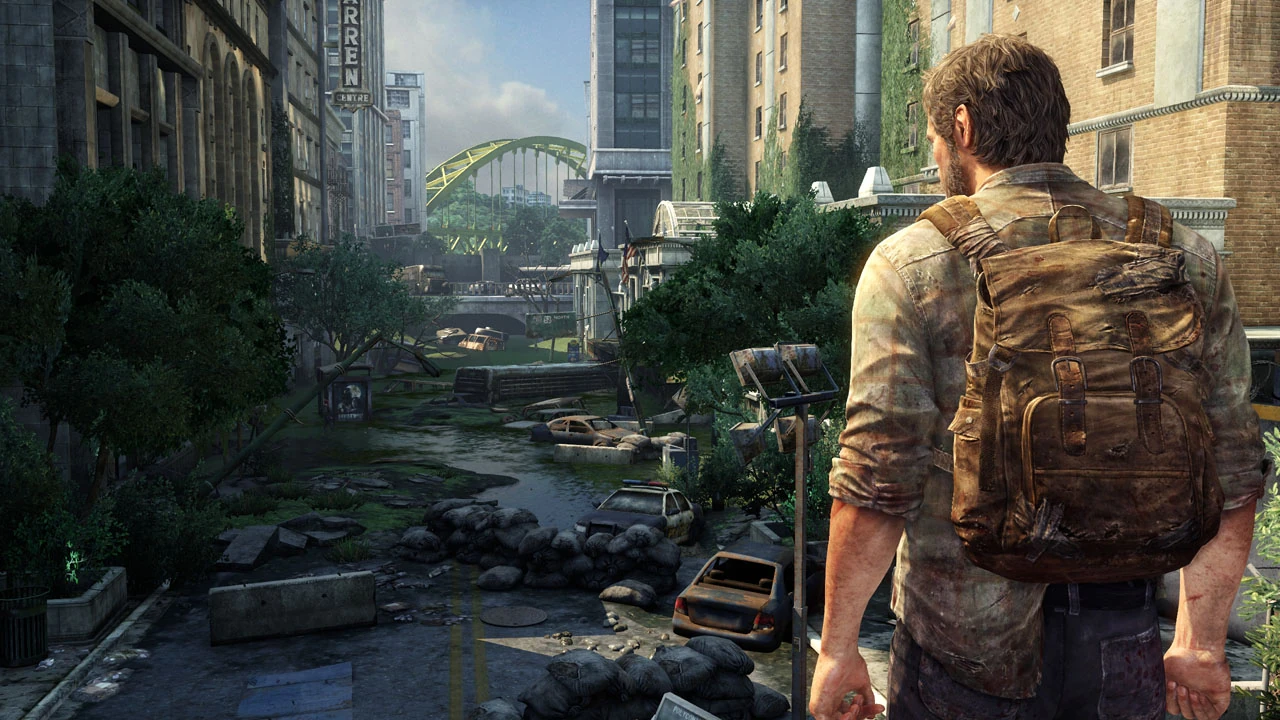
Pittsburgh (Chapter 5) is the difficulty wall of Summer. It swaps the infected for hunters — organized, aggressive human survivors who flank, throw bricks, and do not spook the way infected do. The hotel section contains a basement encounter with a bloater alongside stalkers that catches a lot of first-timers flat. Pittsburgh is also where you meet Henry and Sam, who carry into The Suburbs (Chapter 6), a shorter chapter that mixes sewers full of infected with more hunter combat. If Pittsburgh is grinding you down, our difficulty modes guide explains exactly what each setting changes and whether you should drop down.
Tommy's Dam
Tommy's Dam (Chapter 7) is the exhale at the end of Summer. You reach Tommy's hydroelectric dam settlement in Wyoming, there is a defense sequence, and the chapter is heavier on story and quieter on combat than anything since the prologue. It is also the seam where the game pivots from "survive Boston" to the mission that carries the back half.
Fall: The University
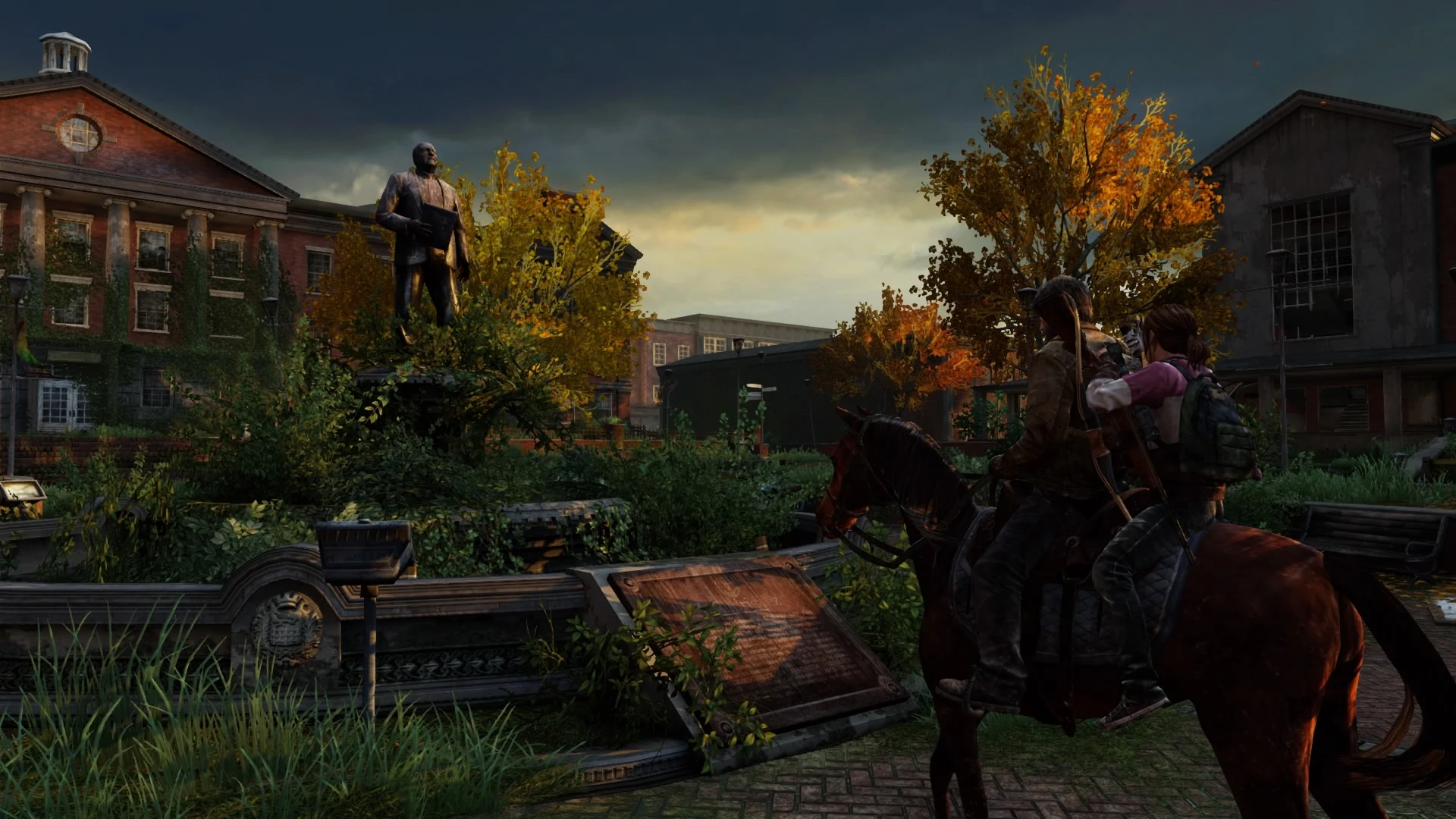
Fall is one chapter — The University (Chapter 8) — and it is a masterclass in tone. You arrive at the University of Eastern Colorado chasing a lead, the campus is eerily calm, and the game lets that quiet stretch until you are certain something is wrong. It ends with one of the sharpest difficulty and tone spikes in the game: a running fight and a wound that changes who holds the controller. Fall is short. Do not let its calm opening lull you into burning resources you will want the moment it turns.
Winter: Lakeside Resort
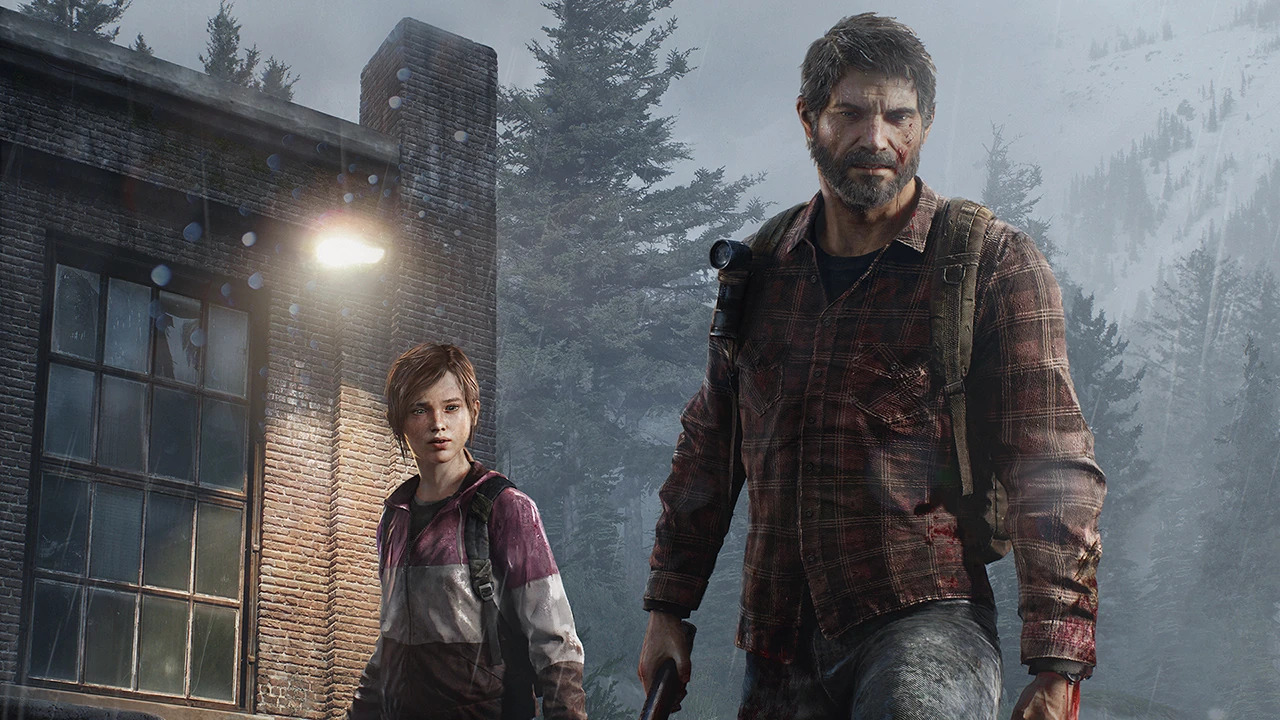
Winter is the game's boldest structural move. Lakeside Resort (Chapter 9) takes Joel out of your hands and makes you play as Ellie — a smaller, weaker protagonist with a different toolkit and a bow as her signature weapon. You open by hunting a deer in the snow, then run into David and his group of cannibalistic survivors, and the chapter builds to a claustrophobic pursuit and a boss encounter that is as much about nerve as aim.
Mechanically, Winter is a stealth-and-bow chapter. Ellie cannot slug it out the way Joel can, so the whole arc rewards patience, throwables, and picking your moments. It is short, it is tense, and it is the emotional hinge of the game. Many players rank it the best single chapter in the series.
Spring: the Bus Depot, the lab, and the epilogue
Spring closes everything out across three chapters and it moves fast. The Bus Depot (Chapter 10) puts you back in control of Joel, heading for Salt Lake City, and contains the game's famous giraffe moment — a deliberate beat of calm before the finish. The Firefly Lab (Chapter 11) is the destination the entire journey has pointed at, a hospital sequence that is short on puzzles and heavy on consequence. The Epilogue (Chapter 12), set outside Jackson, lands the ending in a handful of quiet minutes.
Spring is not a difficulty gauntlet the way Pittsburgh or the University are — it is a payoff. Save a few resources for the lab and let the story do the work. What actually happens there, and why it splits players so hard, is the subject of our ending explained piece — again, only after you have played it.
How long the whole thing takes
A first playthrough of the main story runs roughly fourteen to sixteen hours if you explore and read optional notes, and closer to twelve if you push straight through. The distribution is lopsided: Summer eats over half your total playtime, while Fall, Winter, and each Spring chapter are far shorter, single-sitting arcs.
If you are hunting collectibles — comics, Firefly pendants, training manuals, artifacts — plan to slow down considerably, especially across the sprawling Summer chapters where the optional areas are largest. Our collectibles guide breaks down where each type clusters so you are not backtracking blind. And if you are eyeing a second run on the hardest setting, the Grounded mode guide is essentially a re-read of this same route with the resource math tightened to the bone.
Quick Action Checklist
- Think in seasons, not chapters. The season you are in predicts the encounter design better than any level name.
- Summer is six of twelve chapters and front-loads every system — treat it as the game's real tutorial and build good crafting habits early.
- Play the prologue slowly. It is short, combat-light, and the best opening in the genre.
- Expect the difficulty to spike in Pittsburgh (hunters plus a bloater) and at the end of the University chapter.
- Winter hands you Ellie and a bow. Switch to patient, stealth-first play — she cannot brawl the way Joel does.
- Spring is a payoff, not a gauntlet. Bank a few molotovs and health kits for the lab.
- Budget fourteen to sixteen hours for a thorough first run, most of it in Summer.
- Slowing down for collectibles roughly doubles your time in the big Summer chapters — plan around it.
Frequently Asked Questions
How many chapters are in The Last of Us Part I?
What order do the chapters go in?
Which chapter do you play as Ellie?
How long does The Last of Us take to beat?
What is the hardest chapter in the game?
Is Left Behind part of the main chapter order?
Keep Reading
Related Guides
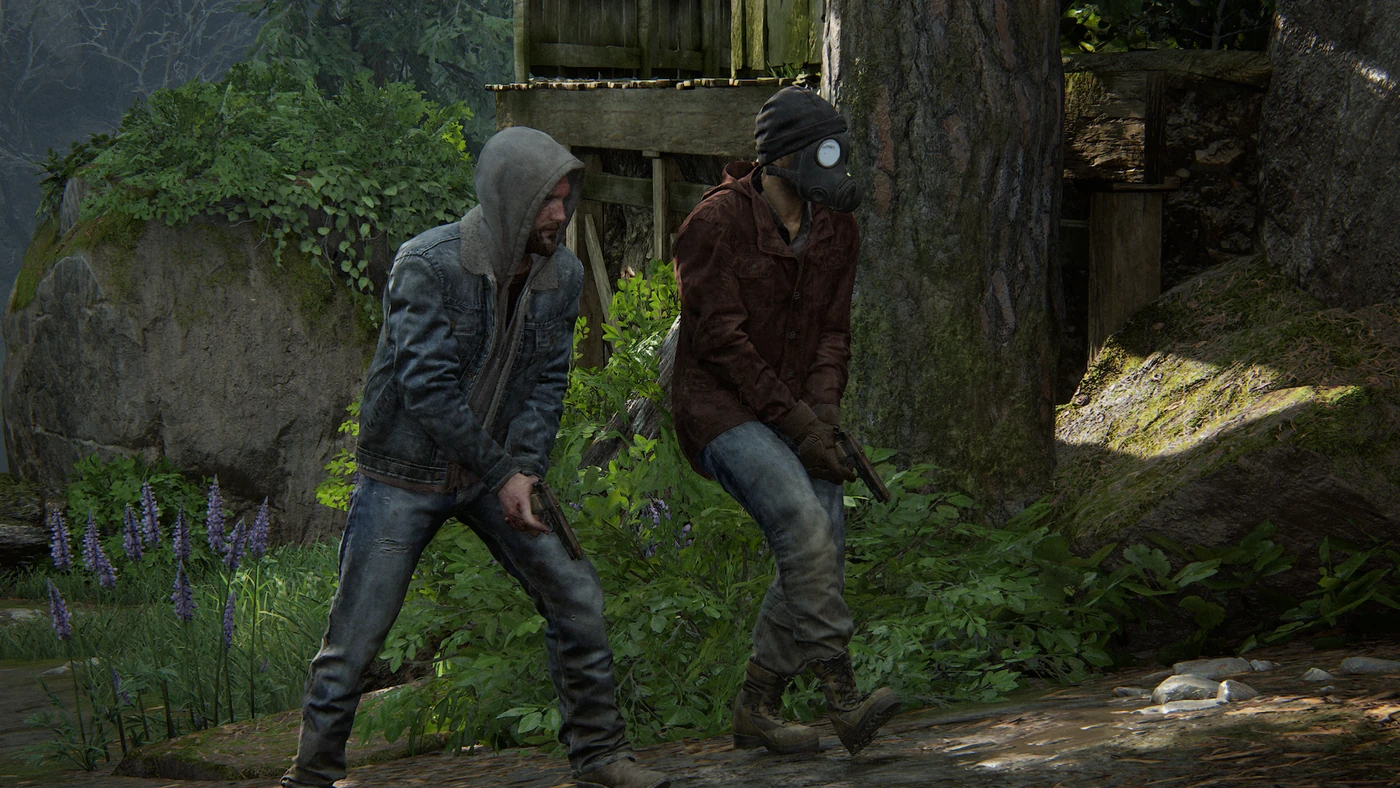
The Last of Us Part 1 Human Enemies: All Six Factions
Six human groups fight Joel and Ellie across eight of Part I's twelve chapters, and they do not carry the same kit. Where each one appears, what the wiki lists them carrying, who wears armor, and what the 2022 remake changed about how they hunt you.

The Last of Us Photo Mode Guide: Every Version Compared
Photo Mode has shipped in four Last of Us releases and the toolkit is different in each. How to open it, what each Part II tab does, what Part I and Part II Remastered added, and the slider settings Naughty Dog's own staff use.

The Last of Us Part 1 Skins: All 55 and What They Cost
Part I kept all 21 skins from the 2013 game, added 18 outfits and 16 weapon skins, and put the lot in one points shop. Here is the listed price of each skin, filter and modifier, what the Digital Deluxe Edition actually unlocks, and the two Steam-only shirts.

The Last of Us PC Requirements and Best Settings
This vertical has told you which version to buy and how each mode plays, but never what your PC actually needs to run it. Here are the official spec tiers for both Part I and Part II Remastered, exactly which upscaler each one supports, whether Steam Deck can handle it, and the patch history that turned Part I from a 59-Metacritic launch into the clean build you'd buy today.
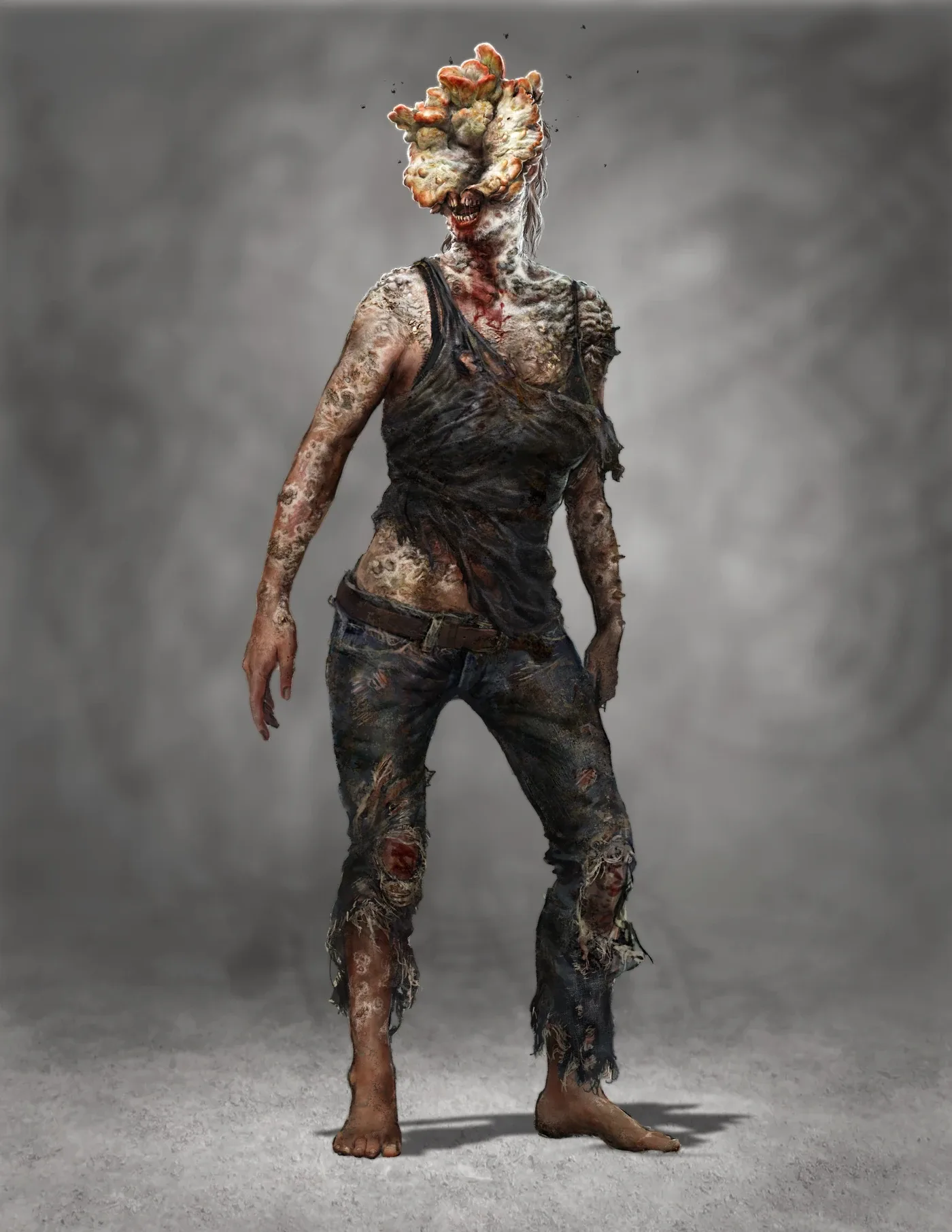
The Last of Us Infected Guide: How to Beat Every Type
A clicker cannot see you and cannot be strangled. Those two facts decide more encounters than any gun you own. Here is how all four infected stages actually work, and what to spend on each.
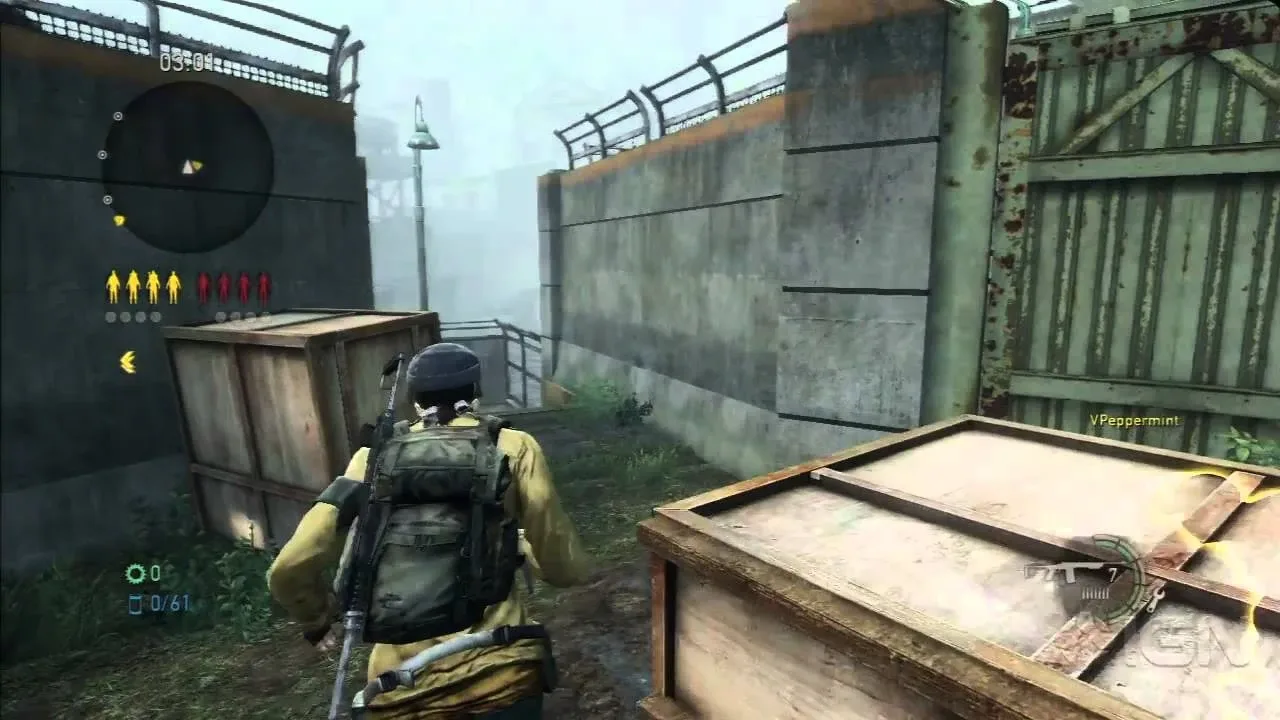
The Last of Us Factions Multiplayer: How It Works
Naughty Dog cancelled its multiplayer sequel in 2023 and Sony killed the PS3 servers in 2019, but Factions itself never actually died — it is still taking matches on PS4 and PS5 in 2026, and this vertical has never explained how it plays. Three modes, two currencies, a 12-week clan you can lose, and 17 maps across three expansions.