Best Cookie Run: Braverse Starter Deck for Beginners (Ranked)
All five Cookie Run: Braverse Starter Decks are legal and ready to play - but they're not equally easy to learn. Here's how we'd rank them for a brand-new player, and which one to grab first.

Every Cookie Run: Braverse Starter Deck is a complete, legal, 60-card deck you can play out of the box. That's the genuinely great news: there's no wrong purchase, and you don't need to chase singles to have fun. But "all legal" doesn't mean "all equally easy to learn," and if you're buying your first deck, you want the one that teaches you the game cleanly and rewards you fastest.
This ranking is about beginner-friendliness, not a competitive power tier list. (Competitive standings shift with every set and the best public data is community-tracked from overseas events - we cover that picture in deck archetypes explained.) Here we're answering one question: which color should a new player buy and learn first?
What you get in a Braverse Starter Deck
Each Starter Deck contains a ready-to-play 60-card deck built around a single color, with a mix of Cookie, Item, Trap, and Stage cards (and FLIP cards baked in). You can sit down and play a full game with one Starter and a friend's. Exact contents and prices vary by deck and shift over time, so check a current retailer before you buy.
There are two generations of Starter Deck now. The original five launched alongside the game on October 30, 2024 - one per color (Red, Yellow, Green, Blue, Purple). In early 2026, five newer named decks arrived, again one per color: Flames of Immortality (red), Tree of Life (yellow), Guardian Winds (green), Seas of Fate (blue), and Glorious Moonlight (purple). We'll touch on those below; the color-by-color advice applies to either generation, since each deck is built around its color's identity.
How we ranked these
Three criteria, all from a new player's chair:
- Clarity of game plan - how obvious is "what am I supposed to do this turn?"
- Forgiveness - how badly does a small misplay punish you?
- Speed of payoff - how quickly does the deck reward you for learning it?
We are not ranking on raw tournament win rate, because (a) that data is volatile and (b) the best beginner deck and the best competitive deck are rarely the same thing — the same logic behind our beginner cards guide, which ranks single cards by how much they teach rather than how often they win.
The starter deck rankings
| Rank | Color | Identity | Beginner fit |
|---|---|---|---|
| 1 | Red | Aggro | Easiest to learn, fastest payoff |
| 2 | Green | Ramp | Rewards good habits, forgiving |
| 3 | Yellow | Control | Great teacher, demands patience |
| 4 | Purple | Disruption | Fun, but you must know what to disrupt |
| 5 | Blue | Combo | Highest skill floor; save for later |
Reminder: rank 5 is not "bad." Blue is excellent - it's just the hardest to pilot well on day one.
Red Starter Deck (best for most beginners)
Red is our top pick for a first deck, and it's not close. The game plan is the clearest in the game: play cheap Cookies, attack, push the opponent's Break Area toward a Level total of 10. Because Braverse resources ramp one Support card per turn, the deck that's already attacking early has a real edge - and that's Red.
Red teaches you the core loop (develop, attack, trade) without asking you to memorize a combo or do heavy resource math. You'll make fewer "wait, what was I supposed to do?" mistakes, and you'll see the game's rhythm fastest. Example Cookies you'll encounter in Red products include Dino-Sour Cookie and Espresso Cookie in the original Red Starter Deck, plus Pitaya Dragon Cookie, Capsaicin Cookie, and Habanero Cookie in the newer Flames of Immortality deck.
Buy Red if you want the shortest path from "opened the box" to "actually understand this game."
Green Starter Deck

Green is our second pick. It's the ramp color: build resources, develop a strong board, and snowball into a midgame where you're simply doing more than your opponent. It's forgiving because falling a little behind early is part of the plan, and it rewards the good habit of sequencing your turns well.
Example Cookies in Green products include Strawberry Crepe Cookie and Muscle Cookie in the original Green Starter Deck, plus Wind Archer Cookie and Greenbell Cookie in the newer Guardian Winds deck. Green is a great pick if you like the feeling of building an engine, and it transitions nicely into more advanced ramp strategies later.
Yellow Starter Deck
Yellow is the best teacher on this list, but it asks for patience. It's the control color: trade efficiently, manipulate the Break Area, and win the long game with strong late Cookies. Playing Yellow well will make you a better Braverse player overall, because it forces you to think about value and tempo on every trade.
The catch for a brand-new player is that grindy games are less immediately satisfying, and you can lose to a fast Red draw before your late game arrives. If you're naturally patient, bump Yellow up your personal list.
Purple Starter Deck

Purple is the disruption color - resource denial, recursion, and "trash-based" strategies that turn discarded cards into fuel. The newer Purple option, the Glorious Moonlight deck, is built around Moonlight Cookie alongside Cookies like Dreamweaver, Stardust, and Prophet. The original Purple Starter Deck leans on Cookies like Madeleine, String Gummy, and Pilot.
Purple is genuinely fun and very satisfying once it clicks, but it ranks lower for beginners because disruption decks require you to know what's worth disrupting - which means you need a feel for the format first. It's a fantastic second or third deck.
Blue Starter Deck

Blue is the combo color: draw, cycle, and chain together explosive turns. In skilled hands it's spectacular. For a first deck, though, it has the highest skill floor on this list - its payoff turns require you to know your deck cold and sequence precisely, and a misfired combo can leave you with nothing. Example Cookies in Blue products include Captain Caviar Cookie and Squid Ink Cookie in the original Blue Starter Deck, plus Sea Fairy Cookie and Aquamarine Cookie in the newer Seas of Fate deck.
Buy Blue when you already understand the game and want a deck that rewards mastery. As a literal first purchase, it's the steepest climb.
Original decks or the newer named starters?
In early 2026, each color got a newer named Starter Deck - Flames of Immortality (red), Tree of Life (yellow), Guardian Winds (green), Seas of Fate (blue), and Glorious Moonlight (purple) - alongside the original five from launch. If you're buying today, either generation is a perfectly good entry point, and a newer named deck may be easier to find on shelves than older stock. The color advice above still applies - a Red starter is a Red starter.
A few buying notes:
- Check what's actually in stock at your local store or preferred retailer before committing to a color, since availability and pricing vary.
- Newer doesn't always mean stronger for learning - buy the color whose playstyle excites you.
- If two players are starting together, buy two different colors so your practice games aren't mirror matches.
What to buy after your first deck
Once you've played your Starter 5-10 games and you understand its plan, here's a sensible next step:
- A second Starter Deck (a different color) so you have a sparring partner and can feel how matchups play out.
- A booster box or packs from a current set to start collecting upgrade cards - see our set release timeline for what's out and our rarities guide for what the tiers mean.
- Sleeves, once you care about your cards' condition.
Then turn to deck-building basics to start upgrading your Starter into something that's truly yours.
Frequently Asked Questions
Which Cookie Run: Braverse Starter Deck is best for beginners?
Are all Braverse Starter Decks ready to play out of the box?
How many Starter Decks do I need to start playing?
Should I buy the newer named starter decks?
What's the hardest Braverse starter color to play?
Keep Reading
Related Guides
Cookie Run: Braverse Named Starter Decks (ST6-ST10), Ranked
Every named Braverse starter deck is the same shape: 20 unique cards, eight Cookies, four FLIPs, four Items, three Traps, one Stage, two Super Rares. What is not the same is how good the engine inside is. Here is the ranking, with real card text from the official database.

Braverse Festival Arena Meta: 22 Winning Decks From Korea
Devsisters has posted the first 22 champion decklists from Korea's Brave League Season 4, the first Brave League events since Festival Arena went on sale there. Fourteen of them play no Festival Arena card. Here is the color split against the 63 Season 3 winners, the six near-identical Arena Green lists the set did change, and whether you can play these lists in English events.
Cookie Run: Braverse Summer Champion Cup 2026: What Won
Devsisters' 2026 Summer Champion Cup report is out, and three of the six champions it covers won with Purple decks built on the same self-milling core. Here are all six winners, each country's field and Top 16 color charts, the card cores the winning lists share, and the numbers behind Green's fall from four winter titles to none.
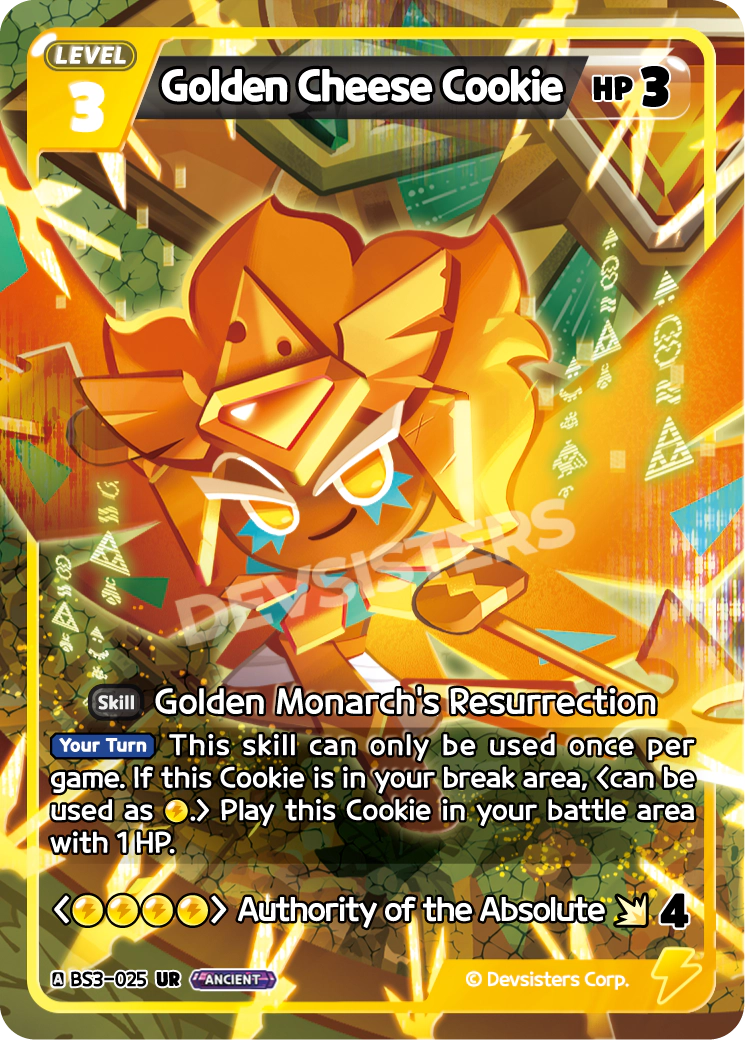
The Break Area Is a Resource, Not a Graveyard (Braverse)
Most players treat the break area like a graveyard pile and forget it exists. It has a number attached to it, 81 cards read that number, and Yellow decks are quietly built to inflate it on purpose.

How to Play Cookie Run: Braverse - A Complete Beginner Guide
Cookie Run: Braverse is the rare TCG you can teach in a single match. This guide covers everything a first-time player needs: card types, setup, turn structure, how you pay for cards, the FLIP mechanic, and how to win.
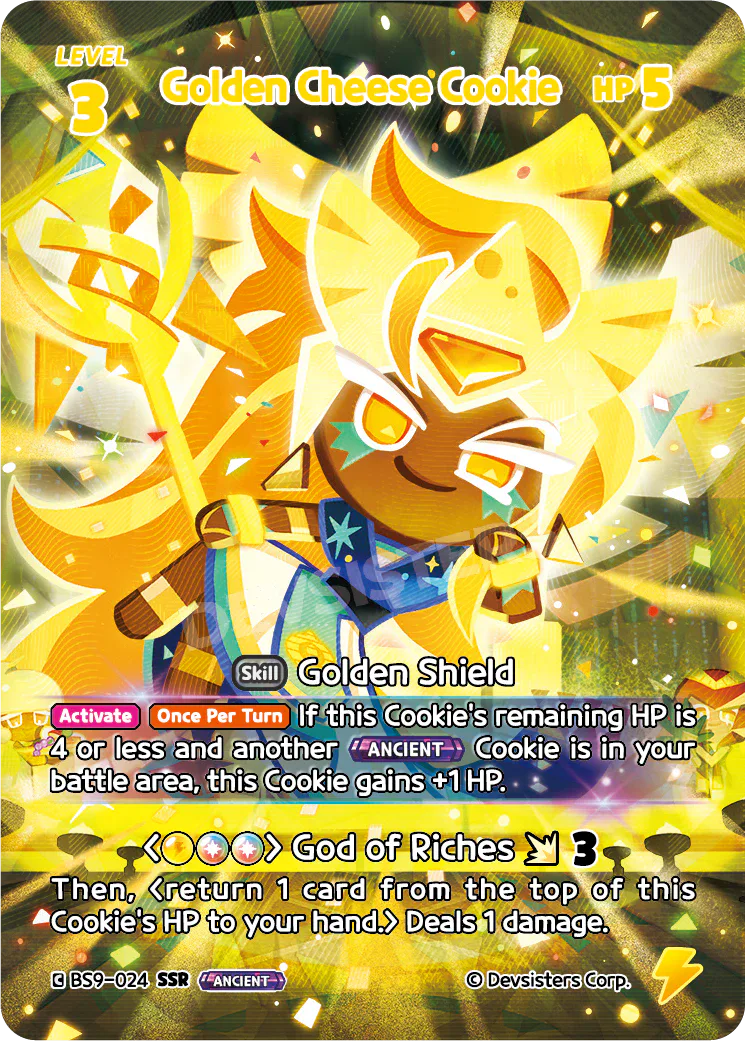
Cookie Run: Braverse Meta Tier List — Best Decks & Archetypes Ranked
Which Cookie Run: Braverse decks are actually carrying right now? Here's a meta tier list of the strongest archetypes - the real cards that anchor each one, why they rank where they do, and what's overrated.