Fortnite Loadout Priority: What to Grab First
The best loadout in Fortnite isn't a list of weapons — it's a set of roles. Close range, range, heals, mobility, and a free slot. Fill those jobs and a grey gun beats a gold one your inventory didn't have a place for. Here's the durable theory of what to grab and what to drop.
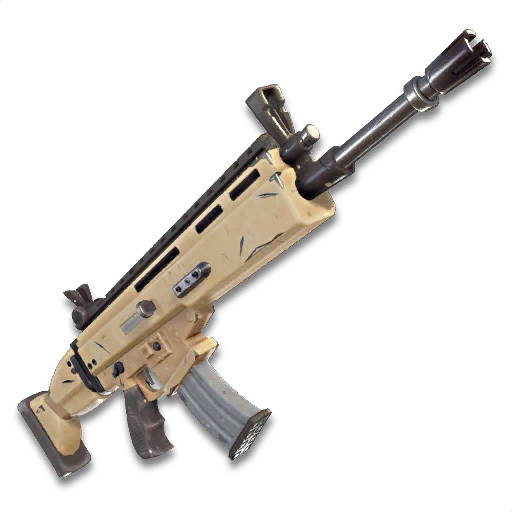
The best loadout in Fortnite is not a list of specific weapons. It's a set of jobs your inventory needs to do, and the weapons are just whoever's available to do them this match. This is the single most useful reframe for looting, because the gun pool rotates every season — new weapons get added, old ones get vaulted, the "meta gun" changes constantly — but the jobs never change. You will always need a way to win a close fight, a way to deal damage at range, a way to heal, and a way to move. Build your inventory around those roles and a grey weapon that fills an empty slot beats a gold one you had no room for.
This guide is the durable theory of inventory: the weapon roles (close, mid, long), the heals you can't skip, the mobility and utility that round it out, how mats fit in, and the actual priority order for what to grab off the ground and what to leave. We're deliberately not naming this season's flavor-of-the-month guns, because those change. The framework doesn't.
A loadout is a set of roles, not a list of guns
You have a limited number of inventory slots, and the mistake new players make is filling them with "the best guns I found" regardless of whether those guns overlap. Three shotguns is not a loadout. It's one role filled three times and four other roles empty.
The roles a complete loadout covers:
- Close range — winning the in-your-face fights, especially in builds and buildings.
- Mid range — the bread-and-butter engagement distance where most fights actually happen.
- Long range — applying pressure, tagging rotating players, holding an angle across open ground. (Sometimes optional — more below.)
- Heals — at least one slot, often two, for shields and health. Non-negotiable.
- Mobility / utility — a way to rotate, escape, or reposition that doesn't cost your fighting power.
The principle that ties it together: fill the empty roles before you upgrade a filled one. If you have a solid mid-range gun and no close-range option, the next shotgun you find — even a bad one — is a higher priority than a marginally-better AR. A loadout with one weapon in each range band and heals beats a loadout of three great guns that all do the same thing. Coverage first, quality second.
The close-range slot
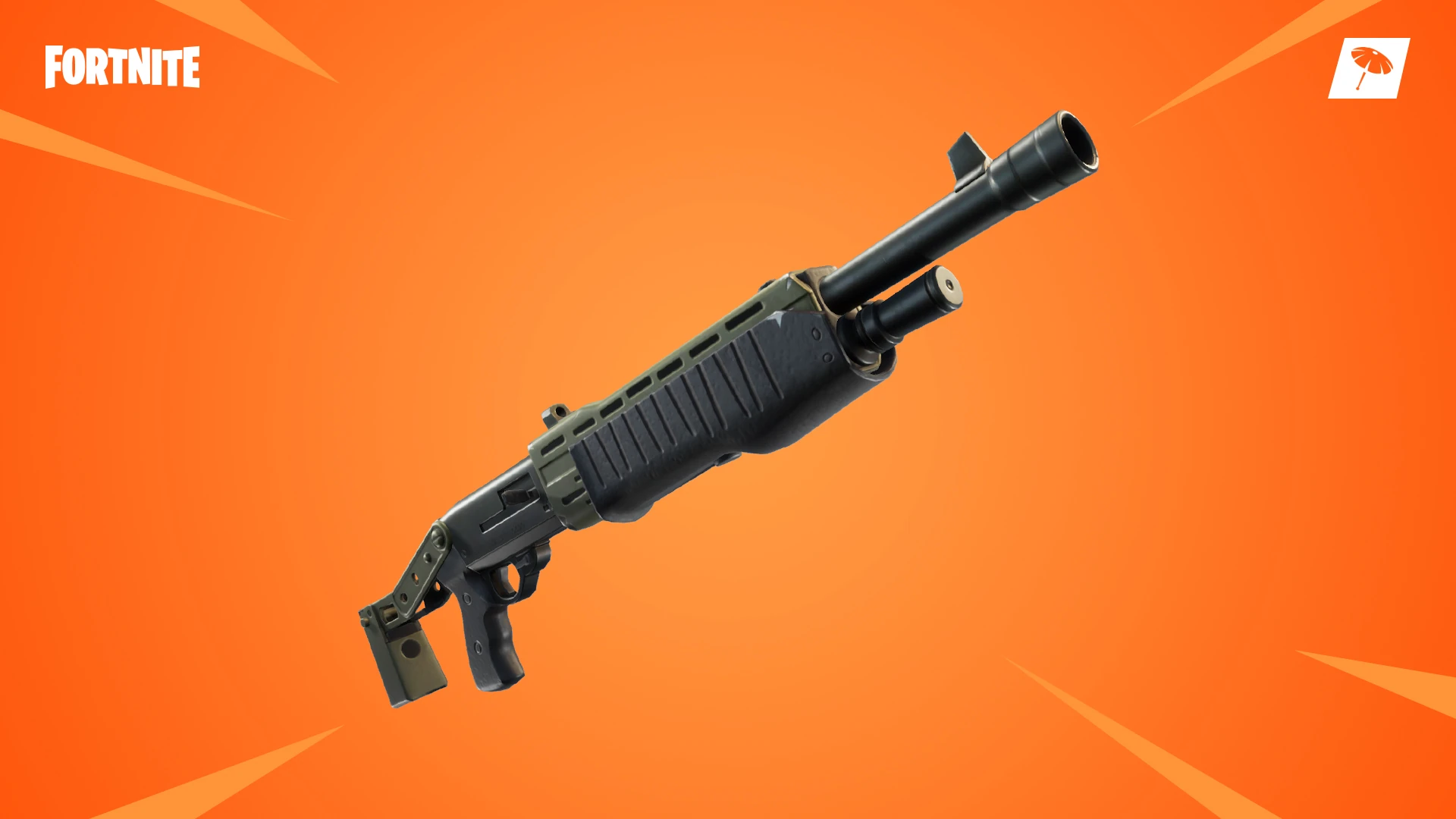
Close range is the slot that wins the fights that actually kill you. Most eliminations in Fortnite happen at close-to-medium distance, and the moment someone pushes into your box or rounds a corner, a long-range weapon is useless. You want something that deals heavy burst damage up close.
What fills this role, in general terms:
- Shotguns are the classic close-range pick — high damage per shot, built for the one-or-two-hit burst that ends a close fight. Whatever shotgun the current loot pool offers, one belongs in your kit.
- SMGs are the other strong close-range option — lower per-shot damage but a high fire rate that shreds at point-blank, and they double as a wall-spray tool in Build mode. Many players carry an SMG instead of or alongside a shotgun.
- The general rule: carry at least one dedicated close-range weapon, and lean toward whichever archetype suits your aim — shotguns reward precise burst timing, SMGs reward tracking and spray control.
This slot is the highest priority weapon to fill, full stop. You can survive a while with only a close-range gun and heals; you cannot survive a single box fight with only a sniper. When you land, the first weapon job to solve is close range.
The mid-range slot
If close range wins the fights that kill you, mid range is the distance where most fights are fought. This is the workhorse slot — the gun you'll fire more than any other across a match, used for everything from poking a build to a full beam-down at medium distance.
What fills this role:
- Assault rifles are the prototypical mid-range tool — versatile, accurate at medium distance, effective at a wide band of ranges. An AR (or whatever the current "general-purpose rifle" is) is the most reliable single weapon in the game and belongs in nearly every loadout.
- Versatility is the point. A good mid-range gun stretches to cover the low end of long range and the high end of close range, which is why it's the slot you fill second (right after close range) and the one you most want to upgrade in quality as the match goes on.
- This is the slot where weapon rarity matters most — a higher-rarity rifle is a meaningful damage upgrade you'll feel in every fight, so it's worth chasing better versions of your mid-range gun specifically.
If you could only carry two weapons, it would be a close-range option and a mid-range rifle. That two-gun core handles the overwhelming majority of fights you'll take.
The long-range slot
Long range is the role to treat as situational, not mandatory. A sniper or marksman rifle is great for tagging rotating players, applying pressure across open ground, and holding a sightline — but it does nothing in a box fight, and a slot spent on it is a slot not spent on heals or mobility.
How to think about it:
- Carry long range when the map and your playstyle call for it — open terrain, lots of long sightlines, a passive style that picks fights from distance. Skip it on cramped maps or if you play aggressive and close.
- A versatile mid-range gun covers a lot of "long-ish" range already, so a dedicated sniper is a luxury, not a staple. Many strong players run close + mid + heals + mobility and no true long-range weapon at all.
- Don't let a sniper crowd out your heals. The most common loadout mistake at range is carrying two long-range options and only one heal. If you're choosing between a second long-range gun and a second heal, take the heal almost every time.
The honest take: long range is the first weapon role to cut when slots get tight. It wins highlight clips, but heals and a reliable two-gun core win matches.
Heals are not optional
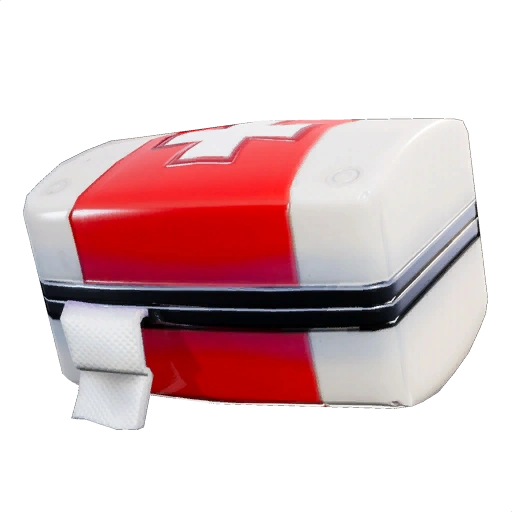
Here's the slot players under-prioritize most: at least one heal slot is mandatory, and two is often correct. A loadout of four guns and no heals loses to a loadout of two guns and two heals, because you can't win a prolonged fight at 50 HP no matter how good your aim is.
How to stock the healing slots:
- Shields are your effective extra health bar. Shield items (the blue potions and similar) sit on top of your white HP and are the difference between winning and losing a peek battle. Prioritize being at full shield going into every fight.
- Carry a mix of fast and slow heals. Slow, long-channel heals (full-health Medkits, big shield items) are for between fights behind cover. Fast heals (minis, splashes, anything quick) are for topping up mid-fight or on the move. Carrying only slow heals means you can't heal in a firefight at all.
- Two heal slots is the comfortable default. One for shields, one for health, or one fast and one slow — enough to refill a couple of times across a match without constantly scavenging.
- Heal to full during downtime, not during damage. Walk into every fight topped up. Healing while exposed gets you killed in the channel.
The rule of thumb: never run more than three weapons if it means zero heals. A three-gun, two-heal loadout beats a five-gun, zero-heal one in almost every realistic match.
Mobility and utility
The last role is the one that quietly wins rotations and saves your life: a mobility or utility item. This is anything that lets you reposition, escape, or rotate without spending your fighting slots — movement items, deployable traversal tools, consumables that grant speed, and so on.
Why it earns a slot:
- Rotations kill more players than guns do. Getting caught in the open by the storm or a third party is a common death, and a mobility item turns a deadly rotation into a safe one.
- It's your escape button. When a fight goes wrong, a movement tool gets you out to reset rather than dying because you had no way to disengage. That option is worth a slot.
- In Zero Build especially, mobility is critical — without walls to retreat behind, a movement item is often your only way to break a bad fight or cross open ground under fire.
Treat the mobility slot as part of the core kit, not an afterthought you fill if there's room. A loadout of close + mid + heals + mobility is more complete than close + mid + long + heals, because the mobility option saves you from the deaths that aren't even fights.
Mats fit the inventory too
In Build mode, your materials are part of your loadout even though they don't take a weapon slot. A perfect weapon kit with 40 wood is an incomplete loadout — you can't build cover, take high ground, or re-wall under fire. Carry a working bank of mats (the cap is 500 per type, 1,500 total) alongside your guns and heals, and treat "low on mats" as the same kind of problem as "no shields." Our mats and resource management guide covers farming, the cap, and the wood/brick/metal trade-offs in full.
In Zero Build there are no mats, so the inventory question is purely weapons, heals, and mobility — which makes the mobility and heal slots even more important, since you can't build cover to compensate for a thin kit. Either way, think of your full loadout as weapons plus heals plus mobility plus (in Build) mats — all four are resources you manage, not just the guns.
What to grab first and what to drop
Put it all together and there's a clear priority order for what to pick up off the ground, especially in those frantic first seconds after you land:
- Any weapon at all. Landing unarmed next to an opponent is the fastest way to lose. Grab the first gun you see, even a grey one, then upgrade.
- A close-range option. The slot that wins the fights that kill you. Solve this first among the weapon roles.
- A mid-range rifle. Your workhorse. Close + mid is the two-gun core that handles most fights.
- Heals. At least one slot, ideally two — shields first, then health. Don't fight a full match on what you landed with.
- A mobility / utility item. Your rotation and escape insurance.
- A long-range weapon, if slots and the map call for it. The situational luxury, first to cut when space is tight.
- Mats (Build mode) — farm a working bank on the move, not as a separate chore.
And what to drop or leave:
- Duplicate roles. A second shotgun when you already have one is a wasted slot. Leave it unless it's a clear upgrade to your existing close-range gun.
- Guns you won't use. A sniper you never fire is just an empty heal slot in disguise. Be honest about your playstyle.
- Excess of one resource at the cost of another. Five guns and no heals, or all heals and one weak gun, are both broken loadouts. Balance across the roles.
- Heavy ammo for a gun you dropped. Don't hoard ammo types you no longer have a weapon for.
The discipline is constant: every time you pick something up, ask which role does this fill, and is that role empty or already covered? If it fills an empty role, take it. If it duplicates a covered one without upgrading it, leave it and keep your slots working.
Quick Action Checklist
Build every loadout around the roles, not the guns:
- Treat your inventory as roles to fill (close, mid, long, heals, mobility), not "best guns found"
- Fill empty roles before upgrading filled ones — a grey gun in an open slot beats a gold duplicate
- Close range first among weapons — it wins the fights that actually kill you
- Mid-range rifle second — your workhorse and the gun to upgrade in quality over the match
- Carry heals — one slot minimum, two is the default (shields first, then health, mix fast and slow)
- Keep a mobility / utility slot for rotations and escapes — it saves the deaths that aren't fights
- Treat long range as situational — first weapon to cut when slots are tight
- In Build, carry a working bank of mats; in Zero Build, lean even harder on heals and mobility
- On every pickup, ask "which role does this fill, and is it empty?" — drop duplicates
Frequently Asked Questions
What is the best loadout in Fortnite?
What should I pick up first in Fortnite?
How many heals should I carry in Fortnite?
Do I need a sniper or long-range weapon in Fortnite?
How many weapons should I carry in Fortnite?
What should I drop or leave on the ground in Fortnite?
Keep Reading
Related Guides

Fortnite Third-Partying Guide: When to Push, When to Hold
Third-partying is the most reliable way to win a fight without earning it — you let two players gut each other, then collect. But the same logic points back at you the second you start shooting. Here's how to be the third party instead of the corpse two of them split.

Fortnite Duos & Trios Strategy: How to Win in Small Teams
Duos and Trios aren't just Squads with empty slots. With fewer guns, every knock swings the math harder, every res is riskier, and one bad split loses the game. Here's how to play 2s and 3s — roles, comms, trading, reboots, shared loot, and third-partying as a small unit.
Fortnite Weak Spots & Aiming Guide: Where to Aim
Two players land the same shots and one does way more damage. The difference isn't aim — it's where they're aiming. Here's the where: headshots and weak spots, crosshair centering, pre-aiming, tracking vs flicking, and aiming the gaps in someone's build.
Fortnite Tunneling Guide: Cross Open Ground Without Dying
Tunneling is how good players cross open ground while being shot at and live to fight in the next zone. It's the move-and-rebuild rhythm that turns a death-march across a field into a moving box nobody can crack. Here's how to actually do it.
Fortnite Weapon Tier List: How to Rank Any Loot Pool
Any Fortnite tier list is stale the second a patch drops. So instead of memorizing this season's gun names, learn how to rank weapons by class and role — the framework that's S-tier in every season.
Best Fortnite Settings for PC & Console
Half your settings menu is noise; a handful of options decide whether you can see, aim, and build. Here's what to change on PC and console, why, and the one number nobody else can pick for you.