Fortnite Victory Crown Guide: How to Get and Keep It
The gold crown floating over a player's head is a target painted in light. It means they won their last game — and everyone can see it. Here's how the Victory Crown actually works, what you get for keeping one, and how to survive with a bounty on your head.
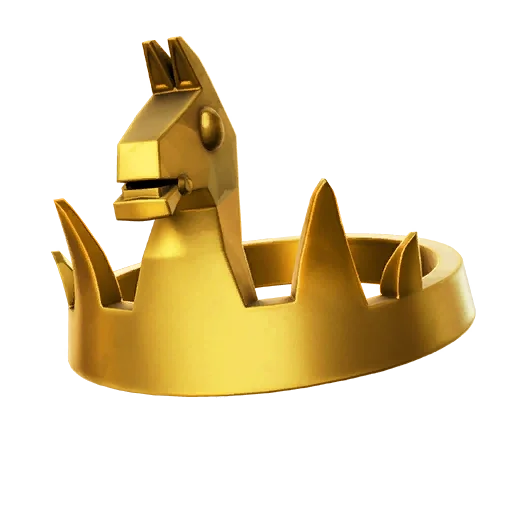
You've seen it: a player jogs past with a glowing gold crown hovering over their head, and every instinct tells you to shoot them. That instinct is correct, and it's the whole design. The Victory Crown is Fortnite's way of marking its recent winners and pinning a visible bounty on them, turning "I won last game" into a status symbol you have to earn the right to keep. It's equal parts flex and liability, and most players who get one immediately throw it away because they don't understand the two things it actually does.
This guide covers the Victory Crown end to end: how you earn one, what the Crowned Victory Royale is and why it's the real prize, the rewards stacking up behind it, and — the part everyone gets wrong — how to survive a match with a literal target floating over your head. The crown has been a recurring feature across many seasons, so we're focused on how the mechanic works rather than any single season's specific reward, which changes over time.
What the Victory Crown actually is
The Victory Crown is a cosmetic marker that appears floating above your character at the start of a match, signaling to the entire lobby that you're a recent winner or high placer. It is not something you buy or equip from your locker — you earn it through results, you carry it into your next match, and it's visible to every other player from the moment you drop.
Two things define how it behaves:
- It's earned, not equipped. You get a crown by performing well in a match (more on the exact conditions below). It then rides along into your next game as a marker.
- It's a status that has to be defended. Walking into a match wearing a crown is an announcement. Other players can see it, and many will actively hunt you for the bragging rights and the bonus of taking out a crowned player. The crown isn't a reward you collect and keep safe — it's a wager you re-stake every match.
Think of it less like a trophy on a shelf and more like a champion's belt you have to keep defending. The moment you stop winning, you lose the right to wear it.
How to earn a Victory Crown
There are two paths to a crown, and knowing both means you don't have to win outright to get one:
- Win the match. A Victory Royale earns you a crown to carry into your next game. This is the obvious route.
- Place highly enough. You can also earn a crown by reaching a high placement threshold — surviving deep into the match (for example, into the final handful of players) even without the win. The exact placement cutoff depends on the mode and lobby, but the principle is that strong placement, not just first place, qualifies you.
That second path matters more than people realize. You do not have to be the best player in the lobby to wear a crown — you have to be one of the last standing. A patient, survival-focused player who consistently reaches the endgame can stay crowned for stretches without ever topping the kill leaderboard. If you're not a build-fight demon, placement is your route in, and it leans on exactly the skills our Fortnite endgame strategy guide drills.
Once you've earned a crown, it sits on you going into the next match. The clock starts the moment you drop, because that's when the lobby can see it.
The Crowned Victory Royale
Here's the part that makes the whole system tick. Earning a crown is step one; the real achievement is the Crowned Victory Royale — winning a match while you are wearing a Victory Crown. It's the win-on-top-of-a-win, and it's what the crown system is actually built to chase.
Why it's the prize:
- It's the hard version. Winning a normal match is one thing. Winning while a target floats over your head and a chunk of the lobby is actively gunning for you is a real test — it's a win earned under pressure, which is exactly why it counts for more.
- Fortnite tracks your Crowned Victory count. The game keeps a running tally of your Crowned Victory Royales, often surfaced as a number on your crown emote or profile. That number is the actual flex — it says "I won, then defended the win and won again." A high crowned-wins count is the closest Fortnite has to a permanent bragging-rights stat.
- It compounds. Win a Crowned Victory Royale and you keep the crown for the next match too, so a hot streak can rack up several crowned wins in a row — each one harder than the last as your reputation (and the target) follows you.
The loop, then, is: place high or win → carry the crown in → win again for a Crowned Victory Royale → keep the crown → repeat. Breaking the streak is as simple as one bad landing.
What you actually get for it
The crown is mostly about status, but it does come with tangible rewards that have been part of the feature across its seasons:
- The Crowned Victory count itself — the tracked number of crowned wins, displayed on the associated Crowning Achievement emote. Hit the emote after a crowned win and your character literally pulls a golden crown out of thin air, with your win total stamped on it. It's the most pointed flex in the game.
- The crown emote. Earning your first crown unlocks the emote that shows off your crowned-win tally, so the reward for winning is a built-in way to rub it in.
- Bonus rewards tied to crowned play. Across seasons, Epic has attached extra incentives — bonus XP and season-specific cosmetic unlocks — to earning crowns and crowned wins, which is why crown-hunting is a legitimate way to push battle pass progress and not just an ego play. The specific cosmetics rotate by season, but the XP-and-bragging-rights core stays consistent.
The practical read: if you're grinding battle pass tiers, crowns are an efficient XP path because they reward the placement and wins you're chasing anyway. And if you don't care about XP, the crown emote with a fat number on it is its own reward.
The crown is a target: playing with a bounty
This is where most crowned runs end. The crown is visible to everyone in the lobby, and that changes how the match treats you. You are, functionally, a marked player — a walking objective other people get satisfaction (and clout) from eliminating.
What that means moment to moment:
- You will get pushed more. Players who'd normally ignore a distant fight will rotate toward a crown. Expect to be third-partied harder and chased longer than you would be without it.
- You can't play loud. A crowned player who lands at a hot drop and starts a loud fight is broadcasting their position twice over — once with gunfire, once with the glowing gold marker. The two stack into a magnet for the whole area.
- Squads will prioritize you. In team modes, an enemy squad will often agree to focus the crowned player first, because dropping a crown feels better than dropping a random. You're the priority kill whether you like it or not.
None of this is a reason to avoid crowns — it's a reason to change how you play while wearing one. The crown rewards a more careful, lower-profile game than you might normally run, which is exactly the adjustment most people fail to make.
How to actually keep the crown
Keeping a crown means winning (or placing high) again with the disadvantage of being a marked target. The adjustments that actually work:
- Play quieter and more passive than usual. The crown is not the match to practice aggressive pushes. Take the fights you have to take, skip the ones you don't, and let other players burn each other down while you position. You don't lose the crown for getting fewer kills — you lose it for dying.
- Land smarter, not hotter. A contested drop is a coin-flip on a normal game and a bad bet with a crown on. Favor a quieter landing where you can gear up uncontested, then rotate in with a full loadout instead of fighting from empty.
- Use cover and avoid the open. Because everyone's looking for you, open-ground crossings are where crowned players die. Move cover-to-cover, respect rotations early, and don't be the silhouette on the hilltop. This is doubly true in Zero Build, where you can't wall up — our Zero Build guide covers reading cover, which is the exact skill a crowned no-build player lives on.
- Win the placement game. Since high placement keeps a crown alive even without the win, surviving deep is itself a successful crown defense. Prioritize being alive in the final circles over topping the kill feed. The same endgame discipline that earns crowns is what keeps them.
- Heal and rotate proactively. A marked player can't afford to be caught low or out of position, because the punishment for it is doubled. Stay topped up, move with the zone early, and never get caught mid-rotation in the open.
The mindset shift that matters: a crown turns Fortnite from a kill game into a survival game. Players who keep crowns for long streaks are almost never the most aggressive ones — they're the disciplined ones who treat the crown as a reason to play tighter, not flashier.
Crown strategy by mode
The crown exists across the battle royale modes, but the right way to defend it shifts depending on where you're playing:
| Mode | What changes with a crown |
|---|---|
| Battle Royale (Build) | You can wall up to break pushes, so a crown is most survivable here — but you still can't out-build the whole lobby targeting you. Play for high ground and good rotations, not for fights. |
| Zero Build | The hardest place to defend a crown, because you can't instant-wall when a third party finds you. Cover discipline and positioning are everything; one caught-in-the-open moment ends the run. |
| Reload | Crowns matter less to defend because respawns make a single death recoverable, but the small map means the lobby finds the crowned player fast. Lean on your squad to cover you. |
| Squads (any) | Your teammates are your best crown insurance — they can trade for you, cover your rotations, and revive you. Communicate that you're the marked player so the squad plays around it. |
The throughline across all of them: the crown punishes carelessness and rewards positioning. Whatever mode you're in, the win condition for keeping a crown is the same — be alive at the end, and don't hand the lobby the satisfaction of taking yours.
Quick Action Checklist
The fastest way to earn crowns and actually keep them:
- Earn a crown by winning OR placing high — you don't have to top the kill feed, just reach the endgame
- Chase the Crowned Victory Royale — winning while crowned is the real stat Fortnite tracks
- Remember the crown is visible to the whole lobby — you're a marked target the moment you drop
- Play quieter and more passive with a crown on; you lose it by dying, not by getting fewer kills
- Land uncontested, gear up fully, and rotate in — skip the hot-drop coin-flips
- Move cover-to-cover and avoid open ground, especially in Zero Build where you can't wall up
- Prioritize placement — surviving deep keeps the crown even without the win
- In Squads, tell your team you're crowned so they cover your rotations and trade for you
- Use the Crowning Achievement emote after a crowned win to flex your tracked total
Frequently Asked Questions
How do you get a Victory Crown in Fortnite?
What is a Crowned Victory Royale?
How do you keep a Victory Crown in Fortnite?
What rewards do you get for the Victory Crown?
Why does everyone target me when I have a crown?
Does the Victory Crown make you a target in Zero Build too?
Keep Reading
Related Guides

Fortnite Third-Partying Guide: When to Push, When to Hold
Third-partying is the most reliable way to win a fight without earning it — you let two players gut each other, then collect. But the same logic points back at you the second you start shooting. Here's how to be the third party instead of the corpse two of them split.

Fortnite Duos & Trios Strategy: How to Win in Small Teams
Duos and Trios aren't just Squads with empty slots. With fewer guns, every knock swings the math harder, every res is riskier, and one bad split loses the game. Here's how to play 2s and 3s — roles, comms, trading, reboots, shared loot, and third-partying as a small unit.
Fortnite Weak Spots & Aiming Guide: Where to Aim
Two players land the same shots and one does way more damage. The difference isn't aim — it's where they're aiming. Here's the where: headshots and weak spots, crosshair centering, pre-aiming, tracking vs flicking, and aiming the gaps in someone's build.
Fortnite Tunneling Guide: Cross Open Ground Without Dying
Tunneling is how good players cross open ground while being shot at and live to fight in the next zone. It's the move-and-rebuild rhythm that turns a death-march across a field into a moving box nobody can crack. Here's how to actually do it.
Fortnite Weapon Tier List: How to Rank Any Loot Pool
Any Fortnite tier list is stale the second a patch drops. So instead of memorizing this season's gun names, learn how to rank weapons by class and role — the framework that's S-tier in every season.

Best Fortnite Settings for PC & Console
Half your settings menu is noise; a handful of options decide whether you can see, aim, and build. Here's what to change on PC and console, why, and the one number nobody else can pick for you.