Minecraft Biomes Guide: Every Biome Worth Finding
Minecraft has over sixty biomes and most of them are scenery. These are the ones with a reason to visit — the resources, the structures, the mobs you can only get there — plus the rare biomes worth a long expedition.
A biome is not just a paint job. It decides which mobs spawn, which trees and plants grow, which ores cluster nearby, and — most importantly — which structures and one-of-a-kind resources you can only get by standing in that exact terrain. Cherry wood comes from precisely one biome, and so does poplar. Axolotls breed in precisely one biome. The best loot in the Overworld is locked inside a structure that only generates in one specific cave biome. Knowing where things live turns a directionless wander into a supply run.
Minecraft has well over sixty biomes once you count the Nether and End, and being honest, most of them are scenery — a snowy slopes here, a windswept hills there, functionally a backdrop. This guide skips the filler and covers the biomes with an actual reason to go: where to set up, where to farm specific resources, the cave biomes hiding the best loot, and the rare biomes worth a multi-thousand-block expedition. We will flag Java and Bedrock differences where they matter. The list also just grew: the Wilderness Bound drop — Java Edition 26.3 and Bedrock Edition 26.50, both released 15 September 2026 — added the dappled forest biome and the abandoned camp structure, and both are covered below.
What a biome actually decides
Four things tie to the biome you are standing in, and they are the reason this matters:
- Mob spawns. Some mobs are biome-locked. You will only find a panda in a jungle, an axolotl in lush caves, a frog naturally in a swamp or mangrove swamp. Want that mob? Go to its biome.
- Plants and wood types. Each wood type comes from specific biomes — acacia from savanna, cherry from cherry groves, mangrove from mangrove swamps, poplar from dappled forests. Same for unique plants like glow berries (lush caves) and big dripleaf.
- Structure generation. Structures are gated to biome families. Desert temples only spawn in deserts, woodland mansions only in dark forests, ocean monuments only in deep oceans, ancient cities only in the deep dark — and abandoned camps only across a set list of eighteen surface biomes.
- Climate and temperature. This drives water freezing, rain vs snow, and which biomes generate next to each other — warm oceans hug hot biomes, for instance.
Once you internalize that biomes gate content, exploration stops being aimless. You go where the thing you need lives.
The starter biomes: set up here
For a first base, you want food, wood, flat-ish ground, and ideally a structure nearby. These deliver:
- Plains. The default good spawn. Flat, grassy, easy to build on, and villages generate here — which means free starter loot, a bed, a bell, and trading partners. Horses spawn in the open plains too. If you spawn in or next to a plains village, you are set.
- Forest. Right next to plains in value. Endless oak and birch, plenty of passive mobs, and gentle terrain. The classic safe start. Flower forests (a forest variant) are loaded with flowers for dyes and bees.
- Savanna. Flat, dry, and the only place acacia wood grows naturally. Villages spawn here with their distinctive acacia-and-orange architecture. Horses too. A solid base biome if you want the orange wood palette.
- Taiga. Spruce forest with sweet berry bushes (free early food), wolves you can tame, and foxes. Villages spawn in some taiga variants. Cold but very livable.
The move is simple: spawn next to a village in plains, savanna, or a desert and your early game is half-solved. The village gives you a bed, food, and a head start on trading. Since Wilderness Bound, forest and taiga (plus their birch, flower, snowy and old-growth variants) and plain savanna are also on the abandoned camp's biome list — plains is not — so a white-wool tent with a campfire near spawn is free early chests. More on camps in the next section.
Resource biomes worth a trip
Some biomes are not where you live — they are where you go to grab a specific thing and leave:
- Desert. Sand and cacti by the truckload, and two structures worth raiding: desert temples (TNT-trapped loot rooms with diamonds, emeralds, and enchanted books) and desert villages. Deserts also never rain, which matters for some farms. Husks spawn here instead of regular zombies.
- Badlands (Mesa). The standout feature: badlands are the richest source of gold in the Overworld. Gold ore generates far more abundantly here and at higher altitudes than anywhere else, so it is the place to mine gold without going to the Nether. Plus terracotta in every color, naturally generated, for building palettes.
- Jungle. Dense, hard to navigate, but home to pandas, ocelots, parrots, cocoa beans, and melons — several of which spawn nowhere else. Jungle temples hide loot and dispenser traps. Jungle wood and the bamboo from bamboo jungles round it out.
- Bamboo Jungle. A jungle variant packed with bamboo (scaffolding, fuel, and the only thing pandas eat). Bonus: because of the biome's humidity, lush caves frequently generate underneath, so a bamboo jungle is a strong signal to dig down.
- Dark Forest. Cramped, dark, and full of huge dark oak trees — but it is the only biome where woodland mansions generate. Those mansions hold totems of undying (from the evokers inside) and some of the best loot in the game. Worth the trip once you are geared.
- Dappled Forest. Added in the Wilderness Bound drop (Java Edition 26.3 / Bedrock Edition 26.50, both released 15 September 2026). An autumn forest of poplar trees with red, orange or yellow leaves — and poplar generates naturally nowhere else, so this is the only place a whole new wood family (planks, doors, boats, shelves, the lot) actually grows — the one other way to get poplar logs is a wandering trader who happens to stock them. It also brings red shrubs and shelf mushrooms, orange grass and leaf litter over coarse dirt, fallen poplars more common than any other fallen tree, and water so dark it is nearly black. It only generates in cold, very dry, high-weirdness terrain, so look for it beside plains, sunflower plains, ice spikes or cherry groves — it never borders another woodland biome — and near cold oceans, windswept gravelly hills or frozen peaks. Foxes, rabbits and the cold farm-animal variants spawn here; wolves are not on its spawn table. Abandoned camps generate here too, usually with a poplar tree.
- Abandoned Camp (a structure, not a biome). New in Wilderness Bound and worth folding into any surface trip. It generates in eighteen Overworld surface biomes — forest, birch forest, flower forest, old growth birch forest, windswept forest, taiga, snowy taiga, both old growth taigas, meadow, cherry grove, dappled forest, pale garden, sparse jungle, bamboo jungle, swamp, savanna and wooded badlands — as a white-wool tent stocked with chests and barrels, with an unlit campfire and a chest or barrel out front. Per the Minecraft Wiki, barrels hold everyday supplies, common chests can hold copper weapons and armor, buckets, compasses, gunpowder and abandoned camp maps that point at other camps, and the best pool — iron weapons and armor, diamonds, gold, potions and explorer maps to structures like the ancient city and trial chambers — sits in the "secret chest" tier, which generates rarely as an oxidized copper chest and is often hidden under other blocks. Camps generate on a 37×37-chunk grid (about 600 blocks a side) with one attempt per region, so in a valid biome they are a regular sight rather than a rare one. Our Wilderness Bound guide has the tent layouts and the hidden-chest diagram.
Cave biomes: the best stuff is underground
The 1.18 caves update turned underground exploration into its own thing, and Chaos Cubed — Java Edition 26.2, out 16 June 2026 — added a third destination down there. Three cave biomes matter:
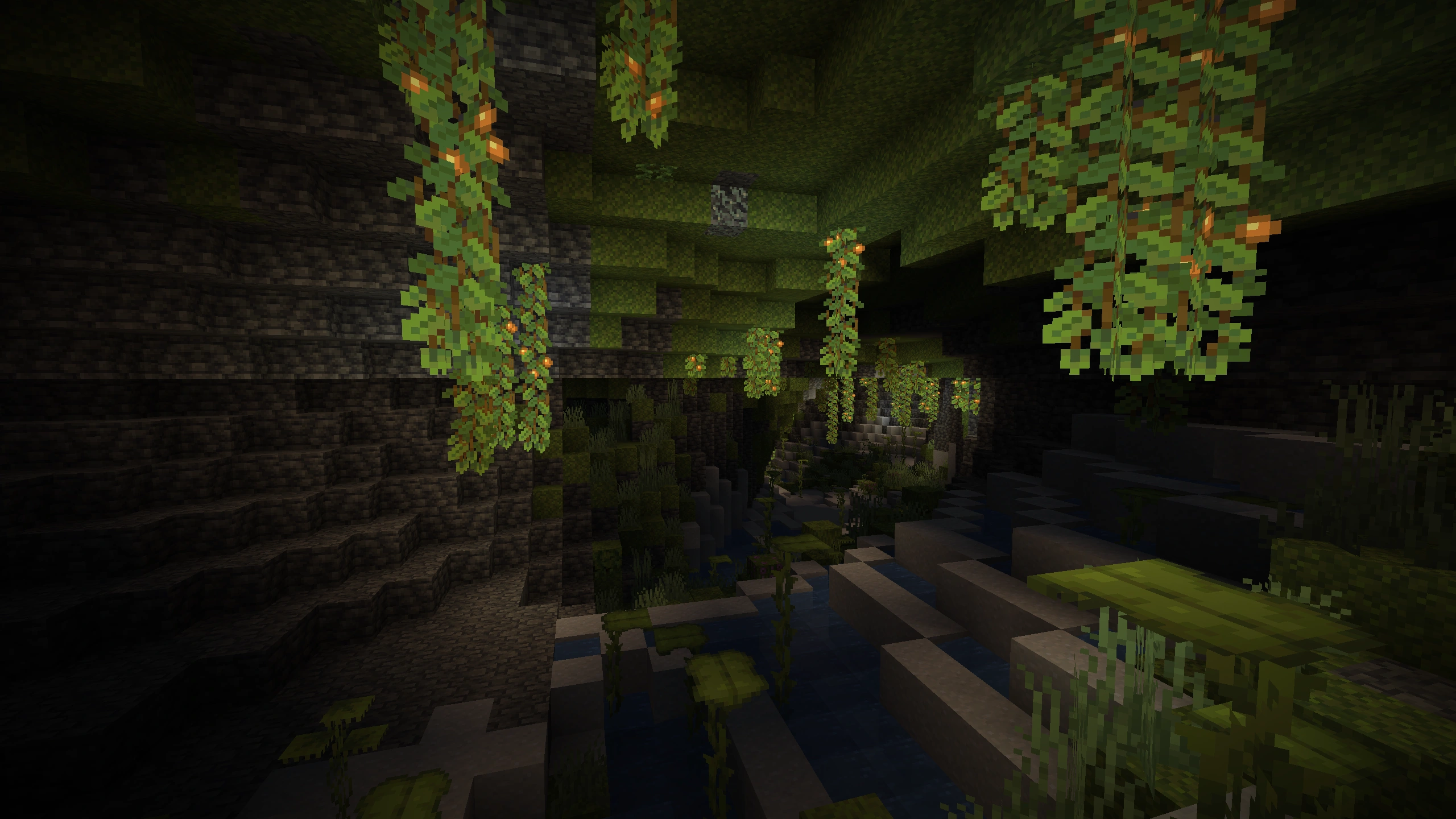
Lush Caves are the friendly cave biome: glowing moss, azalea trees marking them from the surface, hanging vines of glow berries, big dripleaf and small dripleaf plants, and — the headliner — axolotls, which spawn nowhere else and make excellent underwater combat allies. This is where you go for glow berries and the cute amphibian army. Spot an azalea tree or flowering azalea on the surface and there is a lush cave below it.
Deep Dark is the opposite — the scariest biome in the game and the most rewarding. It generates deep underground (below Y=0, typically beneath mountains) and is coated in sculk blocks: sculk sensors and sculk shriekers detect vibrations, and triggering enough shriekers summons the Warden, a blind, brutally strong mob you genuinely cannot fight head-on early. Why go? Because the deep dark is the only place ancient cities generate, and ancient cities hold the best loot in the Overworld — Swift Sneak enchantment books (sneak faster, only found here), echo shards for recovery compasses, enchanted golden gear, and the disc fragment for the rarest music disc. Sneak everywhere, place wool to muffle sound, and grab loot without waking the Warden.
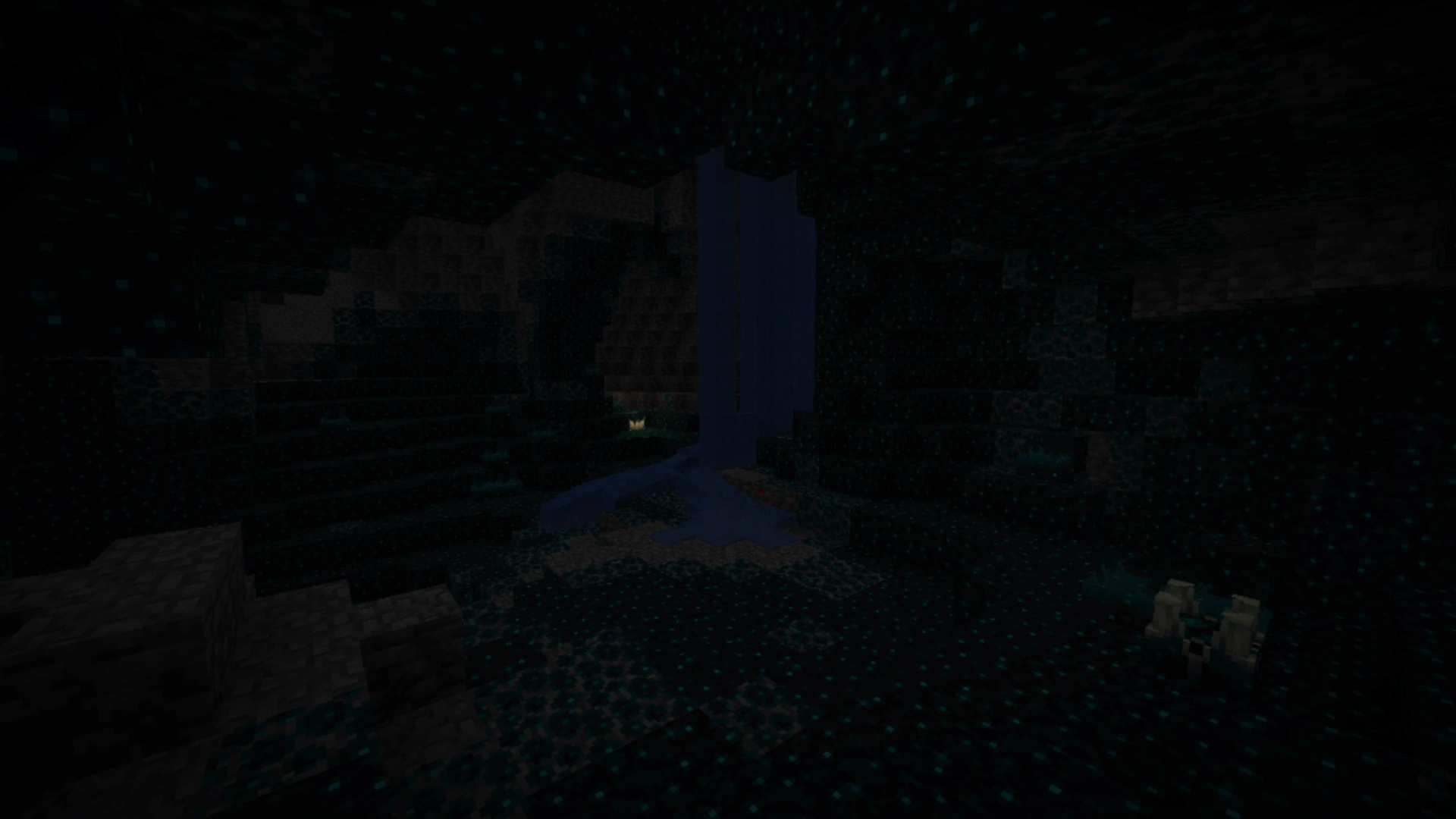
Sulfur Caves are the new arrival, added in Java Edition 26.2 — the Chaos Cubed drop — on 16 June 2026, and on Bedrock in the same year's rollout. They generate at the same depth as lush caves and dripstone caves, but they are much smaller and more fragmented, and they turn up most often under flatland near swamps and deserts. Inside you get yellow sulfur and red cinnabar in roughly equal layers — both with full slab, stair, wall, polished, brick, and chiseled families — plus sulfur spikes growing off the sulfur like dripstone. The acid-green pools are the part that bites: potent sulfur sits on the pool floor and throws off a noxious gas that hits you with Nausea. The headliner is the sulfur cube, a passive, bucketable jumping mob that spawns in no other biome. It absorbs a full-sized block into itself, which immobilizes it and makes it take knockback from most attacks instead of damage. Ores are scarce here, because sulfur and cinnabar replace most of the stone and deepslate that ore would normally sit in — so you come for the building blocks, the cube, and the "Bounce" music disc, which turns up in chest minecarts in mineshafts that cut through the biome. The surface tell is a sulfur spring: spot one and there are sulfur caves below it, the same trick azalea trees pull for lush caves.
The rare biomes worth seeking
These do not generate often, but each one has something you cannot get elsewhere:
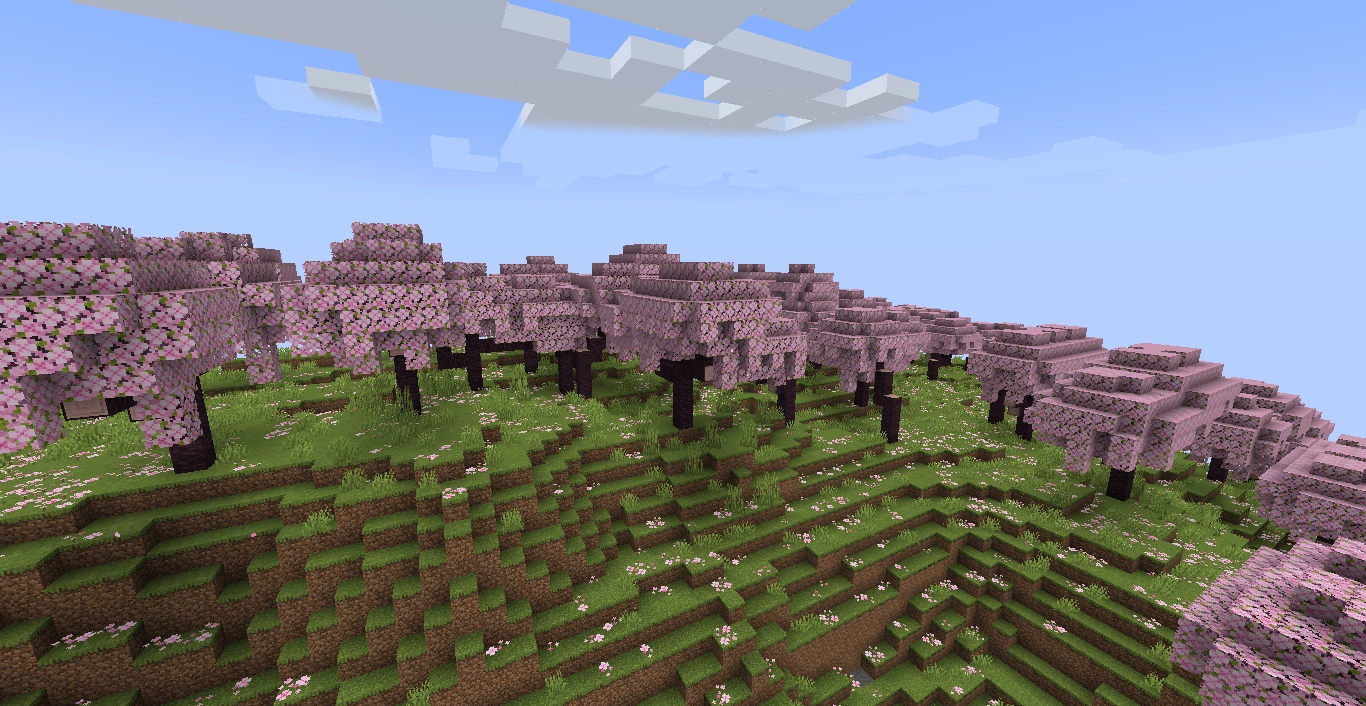
- Cherry Grove. The biome on this guide's hero image. Pink cherry trees, falling petals, and the only source of cherry wood and pink petals — one of the best decorative palettes in the game. It generates on mountainsides and is rarer than meadows. Pure aesthetic gold, and bees love it.
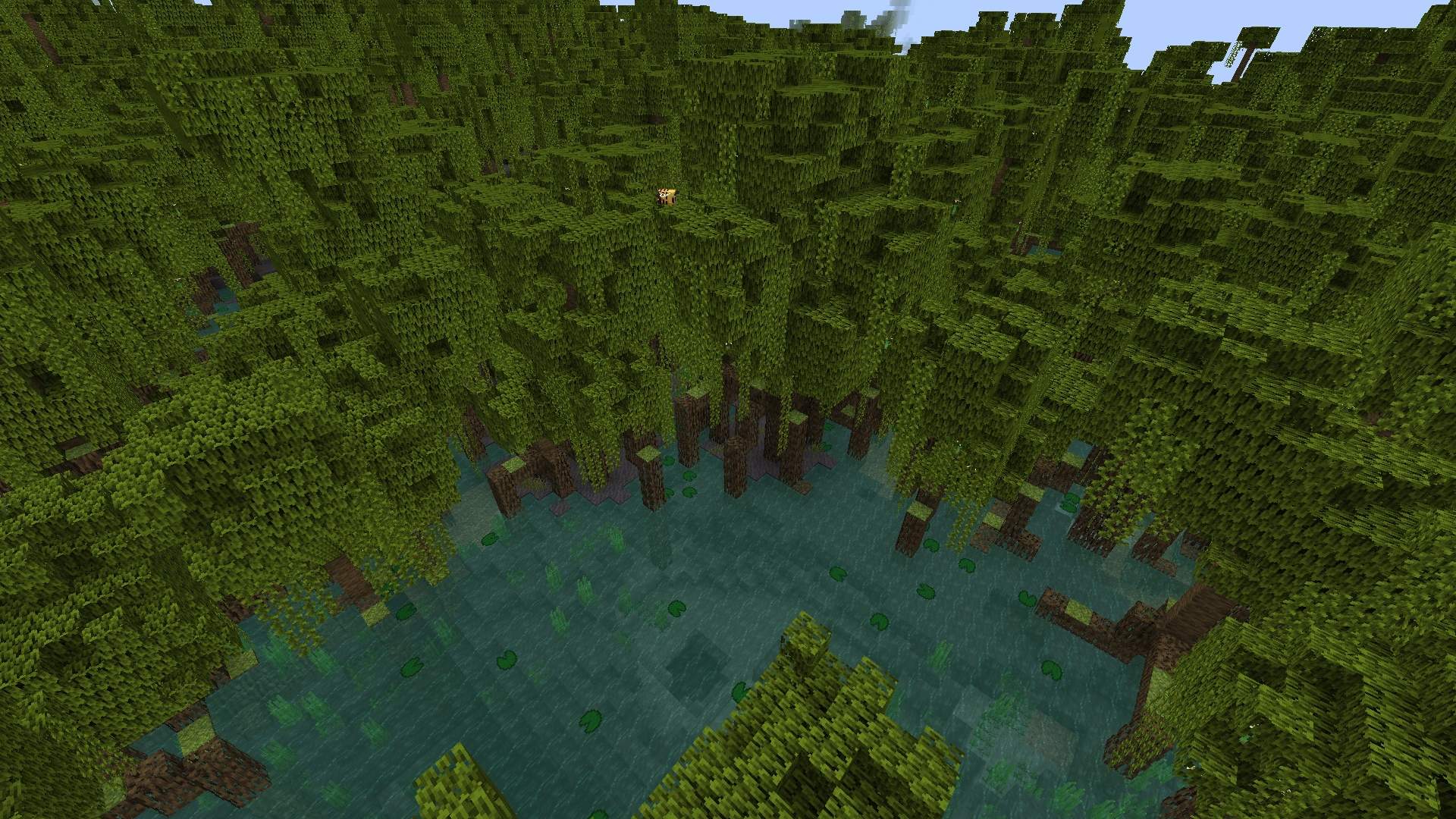
- Mangrove Swamp. A watery, root-tangled biome added in the Wild update. It is the only place to get mangrove wood, mud (which crafts into mud bricks), and naturally spawning frogs of all three temperature variants. Frogs eat small slimes/magma cubes to make froglights, the brightest decorative light blocks. Tropical and full of character.
- Ice Spikes. Towering spikes of packed ice and blue ice — a striking, rare biome and the easiest place to gather blue ice (the fastest ice for boat highways) and packed ice in bulk.
- Mushroom Fields. Extremely rare island biome where hostile mobs do not spawn, even at night, because of the mycelium ground. Home to mooshrooms (cows you can milk for stew). A genuinely safe, hostile-free base location if you can find one.
- Woodland Mansion (in Dark Forest). Not a biome itself, but worth repeating: the rarest structure on the surface, found only in dark forests, guarding totems of undying. Treat it as a destination, not a stumble.
Ocean biomes and what lives in them
Water covers most of a Minecraft world, and a few ocean variants are destinations:
- Warm Ocean. Generates next to hot biomes like deserts and badlands. The only place you get coral reefs, sea pickles (a light source), and tropical fish in volume. Bright, gorgeous, and the spot for an aquarium build. Note: warm oceans do not spawn ocean monuments.
- Deep Ocean (and Deep Frozen/Lukewarm/Cold variants). These are where ocean monuments generate — the big prismarine structures guarded by guardians and elder guardians. Clear one for unlimited prismarine, sea lanterns, sponges, and a spot for a guardian farm.
- Frozen Ocean. Icebergs, packed ice, and polar bears. Cold and slow to traverse, but the iceberg blue ice is handy.
A deep ocean with a monument plus a nearby warm ocean for coral is a strong ocean-content combo if your seed gives you both close together.
Java vs Bedrock biome notes
The biome list is nearly identical across editions, with a few differences worth knowing:
- Biome placement differs by seed math. The same seed number produces different worlds on Java and Bedrock — so a biome that is 500 blocks from spawn on Java may be nowhere near it on Bedrock with the "same" seed. Use an edition-correct biome finder.
- Mob and structure contents are essentially the same across both editions for the biomes covered here — ancient cities, woodland mansions, ocean monuments, and their loot all generate on both.
- The Warden and deep dark behave the same on Java and Bedrock, including the Swift Sneak enchantment found in ancient cities.
- Spawn rates and exact generation frequency can vary slightly between editions, but every biome named in this guide exists on both Java and Bedrock.
- Wilderness Bound landed on both editions the same day — Java 26.3 and Bedrock 26.50, 15 September 2026 — so the dappled forest and abandoned camps are not a Java-first feature. Per the Minecraft Wiki, abandoned camps are also one of the few structures whose generation spots line up between Java and Bedrock.
Quick Action Checklist
Use biomes as a content map, not just scenery:
- Base in plains, savanna, taiga, or near any village for an easy start
- Mine gold in the badlands — it is the richest Overworld gold source
- Raid desert temples and jungle temples for early diamonds and enchanted books
- Find a lush cave (look for azalea trees on the surface) for axolotls and glow berries
- Go to the deep dark for ancient city loot — sneak, place wool, and avoid waking the Warden
- Follow a sulfur spring down into sulfur caves for sulfur cubes, cinnabar, and the "Bounce" disc
- Visit a cherry grove for cherry wood and a mangrove swamp for mud and frogs
- Find a dappled forest (cold, dry terrain beside plains, ice spikes or cherry groves) for poplar wood, and check its abandoned camps for a hidden oxidized copper chest
- Clear a deep-ocean monument for prismarine, sea lanterns, and sponges
- Find a dark forest to hunt the woodland mansion and its totems of undying
- Use an edition-correct biome finder — Java and Bedrock place biomes differently on the same seed
Frequently Asked Questions
What is the rarest biome in Minecraft?
Which biome is best to build a base in Minecraft?
What biome has the most diamonds in Minecraft?
Where do axolotls spawn in Minecraft?
What is in the deep dark biome and is it worth visiting?
What is the dappled forest biome in Minecraft?
Do biomes generate the same on Java and Bedrock?
Keep Reading
- Minecraft Wiki — full biome list and properties
- Minecraft Wiki — ancient city generation and loot
- Minecraft.net official help — all biomes in Minecraft
- Minecraft Wiki — sulfur caves generation, blocks, and spawn tables
- Minecraft Wiki — Java Edition 26.2 "Chaos Cubed" changelog
- Minecraft Wiki — Java Edition 26.3 "Wilderness Bound" changelog
- Minecraft Wiki — dappled forest generation, blocks, and spawn tables
- Minecraft Wiki — abandoned camp biomes, structure, and loot
Related Guides
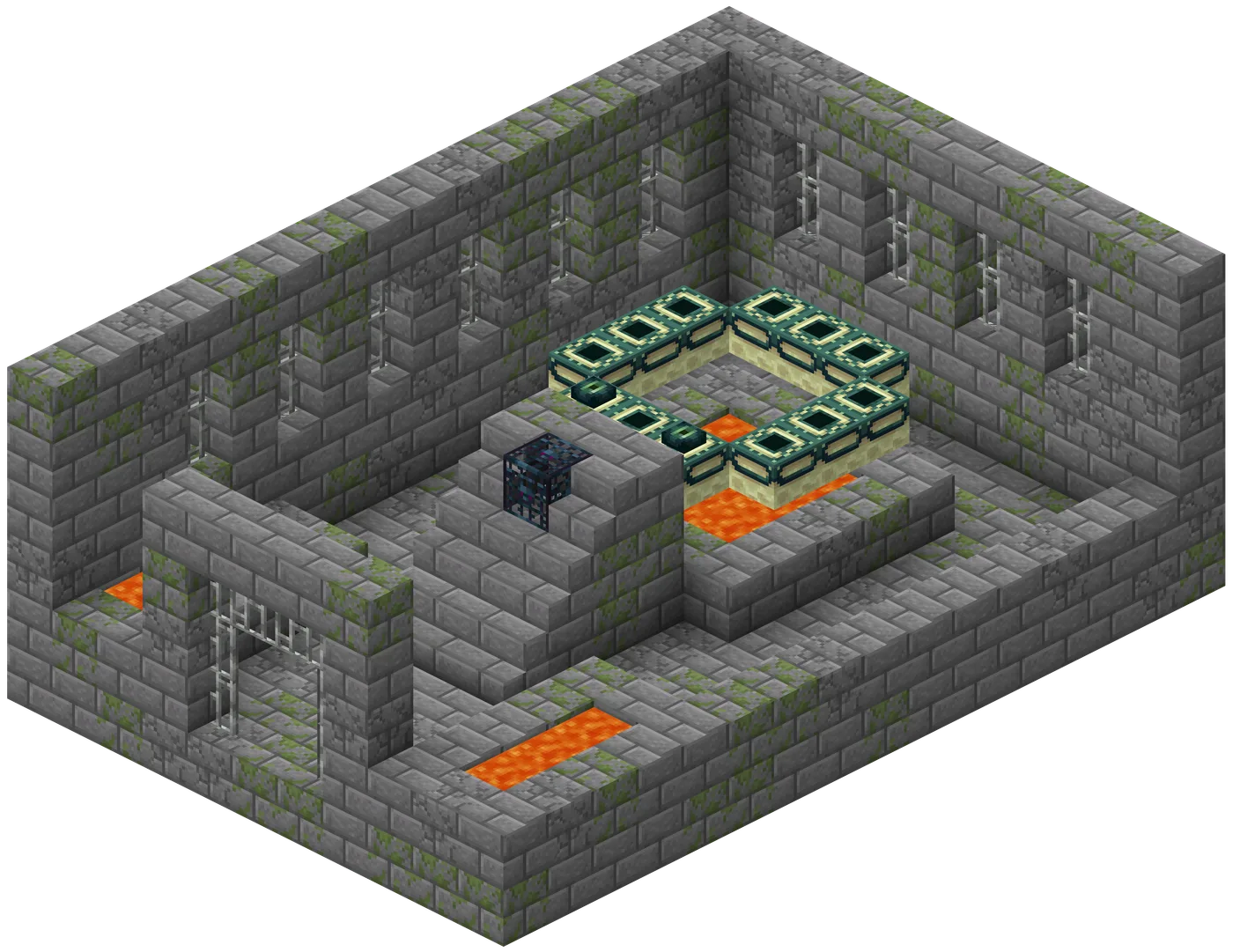
Minecraft Stronghold Guide: Finding, Loot, and Layout
A stronghold is not a hallway with a portal at the end of it — it is a sprawling, half-collapsed complex with up to nine room types, three separate loot tables, and a generation algorithm precise enough to predict a distance before you throw a single eye. Here is the whole structure, not just the part that gets you to the dragon.
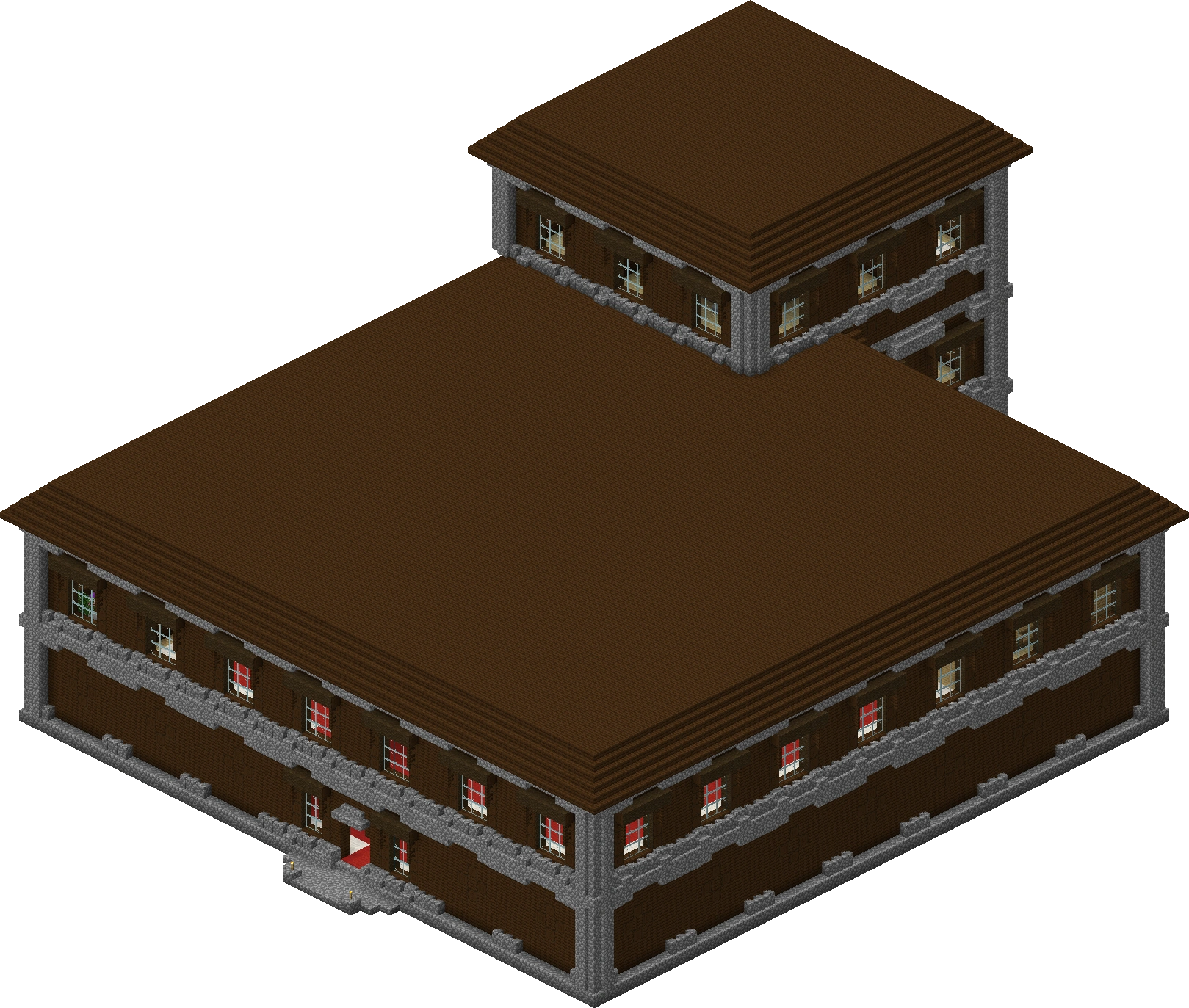
Minecraft Woodland Mansion Guide: Loot, Vindicators, Totems
A woodland mansion is the only structure where you can punch an evoker to death and walk out with a Totem of Undying — the item that revives you the next time something one-shots you. It's also a maze full of axe-wielding vindicators and hidden rooms with diamonds behind fake walls. Here's how to find one, clear it without dying, and grab everything worth grabbing.
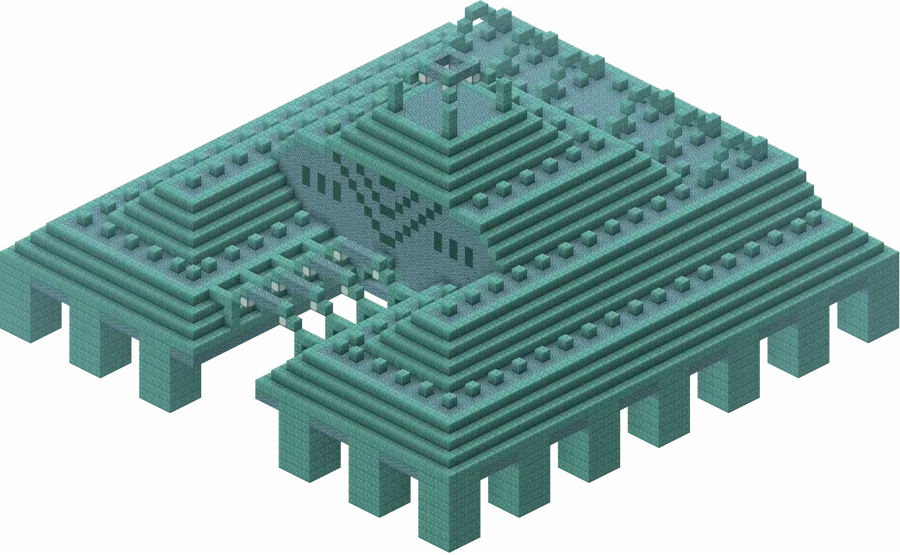
Minecraft Ocean Monument Guide: Guardians, Loot & Conduits
An ocean monument is the only place in Minecraft you'll find sponges, three elder guardians that hit you with Mining Fatigue III before you even see them, and the prismarine you need to build a conduit. Here is how to find one, beat it, and walk out with the loot.
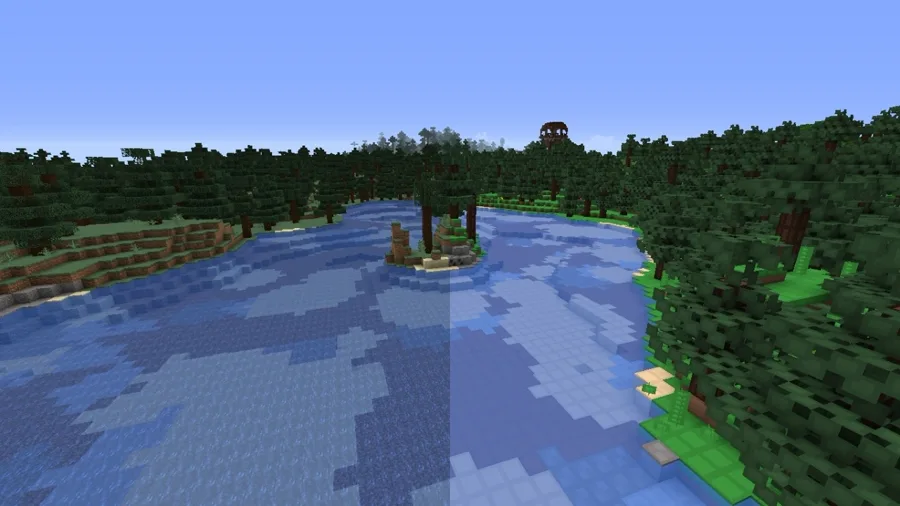
Best Minecraft Texture Packs to Try
A texture pack swaps what every block looks like without touching how the game plays — and the right one fixes vanilla's blurriest, ugliest textures or doubles the resolution. Here are the packs worth installing, what each one actually changes, and the install path for both Java and Bedrock.
Minecraft Survival Guide for Beginners: Your First Days
You have about ten minutes of daylight before the sun sets and the world tries to kill you. Here is exactly what to do with them — punch a tree, build a tool chain, and get a roof over your head before the zombies arrive.

Best Minecraft Enchantments, Ranked — The Ones Worth Your XP
Mending is the enchantment that ends the grind — gear that repairs itself forever. Everything else is a fight over your XP and anvil uses. Here is what actually earns a slot, ranked, with the real max levels.