Minecraft Shulker Box Guide: Crafting, Dyeing, and Farming
Shulker boxes are the single biggest quality-of-life upgrade in Minecraft — a chest that keeps its contents when you break it. Here is how to farm shells, craft and dye boxes, and set up renewable shulker duplication so you never run out.
Everyone talks about the elytra like it is the prize of the End, and sure, flight is great. But ask anyone with a thousand hours in survival what actually changed how they play, and the answer is the shulker box. A chest that keeps its contents when you break it sounds like a small thing until the first time you fill one with an entire branch-mining haul, punch it once, and pocket 27 stacks like it is a sandwich. That is the moment inventory management stops being the real final boss of Minecraft.
This guide covers the whole shulker pipeline: where shells come from and how to farm them efficiently, the crafting recipe, dyeing, the exact rules for what boxes can and cannot do, and the duplication mechanic that quietly made shulker shells renewable back in Java 1.17.
Why shulker boxes are the real endgame loot
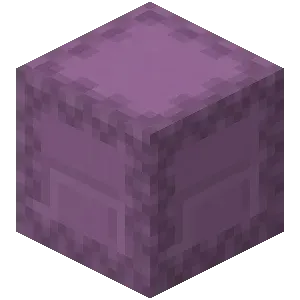
A shulker box is a 27-slot container — same capacity as a single chest or a barrel — with one property nothing else in the game has: when you break it, the contents stay inside the dropped item. The box drops as a single item with all 27 slots intact, ready to be placed and reopened anywhere.
That one property changes everything downstream:
- Mining trips no longer end when your inventory fills. Carry empty boxes, place one, dump your haul, break it, keep digging.
- Project materials travel as one item. An entire base build — stacks of blocks, glass, redstone, food — compresses into a handful of inventory slots.
- Death insurance. Items inside a dropped shulker box do not scatter. One box is one item to recover instead of 27 stacks despawning around a lava pool.
And the multiplier: shulker boxes can be stored inside other containers (everything except another shulker box or a bundle). An ender chest filled with 27 loaded shulker boxes is 729 slots of cross-dimensional storage you can access from anywhere — up to 46,656 items in a block that fits in your pocket.
Getting shulker shells
Shells drop from shulkers, and shulkers live in exactly one place: End cities, the purpur towers that generate on the outer End islands after you kill the dragon. If you have not made that trip yet, our End cities guide covers finding them; the short version is you take the End gateway after beating the ender dragon and hunt the skyline.

The drop math matters here, because it decides how many cities you need to raid. Each shulker has 30 HP, and the shells per kill break down like this:
| Edition and weapon | Shells per kill |
|---|---|
| Java, no Looting | 0-1 at a 50% chance |
| Java, Looting III | 0-1 at a 68.75% chance |
| Bedrock, Looting III | 0-4, averaging 1.25 |
Always bring a Looting sword.
Since one box costs two shells, a Java player with Looting III averages roughly one shulker box per three kills. A decent-sized End city holds enough shulkers for several boxes, and the ship (when one generates) is where the elytra waits as a bonus.
Fighting shulkers is its own puzzle. They hide in armored shells attached to walls and floors, and they only take meaningful damage while peeking out. Their homing bullets hit for damage plus Levitation for 10 seconds, which is genuinely dangerous next to a void drop — a full levitation float lifts you about 9 blocks before you fall. Bring blocks to wall off bullet paths, knock bullets out of the air (they are destructible), and never fight near an edge. A shulker below half health also has a 20% chance to teleport when hit, so finish them fast or be ready to chase.

Crafting and using shulker boxes
The recipe is two shulker shells and one chest, arranged in a vertical line in the crafting grid: shell on top, chest in the middle, shell on the bottom. One craft, one box.
Usage rules worth knowing cold:
- Any tool breaks it and preserves the contents — no Silk Touch required. A pickaxe is fastest; a golden pickaxe pops one in 0.25 seconds.
- It opens like a chest but the lid animation needs headroom: a shulker box cannot open if a solid block sits directly against its opening face. Boxes placed on walls or ceilings open sideways or downward.
- Hoppers work. Hoppers can push items into and pull items out of shulker boxes, which makes them loadable and unloadable by machine.
- Dispensers can place shulker boxes, which is the backbone of automatic box-loading stations.
- The dropped item despawns on the normal five-minute timer like anything else — contents and all. Do not treat a dropped box as safe storage.
Dyeing and naming your boxes
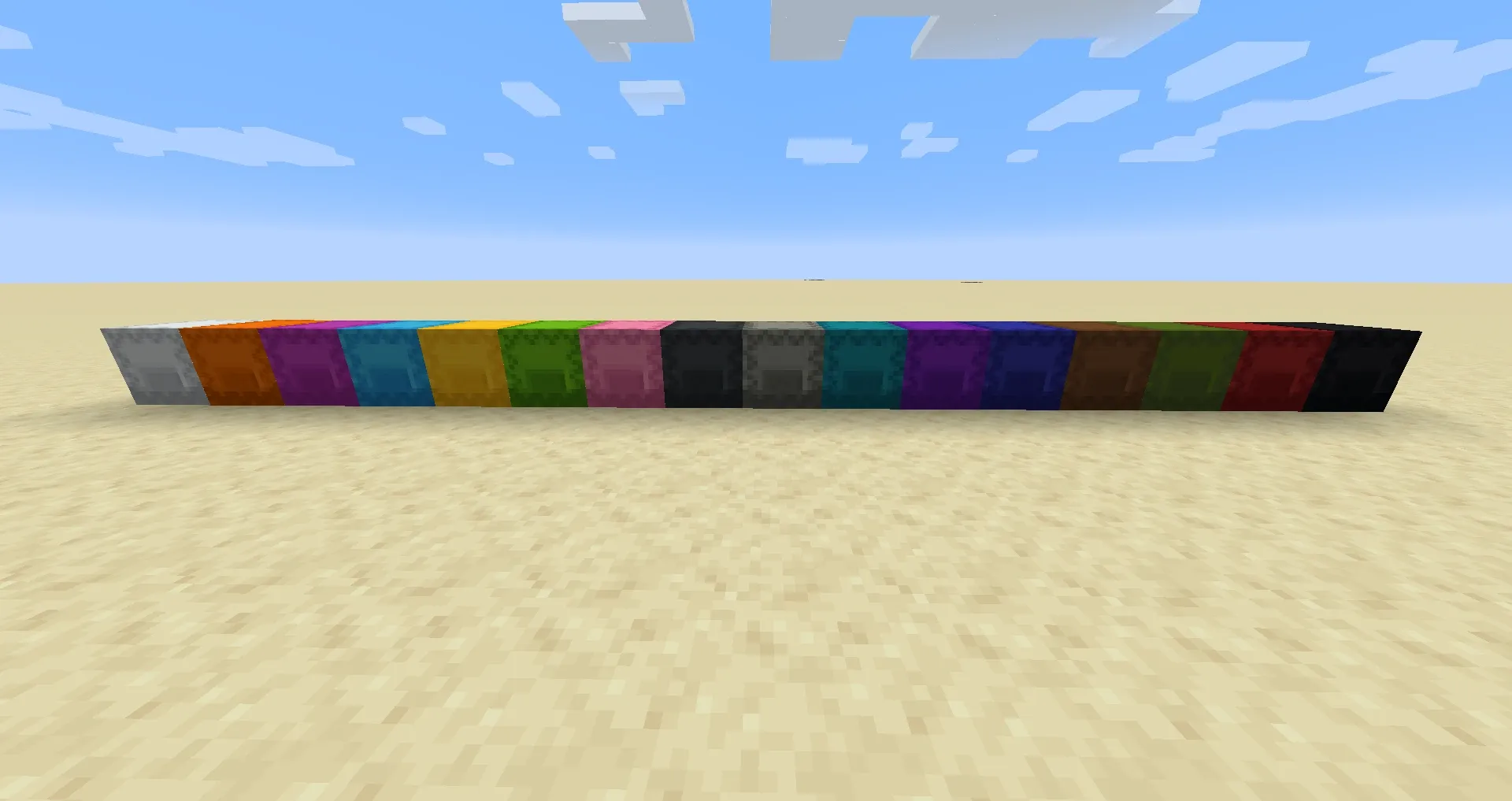
An undyed shulker box is that default purple, and there are 16 dyed variants — combine any shulker box with any dye in a crafting grid and the color swaps, contents untouched. Dyeing is the difference between a wall of identical boxes and an actual filing system: red for combat gear, green for building blocks, blue for redstone, whatever scheme your brain likes.
Two refinements on top of color:
- Rename boxes on an anvil. A named shulker box keeps its name as an item and displays it when placed, so "Nether Junk" and "Good Nether Junk" never get confused again.
- Undyeing is Bedrock-only. On Bedrock you can use a dyed box on a water-filled cauldron to strip it back to default purple. On Java there is no undye — you just re-dye it another color.
What shulker boxes can and cannot do
The rules players get wrong most often, in one place:
- No nesting. A shulker box cannot go inside another shulker box, and it cannot go in a bundle. Every other container — chests, barrels, ender chests, hoppers, minecarts with chests, donkeys — holds them fine.
- They are not blast furnaces of safety. A shulker box has modest blast resistance; a creeper or TNT can destroy the placed block, though it usually just pops it as an item drop like mining would.
- Two boxes cannot share a block the way chests merge. Every shulker box is a single block; there is no double shulker box.
- They do not stack as items. Each box, empty or full, occupies one inventory slot. Empty boxes still only stack to one, which is why bulk transport plans should count slots, not items.
- Comparators read fullness. Like chests, a comparator reads a signal strength from a shulker box based on how full it is — useful for auto-loading circuits that fire when a box is packed.
Shulker farming: renewable shells
Here is the part that flew under the radar: since Java 1.17 (and Bedrock 1.18.30), shulker shells are fully renewable. When a shulker gets hit by another shulker's bullet, there is a chance a brand-new shulker spawns. The chance starts at 100% and drops by 20% for each other shulker within 8 blocks — so at five or more nearby shulkers, duplication stops. That soft cap is the balancing mechanism, and it is exactly what a farm exploits.
The standard farm design in one paragraph: transport one shulker from an End city to a controlled chamber (minecart or boat, treat it like moving a villager in our transportation guide). Aggro it against a second shulker or use a trapped setup where a shulker shoots at a target and clips another shulker positioned in the line of fire. New shulkers spawn from the duplication rolls, get pushed or fall away from the parent (keeping the nearby count low so the chance stays high), and land in a kill chamber where you or a damage system finish them and hoppers collect the shells.
Even a lazy version of this — two shulkers in a purpur box goading each other while you cull the offspring with a Looting III sword — outproduces raiding cities within an hour. If you like farm builds generally, this slots right into the same endgame tier as the projects in our best farms roundup.
One warning: shulkers only duplicate onto blocks they can attach to, and pathing in the chamber matters. Copy a proven design your first time rather than freestyling; the difference between a 100% and a 20% duplication roll is entirely about how far the spawns drift from the parents.
Storage systems worth building
Once shells are renewable, shulker boxes stop being precious and start being infrastructure. Three builds worth your time, in escalating order:
- The mining kit. One ender chest, a Silk Touch pickaxe to reclaim it, and 3-4 empty boxes inside. Wherever you are, you have a full mining trip worth of storage and a way home for the loot. This is the single best quality-of-life kit in the game.
- The unloading station. A dispenser places a full box, hoppers beneath pull its contents into your sorting system, a piston or observer line breaks the empty box and cycles it back to you. Dump 27 stacks by tossing one item.
- The box wall. A wall of dyed, renamed shulker boxes on your storage room floor beats most chest halls for density: each block is 27 slots, and color plus name makes it scannable at a glance.
Java vs Bedrock notes
The core rules — recipe, 27 slots, contents preserved on break, hopper support, no nesting — are identical across editions. The differences that actually come up:
| Java | Bedrock | |
|---|---|---|
| Shell drops | 0-1 at 50%, 68.75% with Looting III | 0-4 with Looting III, averaging 1.25 — Bedrock players gear up faster |
| Undyeing | No undye — re-dye over the top | Use a dyed box on a water-filled cauldron to strip it back to purple |
| Duplication added in | Java 1.17 | Bedrock 1.18.30 — why some older Bedrock farm tutorials claim shells are not renewable; they are, on both editions |
| Rendering | Treated as an opaque block | Treated as a transparent block — occasionally matters for light-based contraptions |
Quick Action Checklist
- Kill the dragon, take a gateway, and locate an End city with shulkers
- Bring a Looting III sword — 68.75% shell chance per kill on Java beats 50%
- Fight shulkers behind cover and never near a void edge (Levitation lasts 10 seconds)
- Craft boxes vertically: shulker shell, chest, shulker shell
- Dye boxes (16 colors) and rename them on an anvil for a real filing system
- Remember the limits: no boxes inside boxes or bundles, no double boxes, items do not stack
- Carry an ender chest with 3-4 empty boxes as a permanent mining kit
- Build a duplication farm — two shulkers and a kill chamber make shells fully renewable
Frequently Asked Questions
How do you make a shulker box in Minecraft?
Do shulker boxes keep their items when broken?
Can you put a shulker box inside another shulker box?
Are shulker shells renewable?
How do you dye a shulker box?
Keep Reading
Related Guides
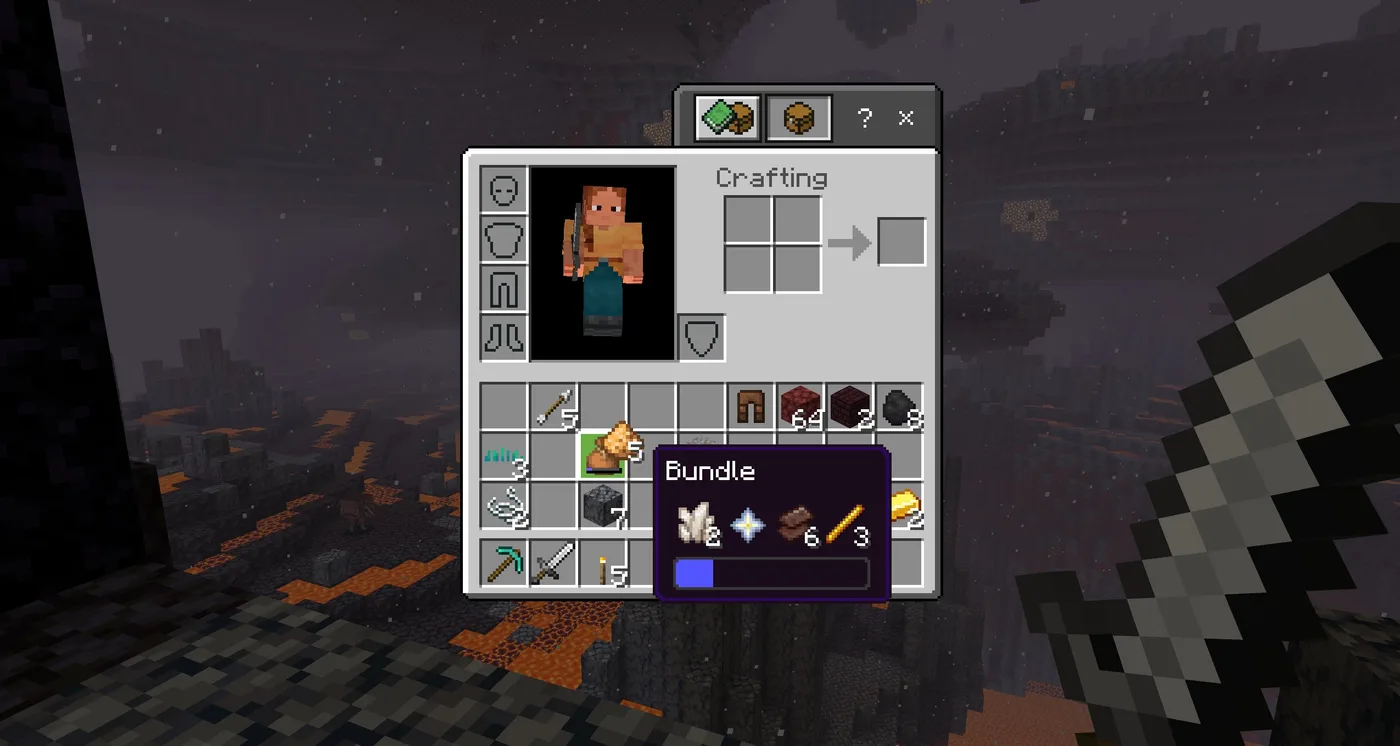
Minecraft Bundle Guide: What Actually Fits Inside One
A bundle does not give you extra storage. It gives you one stack's worth of space that can hold mixed items, and the exchange rate is set by each item's stack size — so 64 cobblestone fit, 16 ender pearls fill it completely, and a single sword fills it on its own. Here is the full capacity math, both control schemes, the nesting rules, and where bundles generate.
Minecraft Wandering Trader Guide: Trades, Spawns and Llamas
Every wandering trader shows 9 offers drawn from a pool of 100 that is the same on Java 26.3 and Bedrock 26.50. Here is the full price list from the game's own trade files, the odds of seeing the offer you want, what the trader buys from you, how long one takes to spawn, and why a name tag will not keep it.

Minecraft on Switch 2: Free Upgrade, Price and Minecoins
Digital owners of Minecraft for Nintendo Switch get the native Switch 2 version free in most regions until January 31, 2027. Cartridge owners have been offered nothing so far. Here are the editions, the US prices, what the native version changes, and the Minecoins change that lands on the same day.
Minecraft Spear Guide: Jab, Charge Damage, and Lunge
A diamond spear jabs for 4 damage. Held low on an elytra at rocket speed, the same spear charges for 37. The spear's charge takes its damage from how fast you are moving, and the weapon breaks several rules the rest of Minecraft combat runs on. Here are the real numbers for every tier, both attacks, and Lunge.
Minecraft Survival Guide for Beginners: Your First Days
You have about ten minutes of daylight before the sun sets and the world tries to kill you. Here is exactly what to do with them — punch a tree, build a tool chain, and get a roof over your head before the zombies arrive.
Best Minecraft Enchantments, Ranked — The Ones Worth Your XP
Mending is the enchantment that ends the grind — gear that repairs itself forever. Everything else is a fight over your XP and anvil uses. Here is what actually earns a slot, ranked, with the real max levels.