Ocarina of Time Remake Boss Guide: What Changed
Six of the Switch 2 remake's bosses now have documented changes: Gohma, King Dodongo, Volvagia, Morpha, Ganondorf and a rebuilt four-phase Ganon. Here is what each change means for the fight, which N64 strategies still hold, and what the wikis have not documented yet.
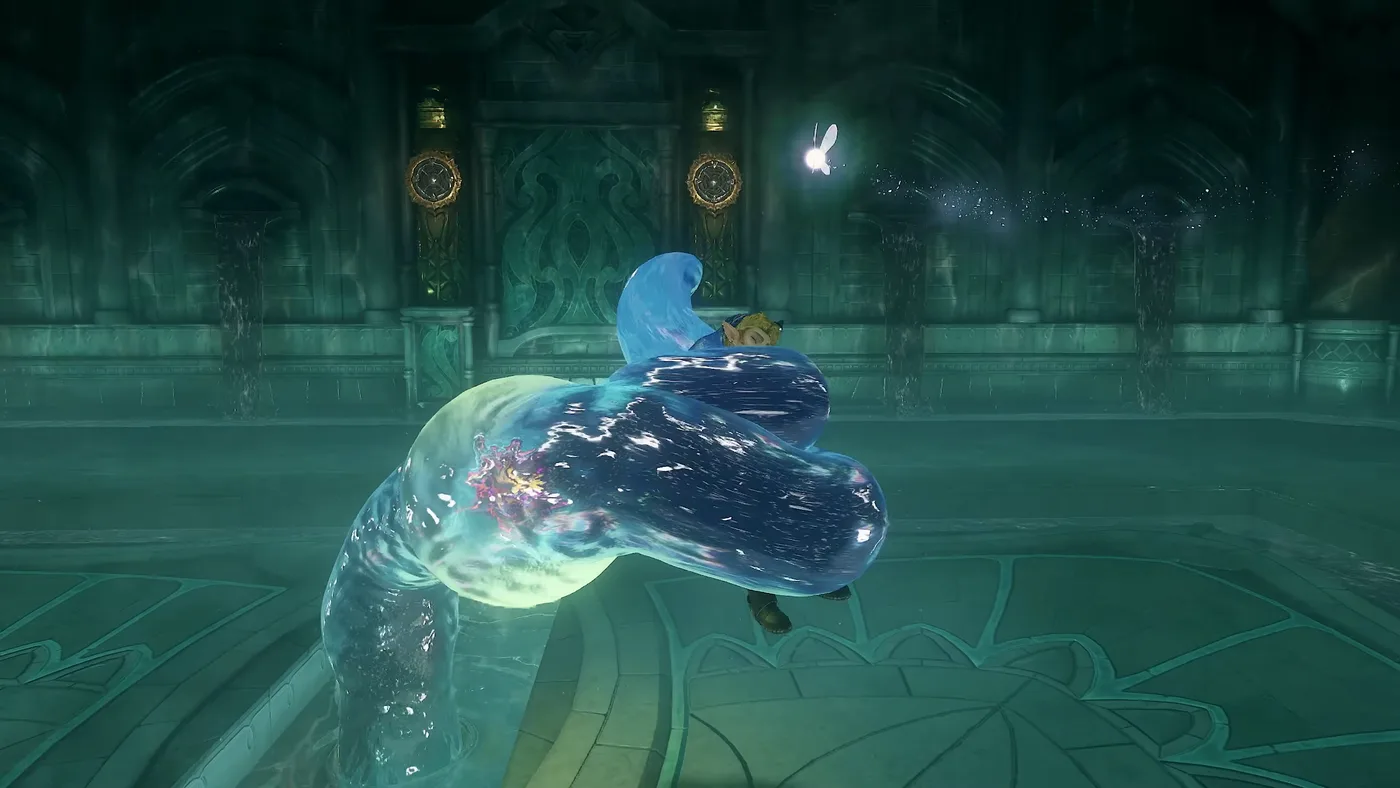
When our dungeon changes guide went up on November 10, the honest answer to "did the remake change the bosses?" was two names: Gohma, from Nintendo's own developer interview, and Dark Link, from Zelda Wiki. That is no longer the whole story. Zelda Wiki's article on the Switch 2 game now has a Bosses section, and the King Dodongo, Volvagia and Ganondorf pages have remake notes of their own, so six of the ten main bosses carry documented remake changes. One of them, Ganon, is close to a new fight.
This guide is about what you do differently in each fight. I have not played the remake; everything here is read from Zelda Wiki, Nintendo's Ask the Developer interview and Zeldapedia on November 13, and where a source says nothing I say so. For the N64 and 3DS fights in full, see our Ocarina of Time boss guide. For dungeon layouts, see the remake dungeon changes guide. This post does not repeat them.
The short version
| Boss | Remake change documented | What still works from the N64 | Source |
|---|---|---|---|
| Gohma | Covers its weak point with the two arms on its head whenever it is immune | Stun the eye, then attack | Nintendo (Ask the Developer, Part 3) |
| King Dodongo | Summons two or three Baby Dodongos after its rolling attack | Bomb into the mouth during the inhale | Zelda Wiki |
| Barinade | No gameplay change documented | Boomerang, then sword | — |
| Phantom Ganon | No change documented | Arrows at the real rider, then the energy-ball rally | — |
| Volvagia | Ice Arrows freeze its head: no fire breath in flight, or a stun when it surfaces | Megaton Hammer is still needed to expose the face | Zelda Wiki |
| Morpha | Platforms level with the water, ladders and wall spikes removed, slower movement, two new tentacle attacks | Longshot the nucleus, then slash | Zelda Wiki |
| Bongo Bongo | No gameplay change documented; you see it with the Lenses of Truth | Disable both hands, then hit the eye | Zelda Wiki |
| Twinrova | No gameplay change documented | Mirror Shield, three charges of one element | — |
| Ganondorf | Destroys more of the floor, a new spread of evil-power blasts, organ stays for the whole fight | The Dead Man's Volley and Light Arrow loop is not documented as changed | Zelda Wiki |
| Ganon | Four phases: tail, arm pustules, survive the fog, Light Arrows to a third eye | Phase one is still "hit the tail" | Zelda Wiki |
"No change documented" means the wikis are silent, not that the fight is confirmed identical. Our N64 boss guide is the closest available read for those four, with that caveat.
What the game's own statues recommend
The remake has its own boss hints, and they are easy to miss. Each boss statue in the Hall of Fallen Foes carries a description and a list of useful items, and Zelda Wiki has now transcribed all of them. A few of those lists go beyond the N64 answer:
| Boss | Useful items on the statue | Statue hint worth reading |
|---|---|---|
| Gohma | Fairy Slingshot, Deku Nut | — |
| King Dodongo | Bomb | — |
| Barinade | Boomerang | — |
| Phantom Ganon | Master Sword, Fairy Bow | — |
| Volvagia | Megaton Hammer, Ice Arrow | Its fire breath can be suppressed if its mouth is frozen over |
| Morpha | Hookshot, Din's Fire | Its liquid tentacles are vulnerable to heat |
| Bongo Bongo | Lenses of Truth, Hover Boots, Ice Arrow | Freezing its hands hindered its ability to bang out a tune |
| Twinrova | Mirror Shield | — |
| Ganondorf | Master Sword, Light Arrow | — |
| Ganon | Master Sword, Light Arrow | — |
The statues tell you what helps, not exactly what it does. Din's Fire against Morpha and Ice Arrows against Bongo Bongo's hands are on the list, but no page I read describes the result in the remake, so treat them as options to test, not a plan.
The child bosses
Gohma
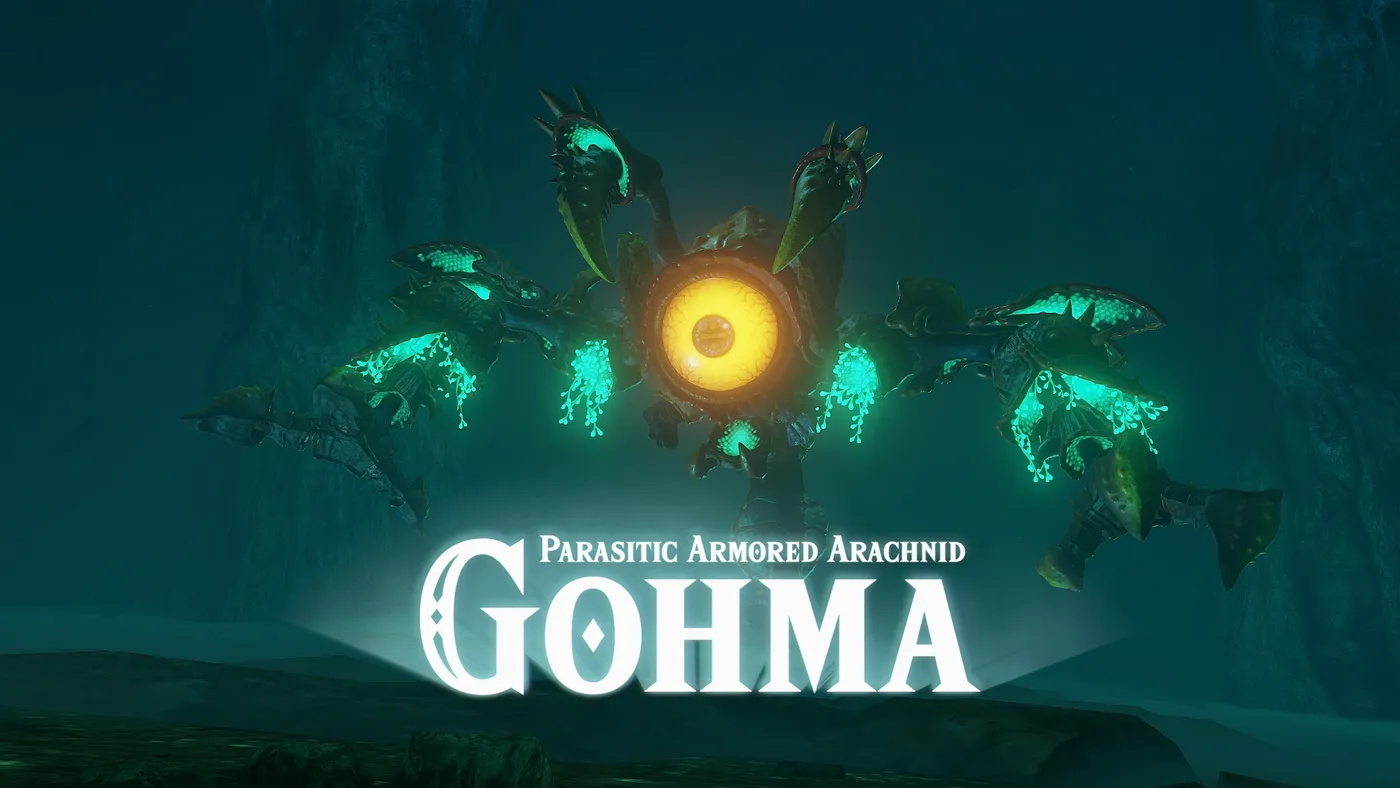
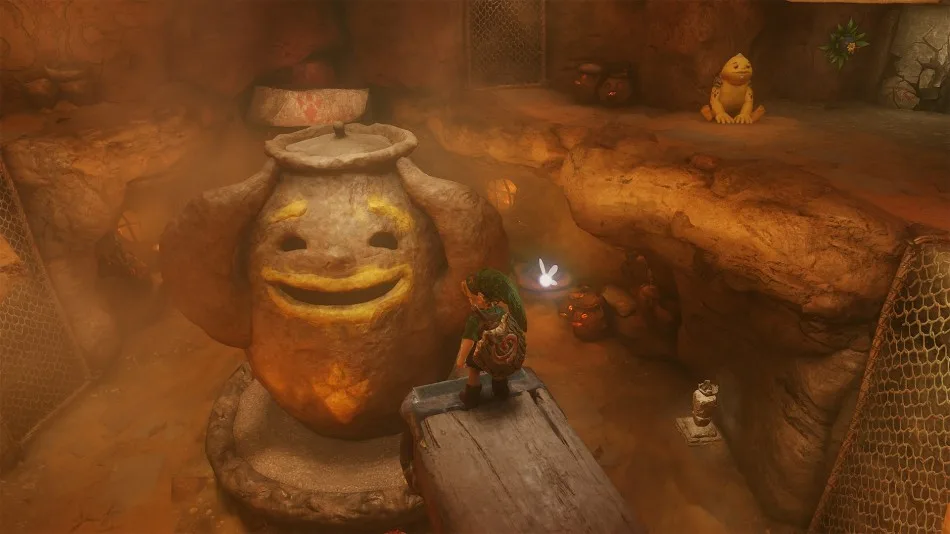
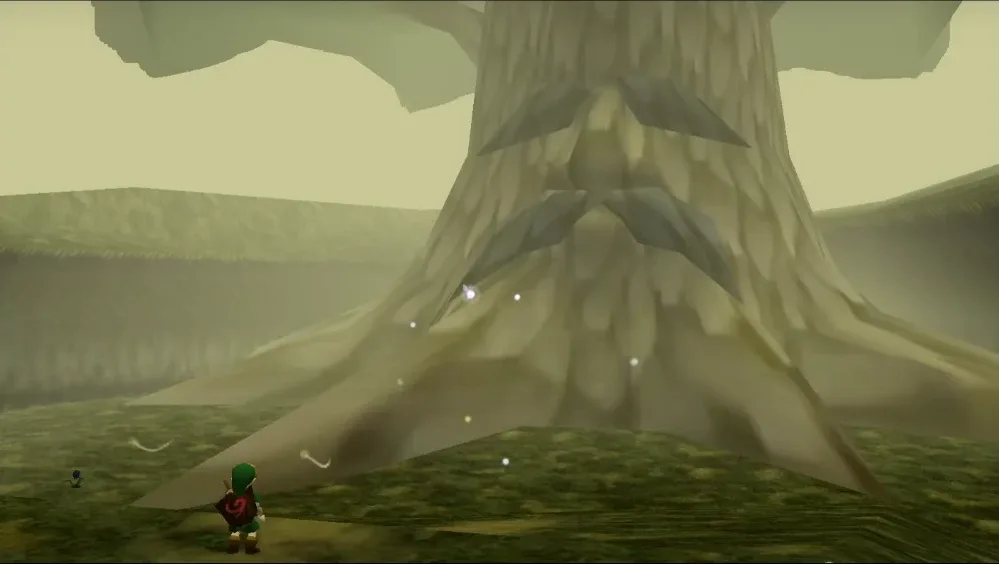
This is the boss change Nintendo explained itself. In part 3 of the Ask the Developer interview, program director Hiroki Taguchi says Gohma could only be damaged at the right moment, but the original made it hard to tell when that was. The fix: Gohma now guards its weak point with the two arms on its head whenever it is immune. Those are the two arms you can see on top of its head in the title card above.
On N64, per Zelda Wiki, the tell was the eye turning red; a Deku Seed from the Fairy Slingshot stunned her, and then the sword or Deku Sticks did the damage. Nintendo describes the remake change as a clearer signal, not a new mechanic, and neither Nintendo nor Zelda Wiki says the Slingshot stun was removed. So the plan is the same with a different cue: arms over the eye, wait; arms down, shoot. The Hall statue also lists Deku Nuts as useful against her.
King Dodongo
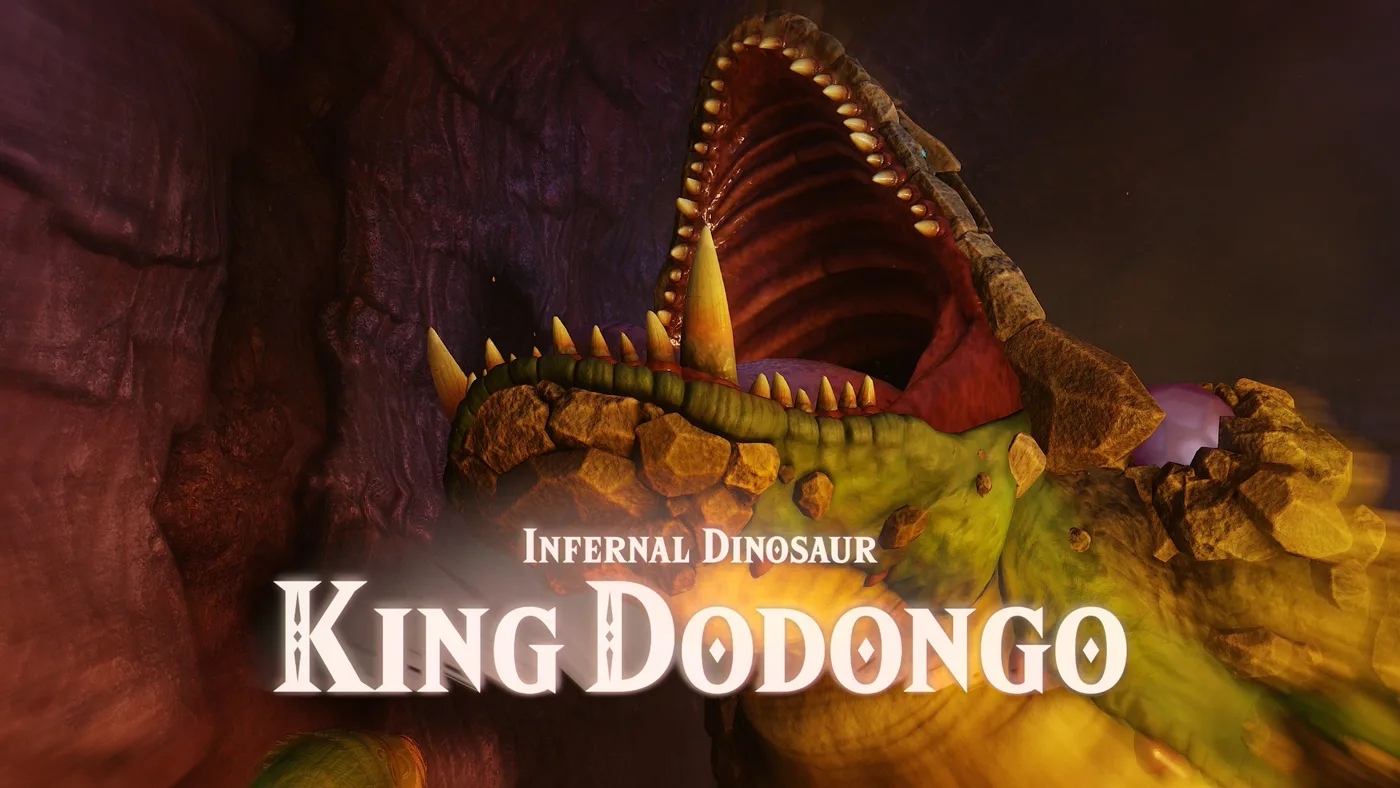
Zelda Wiki's King Dodongo page records one new ability: after its rolling attack, it summons two or three Baby Dodongos. The page does not say how much damage they do, whether they explode, or whether they keep coming for the rest of the fight. Expect company after every roll and clear the floor before you set up the next Bomb.
The core of the fight is not documented as changed. The open mouth during the inhale is still where the Bomb goes; Zelda Wiki's Hall of Fallen Foes table lists Bombs as the useful item against King Dodongo, and Nintendo's own screenshot of the rematch shows a Bomb in the ZR slot. Our Hall of Fallen Foes guide has that screenshot.
Barinade
Zelda Wiki records no gameplay change. The one remake detail on its page is a new Navi line, cited from the Switch 2 game, telling you the body is exposed and it is the perfect chance to land hits. Zeldapedia adds that the death animation was toned down: Barinade grows crystal growths and shatters like glass. Neither affects the fight, so the N64 plan of Boomerang on the tentacles, the Bari and then the body stands, unconfirmed.
The adult temple bosses
Phantom Ganon
Nothing documented. Zelda Wiki's page has remake images but no remake section, and the main remake article does not list him under Bosses. Arrows at the real rider, then the energy-ball rally, is still the read.
Volvagia
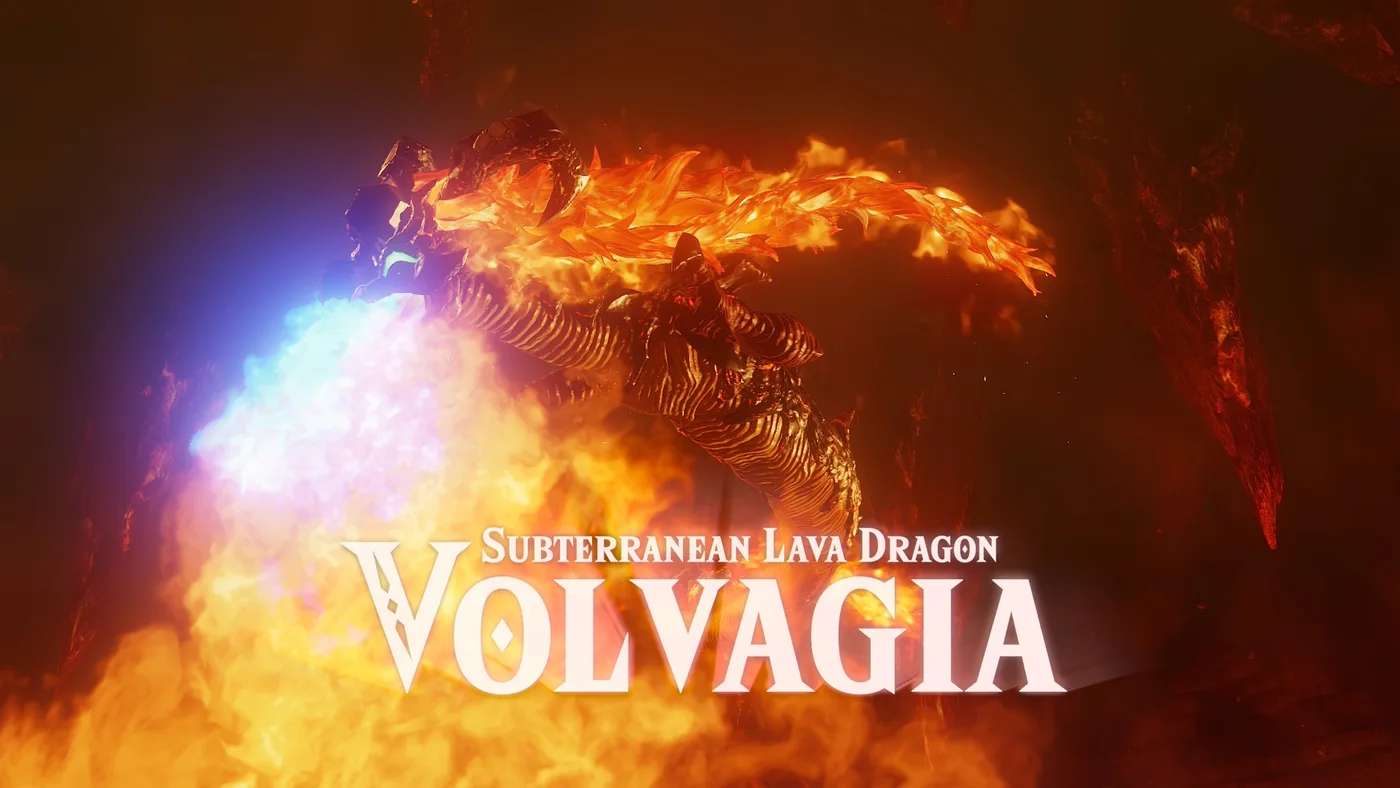
The biggest change to an adult temple boss, and it gives an optional item a job. Per Zelda Wiki's remake article and its Volvagia and Ice Arrow pages:
- Ice Arrow its head while it flies and the head freezes. Volvagia cannot use its fire breath and goes back underground.
- Ice Arrow it as it emerges from a lava pool and it is stunned and collapses, as if you had hit it with the Megaton Hammer.
- You still need the Hammer. The remake article says the Megaton Hammer must still be used to expose its face before you can damage it.
So the Ice Arrow is a way to shut down the fire breath in the air and a second way to land the stun on the ground. It does not replace the Hammer. The remake's item description lists the Ice Arrow at one magic per shot.
Can you have Ice Arrows by then? On N64 they came from the Gerudo Training Ground, which is optional; the remake renames it the Gerudo Proving Grounds and moves it. Neither Zelda Wiki's Ice Arrow page nor the remake article says where the remake puts the Ice Arrows, so I cannot tell you whether a normal route reaches Volvagia with them. If you do the Fire Temple early, plan on Hammer-only.
Morpha
The arena is the change. Zelda Wiki's remake article says:
- The platforms are level with the water in the pool, and the ladders and the spikes along the walls are gone.
- Morpha moves more slowly, which the wiki says makes it easier to Longshot the nucleus.
- New attack: it raises many tentacles around the room that wait and slam down when Link passes close. You have to cross the room to reach the tentacle holding the nucleus.
- New attack: it lines up several tentacles along one side of the pool and slams them down in rapid succession.
On N64, the tentacle's grab shook you and then threw you across the room, with extra damage if you landed in the wall spikes. Those spikes are gone, per the article, so that particular punishment is too. The two new attacks are what to watch instead: walking past a waiting tentacle is how you get hit now. The Longshot on the nucleus followed by sword hits is still the method, and slower movement should make the pull easier. Morpha's Hall statue lists the Hookshot and Din's Fire and says its tentacles are vulnerable to heat; what Din's Fire actually does to them is not described anywhere I read.
Bongo Bongo and Twinrova
Neither has a documented gameplay change. Bongo Bongo is still invisible without the Lens, which the remake replaces with the Lenses of Truth, worn in the accessory slot with its own button, per Zelda Wiki. Its Hall statue adds the Ice Arrow to the useful items and says freezing its hands disrupted its drumming. One remake system helps: footwear now sits on D-pad Down, so if you set the Hover Boots there, you can switch them on to float above the drum's bounce (Zelda Wiki's N64 tip) without opening a menu.
For Twinrova, Zeldapedia's page records a new voice actor for the Japanese version and a changed death scene, with nothing on the fight itself. The Mirror Shield, three charges of one element rule is the N64 rule and is uncontradicted.
Mini-bosses in brief
These are covered in the dungeon changes guide, so this is the short form:
| Mini-boss | Remake change, per Zelda Wiki | What to do |
|---|---|---|
| Dark Link | Opaque, attacks from the start, Din's Fire only stuns him, shorter stuns, counters sword thrusts | Let him attack first, then counter |
| Meg (Poe Sisters) | New tell per phase: purple flame, then lit torch, then open eyes | Pick the copy that does not match |
| Dead Hand | Destroy all the Hands in the room to force it to surface; the Hands respawn | Clear the Hands instead of waiting to be grabbed |
| Iron Knuckle | Axe swings can be blocked with the shield | Block the axe instead of back-stepping out of it |
Ganondorf
The fight in the organ room is the same loop as far as the wikis have written down, with more going on around it. Per Zelda Wiki's remake article:
- He slams the floor more often, destroying sections of it as the fight goes on. Towards the end he destroys the whole floor except the corners, so you reach his platform with the Hover Boots or by climbing up from the room below.
- He has a new attack that sends several blasts of evil power along the floor in different directions.
- His organ stays for the whole battle instead of disappearing at the start.
- The Boss Key now opens the door to Ganondorf's Chamber itself, not the door to the room below.
Zelda Wiki's Ganondorf page adds two details the article does not: the new attack is a barrage of energy balls you can outrun or deflect with a well-timed Spin Attack, and the floor below has Magic Jars and Arrows that respawn if you break all the pots and run out of either. That last one matters for a Light Arrow fight: running dry no longer ends your attempt.
What still works: neither page says the N64 core changed, where you rally his energy ball with the sword (Dead Man's Volley) until it stuns him, then hit him with a Light Arrow and attack while he is down. Keep the Hover Boots on D-pad Down before you go in.
Ganon is now a four-phase fight
Our remake vs original comparison covers the story half: the walls of fire also cut Zelda off from the Master Sword, she throws it to Link, and it glows for the rest of the fight. The gameplay is the bigger change. Zelda Wiki's remake article splits the battle into four phases:
| Phase | What happens | What you do |
|---|---|---|
| 1 | As in the original: Ganon attacks, you go for the tail. After enough damage the fire walls drop and Zelda throws the Master Sword | Hit the tail; press Y when prompted to pull the sword out of the ground |
| 2 | Ganon uses the Triforce of Power: a glowing eye opens on his forehead and glowing pustules appear on his arms. Link's Triforce of Courage powers up the Master Sword | Burst the arm pustules with the Master Sword |
| 3 | Ganon closes the third eye and gets stronger. The arena fills with dark red fog and Link cannot attack him at all | Defend and survive until Zelda finishes charging |
| 4 | Zelda's Triforce of Wisdom beam forces the third eye open | Light Arrows into the eye until he drops his swords and falls, then the Master Sword on the eye; press Y for the finishing blow |
Two practical notes from that. Phase 3 is a survival phase with no damage window, so it is where bottled fairies and potions earn their slot. And phase 4 needs Light Arrows, which means magic; the respawning Magic Jars documented for the Ganondorf fight are on his floor, and nothing I read says Ganon's arena has them.
What carries over from the N64: phase 1. Everything after the sword comes back is new, and the N64 advice to finish with the Master Sword once Zelda holds him still is replaced by the third-eye sequence above.
Where the sources disagree
- Getting back to Ganondorf's platform. The remake article says Hover Boots or climbing up from the room below. Zelda Wiki's Ganondorf page says "Hover Jumps" or the Hookshot to the center platform. Those are two pages of the same wiki on the same fight. Carry both the Hover Boots and the Hookshot.
- Morpha's grab. The remake article says Morpha is slower and easier to Longshot; the Hall statue lists the Hookshot rather than the Longshot. Both are plausible for a pull, but no page says whether the shorter Hookshot reaches the nucleus in the remake's re-laid arena.
- Zelda Dungeon. I tried zeldadungeon.net as a cross-check. On November 13 it returned a Cloudflare challenge (HTTP 403) to every page I tried, so nothing here is checked against it.
What is still not documented
- Phantom Ganon, Barinade, Bongo Bongo and Twinrova. No gameplay change on Zelda Wiki or Zeldapedia.
- Damage numbers. No source gives remake damage for any boss attack or for Link's weapons against them.
- Where the Ice Arrows are. The remake's location for them is not stated, which decides whether the new Volvagia trick is on a normal route.
- Baby Dodongo details. Count per roll (two or three) is all there is.
- Patches. No source I read attributes a boss change to a game update.
Quick Action Checklist
- Gohma: arms over the eye means immune. Shoot when they drop.
- King Dodongo: Bomb in the mouth as before; clear the Baby Dodongos after each roll.
- Volvagia: Ice Arrows freeze the head in flight (no fire breath) or stun it when it surfaces. The Hammer still exposes the face.
- Morpha: no wall spikes now; stay away from the waiting tentacles and Longshot the nucleus.
- Bongo Bongo: put the Hover Boots on D-pad Down for the drum.
- Ganondorf: the floor will go. Keep Hover Boots and the Hookshot ready; refill Magic and Arrows from the respawning stock below.
- Ganon: tail, then pustules, then survive the red fog, then Light Arrows into the third eye. Bring fairies and keep magic for the Light Arrows.
- Practise the new fights in the Hall of Fallen Foes. Zelda Wiki says damage taken and items used there do not carry over, and its three gauntlets run the child bosses, the five temple bosses, then everything including Ganondorf and Ganon.
Frequently Asked Questions
Which bosses changed in the Ocarina of Time Switch 2 remake?
How do you beat Ganon in the Ocarina of Time remake?
Do Ice Arrows work on Volvagia in the Ocarina of Time remake?
What changed about Morpha in the Ocarina of Time remake?
What is different about the Ganondorf fight in the Ocarina of Time remake?
How do you know when to hit Gohma in the Ocarina of Time remake?
Keep Reading
- Zelda Wiki — Ocarina of Time (Nintendo Switch 2): Bosses section (Volvagia, Morpha, Ganondorf, four-phase Ganon), Ganondorf's Castle and mini-boss changes (read 2026-11-13)
- Nintendo — Ask the Developer Vol. 24, Part 3: Gohma guards its weak point with its head arms when immune
- Zelda Wiki — King Dodongo: summons Baby Dodongos after its rolling attack in the remake; N64 Bomb strategy (read 2026-11-13)
- Zelda Wiki — Volvagia: Ice Arrow freeze and stun in the remake (read 2026-11-13)
- Zelda Wiki — Ice Arrow: N64 location in the Gerudo Training Ground, remake Volvagia use, one magic per shot (read 2026-11-13)
- Zelda Wiki — Ganondorf: remake energy-ball barrage, Spin Attack deflection, respawning Magic Jars and Arrows (read 2026-11-13)
- Zelda Wiki — Gohma: N64 red-eye tell and Fairy Slingshot stun (read 2026-11-13)
- Zelda Wiki — Barinade: remake Navi line, N64 Boomerang strategy (read 2026-11-13)
- Zelda Wiki — Bongo Bongo: Lenses of Truth in the remake, Hover Boots against the drum bounce (read 2026-11-13)
- Zelda Wiki — Lenses of Truth: replaces the Lens of Truth, accessory slot with its own button (read 2026-11-13)
- Zelda Wiki — Dark Link: the Switch 2 remake fight (read 2026-11-13)
- Zelda Wiki — Hall of Fallen Foes: useful items and descriptions on every boss statue, three Rematch Gauntlets, dream-space rules (read 2026-11-13)
- Zeldapedia — Barinade: toned-down defeat animation in the Switch 2 remake (read 2026-11-13)
- Zeldapedia — Twinrova: Switch 2 remake voice actor and defeat scene (read 2026-11-13)
Related Guides
Ocarina of Time ZELDA NOTES: Setup and All 11 Features
ZELDA NOTES for the Ocarina of Time remake needs update 1.1.1, the Nintendo Switch App and an online console, but no Nintendo Switch Online membership. Here is the setup, all 11 features as Nintendo documents them, and what the app costs you in Rupees.
Ocarina of Time Remake Shop Prices and Great Fairy Costs
Zelda Wiki now has price lists for five of the Switch 2 remake's shops and the Rupee cost of every Great Fairy. Here they are in tables, compared with the 3DS prices, plus the wallet each purchase needs and what is still undocumented.
Ocarina of Time Switch 2: Resolution, FPS and Modes
Nintendo never published a frame rate or resolution for the Ocarina of Time remake. Digital Foundry measured it: a held 60fps in both modes, 1080p to 1440p docked, 720p to 1080p handheld, upscaled with FSR 1 rather than DLSS. Here is what that means, what Nintendo's own pages add, and what is still undocumented.
Ocarina of Time Remake Heart Pieces: All 36 Locations
The Switch 2 Ocarina of Time still has 36 Pieces of Heart, but not the same 36. Two moved, the Ice Cavern piece is missing from both remake lists, and Death Mountain Crater gained a Business Scrub selling one. Here is every piece by area, with where the sources disagree.
Ocarina of Time Dungeon Order: The Full Route, Explained
Ocarina of Time looks like an open adventure and plays like a corridor. Eight required dungeons, three side dungeons, and only a couple of places where the game genuinely lets you pick. Here is the whole route with the reasons behind each lock.
Ocarina of Time Remake: Switch 2 Buttons for All 12 Songs
The Switch 2 remake moved the ocarina notes again; only the 3DS's two shoulder-button notes stayed put. Here are the 12 learned songs with fixed inputs in the default Normal layout, checked against two sources, plus how to turn on humming, what Practice Mode and the songbook do, and why I am not printing a Classic table yet.