Cookie Run: Braverse Buying Guide: What to Actually Buy First
Walk into Braverse cold and the product wall is a trap: ten starter decks, five booster sets, loose packs, and boxes. Here's what to actually buy first, in what order, and when to switch to singles.
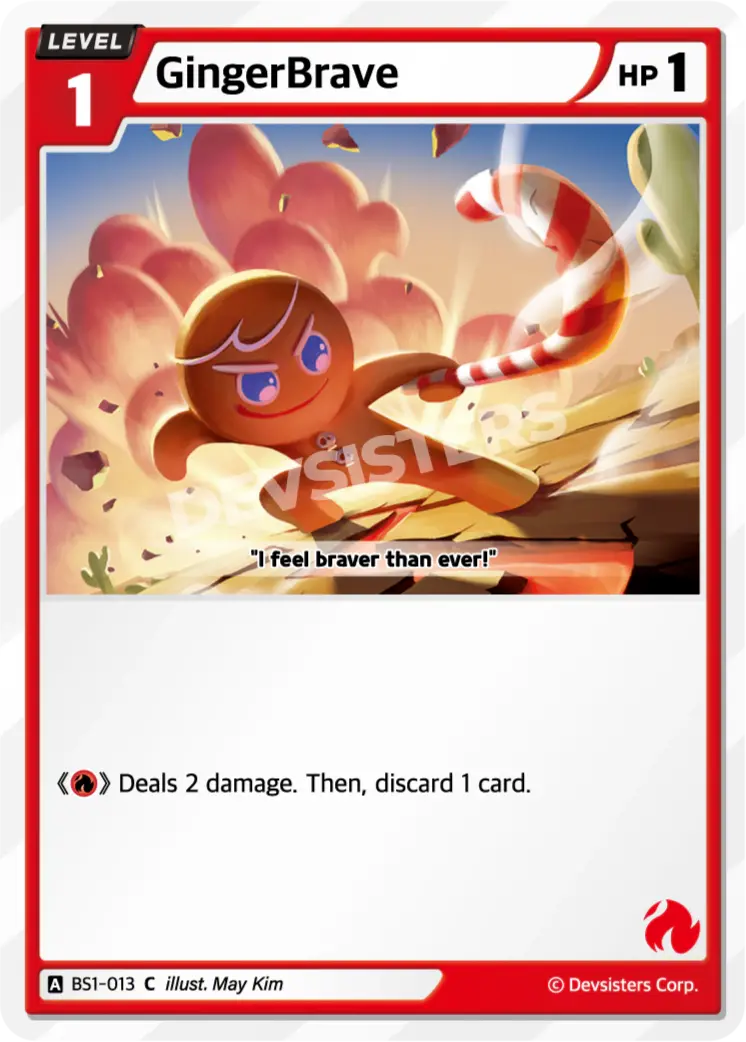
Walk into Braverse cold and the product wall is genuinely a trap. There are ten different starter decks, five booster sets going back to launch, single packs hanging on pegs, and full booster boxes - and nothing on the packaging tells you which of those is the right first purchase. Spend wrong and you'll either drop a pile of cash on a box that doesn't make a playable deck, or grab a random pack and end up with nine cards that don't go together.
So let's cut through it. This is a buying guide, not a hype piece: what each product actually gives you, when a booster box is worth it versus when it's a bad idea, and the exact order a new player should spend money in to never waste a dollar. We're not going to quote prices - they swing by retailer and over time - but we'll be straight about value.
One honest note up front: if you want to skip the where-to-buy hunt, our support page has the Amazon links we use for Braverse boxes and decks. Buying through them helps the site at no extra cost to you. That's the only pitch you'll get, and it doesn't change the advice below.
The short answer
If you're brand new and you read nothing else: buy a starter deck first. One starter deck is a complete, ready-to-play 60-card deck for one player, in one color, with a rulebook in the box. It's the only Braverse product that hands you a real deck out of the wrapper.
Booster packs and booster boxes are for upgrading and collecting, not for learning the game. And singles are how you finish a deck once you know what you actually want. Buy in that order - deck, then targeted upgrades, then singles - and you'll never light money on fire.
The three things you can buy
Braverse sealed product comes in three shapes, and they do completely different jobs.
| Product | What's inside | Best for |
|---|---|---|
| Starter Deck | A complete, fixed 60-card deck in one color, plus a rulebook | Brand-new players; your first purchase |
| Booster Pack | 9 random cards from one set | Topping up, casual ripping, a cheap dopamine hit |
| Booster Box | 28 sealed packs from one set | Collectors, drafting with friends, chasing the set's rares |
The key word for boosters is random. A pack or a box does not give you a deck - it gives you a pile of cards from across one set's color spread. You can't sit down and play with a single freshly opened pack. That's the mistake that burns most newcomers: they buy a pack expecting a starting point and get nine cards that don't form anything.
A starter deck is the opposite. It's curated, it's mono-color, it's legal to play as-is, and it teaches you that color's game plan. That's why it's the answer to "what do I buy first" basically every time.
Start with a starter deck, every time
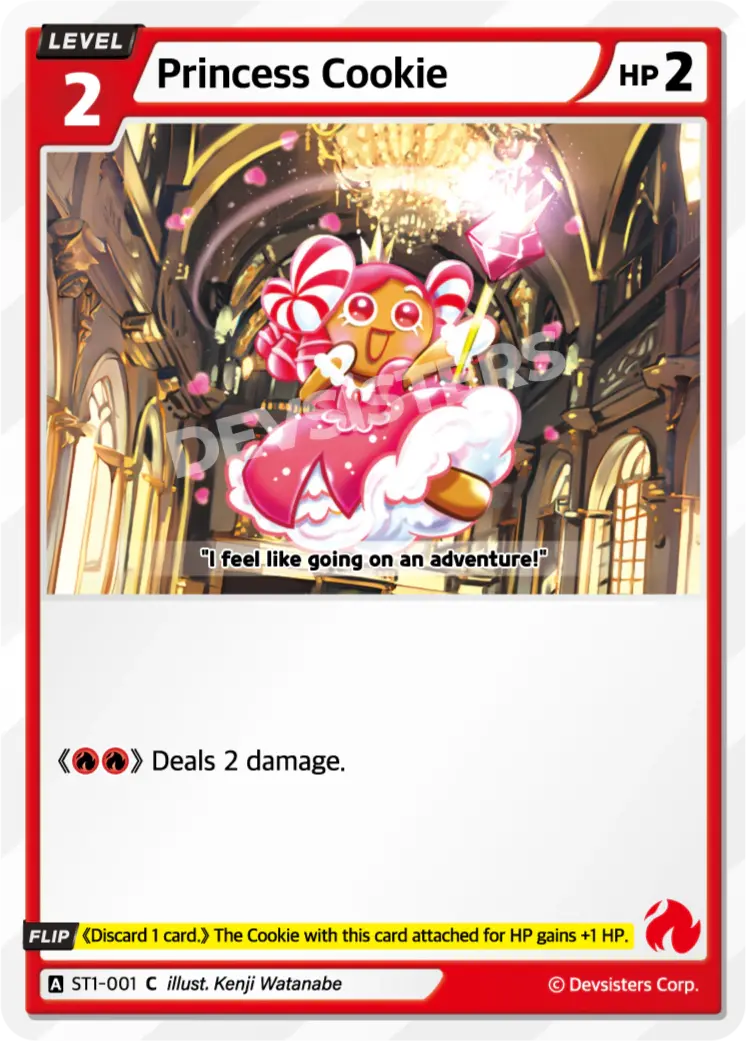
Here's what a starter deck actually does for you that nothing else does:
- It's a full, legal deck. Sixty cards, built to function. You can play your first game the day you buy it.
- It teaches one color cleanly. Each deck is built around a single color's identity, so you learn what Red, Yellow, Green, Blue, or Purple actually wants to do without 60 cards of noise.
- It comes with the rules. The rulebook in the box is the fastest on-ramp, and it pairs nicely with our how to play guide.
- It's the cheapest path to a real game. A single deck plus one for a friend, and you've got a kitchen-table match for less than the price of a booster box.
There are ten starter decks to choose from. The five originals map straight to the five colors - Red, Yellow, Green, Blue, and Purple - and launched alongside the first set. Then there are five newer named decks: Flames of Immortality (red), Tree of Life (yellow), Guardian Winds (green), Seas of Fate (blue), and Glorious Moonlight (purple). The named decks are the more current option in each color, so if both are on the shelf, the named one is usually the fresher pick.
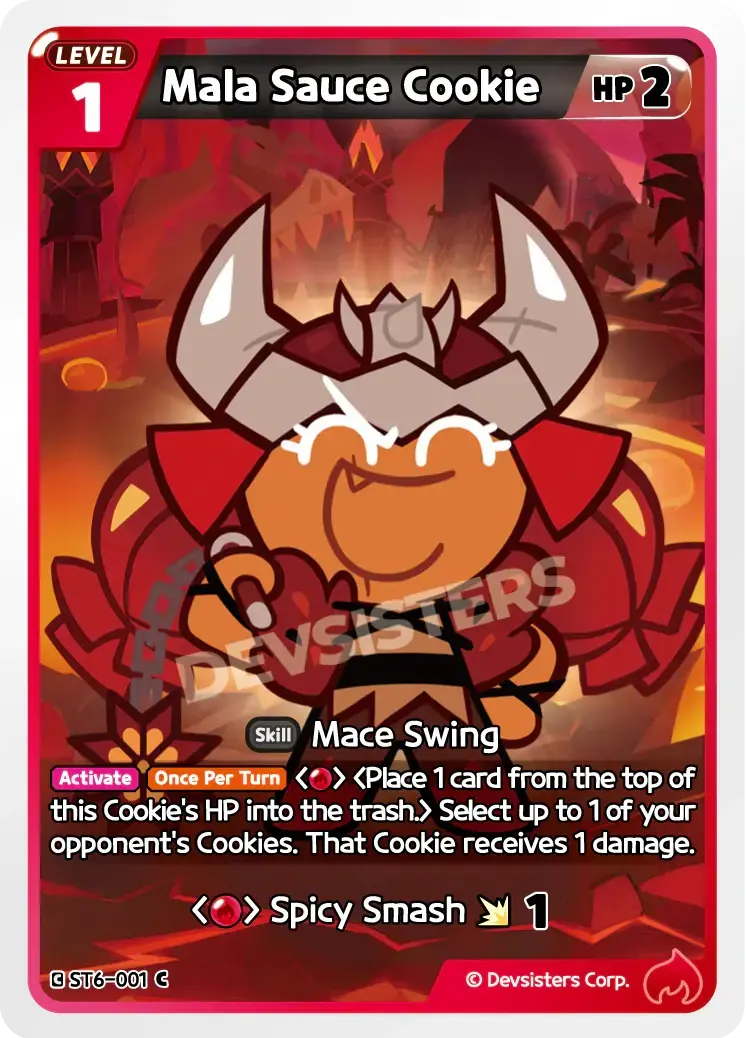
Not sure which color suits you? Our colors explained guide breaks down what each one does, and our best starter deck ranking lines them up head-to-head. The short version: Red wants to race you down fast, Blue and Purple play the long game, and Green and Yellow sit in the middle.
Which set should you start with?
Booster sets aren't a "start here" purchase, but once you're ready to upgrade, which set matters - and the first thing to know is that the shelf carries fewer sets than the card database does. English sealed product covers five boosters, in release order: Brave Beginning (the launch set), Age of Heroes and Kingdoms, Arena of Glory, A Game of Truth and Deceit, and the newest, The Dark Enchantress War. Each of those five has a booster pack, a booster display, and a display case you can actually order.
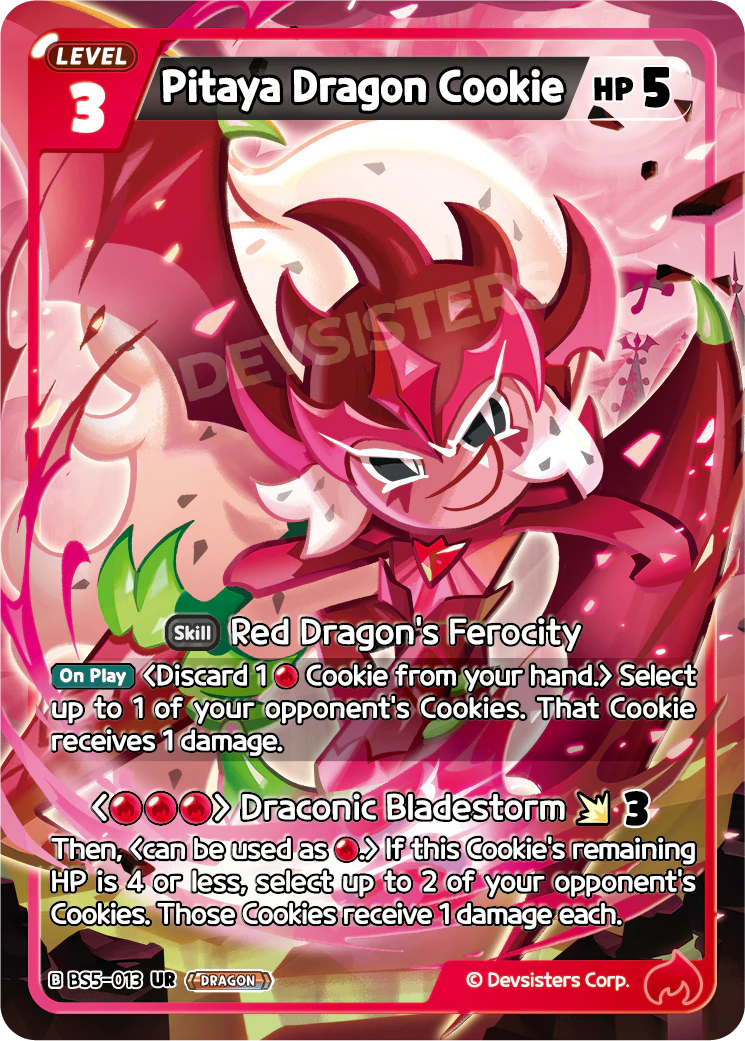
Devsisters' official card database, though, uses eight booster names. The three extras - Operation Timeguard, Land of Fire & Ruin, Realm of Apathy, and Paradise of Passion & Sloth / Catacombs of Silence - are card waves, not English products. Search TCGplayer for an Operation Timeguard pack and you get zero results, because no such pack exists. The cards are all in English; they're just filed under one of the five names above. Pitaya Dragon Cookie's BS5 printing - an Operation Timeguard card - is filed under Arena of Glory.
Two practical ways to pick:
- Buy the newest set you can find. The latest set - currently The Dark Enchantress War, which hit stores July 24, 2026 - is the easiest to find sealed at retail, has the freshest cards, and is where the current chase rares live. New sets are almost always more available than older ones.
- Buy the set that supports your color. If your starter deck is Blue and you want to deepen it, grab packs from a set with strong Blue cards rather than blindly buying the newest box. Our set release timeline lays out what each set added - just note it goes by the database's eight wave names, so it covers ground you can't buy as a separate box, and our TCGplayer set-name map translates between the two.
What you should not do is hunt down the oldest set, Brave Beginning, just because it's "first." It's foundational for understanding the game, but for buying, older sealed product is harder to find and not automatically a better deal.
Booster boxes: the math and the honest pitch
A Braverse booster box is 28 packs of 9 cards each - so roughly 252 cards from a single set in one purchase. That's a lot of cardboard. Here's when a box makes sense and when it doesn't.
A box is worth it if you:
- want a big chunk of a set's pool at once and enjoy opening packs;
- are splitting it with friends or drafting (a box is a great group activity);
- are a collector chasing that set's rares and accept the gamble.
A box is a bad buy if you:
- just want a competitive deck (you'll get a random spread, not a focused list);
- need three copies of one specific card (a box won't reliably give you a playset);
- think of it as an investment (more on that below).
The "box math" reality: a sealed box gives you breadth, not precision. You'll pull commons and uncommons by the dozen, a handful of the higher rarities, and maybe a marquee chase card - but the odds are odds, and we won't pretend a box guarantees its top hits. If your goal is a specific deck, the per-card cost of getting the exact cards you need out of random packs is almost always worse than just buying those cards as singles.
Where a box genuinely shines is the experience and collecting. Cracking 28 packs with friends is a good night. Just don't confuse it with deck-building.
Sealed vs singles: the real rule
Here's the rule that saves the most money in this whole game:
Buy sealed for fun. Buy singles to finish a deck.
If you have a deck idea and you know you need, say, three copies of one Cookie and two of a specific item card, buying those exact cards as singles is faster and cheaper than ripping packs and praying. You skip the variance entirely. That's true in basically every modern TCG, and Braverse is no different.
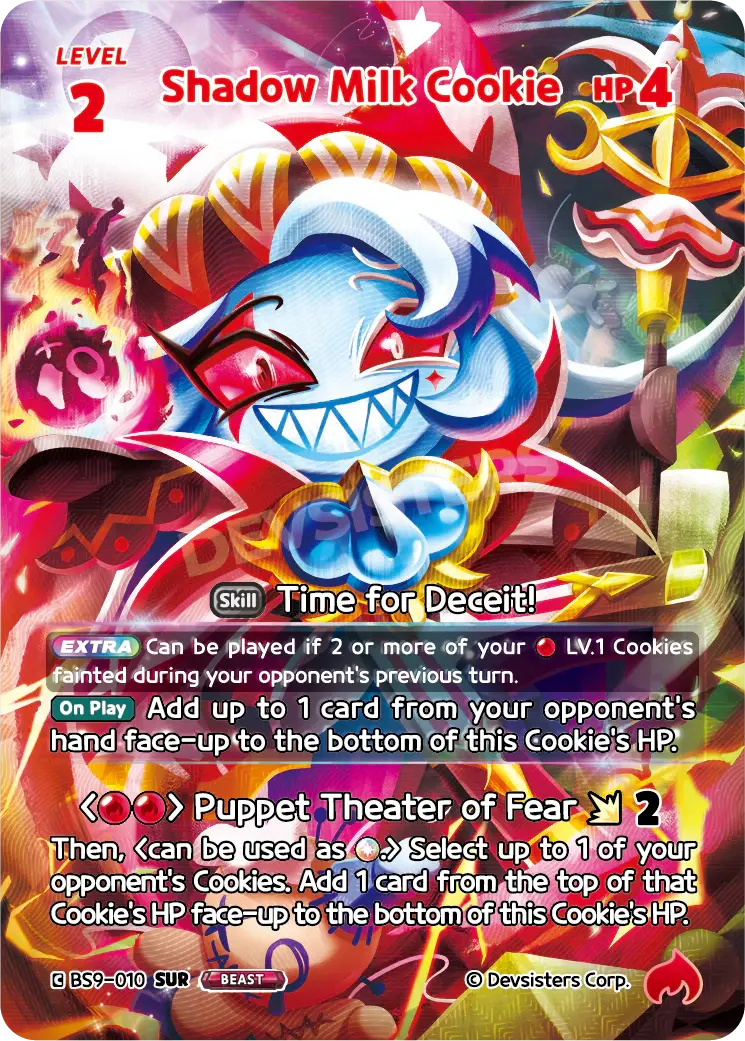
Singles also let you grab a flashy Secret-rare alt-art card - like the one above - directly, instead of gambling a whole box on it. If you want the chase card, just buy the chase card.
Sealed product is for the parts of the hobby that are about the thrill: the surprise of a pack, the social ritual of a box, the collecting itch. Both have a place. The mistake is using the wrong one for the wrong job - cracking boxes to build a deck, or buying singles when what you actually wanted was an afternoon of opening packs.
If you're optimizing for a competitive list on a tight budget, our budget deck guide is built entirely around buying the right singles.
The new-player purchase path
Put it all together and here's the exact order to spend in, from your very first dollar:
- One starter deck in a color that appeals to you. You now have a playable deck. (Grab a second deck if you have a friend to play with - two decks is the cheapest way to get real games in.)
- Learn the deck. Play it a dozen times before buying anything else. You'll figure out fast what your deck is missing.
- Targeted boosters or singles to upgrade. Now that you know your color's plan, buy a few packs of a set that supports it, or - better - buy the specific singles your deck wants. Lean on our deck-building basics so the new cards actually improve the list.
- A booster box - only if you want the experience. Once you're invested and you enjoy opening packs (or you've got a draft group), a box of the newest set is a fun splurge. It's a want, not a need.
- Chase cards as singles, whenever. If a Secret-rare Cookie steals your heart, buy that single. Don't gamble a box on one card.
Notice that a booster box is step four, not step one. That's the whole point of this guide.
Where to buy (and what to avoid)
A few buying-smart habits:
- Buy from reputable sellers. Game stores, established online retailers, and the Amazon links on our support page for boxes and decks. Be wary of sealed product that looks tampered with or "too cheap."
- Newest sets are easiest to find sealed. If a set is sold out everywhere, that's a sign it's older - or that it was never an English box in the first place. Check whether a current set covers your color instead.
- Collect because you enjoy it, not as an investment. Card values are speculation, and TCG "investing" is a great way to lose money and the fun at once. If you love the Cookies, treat any value you pull as a bonus. We dig into this more in our rarities and collecting guide.
- Sleeve and store what you keep. Penny sleeves for playables, toploaders or a binder for your nicer pulls. Cheap insurance against a wrecked collection.
Bottom line: start with a starter deck, upgrade with intent, and only crack boxes when the opening is the thing you want. Do that, and every Braverse dollar you spend goes somewhere you'll actually feel it.
Frequently Asked Questions
What should I buy first in Cookie Run: Braverse?
Is a Cookie Run: Braverse booster box worth it?
Should I buy singles or sealed packs in Braverse?
Which Cookie Run: Braverse set should a new player buy?
How many starter decks does Cookie Run: Braverse have?
Keep Reading
Related Guides

Cookie Run: Braverse Rarities & Collecting Guide: Every Card Tier Explained
Confused by SR, UR, EXR, and those shiny Secret cards? Here's the full Cookie Run: Braverse rarity ladder, what 'hidden' cards are, how boxes are packed, and how to collect without overspending.

Braverse Festival Arena Reprints: What Devsisters Promised
Five days after Festival Arena went on sale, Devsisters apologized for the older cards it had reprinted into the set and promised standard boosters will not be built that way again. It never said how many reprints there were. Its own product listing and card database imply 48.
Cookie Run: Braverse Old Sets Won't Be Reprinted - For Now
A collector asked Devsisters whether it would ever issue second printings of BS1 boxes. The answer, published August 18, is no - not in their existing form. The replacement plan is already sitting in the official card database under a name nobody announced.
Braverse Landed on TCGplayer and Three Set Names Vanished
Search TCGplayer for Operation Timeguard and you get nothing, even though 274 of its cards are listed on the site right now under a different set name. The marketplace files Braverse under five booster sets; the official card database uses eight. Here is the map between them.

How to Play Cookie Run: Braverse - A Complete Beginner Guide
Cookie Run: Braverse is the rare TCG you can teach in a single match. This guide covers everything a first-time player needs: card types, setup, turn structure, how you pay for cards, the FLIP mechanic, and how to win.
Cookie Run: Braverse Meta Tier List — Best Decks & Archetypes Ranked
Which Cookie Run: Braverse decks are actually carrying right now? Here's a meta tier list of the strongest archetypes - the real cards that anchor each one, why they rank where they do, and what's overrated.