Fortnite Shotgun Guide: Win Every Close-Range Fight
Most Fortnite fights are decided inside ten meters, and the player holding the shotgun almost always wins. Here's how each shotgun archetype actually works and the close-range habits that turn coin-flip brawls into free kills.
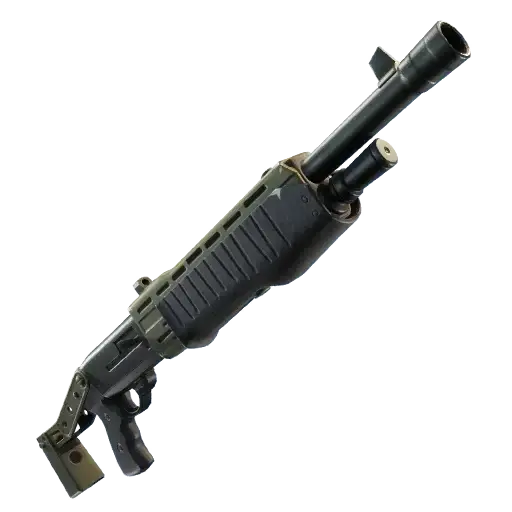
Watch a hundred Fortnite deaths in a row and you'll notice something: almost none of them happen at 90 meters. They happen inside a box, at point-blank range, with a shotgun. Close-range combat decides the overwhelming majority of matches — especially in Build mode, where every endgame collapses into a cramped brick of walls where enemies are one edit away — and the player who wins the shotgun exchange wins the fight. Your aim at range matters. Your shotgun matters more.
That's the uncomfortable truth about improving at this game: you can have a beautiful assault-rifle beam and still lose every match, because the fight that kills you is a 5-meter shotgun flick you fumbled. So this guide isn't about which shotgun is "meta" this week — Epic rotates the pool constantly and any specific name goes stale fast. It's about how the shotgun archetypes work, why first-shot accuracy is the single most important stat, and the close-range habits that turn coin-flip brawls into free kills in any season.
Why the shotgun decides the game
Fortnite's circle shrinks until the final fights happen in tiny spaces. In Build mode, the endgame is a wall of boxes stacked on top of each other, and the moment you take an enemy's wall, you're inside shotgun range whether you like it or not. In Zero Build, the final circles pack dozens of players into a space the size of a parking lot. Either way, the last 20% of every match is close-range, and close-range is shotgun territory.
Here's the falsifiable version of the claim: a well-placed pump-style shotgun blast to the head can do triple-digit damage in a single trigger pull — enough to delete a full-shield opponent in one or two shots. Nothing else in your loadout comes close to that instant burst. An assault rifle needs to land a dozen rounds to do the same work; a shotgun does it in the time it takes to click twice. That one-shot potential is exactly why the close-range fight is a coin flip you want to load in your favor. If you understand your loadout as a whole, our Fortnite loadout priority guide explains why a shotgun is almost always slot one.
The shotgun archetypes
Forget the specific names for a second. Every shotgun Epic has ever released falls into one of a few behavior buckets, and once you know the bucket, you know how to use the gun the instant you pick it up.
Burst shotguns (pump-style)
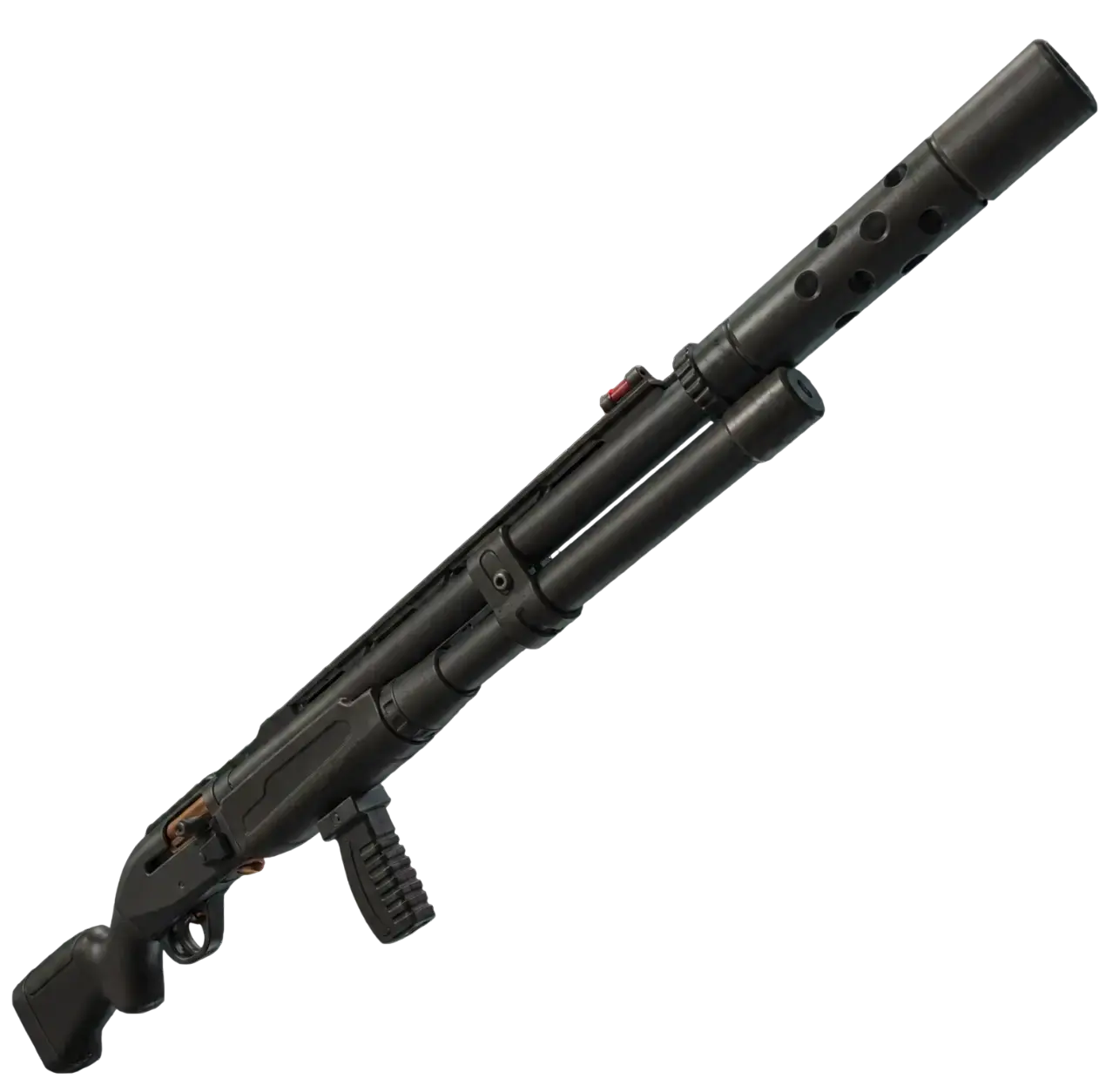
The pump is the archetype everybody pictures: slow fire rate, huge single-shot damage, and a punishing gap between shots. This is the highest-ceiling, highest-risk shotgun. Land a clean headshot and the fight is basically over. Miss, and you're standing there for the better part of a second while your opponent tap-strafes around your build and deletes you with something faster.
Pump-style shotguns reward one thing above all: first-shot accuracy. You are betting the fight on the first pellet spread landing where your crosshair is. If you have a slow, deliberate style and you trust your flicks, this is your weapon. If you panic-spam, the pump will get you killed, because there's no second chance to correct a miss before the recovery animation ends.
Sustained shotguns (tactical-style)
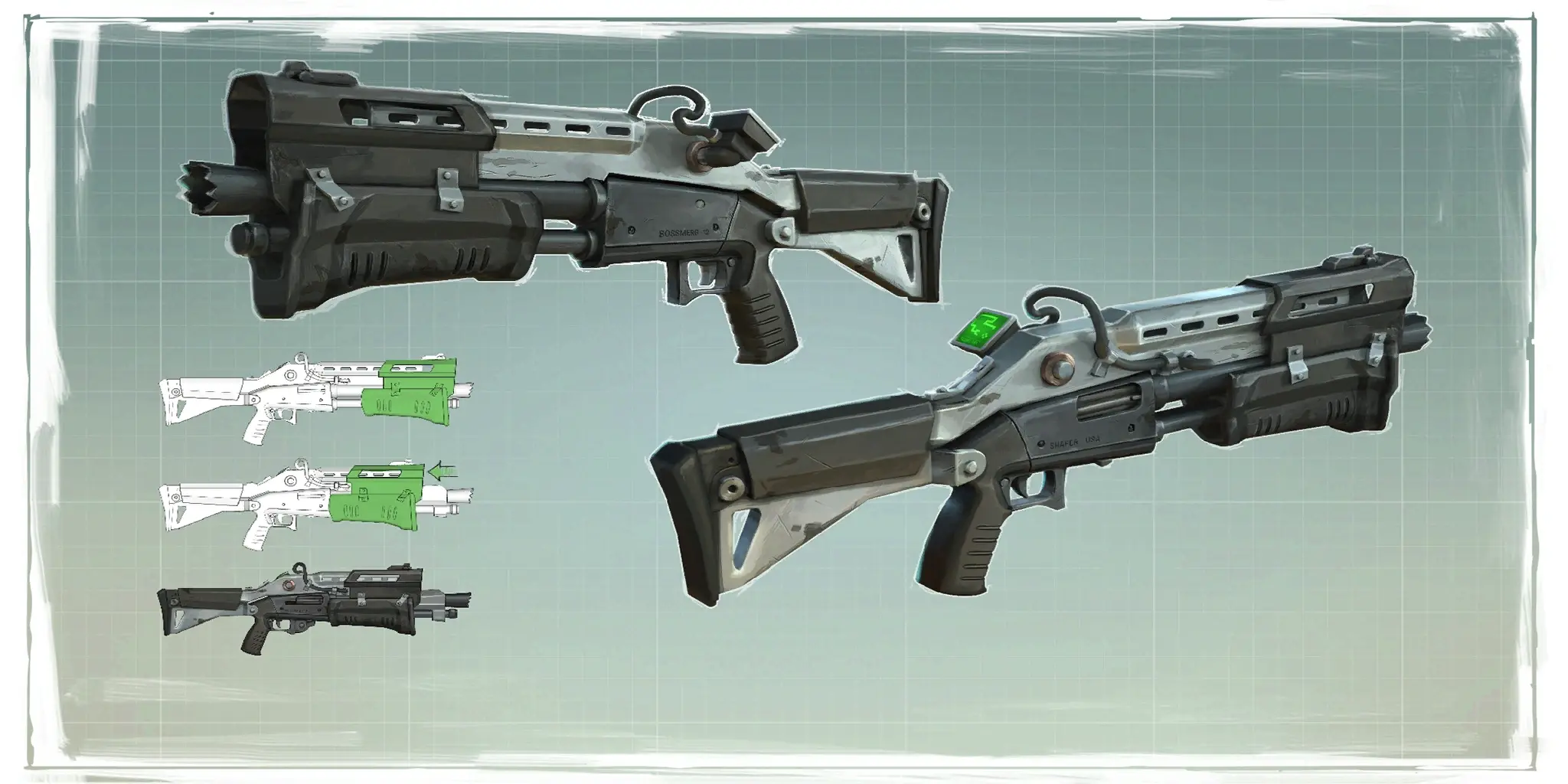
Tactical-style shotguns are the opposite trade: less damage per shot, but a much faster fire rate and larger magazine. Instead of betting everything on one flick, you're spraying two, three, four shots in the time a pump fires once. That makes them dramatically more forgiving — a missed pellet spread isn't a death sentence, because your next shot is already loaded.
This is the shotgun for aggressive, movement-heavy players and for anyone still building consistency in their aim. It's also the better answer when you're fighting inside your own box and can't afford a one-second whiff. The Combat Shotgun is the poster child here: enough range and fire rate to control a fight through tracking rather than a single perfect flick. If your close-range aim is shaky, a sustained shotgun hides your misses — and our Fortnite aim training guide covers how to stop missing in the first place.
Charge and lever shotguns
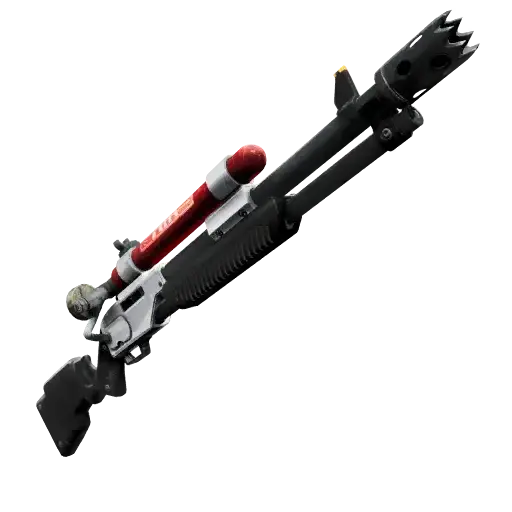
Then there are the oddballs. The Charge Shotgun lets you hold the trigger to build up a bigger blast, rewarding pre-charging around a corner but punishing you if you release early for a weak, uncharged shot. Lever-action and double-barrel variants sit somewhere between pump and tactical — big burst, slow reload, a different rhythm entirely.
The point isn't to memorize each one. It's to slot any new shotgun into a bucket the first time you fire it: is it a one-big-shot gun (play patient, aim for the head, respect the recovery), a spray gun (stay aggressive, out-tempo them), or a timing gun (learn its charge/reload window in a low-stakes mode before you trust it in a final circle)? Reload mode is perfect for that test-fire — see our Fortnite Reload mode guide for why it's the ideal practice ground.
First-shot accuracy is the whole game
Here's the single most important shotgun concept, and it's the one new players never hear: shotguns in Fortnite have a first-shot accuracy window. Right after you pull out the weapon or stop moving, the very first shot fires with a tight, predictable pellet spread. Spam the trigger and subsequent shots bloom wider and less reliably.
What this means practically: the first shot of an exchange is your best shot. Every good shotgun player builds their entire close-range game around landing that first accurate blast. Which is why "peek, first-shot, re-peek" beats "hold the trigger and pray" every time. You're not trying to win a spray war at 4 meters — you're trying to land one clean, tightly-spread pellet cone to the head, then reset your positioning for the next accurate first shot.
This is also why stopping matters. Firing a shotgun while sprinting or mid-air scatters your pellets. Plant your feet for the shot, take it, then move again. In build fights, that's the whole loop: take the wall, plant, shotgun the exposed enemy on your accurate first shot, replace the wall, reset. Piece control is what keeps you in position to keep landing those first shots — our Fortnite piece control guide breaks down owning the wall between you and the enemy.
The shotgun fundamentals that carry
Beyond first-shot accuracy, a handful of habits separate players who win close range from players who get boxed and deleted:
- Aim for the head. Shotguns apply a headshot multiplier, and at point-blank range the difference between a body shot and a headshot is often the difference between a knock and a whiff. Drag your crosshair up as you close distance.
- Swap, don't reload. The classic tech: fire your shotgun, then instantly swap to a second weapon (or a second shotgun) instead of waiting through the reload. You keep dealing damage during the window a single shotgun would leave you defenseless.
- Confirm the range. A shotgun is monstrous at 3 meters and pathetic at 20. If the enemy backs off, don't chase them with a shotgun into your death — swap to your AR or SMG for the mid-range and re-close on your terms.
- Pre-aim where they'll be. When you take an enemy's wall, your crosshair should already be at head height where their body will appear, not lazily pointed at the floor. The fight is won before the wall breaks.
- Control the tempo. Against a pump, bait the shot, let them miss, then punish during their recovery. Against a tactical, don't try to out-spray it in the open — take the fight where your first-shot burst outtrades their volume.
Every one of those is season-proof. The gun names change; planting your feet, aiming for the head, and swapping instead of reloading do not.
Shotgun plus what: the close-range combo
A shotgun alone leaves a gap — the reload/recovery window where you're holding an empty gun and the enemy is still alive. The fix is a second weapon that covers exactly that window. The two classic pairings:
- Shotgun + SMG. The bread-and-butter combo. Land your shotgun burst, swap to a high-DPS SMG to shred the rest of their health (and their builds) while the shotgun would've been reloading. This is the most reliable box-fight loadout in the game.
- Shotgun + AR. More flexible for range coverage — the AR handles the mid-range the shotgun can't, so you're never caught with only a close-range gun when someone's peeking you from across the circle.
Some aggressive players even run double shotgun (two shotguns, swap-fire between them for near-continuous burst), though it costs you a mid-range answer. Whatever the second slot, the principle holds: your shotgun opens the fight, your second weapon closes it. For how these fights actually play out inside a build, our Fortnite box fighting guide is the companion piece, and the broader Fortnite building basics guide covers the walls those fights happen inside.
Common shotgun mistakes
The fastest way to improve is to stop doing these:
- Spamming the trigger. You're throwing away your accurate first shots and blooming every follow-up. Deliberate beats frantic.
- Fighting at the wrong range. Chasing a fleeing enemy with a shotgun, or trying to shotgun someone 25 meters away. Know your effective range and swap when you're outside it.
- Shooting while moving. Sprinting and jumping wreck your pellet spread. Plant for the shot.
- Reloading mid-fight. Never stand there feeding shells into a shotgun while an enemy is shooting you. Swap weapons and reload later.
- Ignoring the headshot. Body-shotting a full-shield enemy leaves them alive to kill you. Crosshair up.
- Panicking in the box. When someone takes your wall, most players spray wildly. The winner pre-aimed head height and took one clean first shot. Calm hands win boxes.
Fix the trigger-spam habit alone and your close-range win rate climbs immediately. It's the most common death cause in the game, and it's entirely self-inflicted.
Quick Action Checklist
How to win close range with any shotgun, in any season:
- Identify the archetype the first time you fire a shotgun — burst, sustained, or charge/timing
- Build your close-range game around your accurate first shot, not trigger-spam
- Plant your feet before firing — no shooting while sprinting or mid-air
- Aim for the head — the shotgun headshot multiplier decides fights
- Swap-fire to a second weapon instead of standing through a reload
- Pair your shotgun with an SMG or AR to cover the reload window and mid-range
- Pre-aim head height where the enemy will appear when you take their wall
- Respect the effective range — swap off the shotgun when the fight opens up
- Test-fire any new shotgun in Reload before trusting it in a final circle
Frequently Asked Questions
What is the best shotgun in Fortnite?
How do shotguns work in Fortnite?
Pump or tactical shotgun — which is better?
Why do I keep losing close-range fights in Fortnite?
What weapon should I pair with a shotgun in Fortnite?
Keep Reading
Related Guides
Fortnite Sniper Guide: How to Actually Hit Your Shots
You did not miss because your aim is bad. You missed because the bullet was still in the air when they strafed. Fortnite snipers fire physical projectiles that arc and take time to land — here is how to lead them, range them, and stop announcing every shot with Sniper Glare.
Fortnite Inventory Management: Slot Order and Drop Rules
Five slots. That's the entire budget, and most players spend two of them on garbage they picked up in the first ninety seconds and never reconsidered. Inventory management is the cheapest skill in Fortnite to fix and the one that quietly decides whether you're ready when the fight starts.
Fortnite Shield & Heal Management: When to Pop What
Most fights in Fortnite aren't lost to bad aim — they're lost at 40 HP with a full Med Kit sitting in your inventory. Healing is a resource you manage, not a button you mash when the damage numbers turn red. Here's the durable framework for shields, heals, and the timing that actually keeps you alive.
Fortnite Mythic Weapons Guide: Bosses, Vaults, and Gold Guns
Every named mythic in a Fortnite lobby usually exists exactly once, somebody has to rip it off a boss to get it, and half the server is planning to rip it off them next. Here's how the gold-gun economy actually works — and when chasing it is throwing.
Fortnite Weapon Tier List: How to Rank Any Loot Pool
Any Fortnite tier list is stale the second a patch drops. So instead of memorizing this season's gun names, learn how to rank weapons by class and role — the framework that's S-tier in every season.

Best Fortnite Settings for PC & Console
Half your settings menu is noise; a handful of options decide whether you can see, aim, and build. Here's what to change on PC and console, why, and the one number nobody else can pick for you.