Fortnite Mythic Weapons Guide: Bosses, Vaults, and Gold Guns
Every named mythic in a Fortnite lobby usually exists exactly once, somebody has to rip it off a boss to get it, and half the server is planning to rip it off them next. Here's how the gold-gun economy actually works — and when chasing it is throwing.
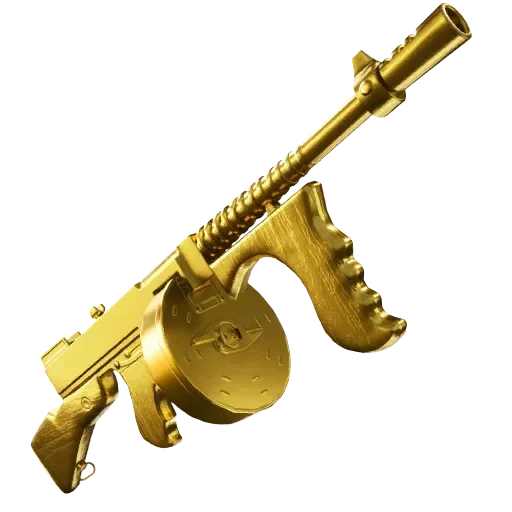
Thirty seconds into the match, half your lobby is sprinting at the same building. Not for the chests — for the boss inside it, because the boss is holding the only copy of the best gun in the game. That's the thing people miss about mythic weapons: each named mythic usually exists exactly once per match, one player is going to walk out with it, and everyone else who landed there is going to die trying. Epic didn't just add strong guns to Fortnite. They added a raid boss economy to a battle royale, and it warps how every match plays out.
This guide covers how that economy works: what mythic rarity actually means, every way to get one, how medallions and vaults fit in, how mythics differ from Exotics, and — the question that actually matters for your win rate — when contesting the gold gun is smart and when it's just donating your loadout to a third party. The specific mythics rotate every season, so we're staying on the durable stuff: the systems that have worked the same way since Chapter 2.
The gold gun is never just a gun
A mythic changes your match before you ever fire it. The moment you pick one up, you're carrying an item other players actively want, that drops on your death, and that — in seasons with medallions — may literally mark your position on the map. You're not just better armed. You're a moving objective.
That's the design intent, and it's worth internalizing early: mythics exist to create fights. Epic scatters a handful of unique, overpowered items across the island specifically so players have a reason to land aggressively, push each other, and fight over something other than circle position. When you understand mythics as fight magnets rather than loot, every decision around them — contest or avoid, hold or ditch, push the holder or let someone else — gets a lot clearer.
What actually makes a weapon mythic
Mythic is Fortnite's rarity tier above Legendary — the gold-colored tier reserved for items that are either unique or meaningfully stronger than their normal counterparts. Per the community wiki's breakdown, mythic items fall into a few recurring types:
- Boss drops. More powerful versions of existing weapons carried by a boss and dropped when the boss dies. Midas' Drum Gun is the classic example — a Drum Gun with better stats and a name attached.
- Unique items. One-off items with no lower-rarity version at all, like the Infinity Blade or Ocean's Bottomless Chug Jug — a Chug Jug that never runs out.
- Collaboration items. Crossover gear pulled straight from other franchises, like the Star Wars E-11 Blaster Rifle. If it came from a movie, it's usually gold.
- Extra-rarity upgrades. In some seasons, ordinary weapons can be pushed past Legendary into a mythic version through upgrade mechanics — Chapter 3's Reality Tree did this, and some seasons let upgrade benches do it.
The common thread: a mythic is either the only one of its kind in the lobby or the strongest version of its weapon class that exists. Either way, somebody else wants it. Where a given season's mythics rank against the regular loot pool is a moving target — our Fortnite weapon tier list tracks that — but the acquisition systems below barely change.
How you get a mythic
There are three reliable pipelines, and they've been remarkably stable across chapters.
Boss drops: kill the holder, take the gun
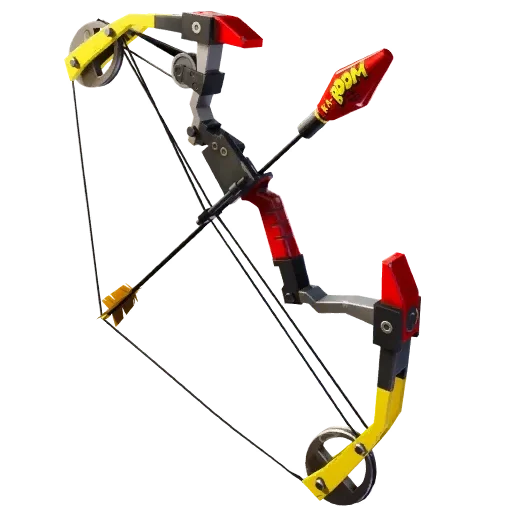
Since Chapter 2 Season 2 — the season that gave us Midas, Brutus, Skye, TNTina, and Meowscles — most seasons have placed AI bosses at named locations, each carrying a mythic weapon that drops when they're eliminated. That first wave set the template: Midas' Drum Gun, Brutus' Minigun, Skye's Assault Rifle and Grappler, TNTina's Ka-Boom Bow. Kill the boss, take the gun, inherit the target on your back.
Bosses are genuinely dangerous. They come with big health-plus-shield pools, they're accurate at range, and they're usually surrounded by AI guards or henchmen. Fighting one is a commitment: you'll burn ammo, take chip damage, and make noise that every player within earshot will investigate. Which is exactly why the meta around bosses isn't "who can kill the boss" — it's "who can kill the boss's killer." More on that below.
Medallions and vaults

From Chapter 5 Season 1 onward, boss kills started paying out twice: the weapon, plus a medallion. Medallions don't take an inventory slot, and most of them buff you passively — the classic effect is shield regeneration (The Machinist's Medallion, for instance, regenerated 5 shield per second up to a 75-shield cap). Stack multiple medallions and the effects stack with them.
The catch is brutal and brilliant: carrying a medallion exposes your location area on every opponent's map, and the more medallions you carry, the more precise that circle gets. You become the objective. Medallions also inherit the old keycard job — in the seasons that use them, they're what opens the boss's vault, a locked room stuffed with high-tier loot and often the mythic itself. And like the weapons, medallions drop when you die, so the whole package just transfers to whoever kills you.
That transfer mechanic is the engine of the entire system. A mythic is never gone from the match until the match ends — it just keeps changing hands, and every hand it's in is marked, hunted, or both.
Upgrades and collabs: the wildcard mythics
The third pipeline is season-dependent: some seasons let you upgrade a normal weapon into a mythic version at a bench or a special map mechanic, and collab seasons scatter franchise weapons — lightsabers, blasters, superhero gadgets — that carry the gold rarity without a boss attached. These are the least predictable sources, and honestly the least interesting strategically: if a mythic is sitting in a chest or on a bench, it doesn't create the fight-magnet dynamics that boss mythics do. Grab them when they're strong, but don't build a landing strategy around them.
Mythic vs Exotic vs Legendary
These three get mixed up constantly, and the difference actually matters for how you play:
- Legendary (orange) is the top of the normal loot pool. Any number can exist per match. You find them in chests, on the ground, wherever. Strong, anonymous, nobody hunts you for one.
- Exotic (light blue) arrived in Chapter 2 Season 5 and is a purchase, not a prize. You buy Exotics from NPCs with gold bars — or occasionally from malfunctioning vending machines — and most share stats with their Legendary counterparts while adding one unique gimmick, like a scoped weapon that heals instead of damages. Exotics are reliable: same NPC, same gun, every match.
- Mythic (gold) is the contested tier. Usually one copy per match, usually guarded by a boss, always stronger or stranger than everything below it.
The strategic read: Exotics are a farming decision — earn bars, walk to the NPC, buy your gun with zero fight required. Mythics are a combat decision — someone has to die for you to get one. If your loadout plan depends on a specific power weapon, the Exotic route is the consistent one, and it deserves a line in your loadout priority thinking. The mythic route is a gamble you should only take on purpose.
The Infinity Blade rule
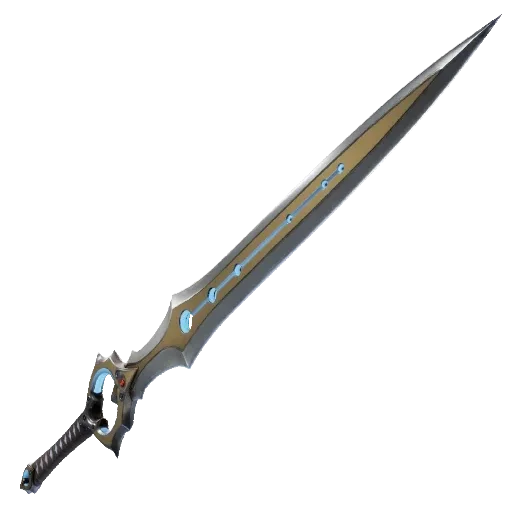
You can't understand mythics without the story of the first one. The Infinity Blade — yes, from Epic's own mobile game series — dropped into Battle Royale in update v7.01 on December 11th, 2018, planted in a pedestal at Polar Peak. Whoever pulled it got an absurd package: a 200 health and 200 shield pool, passive regeneration, 50 effective health per elimination, 30% faster movement, and swings that demolished structures. The cost: you dropped everything else you were carrying — no guns, no mats, just the sword.
It lasted three days. During the Winter Royale — a million-dollar tournament — pro player Psalm grabbed the Blade and ran his kill count from 4 to 12 in about two minutes, the clip went everywhere, and the community reaction was nuclear. Epic vaulted the sword on December 14th, 2018, making it one of the shortest-lived items in the game's history.
Call the lesson the Infinity Blade rule: mythics are allowed to be unfair in pubs, but Epic will pull or tune anything that breaks competitive. That precedent still shapes the game — it's why lobby-warping items get disabled in tournaments and why the competitive loot pool regularly diverges from casual. If you're grinding Ranked or Cash Cups, always check whether this season's mythics are even in your mode's loot pool before you build a gameplan around one.
Should you contest the boss?
Here's the honest math on landing at the boss POI: you're signing up for the hardest opening in the game. You need to win the loot race off spawn, fight the boss's AI guards, burn through a boss with a huge effective health pool, and then immediately survive every player who heard the fight and knows exactly what the winner is carrying. Boss POIs are premier third-party bait — the smartest players at that POI often aren't fighting the boss at all. They're waiting for you to finish.
So gate the decision on three things:
- Your mode. In pubs, contest freely — the downside is a requeue. In Ranked, an early death at a contested boss costs real progress, and the discipline play is usually an uncontested landing that sets up your mid-game. Our landing spots guide covers that trade in depth.
- Your win condition off spawn. If you can't reliably win a fast early fight against one human, you're not winning a boss POI against three. Sharpen close-quarters fundamentals first — box fighting is the skill that decides these scrums.
- The exit plan. The players who profit most from boss fights decide before landing how they leave: which direction, with what mobility, at what health threshold they disengage. Winning the mythic and dying to the third party ten seconds later is the most common boss-POI story in Fortnite.
And once you hold the thing: in medallion seasons, remember you're marked. Standing still is how marked players die. Keep moving, and treat the map marker as a leash on how long you can loot in one spot.
Playing against a mythic
The counter-side is underrated, because a mythic holder is not just a threat — they're a piñata. Everything they took drops when they die.
Use the information the game hands you. Boss eliminations and medallion markers tell you roughly where the mythic is and where it's going. A marked holder can't rotate quietly; you can shadow them, let another team engage first, and clean up. If you have to fight a mythic directly, deny it its lane: most boss mythics are spray weapons or long-range power tools, so force the fight into boxes and edits where raw stats matter less than mechanics, or simply don't peek the angle a mythic controls. And weigh the timing — a full-health holder fresh off looting a vault is a terrible fight, but the same player two fights later, chipped and marked, is free loot with a map marker on it.
The worst response is panic-peeking a better gun in the open. The gold rarity doesn't aim for them. Positioning and patience beat stats far more often than the kill feed suggests.
Common mythic mistakes
- Contesting the boss with no plan for players. The boss is the easy part. Budget your health, ammo, and attention for the humans who arrive right after.
- Hoarding medallions without respecting the marker. Three medallions of passive buffs mean nothing if the whole lobby watches your dot loot a POI for four minutes.
- Assuming the mythic beats fundamentals. A gold gun in the hands of a player with bad crosshair placement is a donation. Aim, edits, and positioning still decide the fight.
- Treating Exotics and mythics as the same plan. One is a guaranteed purchase, the other is a lobby-wide brawl. Confusing them wrecks your early-game routing.
- Carrying a mythic you don't actually use. If the sniper mythic doesn't fit how you fight, it's an inventory slot of pure ego. Sell the flex, keep the slot.
- Forgetting the mode. Mythic and medallion availability differs between casual and competitive playlists and changes with patches. Check before you build a strategy on it.
Quick Action Checklist
Turn the gold-gun economy into decisions you make on purpose:
- Learn where this season's bosses and vaults are before you queue, not while looting
- Contest boss POIs freely in pubs; in Ranked, default to uncontested landings unless you're confident off spawn
- Fight the boss fast — the longer it takes, the more third parties arrive for the finish
- Decide your exit route from the boss POI before you land
- In medallion seasons, treat the map marker as a timer: keep moving while marked
- Use markers and the kill feed to track enemy mythic holders and third-party them after their next fight
- Force mythic holders into boxes and close fights where stats matter less than mechanics
- Prefer Exotics from NPCs when you want a guaranteed power weapon without a brawl
- Drop any mythic that doesn't fit your playstyle — a flex item isn't worth an inventory slot
Frequently Asked Questions
What are mythic weapons in Fortnite?
How do you get mythic weapons in Fortnite?
What is the difference between mythic and Exotic weapons in Fortnite?
What was the first mythic weapon in Fortnite?
Are mythic weapons in Fortnite Ranked and tournaments?
Keep Reading
Related Guides
Fortnite Sniper Guide: How to Actually Hit Your Shots
You did not miss because your aim is bad. You missed because the bullet was still in the air when they strafed. Fortnite snipers fire physical projectiles that arc and take time to land — here is how to lead them, range them, and stop announcing every shot with Sniper Glare.
Fortnite Inventory Management: Slot Order and Drop Rules
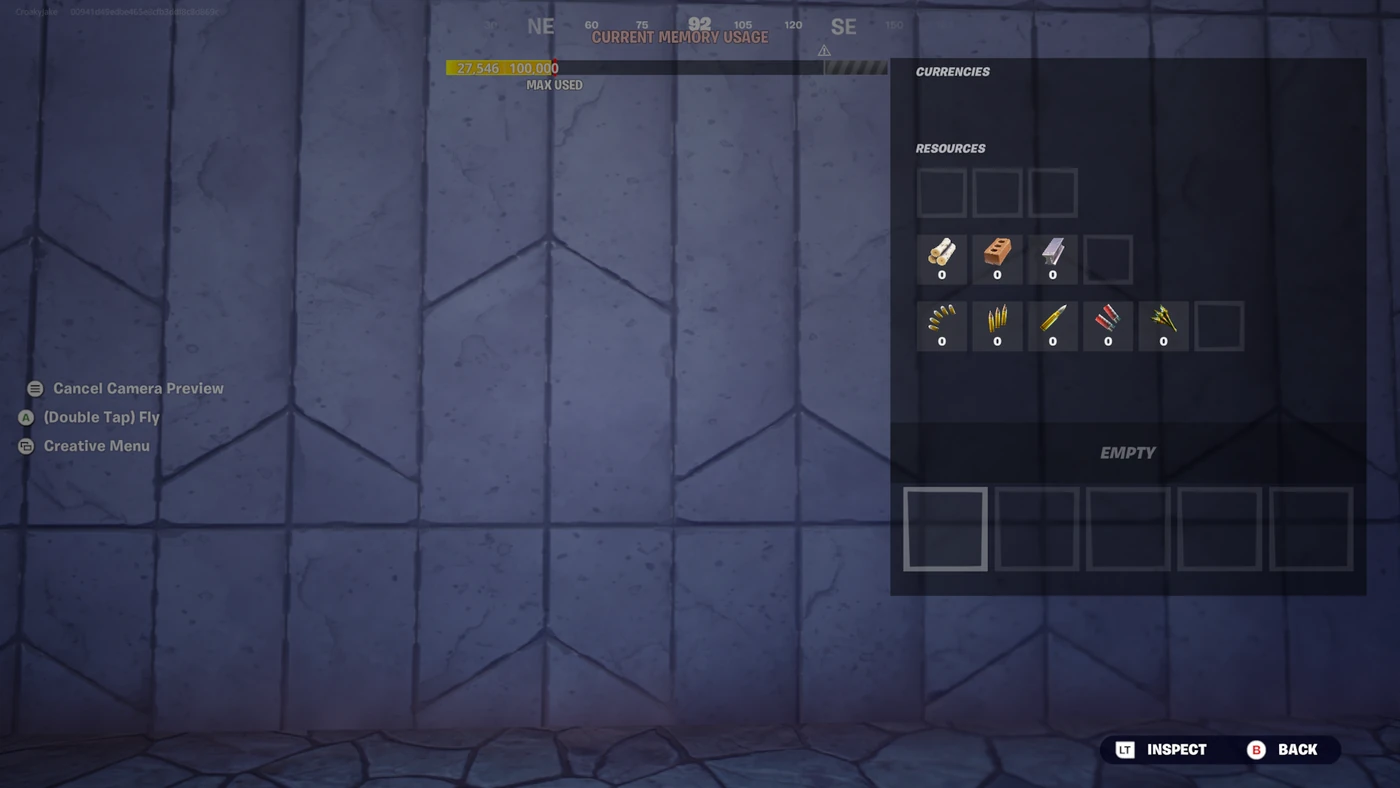
Five slots. That's the entire budget, and most players spend two of them on garbage they picked up in the first ninety seconds and never reconsidered. Inventory management is the cheapest skill in Fortnite to fix and the one that quietly decides whether you're ready when the fight starts.
Fortnite Shield & Heal Management: When to Pop What
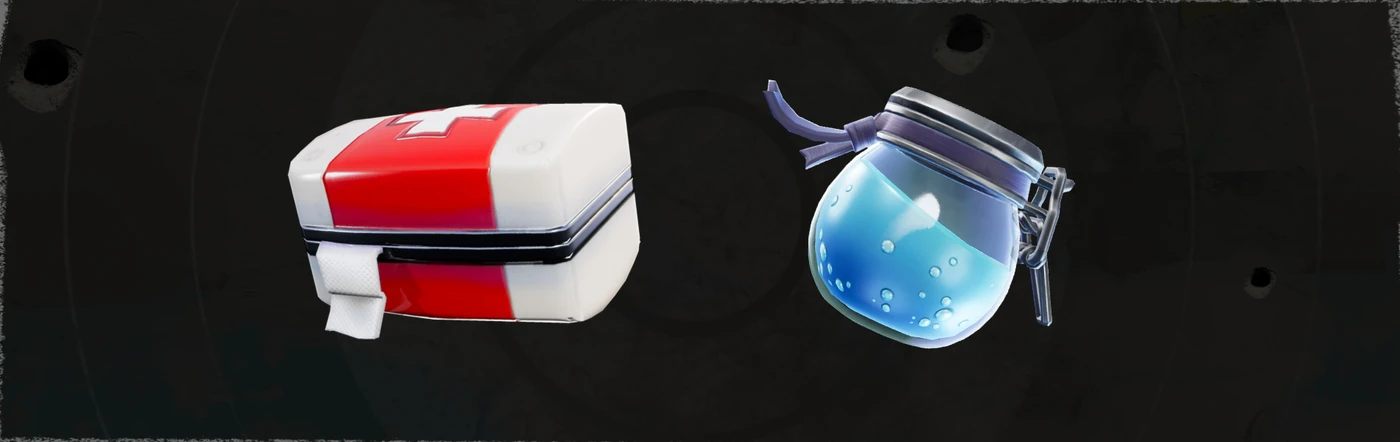
Most fights in Fortnite aren't lost to bad aim — they're lost at 40 HP with a full Med Kit sitting in your inventory. Healing is a resource you manage, not a button you mash when the damage numbers turn red. Here's the durable framework for shields, heals, and the timing that actually keeps you alive.
Fortnite Shotgun Guide: Win Every Close-Range Fight
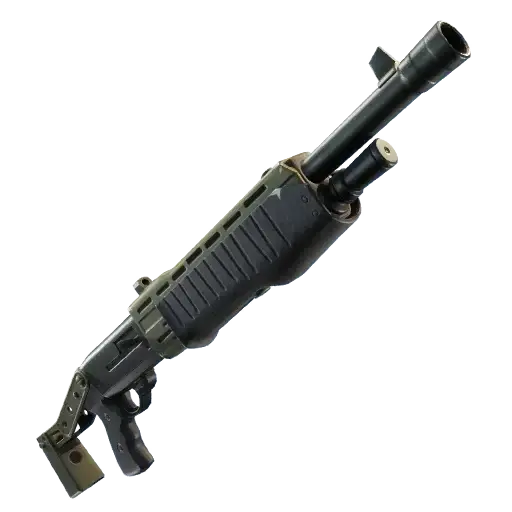
Most Fortnite fights are decided inside ten meters, and the player holding the shotgun almost always wins. Here's how each shotgun archetype actually works and the close-range habits that turn coin-flip brawls into free kills.
Fortnite Weapon Tier List: How to Rank Any Loot Pool
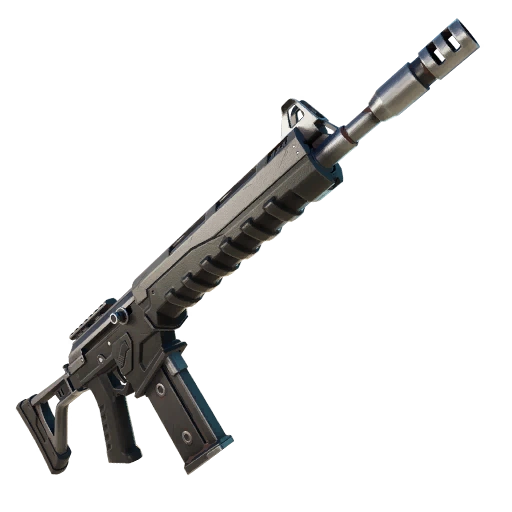
Any Fortnite tier list is stale the second a patch drops. So instead of memorizing this season's gun names, learn how to rank weapons by class and role — the framework that's S-tier in every season.
Best Fortnite Settings for PC & Console
Half your settings menu is noise; a handful of options decide whether you can see, aim, and build. Here's what to change on PC and console, why, and the one number nobody else can pick for you.