Minecraft Allay Guide: Item Sorting and Duplication
The allay is the best item-sorting tool in Minecraft and one of the only mobs you can clone. Free a couple from a pillager cage, hand them an item, and they fetch every matching drop on the floor. Then duplicate them with amethyst until you have a whole fleet. Here is the full system.
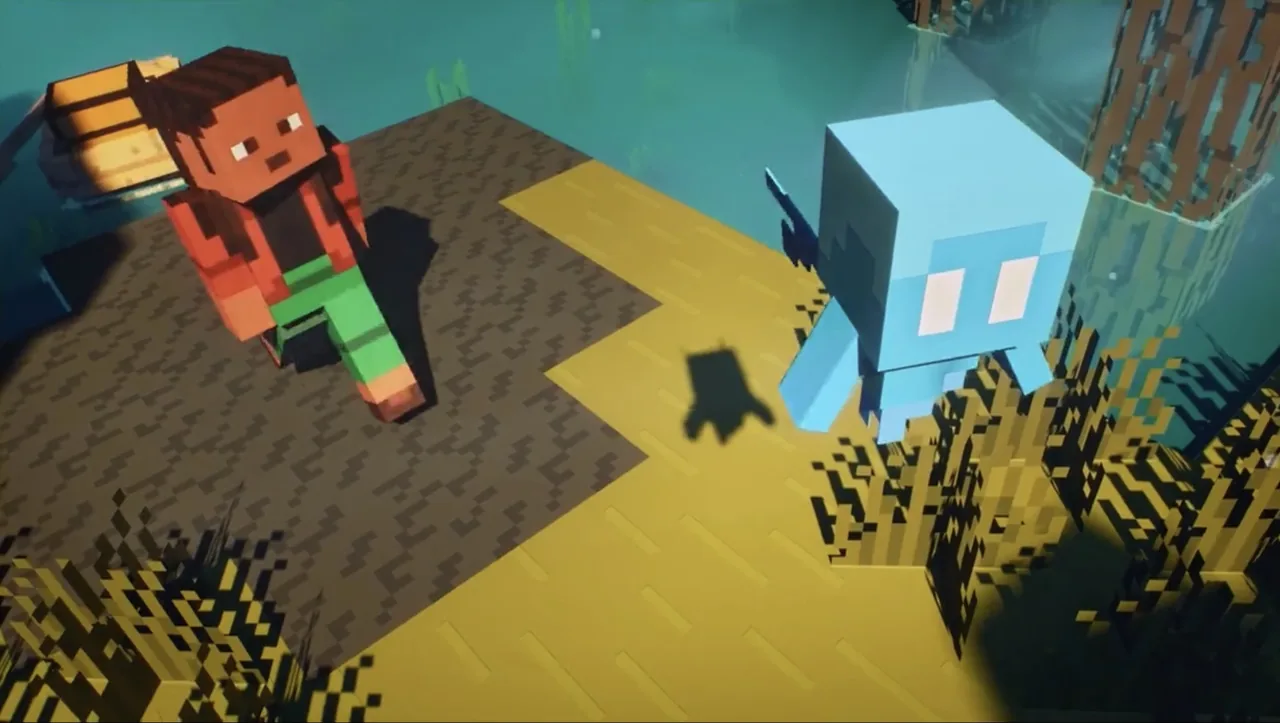
The allay is the rare Minecraft mob that is genuinely useful and adorable, and stopping at one or two of them is a mistake. The allay is the best soft item-sorter in the game — hand it an item and it scoops every matching drop off the floor and brings them back — and unlike a wolf or a horse, you can duplicate it on demand until you have a swarm. One trip to a pillager outpost plus a jukebox and a stack of amethyst gets you an entire workforce.
This guide covers the full loop: where allays live and how to free them, exactly how the item-collection behavior works, how note blocks redirect where they drop loot, the duplication trick (and the part people get wrong about it), and a simple sorter build that turns a couple of allays into automation. Where Java and Bedrock diverge, I will flag it.
Why the allay is worth the trip
An allay does one job extremely well: you give it a single item, and it flies around picking up every dropped instance of that item nearby, then returns to you (or to a note block — more on that below) and hands them over. It does not pick up items from chests, it does not mine, and it cannot sort into containers by itself. What it does is gather scattered drops, which solves a very specific set of problems beautifully:
- Crop and mob farms that fling drops across a wide floor — an allay sweeps them into one spot.
- Fishing or AFK setups where items would otherwise despawn before you collect them.
- Cleaning up after a big mining or building session — toss an allay a cobblestone and it tidies the whole area.
The reason it is worth a special trip: there is no crafting recipe for an allay. You have to free one from a structure, and then if you want more, you duplicate the ones you freed. Get this right once and you never have to go back.
Where to find and free allays
Allays spawn captive in exactly two structures, trapped and waiting to be released:
- Pillager outposts — held in dark oak cages scattered around the outpost. Each cage has a 50% chance of containing 1-3 allays.
- Woodland mansions — held in small jail cells / dark prison rooms inside the mansion, again with a 50% chance of 1-3 allays per room.
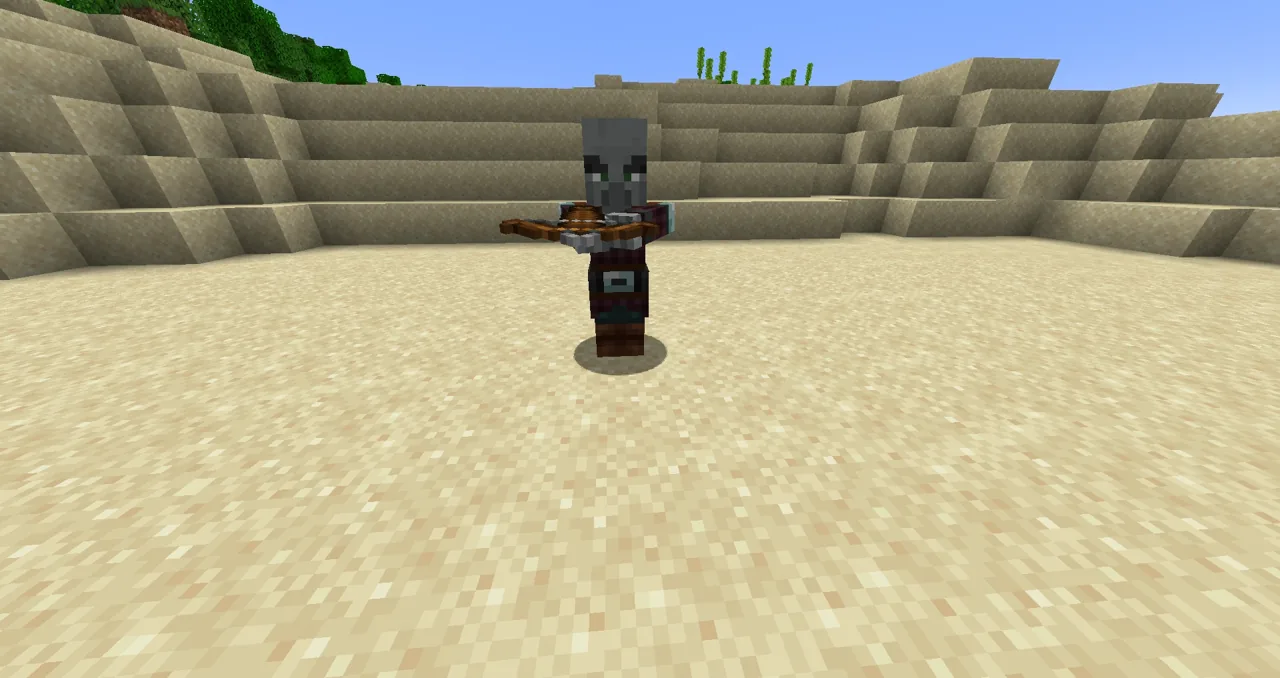
Freeing them is the easy part: just break the cage open. Mine away the dark oak bars or planks holding them in and the allays float free. They are passive — they will not attack you and pillagers do not "own" them — so the only real danger is the pillagers and the captain guarding the outpost.
Pillager outposts are far easier to raid than woodland mansions (which are huge, maze-like, and full of evokers and vindicators), so for your first allays, clear an outpost. Bring a bucket of water or a way to deal with the crossbow pillagers, smash the cages, and leash or lure your freed allays home.
How item collection works
Once you have an allay near you, putting it to work takes one action: hold the item you want collected and press use (right-click) on the allay. It takes that single item into its hands and immediately starts hunting for more of the same.
The mechanics that actually matter:
- It collects matching dropped items only. Hand it a diamond and it grabs loose diamonds off the ground; it ignores everything else. Items must be the same type (and, where it matters, the same data) as the one it is holding.
- The search radius is generous. The allay seeks matching items within roughly a 32-block radius of you, and stays within about a 64-block radius of the player while it does. In practice it covers a large farm floor.
- It has one storage slot holding up to a stack (64). Beyond the item you handed it, an allay can carry a full stack of what it collects. When it is loaded up — or after a short delay — it flies back and drops the items at your feet.
- To make it drop what it is holding, press use on it with an empty hand and it hands the item back.
It will not pull items out of chests, hoppers, or item frames, and it cannot collect items it physically cannot reach (it does not path through solid walls, and it cannot grab items underwater even though it tries). It is a floor-sweeper, not a logistics network — but for a floor-sweeper, it is excellent.
Note blocks and where items get dropped
Here is the feature that turns one allay from a cute helper into a sorting machine, and the one people most often confuse with duplication: the note block redirect.
Normally an allay brings collected items back to you. But if it hears a note block play within 16 blocks while it is on a return trip, it instead delivers its items to that note block and then hangs around it for about 30 seconds, dropping there, before going back to following you.
What this unlocks:
- A fixed drop point. Put a note block over a hopper-and-chest collection system, play it once, and from then on the allay deposits everything at that note block instead of chasing you around. Now it is feeding a chest, hands-free.
- Multiple allays, multiple destinations. Give each allay a different item and a different note block, and each one sorts its assigned item into its own chest. That is a passive item sorter built entirely out of mobs.
The thing to be crystal clear on: the note block does not duplicate anything and is not part of cloning. It only changes where the allay drops what it already collected. "Do I use a note block to clone allays?" No. Note block = drop location. Jukebox = duplication. Keep them separate in your head.
Duplicating allays with amethyst
This is the headline trick, and it is the reason you only ever need to find a couple of allays. You can clone them with amethyst:
- Place a jukebox and put any music disc in it so it starts playing.
- Get an allay near the playing jukebox. Within range of the music, the allay starts dancing (spinning happily in the air — it is unmistakable).
- While it is dancing, press use on it with an amethyst shard. The allay splits into two allays.

The rules to know:
- It must be dancing because of a jukebox playing a music disc — not a note block, not just any sound. No dancing, no duplication.
- One amethyst shard per duplicate. Each successful clone consumes a single shard.
- There is a 5-minute cooldown on both the original and the new allay after a split. During that window neither can be duplicated again, even if they are still dancing. You will see particles and the allay stops accepting shards until the timer is up.
- It scales. Each new allay is a fresh duplicator after its own cooldown, so the population doubles roughly every five minutes. Two allays become four, then eight — going from a single freed allay to a fleet of a dozen is an afternoon with a stack of amethyst.
Amethyst comes from amethyst geodes (those purple crystal pockets in caves); break the clusters with anything but Silk Touch and they drop shards. Stock up before you start cloning.
Building an allay item sorter
You do not need redstone wizardry to make allays earn their keep. A minimal "mob-powered sorter" looks like this:
- A collection point: a hopper feeding a chest, with a note block placed on top (or directly beside) the hopper.
- A confined space so your allays do not wander off — a glass or fence enclosure around the farm output and the drop point keeps the 32-block search working on just the items you care about.
- One allay per item type. Hand allay A a piece of cobblestone, allay B a piece of dirt, allay C an iron ingot, and so on.
- Play the note block once for each allay so they each lock onto that drop point. Now every allay collects its assigned item and deposits it at the note block, which funnels into the chest.
Point the output of a mob or crop farm at the floor near that enclosure and the allays sweep the drops into the chest automatically — no item-filter hopper lines required. It is the easiest "automatic" sorter in the game to build, and it scales with how many allays you have duplicated.
Allay care and limits
A few things that keep your allay fleet alive and working:
- They do not despawn. Allays are persistent — once freed, they will not vanish like a wandering hostile mob, so you can leave them at a farm and come back later.
- They are fragile and passive. An allay has only a few hearts and will not defend itself. Keep them away from hostile mobs, lava, and fall hazards.
- Water stops them. They cannot enter water and will not collect submerged items, so keep your collection floor dry.
- They glow faintly and emit a soft sound, which makes a lost allay findable in the dark — useful when one drifts off chasing a drop.
- Leashes work. You can leash an allay to move it, which is how you walk your first ones home from the outpost.
Java vs Bedrock notes
The allay behaves the same on both editions for the things that matter, with minor wrinkles:
- Spawn locations, freeing, item collection, the note-block redirect, and amethyst duplication are identical across Java and Bedrock, including the 5-minute duplication cooldown.
- Search and follow radii are functionally the same (~32-block item search, ~64-block follow), though exact pathing can feel slightly different between editions.
- The dancing trigger is a jukebox playing a music disc on both editions — this is the part to get right regardless of platform.
- Performance with large fleets can vary; a swarm of dozens of allays is more taxing on some Bedrock devices, so clone what you need rather than the maximum you can.
Quick Action Checklist
- Raid a pillager outpost (easier than a mansion) and break the dark oak cages to free allays
- Give an allay a single item with use/right-click — it collects matching drops within ~32 blocks
- Place a note block over a hopper-and-chest and play it so the allay drops there, not on you
- Remember: note block = drop location, jukebox = duplication (they are not the same)
- Put a music disc in a jukebox, let the allay dance, then feed it an amethyst shard to clone it
- Respect the 5-minute duplication cooldown on both allays after each split
- Stock amethyst shards from geodes before you start cloning a fleet
- Keep allays dry, lit, and away from hostile mobs — they are fragile but never despawn
Frequently Asked Questions
Where do you find allays in Minecraft?
How do you duplicate an allay?
Do you need a note block or a jukebox to duplicate an allay?
How does an allay collect items?
What does a note block do with an allay?
Do allays despawn or need feeding?
Keep Reading
Related Guides

Minecraft Happy Ghast Guide: Dried Ghasts, Harnesses, Flight
The happy ghast is the first flying mount in Minecraft that carries passengers, hauls a horse on a lead, and doubles as a solid block you can build off. Here is the whole pipeline, with the Java and Bedrock numbers that actually differ.
Minecraft Mob Spawning: Light Levels, Caps, Spawn-Proofing
The "keep it above light level 7" rule everyone still repeats died in 1.18. Here is the ruleset the game actually runs: what it checks before a mob appears, how far one torch really reaches, why your farm is capped, and the Java-versus-Bedrock differences that quietly break cross-play builds.

Minecraft Slime Farm Guide: Slime Chunks, Swamps, Slimeballs
Slimeballs are the one item you can't mine, trade, or craft your way around — sticky pistons, leads, and slime blocks all dead-end at them. Here's how to build a slime farm that buries you in the stuff, whether you go slime-chunk or swamp.

Minecraft Name Tags Guide: How to Get, Use & Secret Names
A name tag is the cheapest insurance policy in Minecraft: name almost any mob and it will never despawn, no matter how far you roam. The exceptions are wandering traders, which still leave, and most hostile mobs on Peaceful. Since Java 26.1 and Bedrock 26.10 you can craft one from a scrap of paper and a metal nugget, so there's no excuse for losing a zombie villager before you can cure it anymore. This guide covers every way to get one, the anvil step you can't skip, and the hidden names that flip mobs upside down.
Minecraft Survival Guide for Beginners: Your First Days
You have about ten minutes of daylight before the sun sets and the world tries to kill you. Here is exactly what to do with them — punch a tree, build a tool chain, and get a roof over your head before the zombies arrive.
Best Minecraft Enchantments, Ranked — The Ones Worth Your XP
Mending is the enchantment that ends the grind — gear that repairs itself forever. Everything else is a fight over your XP and anvil uses. Here is what actually earns a slot, ranked, with the real max levels.