Minecraft Nether Fortress & Bastion Guide: Loot Safely
Two structures hold the keys to the late game: the fortress (blaze rods, wither skulls) and the bastion (netherite templates, gold to barter). Both will also delete you in seconds if you walk in blind. Here's how to clear them on purpose.
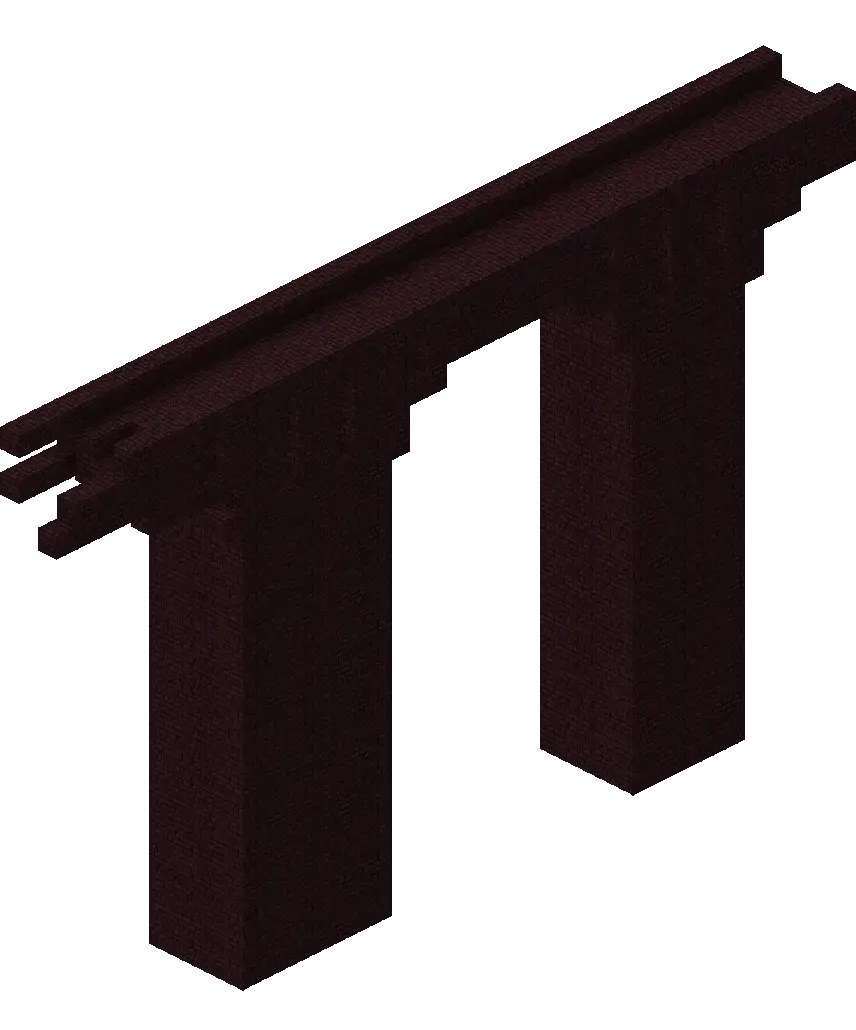
Two structures in the Nether gate basically everything that comes after. The fortress is the only place blazes and wither skeletons spawn, which means it's your only source of blaze rods (brewing, Eyes of Ender) and wither skeleton skulls (summoning the Wither). The bastion remnant is where netherite upgrade templates, stacks of gold, and the best Nether loot live — behind some of the meanest mobs in the game. Clear both and you've unlocked potions, the End, and beacons.
Walk into either one unprepared and you'll be sprinting back to your bed wondering where your diamond armor went. This guide is the difference between those two outcomes. Every number here is checked against the Minecraft Wiki — fortress and bastion mechanics are exactly the kind of thing people misremember, so I pinned them down.
Why these two structures matter
Short version of what's at stake:
- Nether fortress — blaze rods (the only source), wither skeleton skulls, nether wart for brewing, plus chest loot. Without the fortress there's no potion brewing, no Eyes of Ender, and no fighting the Wither.
- Bastion remnant — netherite upgrade templates (you need one to make netherite gear), gold blocks, gilded blackstone, enchanted books, the Pigstep music disc, and the gold you'll feed piglins to barter for ender pearls and other goodies.
You generally want to hit the fortress first for blaze rods and brewing, then tackle a bastion once you've got a few potions and decent armor.
How fortresses and bastions generate
This is the part that saves you hours of aimless flying. The game splits the Nether into large regions, and each region rolls either a fortress or a bastion — they compete for the same space. In Java Edition, the fortress has roughly a 40% chance and the bastion the other 60%; on Bedrock it's about 33% fortress. Both generate in any Nether biome.
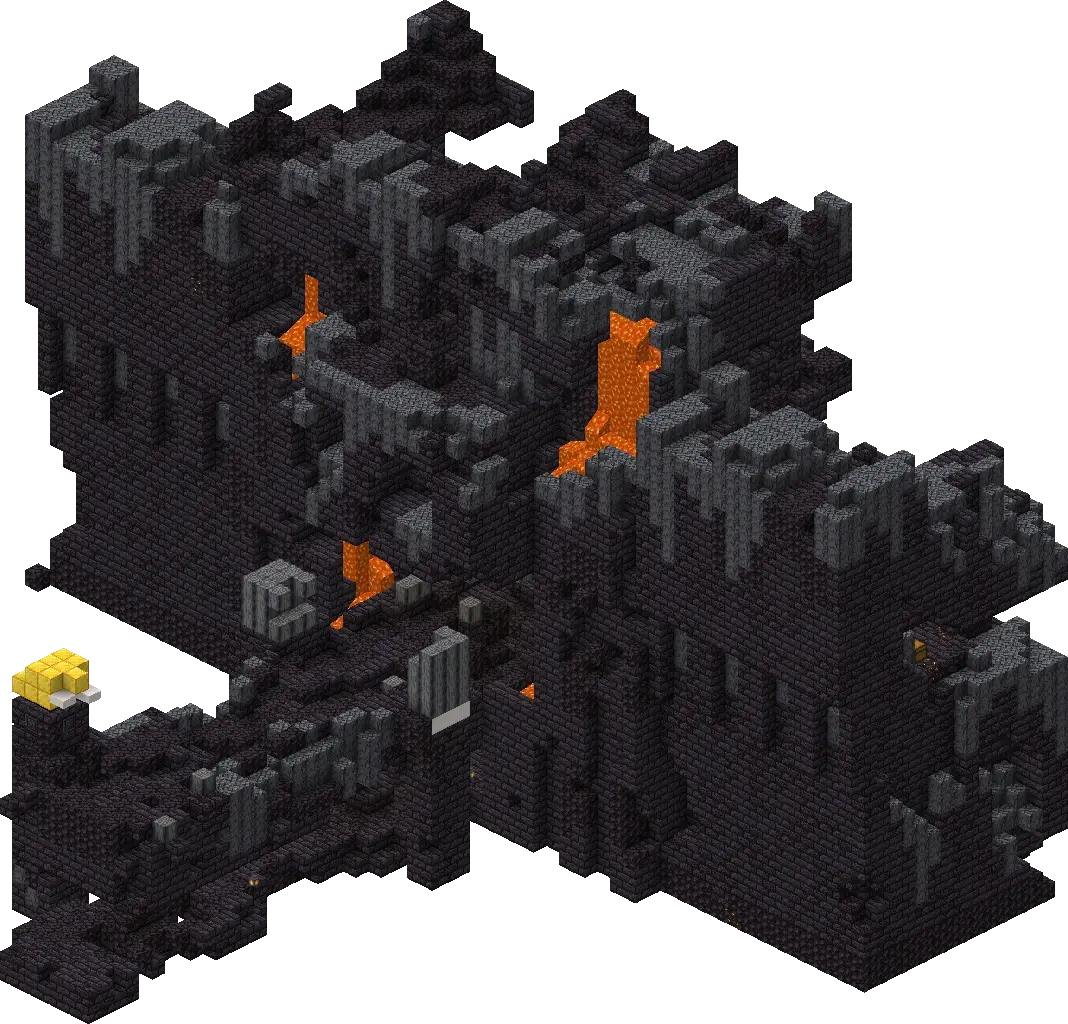
Practically, that means if you find a bastion, a fortress is likely in a neighboring region, and vice versa. Fly in a straight line at a decent altitude and you'll cross region boundaries quickly. Fortresses are tall nether-brick bridges that often span lava seas; bastions are hulking blackstone-and-basalt fortifications. You can usually tell which is which from a long way off.
Finding a Nether fortress
A fortress is built from nether brick and sprawls in long corridors and bridges, frequently over a lava ocean. Tips that actually speed up the hunt:
- Fly or bridge in straight lines. Pick a cardinal direction and commit. Fortresses are long and thin, so a straight sweep crosses them eventually.
- Look for nether brick against the terrain. The dark purple-brown brick stands out hard against netherrack, soul sand valleys, and crimson forests.
- Sound is a tell. Blaze fireballs and the rattle of skeletons often reach you before you see the structure.
- Bring a fire-resistance potion if you're crossing lava on a thin bridge — one knockback fireball into the lava is how most fortress runs end.
Once inside, your priorities are the blaze spawner platforms (exterior) and the dark interior corridors where wither skeletons lurk.
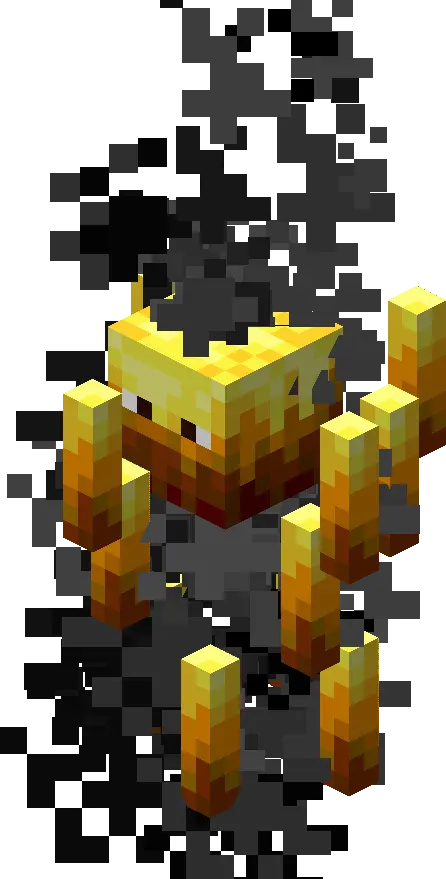
Looting the fortress: blazes, wither skeletons, wart
Blazes spawn from up to two blaze spawner platforms on the fortress exterior — three-step nether-brick "stairs" leading to a fenced platform with a spawner in the middle. They spawn at light level 11 or below, float, and shoot fireballs in volleys of three from up to 48 blocks away. Each kill drops 0–1 blaze rod (up to 0–4 with Looting III). A blaze rod crafts into 2 blaze powder, which you need for brewing stands, potions, and Eyes of Ender. Snowballs deal 3 damage per hit to blazes, which is a cheap ranged option. Wall off the spawner to a 1-block gap and farm it safely — that's the standard blaze-rod grind.
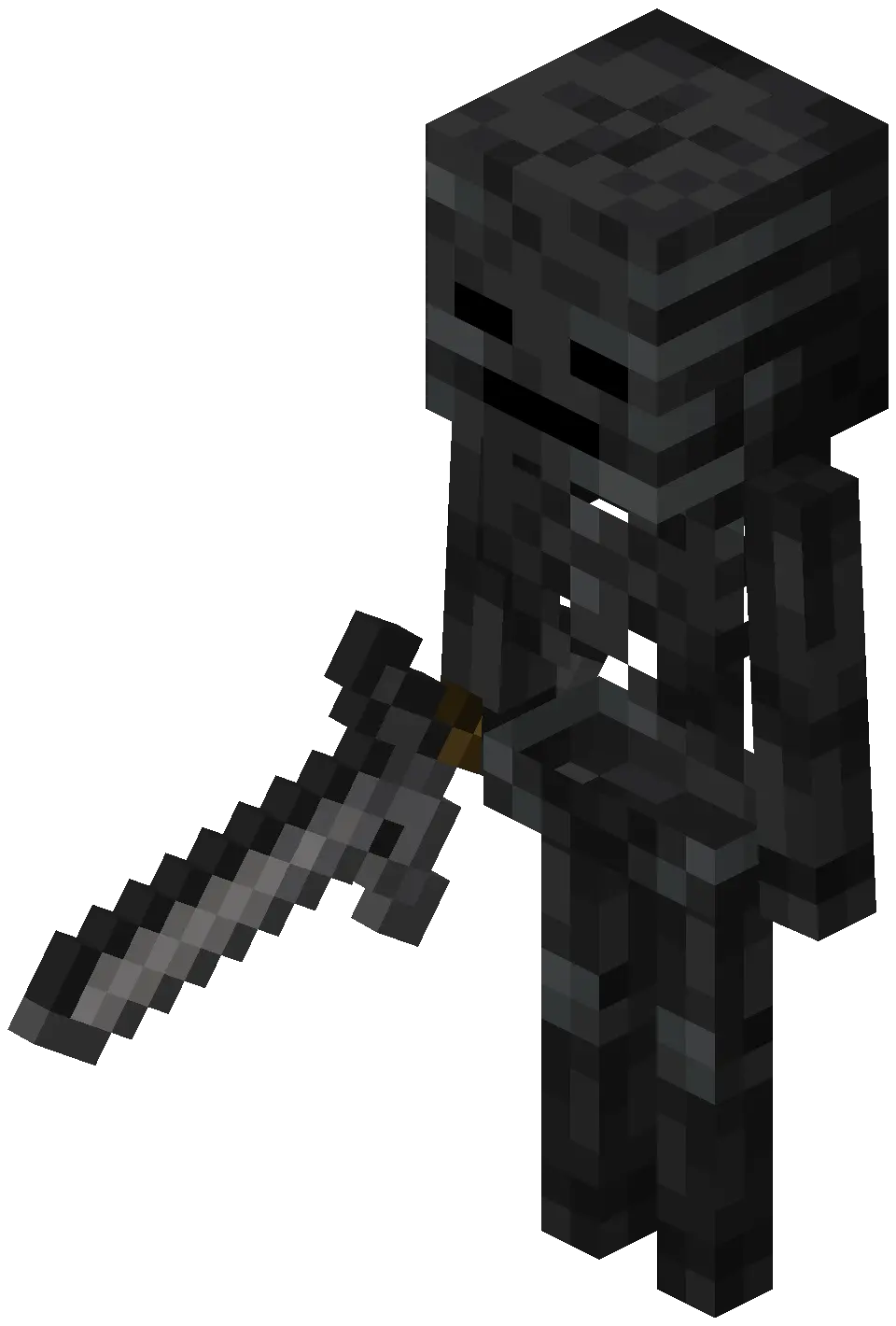
Wither skeletons spawn in the dark interior at light level 0–7, in groups of up to 5 on Java (2–3 on Bedrock). They're 2.4 blocks tall, so they can't fit through a 2-block-high gap — that height is your best defense, because a corridor ceiling lowered to 2 blocks lets you hit them while they can't path to you. Their sword hit inflicts the Wither effect for 10 seconds (damage over time, turns your health bar black). Skulls drop at a brutal 2.5% base chance, rising 1% per Looting level to 5.5% with Looting III — bring a Looting III sword and expect to grind. You need 3 skulls + 4 soul sand to summon the Wither for your beacon.
Nether wart grows on soul sand at the base of the fortress stairwells — grab the wart and the soul sand. Wart is the base ingredient for nearly every useful potion, so this is non-negotiable loot. Fortress chests (tucked in corridor turns) add gold, diamonds, obsidian, and the occasional saddle or horse armor.
The four bastion remnant types
Bastions come in exactly four variants, and which one you find decides your strategy:
| Bastion type | Layout | Where the chests are | Watch for |
|---|---|---|---|
| Bridge | Large ruined rampart with a piglin face carved into it | Rampart sections and the entrance piece | Open lava-edge ledges — fall risk is real |
| Hoglin Stables | Three-part rampart with damaged stables on either side | In the stable structures | Hoglins (which piglins hunt) wandering around |
| Housing Units | Modular housing with more cover | Distributed throughout the housing | More corners for piglins to ambush from |
| Treasure Room | The jackpot and the deathtrap | Gilded blackstone, the Pigstep disc, and netherite-relevant gear, stacked behind gold blocks you have to mine | Piglin brutes plus a magma cube monster spawner — and every piglin aggros when you touch the gold |
All four can drop netherite upgrade templates and gold, so none are a waste, but the Treasure Room is where the run is won or lost.
Piglins, gold armor, and bartering
Piglins are neutral if you respect their two rules:
- Wear at least one piece of gold armor and adult piglins stay neutral. With no gold on, they go hostile within about 15 blocks on sight.
- Don't touch their stuff. Piglins turn hostile the instant you open or break a chest, mine gold blocks / gold ore / gilded blackstone / nether gold ore, or attack one of them. This is the catch nobody warns you about: gold armor keeps them calm right up until you crack the loot chest, and then the whole room aggros.
Bartering is the friendly use: drop or right-click a gold ingot to an adult piglin and after a few seconds (6 on Java, 8 on Bedrock) it tosses you a random item. The barter table includes ender pearls, obsidian, crying obsidian, string, fire charges, Soul Speed enchanted books, splash potions of Fire Resistance, spectral arrows, gravel, leather, nether quartz, glowstone dust, and magma cream. Ender pearls and crying obsidian (for respawn anchors) are the big draws — bartering is often the fastest pearl source for the End. Note: baby piglins don't barter, and any piglin dragged to the Overworld or End zombifies in 15 seconds.
Piglin brutes and treasure rooms
The piglin brute is a different animal. It spawns only in bastion remnants at generation (non-renewable), wields a golden axe, and has 50 HP (25 hearts). Critically, gold armor does nothing — brutes attack on sight no matter what you wear, can't be distracted, and don't barter. They exist for one reason: to guard the treasure. Like regular piglins, a brute hauled to the Overworld or End zombifies after 15 seconds.
You'll meet brutes guarding the Treasure Room's gold-block hoard. Plan to fight them — there's no talking your way past. A diamond/netherite sword with a few hits, or a shield to block the axe swing while you whittle them down, is the play. Don't try to tank a brute and a freshly-aggroed room of regular piglins at the same time; pull the brutes first.

How to loot a bastion without dying
A repeatable approach that keeps you alive:
- Suit up in gold accents. Wear a gold helmet or boots over your real armor so piglins stay neutral while you scout. (Gold armor is weak, so don't wear a full gold set into a fight.)
- Build to the chests. Bridge across gaps with cobble or blackstone — bastions are riddled with lava drops and open ledges, and fall/lava deaths outnumber mob deaths here.
- Pull brutes first in a Treasure Room. Bait them into a corridor where you can fight one or two at a time.
- Crack chests last, and be ready to bolt. The moment you open a chest or mine gold, every piglin in line of sight aggros. Have an escape block, a fire-res potion, and ideally a stack of gold ingots to throw — tossing gold can briefly distract regular piglins (not brutes).
- Take the soul sand and magma cream you find — both feed brewing and the Wither fight.
For getting to the Nether and the wider overview, the general Nether guide covers portals and biomes; for what comes after a bastion, see how to find netherite since the upgrade template you grabbed is half the recipe.
Gear and prep checklist
Before either run, pack:
- Fire Resistance potions — the single most valuable item in the Nether. Blaze fireballs, lava, and ghasts all stop mattering.
- Gold armor piece for the bastion (helmet or boots over your kit).
- A Looting III sword if you're after wither skeleton skulls or blaze rods at volume.
- Blocks to bridge (a stack-plus of cobble or blackstone) and a water-free mindset (water evaporates in the Nether — no clutch placement).
- A bow with Power, and snowballs for blazes if you've got them.
- A bed only as a last resort — beds explode in the Nether. Set your spawn with a respawn anchor instead.
Solid armor with the right enchantments — Protection, Fire Protection, Blast Protection — turns both structures from lethal to manageable.
Quick Action Checklist
- Know the rule: each Nether region rolls either a fortress (~40% Java) or a bastion — find one, the other is nearby
- Hunt fortresses by flying/bridging in a straight line and watching for nether brick over lava
- Wall blaze spawners to a 1-block gap; blazes drop 0–1 rod (0–4 with Looting III), each rod = 2 blaze powder
- Lower a corridor ceiling to 2 blocks to fight 2.4-block-tall wither skeletons safely
- Grind skulls with Looting III — 2.5% base, only 5.5% at Looting III; you need 3 skulls + 4 soul sand for the Wither
- Grab nether wart AND the soul sand it grows on at the fortress stairwells
- Wear one piece of gold armor in a bastion so piglins stay neutral — until you open a chest or mine gold
- Barter gold ingots with adult piglins for ender pearls, crying obsidian, and fire-res potions (baby piglins don't barter)
- Treat piglin brutes (50 HP, golden axe, ignore gold armor) as mandatory fights — pull them first in Treasure Rooms
- Carry Fire Resistance potions and bridging blocks; never bring a bed (it explodes), use a respawn anchor
Frequently Asked Questions
How do you find a Nether fortress in Minecraft?
What are the four types of bastion remnant?
How do you get blaze rods and wither skeleton skulls?
How does piglin bartering work and when do piglins attack?
Can you barter with or distract piglin brutes?
Keep Reading
Related Guides
Minecraft Fishing Guide: Loot Tables, Enchants & AFK Farms
Fishing looks like the most boring thing in Minecraft until you read the loot table. A maxed-out rod pulls enchanted books, saddles, name tags, and nautilus shells out of a pool you dug yourself. Here is exactly how the catch math works, how to keep treasure switched on, and what an AFK farm can and cannot catch.
How to Make a Saddle in Minecraft: Recipe and Loot Odds
Saddles have been craftable since June 2025: three leather and one iron ingot. Here is the recipe and what it really costs, every chest, trade and mob drop that still gives one with Java and Bedrock odds, the five chests that stopped, all eleven mobs it fits, and how shears take it back.
Minecraft Ice Caves Guide: Frostbite, Icicles and Freezing
Minecraft's fifth cave biome is mostly packed ice, its icicles drop when you light them, and its new zombie variant applies a brand-new Freezing effect with its melee hits. The ice caves drop is playable today in Bedrock Preview 26.60.29 and not yet in Java. Here is what is in it, with the numbers, and what could still change.
Minecraft Wilderness Bound Guide: Dappled Forest and Camps
Minecraft quietly swapped its whole version-numbering scheme and shipped a full content drop the same week — a new autumn biome, camping structures with a chest that hides in a different spot every time, and the game's first real sit-down furniture. Here is every number from Wilderness Bound, checked against the wiki the day after launch.
Minecraft Survival Guide for Beginners: Your First Days
You have about ten minutes of daylight before the sun sets and the world tries to kill you. Here is exactly what to do with them — punch a tree, build a tool chain, and get a roof over your head before the zombies arrive.

Best Minecraft Enchantments, Ranked — The Ones Worth Your XP
Mending is the enchantment that ends the grind — gear that repairs itself forever. Everything else is a fight over your XP and anvil uses. Here is what actually earns a slot, ranked, with the real max levels.