The Witcher 3 Monster Weaknesses: Oil, Sign and Bomb
The bestiary sorts every monster in the game into eleven classes, and each class has an oil, a sign and a bomb that gut it. Learn the eleven and you stop losing fights you should win.

A fiend cannot be moved by Aard. Not staggered, not slowed, not nudged an inch — the bestiary says so outright, and if your entire plan against a two-tonne horned relict is "knock it down and stab it," you are going to spend a very long minute rolling through mud. Meanwhile a Samum bomb, which costs one saltpeter and two celandine, permanently disables the third eye it hypnotises you with.
That gap is the whole point of the bestiary. The Witcher 3 sorts every monster in the base game, Hearts of Stone and Blood and Wine into eleven classes, and each class has an oil, usually a sign, and often a bomb that turns the fight sideways. Nothing in the game teaches you this beyond a journal entry you skim once. Here is the entire table, class by class, with the specific creatures attached to each and the Patch 4.0 changes that made some old advice wrong.
The eleven classes and the one stat that reads them
The eleven classes are beasts, cursed ones, draconids, elementa, hybrids, insectoids, necrophages, ogroids, relicts, specters and vampires. Humans and nonhumans sit outside that list, which is why they get their own coating.
Oil is the mechanic that reads a monster's class most reliably. Signs and bombs care about individual creatures and their behaviours; oils care about the label in the bestiary, every time. A few other systems key off class too — Black Blood is written against vampires and necrophages as groups, and the Alchemy skills Protective Coating and Hunter Instinct trigger off whichever class you have oiled for — but the oil is the one you pick before the fight starts. That makes the oil the one decision you can always get right, even against something you have never seen, as long as you scan it with Witcher Senses first and read the class line.
| Class | Oil | Sword | Signature enemies |
|---|---|---|---|
| Necrophages | Necrophage oil | Silver | Drowners, ghouls, rotfiends, water hags, foglets |
| Specters | Specter oil | Silver | Wraiths, noonwraiths, plague maidens, penitents |
| Relicts | Relict oil | Silver | Leshens, fiends, chorts, sylvans, dopplers |
| Cursed ones | Cursed oil | Silver | Werewolves, botchlings, berserkers, archespores |
| Vampires | Vampire oil | Silver | Katakans, ekimmaras, bruxae, fleders, garkains |
| Draconids | Draconid oil | Silver | Wyverns, forktails, basilisks, cockatrices |
| Hybrids | Hybrid oil | Silver | Griffins, harpies, sirens, ekhidnas, succubi |
| Insectoids | Insectoid oil | Silver | Arachasae, endregas, kikimores, pale widows |
| Ogroids | Ogroid oil | Silver | Nekkers, rock trolls, ice trolls, cyclopes |
| Elementa | Elementa oil | Silver | Golems, gargoyles, elementals, djinn |
| Beasts | Beast oil | Steel or silver | Wolves, bears, wargs, panthers |
| Humans and nonhumans | Hanged Man's Venom | Steel | Bandits, soldiers, mages |
Two oddities in that table are worth memorising. Beast oil is the only coating that applies to both a steel and a silver sword, so it never gets stranded on the wrong blade. Hanged Man's Venom is steel-only — every other oil in the game is silver-exclusive.
Oil damage is multiplicative and is applied after your abilities, mutagens and gear bonuses. That is why a superior oil at +50% attack power is worth more on a fully built Geralt than it looks on paper — it scales the total, not the base.
The tiers are flat and easy: basic oils give +10% attack power for 20 hits, enhanced +25% for 40 hits, superior +50% for 60 hits. Our Witcher 3 alchemy guide covers the Fixative ability that makes those charges infinite.
Necrophages: the class you fight a thousand times
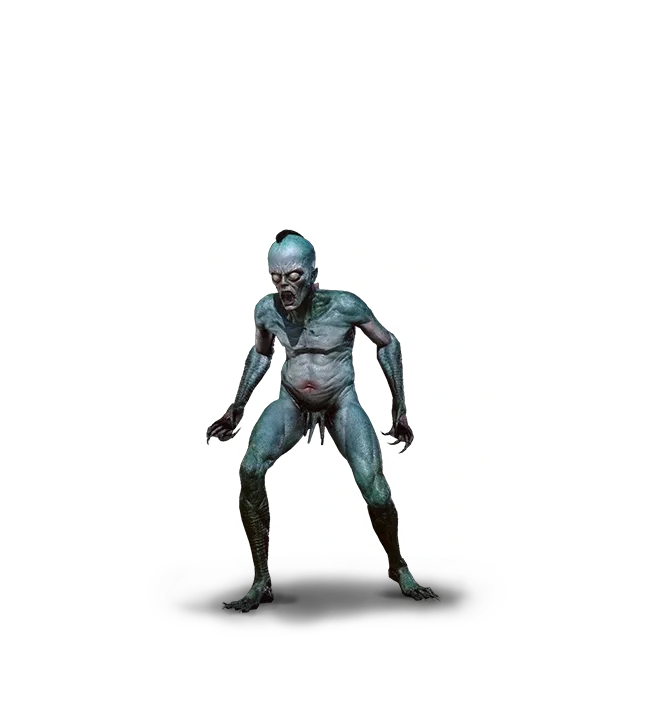
Corpse-eaters are the connective tissue of the map. Drowners, drowned dead, ghouls, alghouls, rotfiends, devourers, foglets, water hags and grave hags all take necrophage oil, and you will fight them from White Orchard to the last hour of Blood and Wine.
Igni is the default answer for the swarming ones. Drowners and water hags are both listed as fire-vulnerable, and since necrophages come in packs, a cone of flame that ignites four of them at once is worth more than any single sword combo. Quen carries the rest of the class: water hags, grave hags and foglets are all explicitly Quen-vulnerable, because each of them opens with a heavy telegraphed hit that a shield eats for free.
Three specific counters worth committing to memory:
- Grave hags answer to Yrden as well as Quen — the slow field neuters their tongue-lash reach.
- Foglets answer to Moon Dust, which strips the invisibility they use to reposition inside their own fog.
- Alghouls answer to Axii. They are the rare necrophage you can simply stun and execute.
Black Blood is the class-wide potion. It returns 15% of the damage that vampires and necrophages deal to you straight back into them, which turns a rotfiend pile into a self-solving problem.
Specters: Yrden or nothing
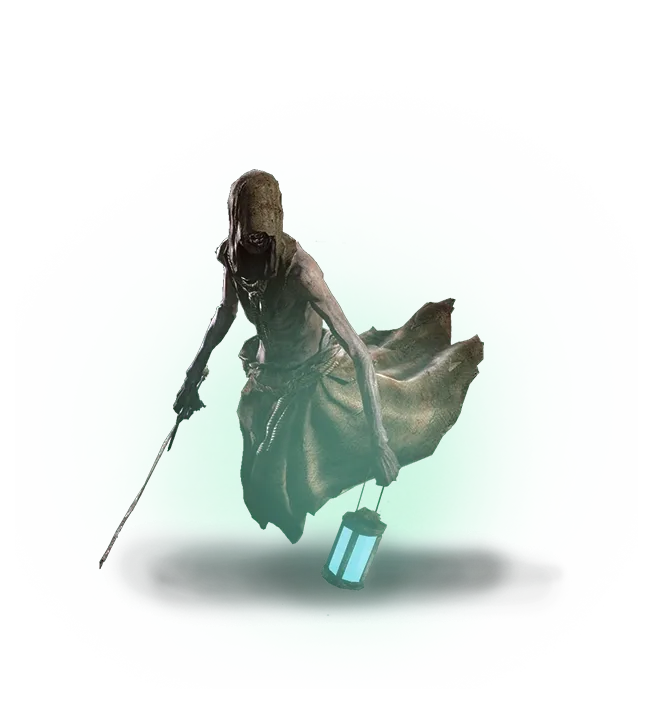
Every serious specter in the game — wraiths, nightwraiths, noonwraiths, plague maidens, penitents — lists Yrden in its susceptibility line, and it is not a suggestion. These enemies phase into an immaterial state where your silver sword does nothing, and the Yrden circle is the mechanic that forces them corporeal.
Specter oil plus Yrden is the whole loop. Drop the circle, stand inside it, and fight normally. Moon Dust is the second lever: wraiths, nightwraiths, noonwraiths and hyms all list it, because it also breaks the invisibility and copy-summoning they lean on. Noonwraiths in particular spawn mirror images of themselves that drain your life while they circle you, and clearing those copies fast is the difference between a 30-second fight and a war of attrition.
One exception is the hym, the specter from the base-game Skellige quest Possession on Spikeroog (it also turns up in Hearts of Stone), which lists Igni rather than Yrden alongside Moon Dust and specter oil. Read the journal entry rather than assuming — this class has the sharpest internal variation of the eleven.
Quen shows up on the wraith and penitent entries too. On Death March that matters less than it sounds, because a basic Quen shield gets punched through in one hit, so treat it as a tempo tool rather than armour. Our Witcher 3 signs guide breaks down where the shield stops holding.
Relicts and cursed ones: where bombs beat swords
Relicts are the boss class. Leshens, fiends, chorts, sylvans, dopplers, the Caretaker in Hearts of Stone, and shaelmaars, spriggans and the Monster of Tufo in Blood and Wine all take relict oil — but the interesting part is what each one is immune to.
Leshens are immune to Axii. No mind-control, no shortcut. They are vulnerable to dimeritium bombs and Igni, and their smoke-form teleport partially reflects your attacks while active, so hitting them mid-transformation is a way to break your own Quen. Moon Dust also prevents the transformation, even though the bestiary does not list it.
Fiends are immune to Aard. Their weakness is noise: Samum and Devil's Puffball are both named in the entry, and a well-timed Samum permanently disables the third eye they hypnotise with. Chorts and sylvans, their close cousins, share the Devil's Puffball vulnerability, and sylvans add Samum and Igni on top.
Cursed ones are a smaller class built on transformation. Werewolves, ulfhedinns, botchlings, berserkers, the Toad Prince from Hearts of Stone and archespores from Blood and Wine all take cursed oil and a silver sword.
| Cursed one | Bomb | Sign | Note |
|---|---|---|---|
| Werewolf | Moon Dust, Devil's Puffball | Igni | Moon Dust blocks the shapeshift and the health regen |
| Botchling | — | Axii | The one cursed one you can stun outright |
| Archespore (Blood and Wine) | — | Aard, Igni | Rooted, so Aard interrupts its burrow-and-spit cycle |
Devil's Puffball has a canonical hit list, and it is worth knowing verbatim: chorts, ekimmaras, fiends, Gael, the Howler, katakans, Morvudd, Sarasti, sylvans and Ulfhedinn. If you are hunting any of those, the 100 poison damage over 10 seconds is free.
Vampires: Blood and Wine built a whole bestiary
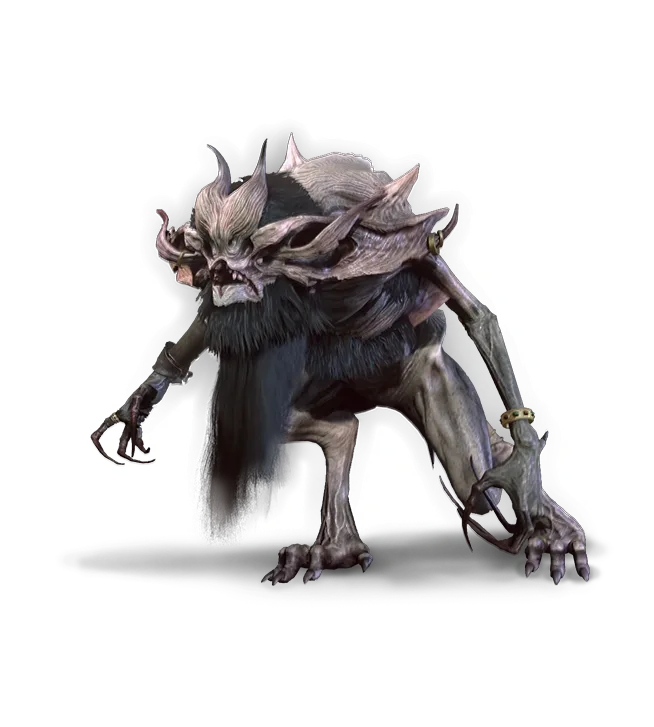
The base game gives you ekimmaras, katakans, Gael and Sarasti. Blood and Wine gives you almost everything else: alps, bruxae, fleders, protofleders, garkains, alpha garkains and Dettlaff himself. If your vampire knowledge stops at "cast Yrden on the katakan," half the class is new to you.
Vampire oil is universal. Beyond that:
| Vampire | Bomb / potion | Sign | Where |
|---|---|---|---|
| Katakan | Moon Dust, Devil's Puffball | Yrden, Igni | Novigrad, Oxenfurt, Skellige, Toussaint |
| Ekimmara | Devil's Puffball | Igni | Base game |
| Bruxa | Moon Dust, Black Blood | Yrden | Blood and Wine |
| Alp | Moon Dust, Black Blood | Yrden | Blood and Wine |
| Garkain | Moon Dust, Samum | — | Blood and Wine |
| Fleder | Black Blood | — | Blood and Wine |
| Higher vampire | — | Igni | Immune to daylight, holy water, symbols and garlic |
The katakan entry contains the single best piece of practical advice in the bestiary: its regeneration is considerably slowed when the sun is at its zenith. Sunlight does not burn it, but hunting one at midday rather than at night is a real, mechanical advantage. That is exactly the trick The Oxenfurt Drunk contract wants you to ignore, which is covered in our Witcher 3 contracts guide.
Yrden earns its second job here too. Katakans, bruxae and alps all turn invisible, and the circle drops them back into view.
Draconids and hybrids: get them out of the sky
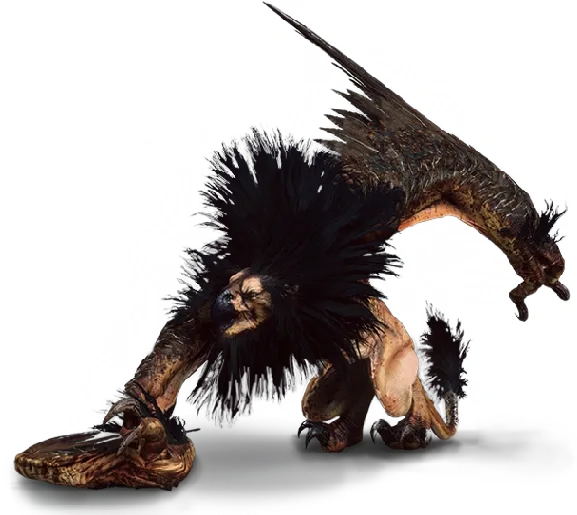
These two classes share a problem and therefore share a solution. Wyverns, forktails, royal wyverns, basilisks and cockatrices are draconids; griffins, harpies, erynias, sirens, ekhidnas and succubi are hybrids. Almost every one of them lists Grapeshot and Aard in its weakness line, for the same reason: they fight from the air and both tools bring them down.
The pattern to internalise is simple. Aard the flier, close the distance while it is grounded, and use the correct oil. Grapeshot deals 250 physical and 250 silver damage plus 5 fire since Patch 4.0, and it also chips a large amount of stamina from shield-bearing enemies, so it stays useful long after the griffin is dead.
Two potion notes matter more than the signs:
- Golden Oriole appears on the wyvern, forktail, royal wyvern and basilisk entries because those draconids poison you. The potion grants full immunity to poison for 60 seconds and neutralises what is already in your blood.
- Slyzards in Blood and Wine are immune to fire, so the Igni reflex that carries you through the base game is a wasted stamina bar against them. Grapeshot, Aard and Quen instead.
Hybrids diverge at the top end. Succubi are immune to Axii, and their fire flashes interrupt any sword combo, which leaves Quen as the only reliable defence besides rolling. Sirens and ekhidnas add Igni to the standard Grapeshot-and-Aard package.
Insectoids, ogroids, elementa and beasts
The remaining four classes are shorter, but each carries one non-obvious counter.
Insectoids — arachasae, endregas, arachnomorphs from Hearts of Stone, and kikimores, pale widows and giant centipedes from Blood and Wine. Insectoid oil, and then Golden Oriole again, because arachasae and endrega warriors poison on contact. Pale widows are the outlier that lists Yrden.
Ogroids — nekkers, rock trolls, ice trolls, cyclopes, the ice giant, and Golyat and the Cloud Giant in Blood and Wine. Ogroid oil plus Quen, which appears on the troll and cyclops entries because these enemies deal enormous single hits rather than fast chains. Nekkers are the exception: they swarm and burrow, and Northern Wind freezing the whole pack for eight seconds is worth more than any shield. Cyclopes also list Axii.
Elementa — golems, gargoyles, earth, fire and ice elementals, djinn, and the Hounds of the Wild Hunt. This is the one class with a dedicated bomb: the dimeritium bomb, which appears on virtually every entry because it suppresses the magic holding these constructs together. The lone exception is the Blood and Wine pixies, whose bestiary entry lists elementa oil and nothing else. Fire elementals add Northern Wind and Aard; Hounds of the Wild Hunt add Igni and Axii.
Beasts — wolves, bears, wargs, dogs, panthers in Blood and Wine, wild boars in Hearts of Stone. Beast oil, a steel sword, and Quen against bears specifically. Wild boars charge, so Northern Wind, Igni or Yrden all interrupt them.
What Patch 4.0 changed about monster fights
The next-gen update landed on 14 December 2022 for PC, PlayStation 5 and Xbox Series X, and it folded in a curated version of the Full Combat Rebalance 3 mod by Flash_in_the_flesh. That means a handful of monster-hunting facts you may have learned from a 1.32-era guide are now simply wrong.
| Change | Before 4.0 | After 4.0 |
|---|---|---|
| Succubi and Salma | Vulnerable to steel swords | Vulnerable to silver swords |
| Moon Dust | Blocks invisibility and shapeshifting | Also blocks monster health regeneration |
| Bomb pockets | Two bomb types equipped at once | One bomb pocket |
| Golden Oriole toxicity | 20 | 25 |
| Black Blood toxicity | 15 | 25 |
| Grapeshot damage | 350 physical, 350 silver | 250 physical, 250 silver (450 each in New Game Plus) |
| Three oils on one blade | Grandmaster Wolven 3-piece bonus | Fixative rank 3 in the Alchemy tree |
The Moon Dust change is the big one for this guide. Regeneration is the defining annoyance of werewolves, katakans and leshens, and a single bomb now shuts it off across the board — a role Moon Dust simply did not have in the original release.
The bomb-pocket cut hurts more than it reads. You can no longer carry Devil's Puffball and Dimeritium at the same time, so you have to pick your bomb before you leave for the contract rather than mid-hunt. The 4.0 radial menu partly compensates by letting you swap bombs, bolts and pocket items without opening the inventory — that one is on for everyone, no setting required. Quick Sign Casting, which lets you switch and cast a sign without the radial wheel at all, is the opt-in half: CDPR's changelog puts it under Options and Gameplay.
If you are replaying on the Complete Edition and something in this guide contradicts a video you watched, check the upload date. Anything filmed before December 2022 predates every row in that table.
Blood and Wine also raises the ceiling on all of this, since its mutation panel and grandmaster gear change how much of a monster's health bar one oiled swing removes. That side of the build is covered in our Blood and Wine guide.
Quick Action Checklist
- Scan with Witcher Senses and read the class line before you draw a sword; the class is the only thing the oil reads.
- Craft all twelve oils early. They are permanent, never consumed, and cost common herbs plus dog tallow.
- Yrden on every specter, plus katakans, bruxae and alps; it forces them corporeal and visible.
- Dimeritium bombs on elementa — golems, gargoyles, elementals, djinn — and on leshens and spriggans. Pixies are the one elementa that does not list it.
- Samum or Devil's Puffball on fiends, chorts and sylvans; a timed Samum kills the fiend third eye outright.
- Golden Oriole before wyverns, forktails, basilisks, arachasae and endregas.
- Do not cast Aard at a fiend or Axii at a leshen or succubus. All three are hard immunities.
- Moon Dust for anything that regenerates or vanishes, which since Patch 4.0 means most of them.
Frequently Asked Questions
How many monster classes are there in The Witcher 3?
Which oil do I use for which monster in The Witcher 3?
What monsters are immune to signs in The Witcher 3?
What does Moon Dust do after the next-gen update?
When should I use Golden Oriole in The Witcher 3?
Why can I only equip one bomb type now?
Does Blood and Wine add new monster classes?
Keep Reading
- Witcher Wiki — the full Witcher 3 bestiary sorted by monster class
- Witcher Wiki — oil tiers, charges and the steel/silver restrictions
- Witcher Wiki — every bomb, its effect values and the 4.0 pocket change
- CD Projekt Red — official next-gen update list of changes
- Witcher Wiki — Patch 4.0 notes, including Full Combat Rebalance 3
Related Guides
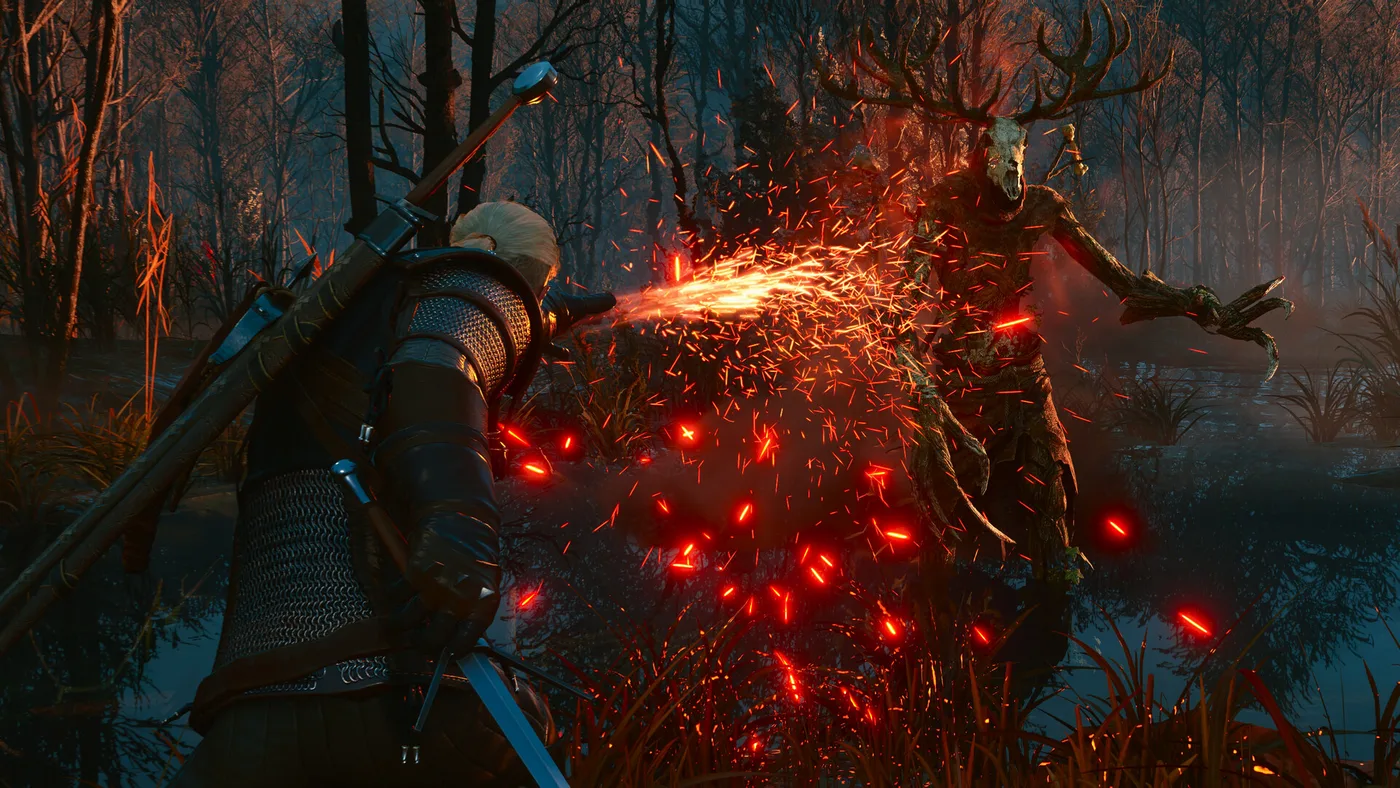
The Witcher 3 Remastered Skill Tree: What Unlocks What
CD PROJEKT RED described the Remastered skill overhaul in three bullet points and has published no skill list. The Witcher wiki has since filled in all four trees. Here is how unlocking works now, what every skill needs and does at rank 1 and rank 3, and which old skills are gone.
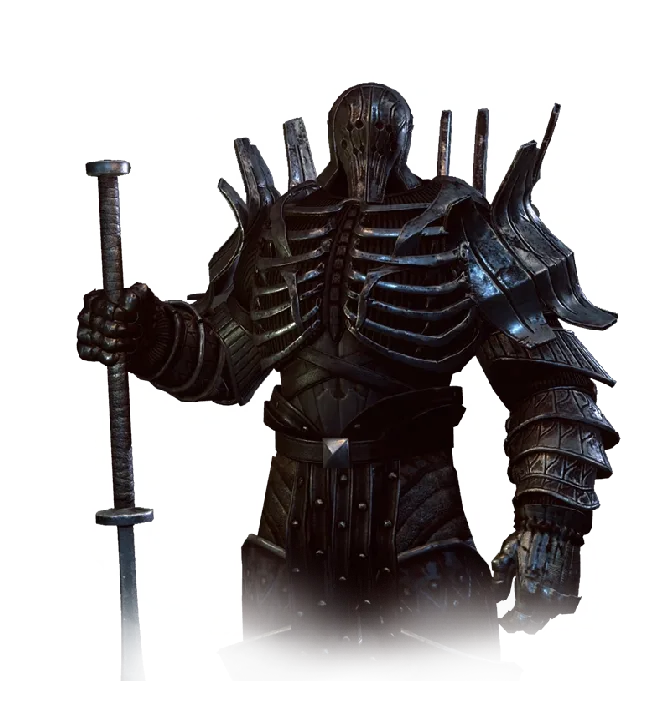
The Witcher 3 Boss Fights: Imlerith, Eredin and Dettlaff
The bestiary tells you which oil to use on a drowner. It has nothing to say about Imlerith dropping his shield at 33% health, or Dettlaff shrugging off every oil in your bag. Named bosses run on phase triggers, and those are the fight.
The Witcher 3 New Game Plus Guide: What Carries Over and What You Lose
New Game Plus keeps your gold, your abilities and your armour, then quietly deletes every crafting diagram you own. Here is the full ledger, the scaling maths, and the four things to do before you click start.
The Witcher 3 Alchemy Guide: Oils, Potions, Decoctions and Toxicity
Alchemy is the single most under-used system in The Witcher 3, and it is also the one that turns Death March from a wall into a routine. Here is what every oil, potion, decoction and bomb actually does, with the numbers.

The Witcher 3 Beginner's Guide: Your First 20 Hours
Most people who bounce off The Witcher 3 do it in White Orchard, and it is almost always the same three reasons: they never learned Quen, they never applied an oil, and they treated the skill tree like a shopping list. Here is the fix.

The Witcher 3 Remastered Settings: Bard's Ballad, Loot, Map
Remastered lets you switch off item weight, durability and Geralt's need to breathe underwater, and that is only the Bard's Ballad preset. Here are the new gameplay, interface, accessibility and control options, where each one lives in the menus, which ones stay off until you find them, and what the 19 October Switch 2 patch changed.