Minecraft Iron Farm Guide: Build an Iron Golem Farm
An iron golem drops 3 to 5 iron ingots every single time it dies, guaranteed, and your villagers will manufacture them for free if you set the scene right. Here is how to weaponize the panic mechanic into a farm that buries you in iron.

Most Minecraft "farms" are really just convenience machines — a mob grinder saves you a fight, a crop farm saves you a walk. An iron farm is different. It turns a resource that is supposed to be scarce into something you measure by the stack. Three villagers, a couple of beds, one scared zombie behind glass, and your base starts coughing up iron ingots on a timer with you barely paying attention. Once it is running, rails, hoppers, anvils, buckets, and a full iron-block beacon pyramid stop being decisions and start being defaults.
The reason it works comes down to one mechanic almost nobody reads the fine print on: villagers spawn iron golems to protect themselves, and the game does not care why they feel threatened. Scare them on purpose, on a loop, and you have a farm. The single most important number in this whole guide is this one: an iron golem drops 3 to 5 iron ingots, 100% of the time, with no luck and no Looting bonus. That guaranteed drop is the entire reason iron farms are worth building. Everything below is verified against the Minecraft Wiki, because iron farm tutorials are notorious for half-remembered villager counts that quietly don't trigger.
Why an iron farm is the best early build you can make
Iron is the connective tissue of a Minecraft world. You need it for buckets (water, lava, milk), rails and minecarts, anvils, hoppers, shields, the iron tier of tools and armor, and the bulk blocks for a beacon pyramid. Strip-mining for all of that is slow and boring. An iron farm front-loads the grind once and then never stops paying.
Compared to the other workhorse builds on our best Minecraft farms list, the iron farm has the best ratio of "annoying to set up" against "absurdly useful forever." It is not the simplest farm — that title goes to a mob tower or a sugarcane line — but nothing else hands you a renewable supply of the game's most-used metal.
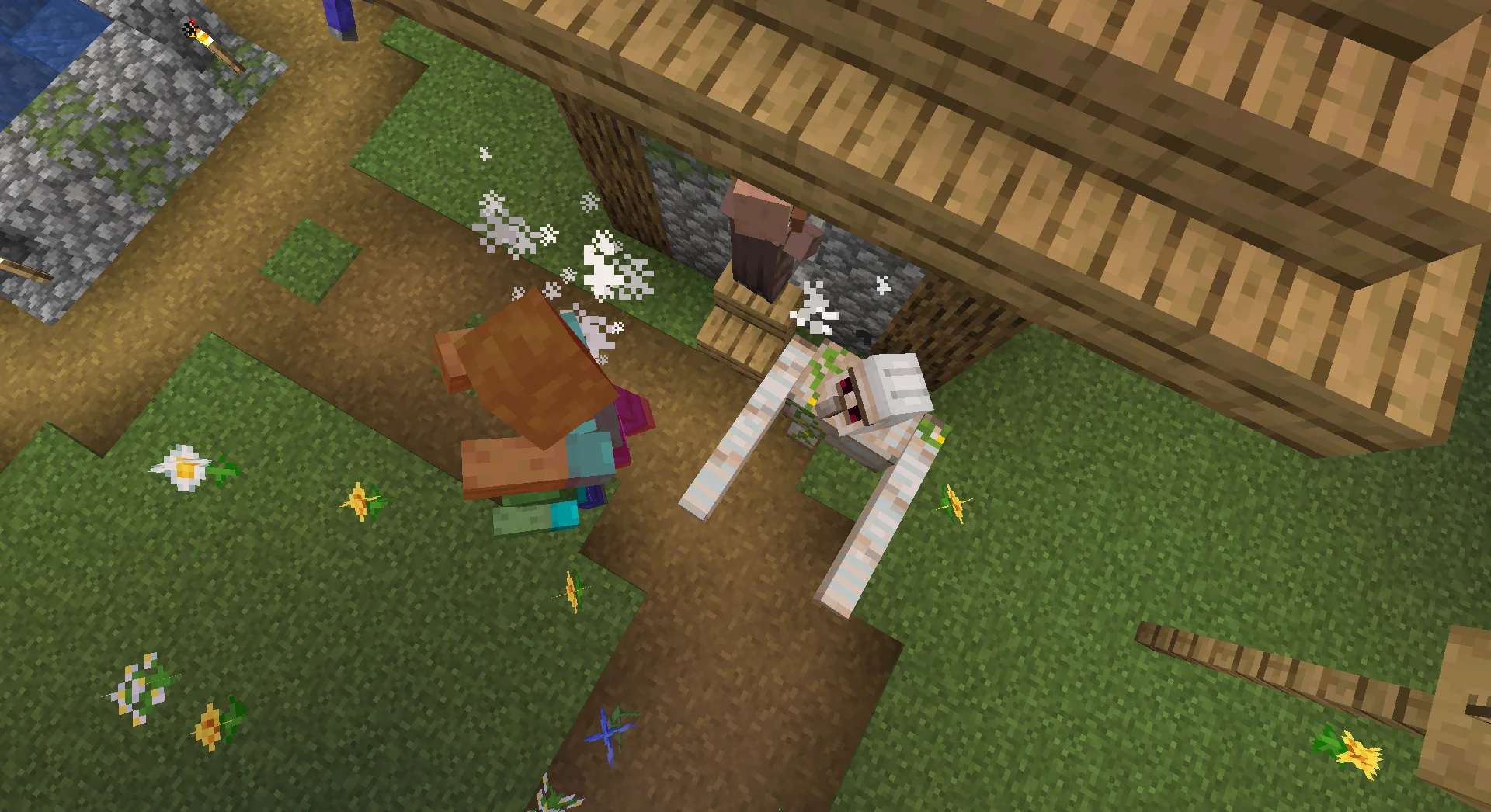
The catch is that "iron farm" is a slightly misleading name. You are not farming iron. You are farming iron golems, by convincing villagers they are under threat. Understand the spawn rules and the build designs itself.
How villagers actually spawn iron golems
Villagers summon iron golems as bodyguards, but the exact trigger differs between editions, and this is where most builds go wrong.
In Java Edition, a villager attempts to spawn an iron golem when it is gossiping with other villagers, or every 5 seconds while it is panicking — provided five conditions are all true at once:
- The villager has slept in a bed within the last 20 minutes.
- No iron golem has been detected within 16 blocks in the last 30 seconds.
- It is not too close (within 10 blocks) to another recent golem summon.
- Enough villagers are present: 5 for the gossip trigger, but only 3 while panicking.
- A valid spawn space exists nearby.
That "3 while panicking" line is the whole game. You do not need a 20-villager megavillage for a working Java iron farm — you need 3 villagers and a way to make them panic on demand.
In Bedrock Edition the rules are coarser. A "village" needs at least 10 villagers and 20 beds, with all villagers linked to a bed and at least 75% of them having worked at a job site block in the past day. When those conditions hold, the game runs a spawn attempt at roughly 1 in 700 per game tick — about one attempt every 35 seconds. Bedrock golems spawn in a 17x13x17 box centered on the village, which is why Bedrock farms care a lot more about controlling valid spawn spaces.
The short version: Java rewards a tiny, panic-driven farm; Bedrock wants a denser village and tighter spawn-space control. Build for your edition.
The panic trick that makes it a farm
Here is the lever. Villagers panic — and start the 5-second golem spawn attempts — when they detect a zombie (or other threatening mob) nearby. So every reliable iron farm puts a single zombie in a sealed glass cell where the villagers can see it but it can never reach them.
The villagers stare at the zombie, register a permanent threat, and panic continuously. With 3+ villagers in range (Java) they roll golem-spawn attempts every 5 seconds, and golems start appearing on the spawn platform you have prepared. You are not breeding endless mobs; you are keeping a handful of villagers in a state of low-grade terror, forever. (It is a little dark when you say it out loud.)
A few practical notes on the scare cell:
- Glass or glass panes only. Villagers need line of sight to the zombie. A solid wall breaks the panic.
- Light it or keep it sealed. The zombie must survive — if daylight burns it or it pathfinds away, your farm stops. A fully enclosed, name-tagged zombie (name tags prevent despawn) is the standard, set-and-forget move.
- One zombie is enough. You are triggering the panic flag, not running a damage simulation.
What an iron golem drops
This is the payoff, and it is worth stating precisely so you can do the math on a farm:
- Iron ingots: 3 to 5 per golem, dropped 100% of the time. Looting does not increase this — the drop is fixed.
- Poppies: 0 to 2, with roughly a 66.67% chance to drop at least one (averaging about 1 poppy per kill).
So every golem your farm produces is, on average, 4 iron ingots in the hopper. A farm pushing out a golem every couple of minutes is doing the work of a long, dull mining session every hour, while you do literally anything else.

One more critical detail for the kill design: iron golems are immune to fall damage and drowning. You cannot just drop them down a shaft and collect drops at the bottom like a zombie or skeleton. They have 100 HP (50 hearts), so the farm needs a real damage source to finish them — which is the next problem to solve.
The simplest farm that works
You can overbuild an iron farm into a flying-machine megastructure, but you do not need to. The minimum viable Java build is three pieces stacked together: a villager pod (the 3 villagers plus beds and the scare zombie), a spawn platform above or beside them where golems appear, and a kill chamber that funnels golems to their death and the drops to a chest.
Building the spawn platform
Golems need a valid, open space to spawn into — solid floor, two blocks of vertical air, and within range of the villagers. The cleanest approach is to leave the area immediately around the villager pod mostly blocked off except for one deliberate spawn platform, so golems can only appear where you want them. Fill stray flat surfaces with slabs, carpets, or non-full blocks; golems won't spawn on those.
A common, compact layout: villagers in a glass-walled box up top with their beds, the scare zombie in an adjacent glass cell, and a single open platform directly beneath or beside the villagers as the only legal spawn surface. New golems appear there, then get nudged into the kill chamber.
Building the kill chamber
Because golems shrug off fall damage, you have two reliable options:
- Lava blade. A common design floats a lava source behind a sign or trapdoor so it burns golems without torching the loot. The drops survive if you collect them outside the burn zone — funnel everything onto hoppers feeding a chest. This is fully AFK once tuned.
- Manual / soft-kill. Drop golems a short distance to a holding cell (the fall won't hurt them) and hit them yourself with a sharp sword. Slower and hands-on, but trivially simple to build and great for a first farm. Bonus: you keep the XP.
Either way, put hoppers under the kill zone feeding into a collection chest so iron and poppies pipe themselves into storage. For a refresher on hopper-and-chest collection, the redstone basics guide covers the wiring.
Java vs Bedrock: the differences that matter
If you copy a Java tutorial in Bedrock (or vice versa) and it doesn't work, this is almost always why:
| Java | Bedrock | |
|---|---|---|
| Villagers required | 3 panicking (5 for the gossip trigger) | 10 villagers and 20 beds, with 75% having worked a job site in the past day |
| Spawn logic | Tied to villager gossip/panic behavior | ~1/700 chance per game tick inside a fixed 17x13x17 volume around village center |
| Attempt timing | Every 5 seconds while villagers panic | Roughly one attempt every 35 seconds |
| What matters most | A tiny, panic-driven farm | A denser village and tight spawn-space control |
If you are on Bedrock and a small 3-villager build refuses to produce golems, that is expected — scale it up to a proper village footprint. On Java, the tiny build is the intended meta.
Common reasons your iron farm isn't working
Run through this list before you tear the whole thing down:
- The zombie died or wandered off. No threat, no panic, no golems. Name-tag it and seal the cell.
- Villagers can't see the zombie. Solid block in the line of sight kills the panic. Use glass.
- Not enough villagers. Java needs 3 panicking; Bedrock needs the full village. Recount.
- Villagers haven't slept. Java golem spawning requires a villager to have slept in the last 20 minutes — make sure beds are reachable and claimed.
- A golem is already nearby. The game suppresses new spawns if one exists within 16 blocks. If a golem is stuck in your collection system, clear it.
- No valid spawn space. Slabs, carpets, lit areas, or a fully sealed platform with no open 2-block air pocket all block spawns. Leave exactly one clean platform.
- Villagers turned into zombie villagers. If your scare zombie ever reaches them (gap in the glass), it can convert your workforce. Double-check the cell is sealed.
Scaling up and what to do with the iron
Once one cell works, you scale by stacking or tiling more villager pods within range of shared spawn platforms — more panicking villagers means more golem attempts per minute. Big public iron farms run multiple pods feeding one central kill chamber, pushing thousands of ingots an hour.
What to actually do with a mountain of iron:
- Build a beacon pyramid out of iron blocks — it is the most farmable of the five valid pyramid blocks, and the effect is identical to a diamond pyramid.
- Mass-produce rails and minecarts for the transport network in our transportation guide.
- Trade iron blocks to toolsmith and armorer villagers for emeralds, then funnel those into the deals in the villager trading guide.
- Stockpile anvils and buckets so repairing gear and hauling lava stop being chores.
An iron farm is one of those builds that quietly changes how you play the whole game. Iron stops being a constraint, and you start thinking in terms of "what can I automate next." That is usually the moment a survival world goes from a campsite to a base.
Quick Action Checklist
- Confirm your edition's spawn rule: Java needs 3 panicking villagers; Bedrock needs a 10-villager, 20-bed village
- Gather and house 3+ villagers with claimed beds (Java) within range of the spawn platform
- Seal a single zombie in a glass cell where villagers can see it — name-tag it so it never despawns
- Build exactly one open spawn platform (solid floor, 2 blocks of air) and block off all other valid surfaces with slabs/carpet
- Add a lava-blade or soft-kill chamber — remember golems are immune to fall damage and have 100 HP
- Put hoppers under the kill zone feeding a collection chest for the iron and poppies
- Expect 3-5 guaranteed iron ingots per golem (no Looting bonus) plus 0-2 poppies
- If it's dead, check: zombie alive? villagers can see it? slept recently? spawn space clear? no golem within 16 blocks?
- Funnel the iron into a beacon pyramid, rails, and villager trades
Frequently Asked Questions
How does a Minecraft iron farm work?
How much iron does an iron golem drop?
How many villagers do you need for an iron farm?
Why does fall damage not kill iron golems in a farm?
Why is my iron farm not spawning golems?
Keep Reading
Related Guides

Minecraft Slime Farm Guide: Slime Chunks, Swamps, Slimeballs
Slimeballs are the one item you can't mine, trade, or craft your way around — sticky pistons, leads, and slime blocks all dead-end at them. Here's how to build a slime farm that buries you in the stuff, whether you go slime-chunk or swamp.
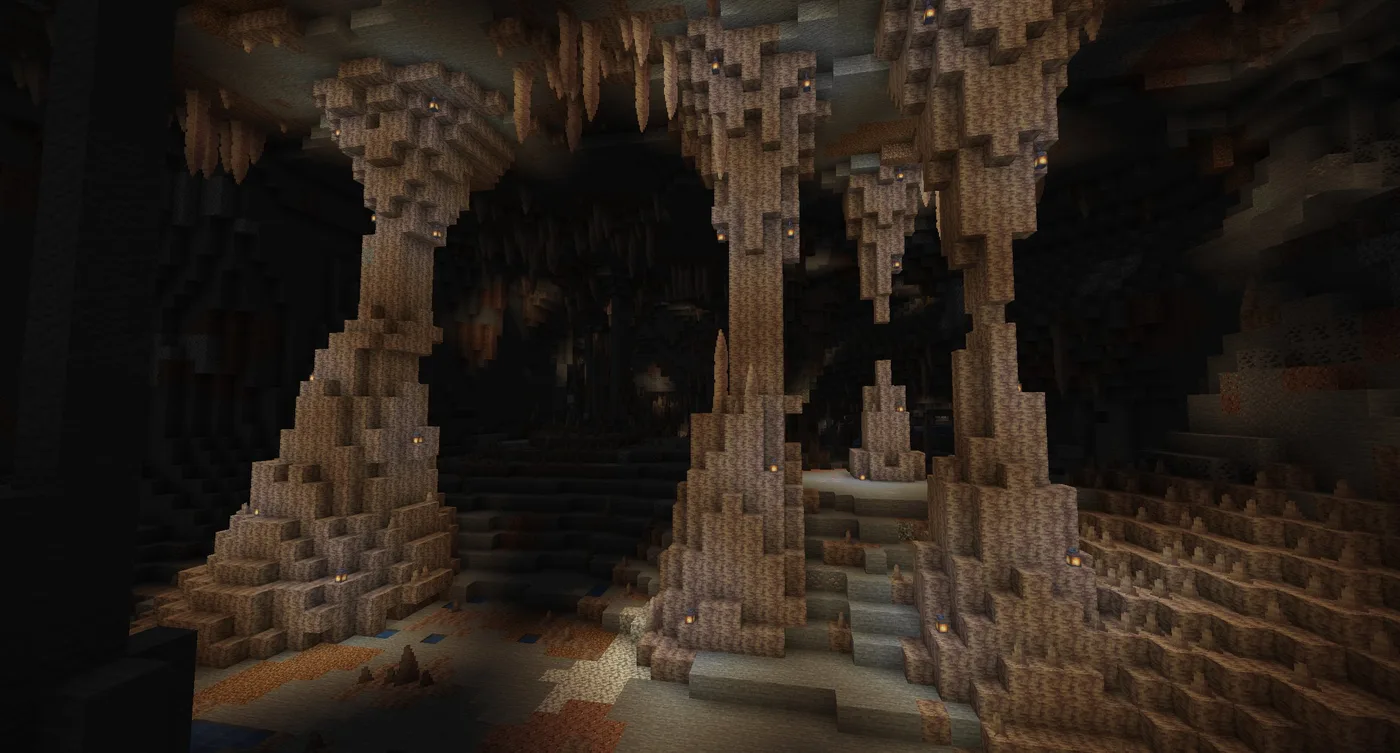
Minecraft Dripstone Guide: Infinite Lava, Growth and Caves
One pointed dripstone, one cauldron and a lava source you never use up: that is renewable lava. Here is how the dripstone lava farm works, how much fuel each cauldron is really worth, how dripstone grows, where dripstone caves generate, and what falling stalactites and stalagmites do to you.
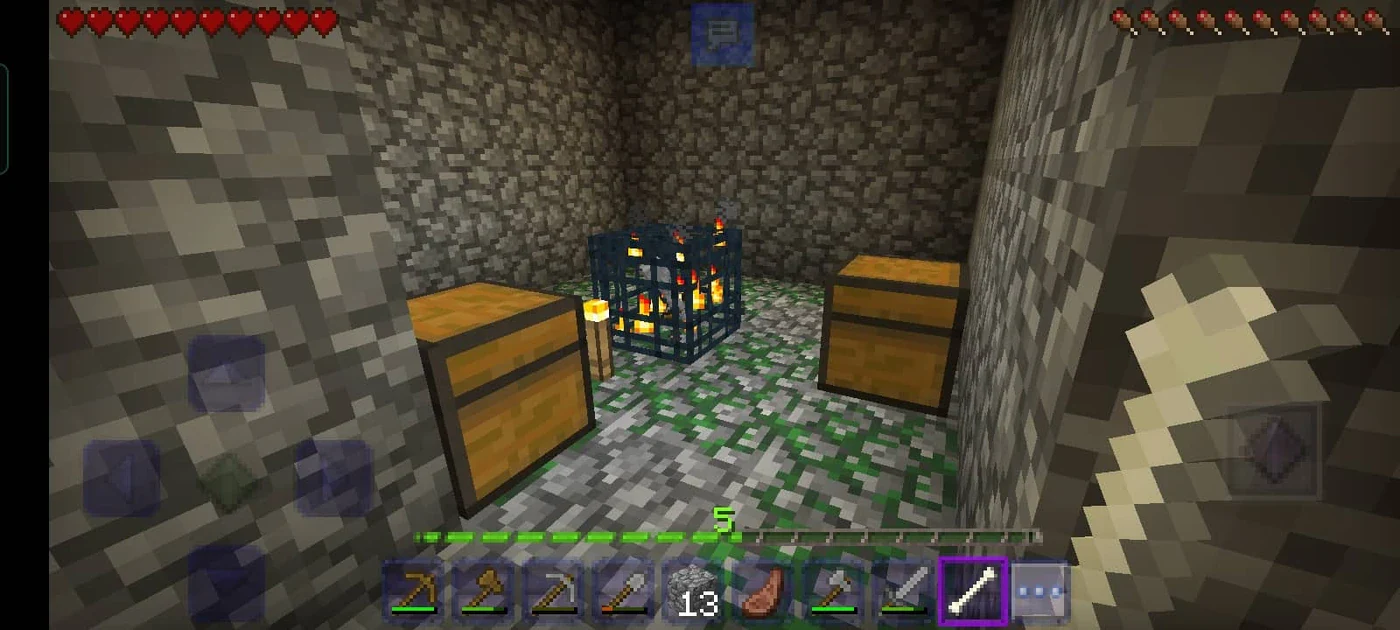
Minecraft Spawner Guide: Mechanics, XP Farms, and Real Rates
A monster spawner is not a magic mob faucet. It is a timer with a hard mob cap, a spherical activation radius, and a spawn volume that is shaped differently in Java and Bedrock. Learn the actual numbers and you stop building farms that quietly run at half rate.
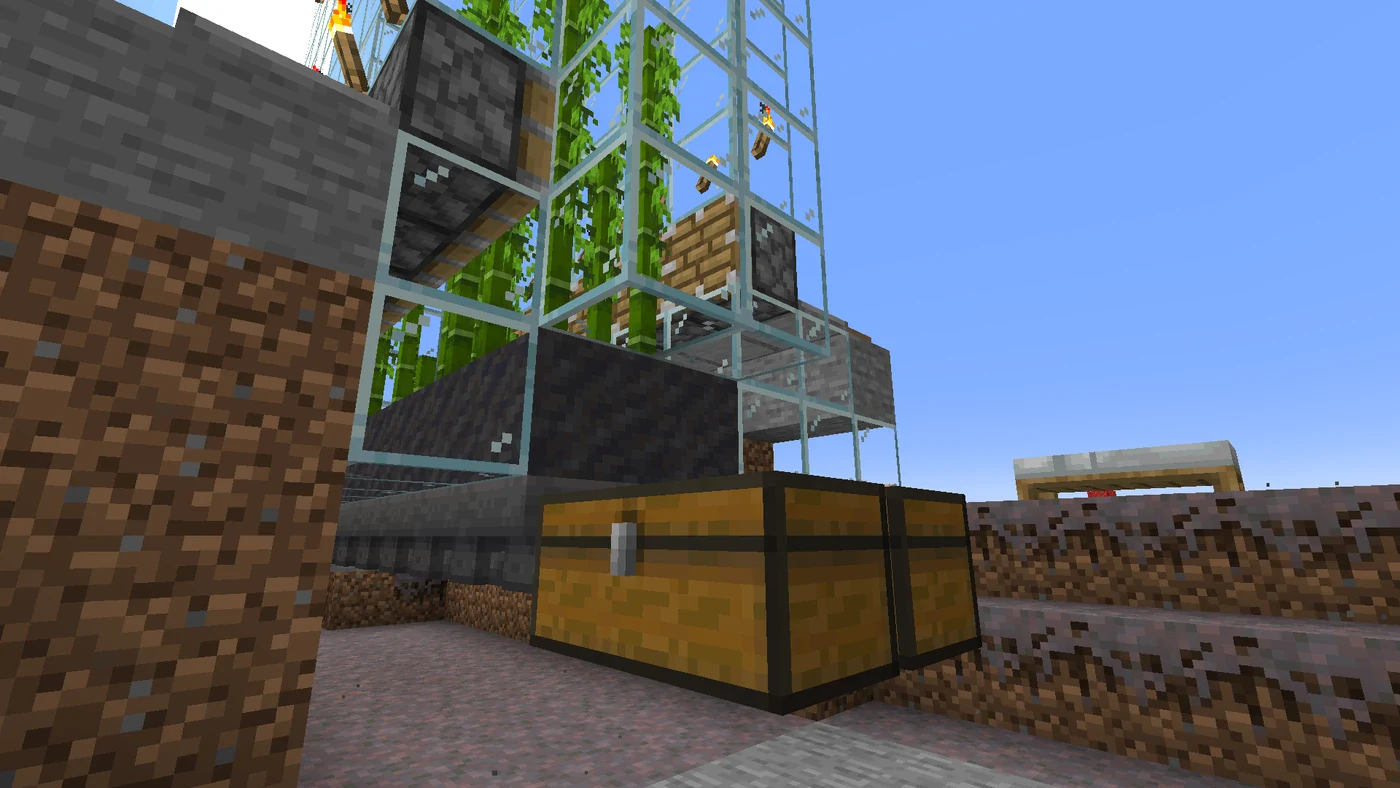
Minecraft Automatic Farms: Observer and Piston Designs
Observer-and-piston farms look identical in every tutorial and perform nothing alike. The difference is growth math, edition-specific observer timing, and whether the chunk is even loaded. Here are the numbers behind the builds.

Minecraft Survival Guide for Beginners: Your First Days
You have about ten minutes of daylight before the sun sets and the world tries to kill you. Here is exactly what to do with them — punch a tree, build a tool chain, and get a roof over your head before the zombies arrive.

Best Minecraft Enchantments, Ranked — The Ones Worth Your XP
Mending is the enchantment that ends the grind — gear that repairs itself forever. Everything else is a fight over your XP and anvil uses. Here is what actually earns a slot, ranked, with the real max levels.