PUBG Advanced Tips: Habits That Win More Games
The gap between a 1,800-RP player and a winner is almost never aim. It's a handful of habits — where you stand, when you shoot, what's in your bag, and what you hear. Here are the ones that move the needle.
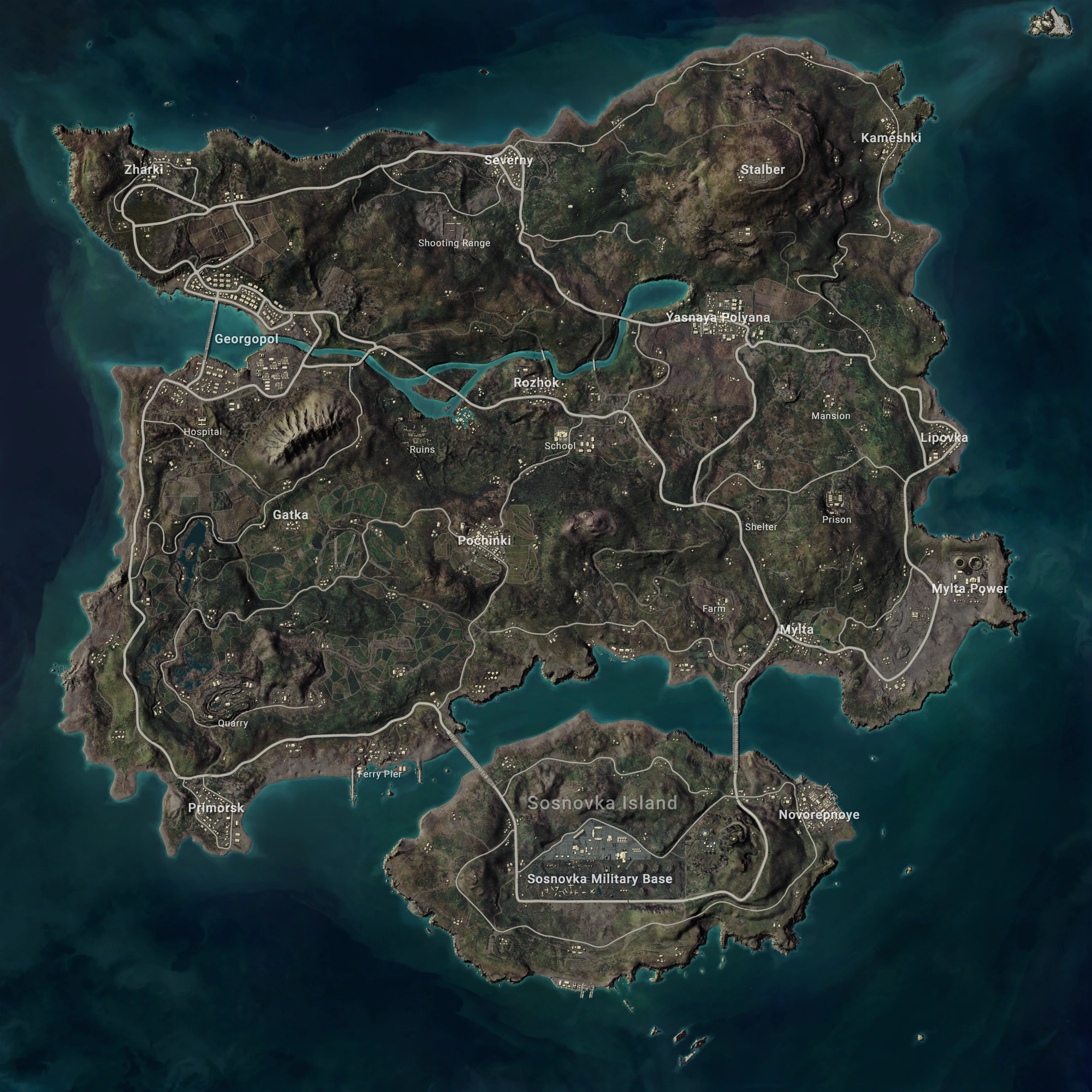
The gap between a player stuck at 1,800 RP and a player who actually wins games is almost never aim. Both of them can hit a static target on the range all day. The winner is just standing in a better spot, shooting at a better time, carrying a better-organized bag, and hearing the fight before it starts. None of that requires faster reflexes — it requires habits, and habits are learnable in a way that a 200ms flick is not.
This is the list of habits that move the needle in PUBG: Battlegrounds, in rough order of how much they matter. If you internalize even half of these you'll climb past people who out-aim you, because in a game where one bullet to the head ends you, being seen first loses more games than missing does.
Aim is not your problem
Let's kill the excuse up front. When you die, your brain says "I missed" or "he was better." Watch the kill cam and it's usually something else: you were in the open, you were silhouetted on a ridge, you pushed a fight a third squad was watching, you reloaded at the wrong moment, you didn't hear the guy who'd been flanking you for ten seconds. Those are positioning and information failures, not aim failures.
The fix is to stop training the thing that's already good enough and start training the things that are quietly killing you. A player with average aim and elite positioning beats a player with elite aim and average positioning the vast majority of the time, because the positioned player chooses when fights happen and the aimer just reacts to them.
Position before you aim
Position is the single highest-leverage habit in the game, and it's a question you should be answering constantly: from how many directions can I be shot right now? The answer should almost always be one.
What good positioning actually looks like in practice:
- Hold cover that exposes one angle. A rock with a hill at your back, the inside corner of a compound, a reverse slope where the terrain protects everything behind you. If three squads can see you, you don't have cover — you have a stage.
- Don't skyline yourself. Walking along the top of a ridge silhouettes you against the sky for everyone below. Stay a few meters off the crest where the slope breaks up your outline.
- Take high ground that has cover, not just height. A bald hilltop is a fishbowl once the circle tightens. High ground is only good when it has rocks, folds, or a tree line to disappear into.
- Pre-aim your most likely threat. Set up facing the open ground or the high ground you don't own, so the dangerous direction is the one you're already covered from.
This is a whole skill on its own; our movement and positioning guide goes deeper on cover chains and how to move without exposing yourself. The headline habit: decide where you'll be safe before the fight, not during it.
Master the third-party clock
Here's the truth that took most players hundreds of hours to learn: in a contested area, the squad that shoots first usually loses. The instant you open fire, every player in earshot knows your exact location, and at least one of them starts moving on the gunfire while you're committed to your fight. That fresh squad cleaning up the survivors is the third party, and it's the number-one cause of "we had that won and then died."
The habits that win the third-party clock:
- Don't take every fight you can — take the fights you have to. If two squads are trading shots, let them. Sit in cover and watch. Every second they spend killing each other improves your odds for free.
- When you commit, close it fast. A drawn-out fight is an open invitation. If you can't reasonably finish a squad before a third party can reach you, you probably shouldn't have started.
- Position to be the third party, not to receive one. The best spot in the mid-to-late game is one with eyes on a fight you're not in — so you clean up two weakened squads instead of starting fights of your own.
- Use smoke to disengage. Losing a fight isn't losing the game. Pop smoke, break line of sight, reset to better ground.
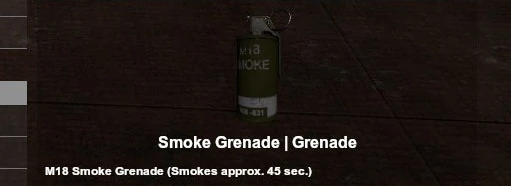
Smoke is so central to this that it's worth carrying two or three at all times and treating them like ammo. More on the full utility kit in the throwables guide.
Run a clean inventory
Average players treat their inventory as a junk drawer. Good players keep it deliberately organized so that under pressure their hands already know where everything is.
The inventory habits that matter:
- Carry the right heal balance. A stack of bandages does nothing in a real fight — they heal too slowly. Prioritize first aid kits and med kits for burst healing, energy drinks and painkillers for the boost bar that gives you passive regen and a speed edge late. Our healing and boost guide breaks down the exact ratios.
- Upgrade armor on sight, then stop hoarding. A Level 3 helmet survives shots a Level 2 doesn't, so grab the upgrade immediately — but don't sit in a looted building min-maxing attachments while the circle moves. Good enough and alive beats perfect and zoned.
- Manage your two ammo types. If you run an AR and a DMR on different calibers, know roughly how much of each you have. Running dry on your DMR ammo mid-rotation because you dumped it all in one fight is a self-inflicted loss.
- Drop the dead weight. You don't need a fourth frag and a spare scope you'll never mount. Bag space is for heals, ammo, and smokes — the things that win fights and rotations.
The deeper point: every second you spend fumbling through a cluttered bag is a second you're not watching angles. A clean inventory is a positioning tool. See the looting and inventory guide for a full system.
Play the sound game
PUBG is one of the most sound-driven shooters there is, and audio is a two-way street that most players only think about in one direction. You're listening for footsteps, gunfire, reloads, vehicles, and the care-package plane to locate enemies — and they are doing the exact same thing to you.
The habits:
- Wear headphones and learn directional audio. You should be able to tell which floor an enemy is on and which direction they're approaching from. This alone wins close-quarters fights before they start. Dig into the details in our audio and footsteps guide.
- Walk when you're close. Sprinting is loud and announces you to anyone in a building. Late game and in compounds, walk or crouch-walk so you hear them before they hear you.
- Think before every shot: who else just learned where I am? An unsuppressed shot is a flare. Sometimes the right play is to not take the free kill because the noise costs you more than the kill is worth.
- Use sound as bait. A deliberate footstep, a single shot from a flank — you can pull enemies toward where you want them. Information warfare runs both ways.
Do the circle math
The blue zone is a clock, and players who don't do the math get eaten by it or caught in the open. The habit is simple: every time the new circle draws, immediately answer two questions — how far do I have to go, and how long until the blue starts closing?
- Move early. The instant the new zone appears, if you have distance to cover, start covering it. Early movers cross open ground while most of the lobby is still looting, which means fewer eyes on them. Late movers cross the same ground when everyone is set up and watching it.
- Rotate on the inside edge of the blue, not the center. Hug the blue line and push along it toward your spot. You cut your exposure roughly in half — nobody's shooting you from behind the wall of blue — and you arrive from the outer ring where the cover usually is. The center is the kill box.
- Respect the late-circle speed. The blue closes faster and hits harder late; the final circles can outrun you on foot. "I'll move when I see it" gets you killed by the zone in the open.
- The next circle is never guaranteed centered. It lands somewhere inside the current one and can hug an edge, so don't assume the middle is safe — drift toward the terrain that's good regardless of where the zone lands.
This is the backbone of endgame play; the full treatment is in our endgame and final-circle guide.
The habits as a numbered list
If you want the whole thing as a single drill list to take into your next session, here it is in priority order:
- Always know how many angles can hit you. Aim for one. If it's three, move.
- Don't fire first in a contested zone. Let others trade; be the third party, not the victim.
- Close fights fast or don't start them. A long fight invites a fresh squad.
- Carry 2-3 smokes and use them to cross open ground, reset, and revive.
- Move the instant the circle draws, and rotate on the inside edge of the blue.
- Keep heals and boost topped up so the zone is a tool, not a death timer.
- Upgrade armor on sight, then stop hoarding and get moving.
- Wear headphones and walk when close — hear them before they hear you.
- Think before every shot: who else just learned where I am?
- Don't skyline yourself on ridges or hold bald high ground with no cover.
Quick Action Checklist
- Before every fight, count the angles that can hit you — aim for exactly one
- Stop firing first in contested areas; let squads trade and third-party them instead
- Carry 2-3 smokes and treat them like ammo for crossing ground and resetting fights
- Start rotating the moment the circle draws and hug the inside edge of the blue
- Keep first aid kits, energy drinks, and painkillers stocked for the boost bar
- Grab armor upgrades on sight, then stop hoarding and beat the zone
- Use headphones, learn directional audio, and walk when enemies are close
- Never skyline on a ridge or sit on a bald hilltop once the circle tightens
Frequently Asked Questions
How do you get better at PUBG fast?
What is third-partying in PUBG and how do you use it?
How important is sound in PUBG?
When should you rotate in PUBG?
What should you carry in your PUBG inventory?
Is positioning more important than aim in PUBG?
Keep Reading
Related Guides
PUBG Mid-Game Guide: Own Phases 2 Through 5
You survived the drop and you'll survive the final ten — but the match is decided in the messy middle, phases two through five, where most players just react to the blue and hope. Here's how to turn the mid-game into a lead instead of a coin flip.
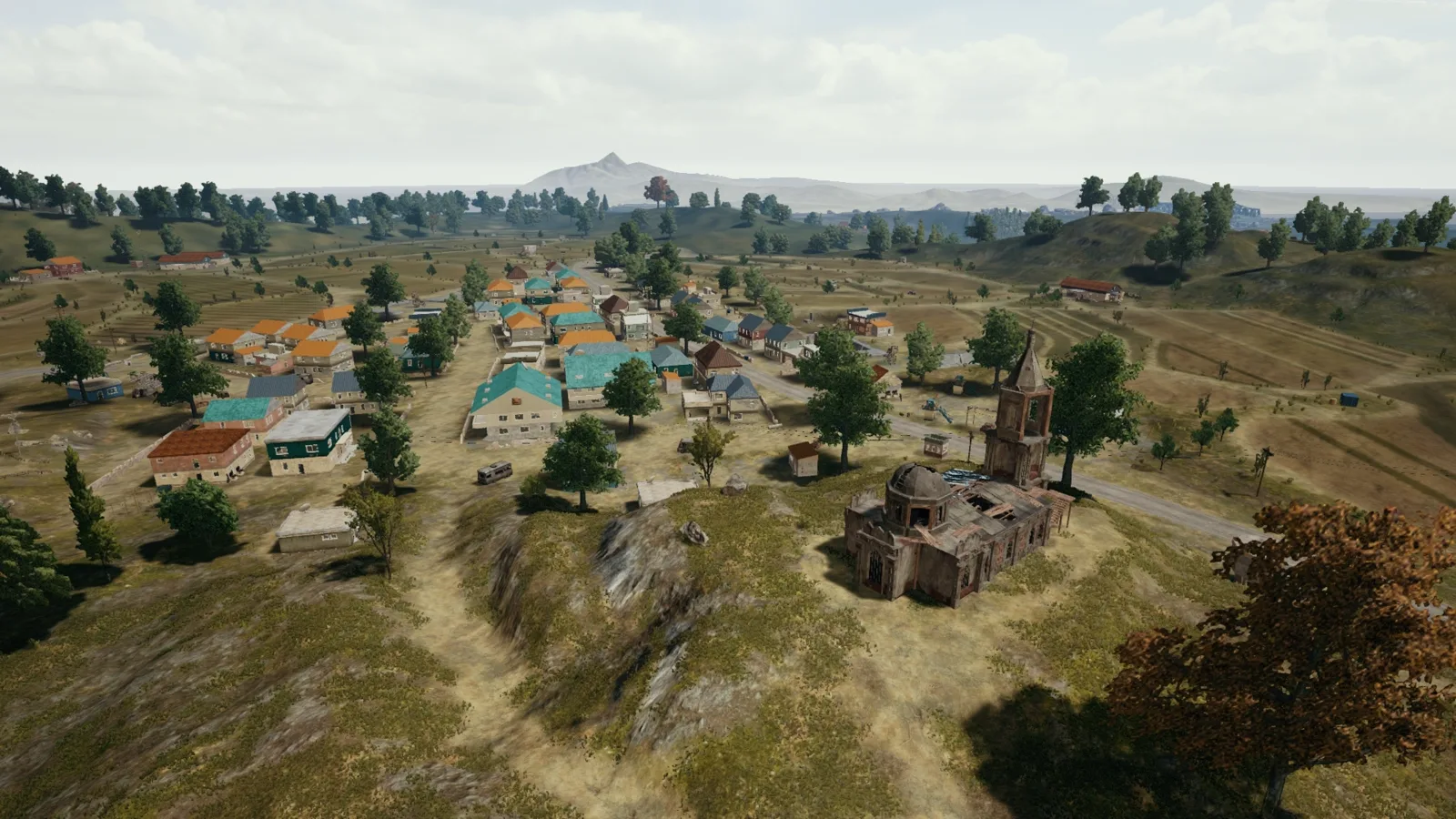
PUBG Duo Strategy Guide: How to Actually Win as Two
Duos is the least forgiving mode in PUBG and nobody talks about it that way. You get exactly one teammate, which means you get exactly one mistake — and the moment you're both down, the game ends instantly with no third player to clean up. Here's how two players actually win.
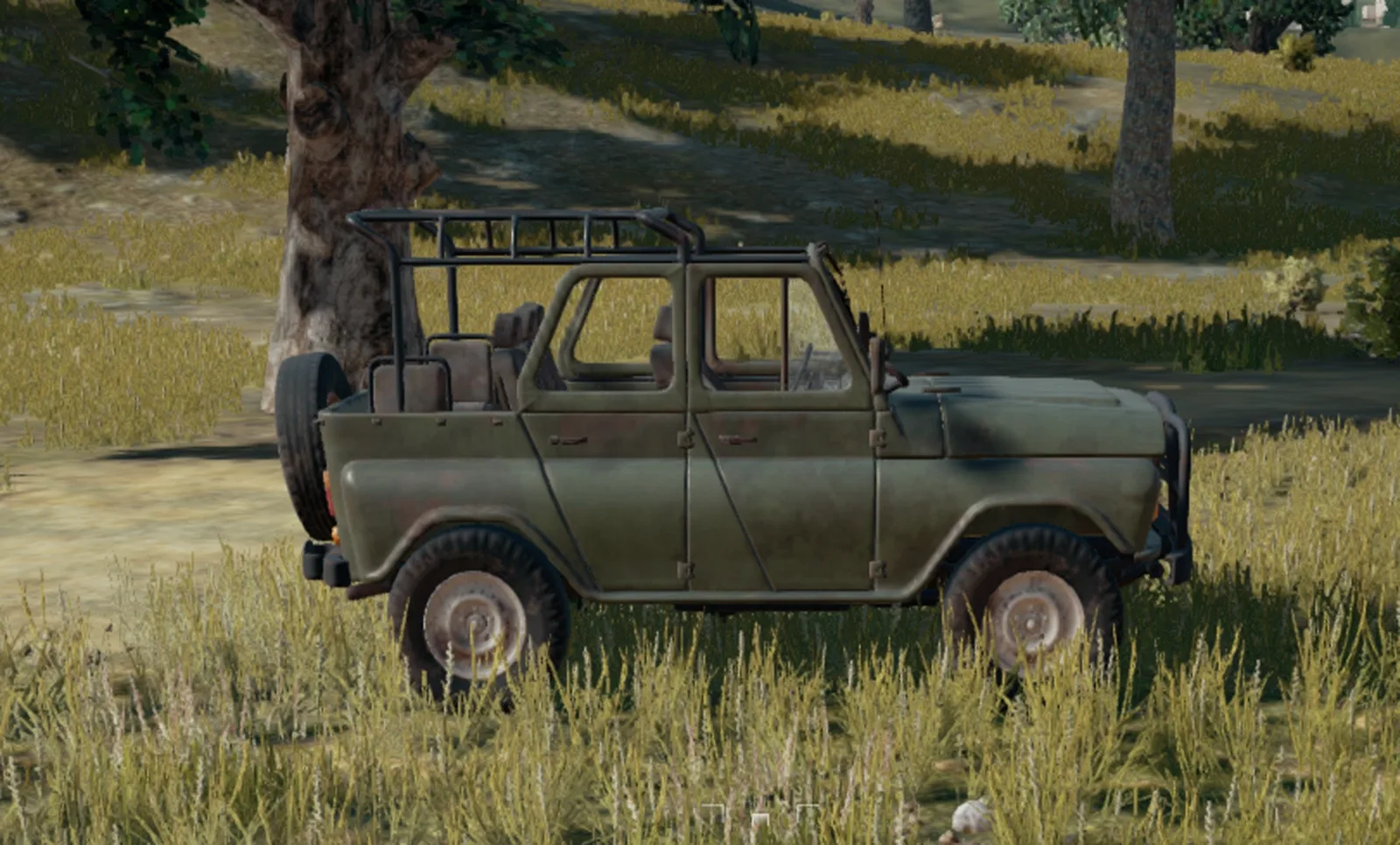
PUBG Flanking Guide: Win Fights From the Side
A head-on peek war between two decent players is a coin flip. A flank removes the coin. Here's how to get to an enemy's blind side, when it's worth it, and how to close the kill without handing it back.
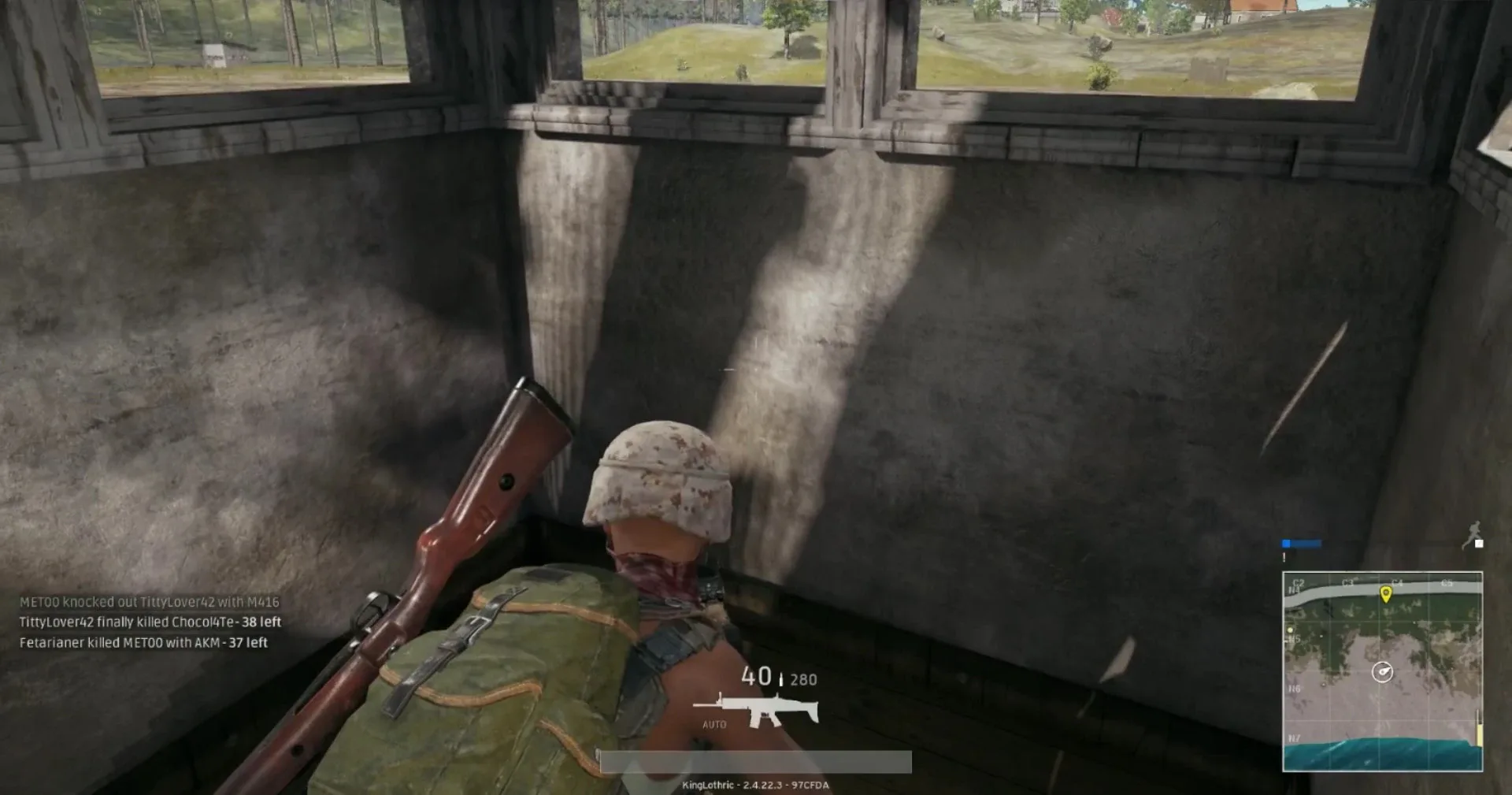
PUBG Third-Party Guide: Avoid and Exploit the Third
The player who wins a PUBG fight and the player who wins the lobby are usually different people — and the difference is the third party. Here's how to stop getting jumped mid-fight and how to be the one doing the jumping.
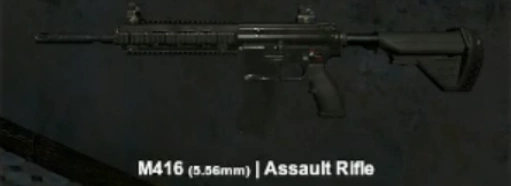
Best Weapons in PUBG: Tier List
Every PUBG tier list is out of date the moment a balance patch drops. So here's the list, ranked by role, plus the durable logic to re-tier any gun yourself when the next patch shakes things up.
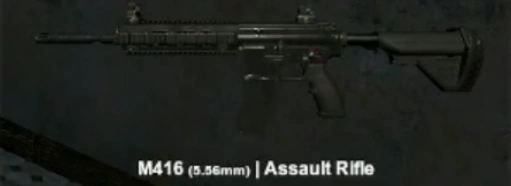
Best PUBG Loadouts & Attachments
A naked M416 and a fully kitted M416 are basically two different guns. Here's how to build the strongest two-gun loadouts in PUBG and the attachment priority that turns loot into recoil control.