Cookie Run: Braverse Budget Upgrades That Actually Matter
The single best upgrade for the Red starter deck is a common that outdamages the deck's own super-rare at the same energy cost. Here is the full three-wave upgrade path - every card verified against the official database.
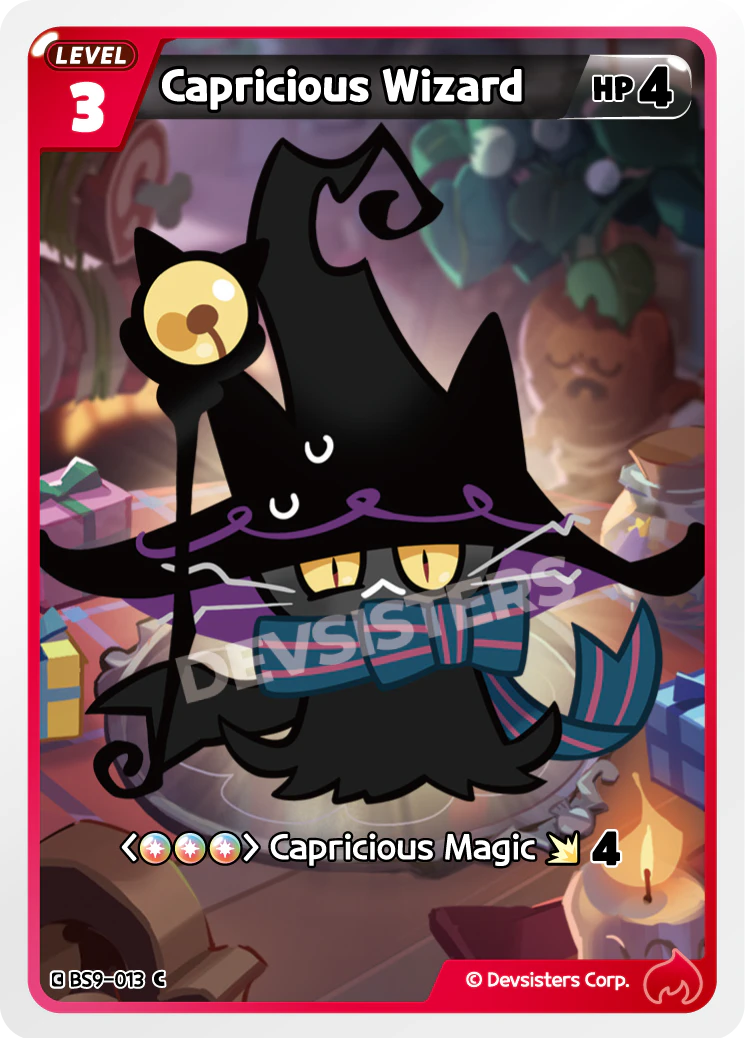
The best upgrade for the Red starter deck costs about as much as a pack of gum. Capricious Wizard (BS9-013), a common from A Game of Truth and Deceit, swings for 4 damage off three any-color energy. Peperoncino Cookie (ST1-014), one of the two super-rares Devsisters put in that same starter to make the box look exciting, swings for 3 at the exact same cost. The common out-damages the showpiece. That single comparison is this whole guide in miniature: in Braverse, rarity tells you how shiny a card is, not how good it is.
This is the follow-up to the budget deck guide, which covered what to buy when you own nothing. Assume you took that advice: you have a Red starter (or whichever box won you over in the starter deck rankings), you have played your ten stock games, and now you want the deck to stop losing to itself. Everything below is verified against the official card database as of this writing - the English pool moves set to set, so re-check before you buy.
The one rule: upgrade problems, not rarities
Most new players upgrade backwards. They open the binder, sort by shiny, and buy the most expensive Red card they can afford. Then they lose the same games they were losing before, just with better-looking cardboard.
Upgrade the way the deck loses instead. After ten stock games, the Red starter loses in three repeatable ways: it runs out of cards while holding a hand full of energy, its LV.1 Cookies are blank bodies that trade down, and it has no way to remove a problem Cookie it cannot attack through. Those are the three problems. Every purchase in this guide answers one of them.
The rules give you room to do this cheaply. A deck is 60 cards with a maximum of 4 copies of any single card number and up to 16 FLIP cards - the full framework is in the deck-building basics. Because playsets cap at four, a full set of a game-winning common costs less than a single copy of most ultra-rares. Consistency is the cheapest stat in the game.
Wave one: commons that outpunch the starter
Wave one is all commons and uncommons - singles so cheap that most sellers will not ship them alone. It is also, per damage added, the biggest jump your deck will ever make.
Start with the swap from the intro. Capricious Wizard (BS9-013) is a LV.3 common with 4 HP that deals 4 damage for three any-color energy. Peperoncino Cookie (ST1-014) is a LV.3 super-rare with 6 HP that deals 3 for the same cost. You are trading two toughness for one extra damage, and in an aggro deck that trade is nearly always right - the extra point of damage ends races a full turn earlier, and a dead opponent cannot attack your 4 HP body anyway.
Then clear out the vanillas. GingerBrave (ST1-011) is a LV.1 with 2 HP, one any-color energy for 1 damage, and no text at all. Dark Choco Cookie (BS5-001), a common from Operation Timeguard, is also LV.1 but carries 3 HP and Indomitable Will: at 1 remaining HP he gains +1 attack damage. Same slot, more HP, and text that actually wins damage races. Every vanilla you cut for a common with words on it is a free upgrade.
Round out the wave with three more cheap bodies from A Game of Truth and Deceit. Linzer Cookie (BS9-004) is a LV.2 common with a huge 5 HP that hits for 3 - a wall that also punches. Devil Cookie (BS9-011) is a LV.2 that deals 2 for two Red and, on play, pings an opposing Cookie for 1 if two or more of your Red LV.1 Cookies fainted that turn - which in this deck is just called Tuesday. Strawberry Cookie (BS9-003), an uncommon, pumps one of your Cookies +1 attack damage the moment she hits play. None of these will make trade binders jealous. All of them win games.
Fix the draw engine before the damage
Here is the unglamorous truth about the starter: its worst feature is not the damage, it is that the deck simply runs out of gas. Wave one makes your hits harder. This wave makes sure you still have a hand on turn six.
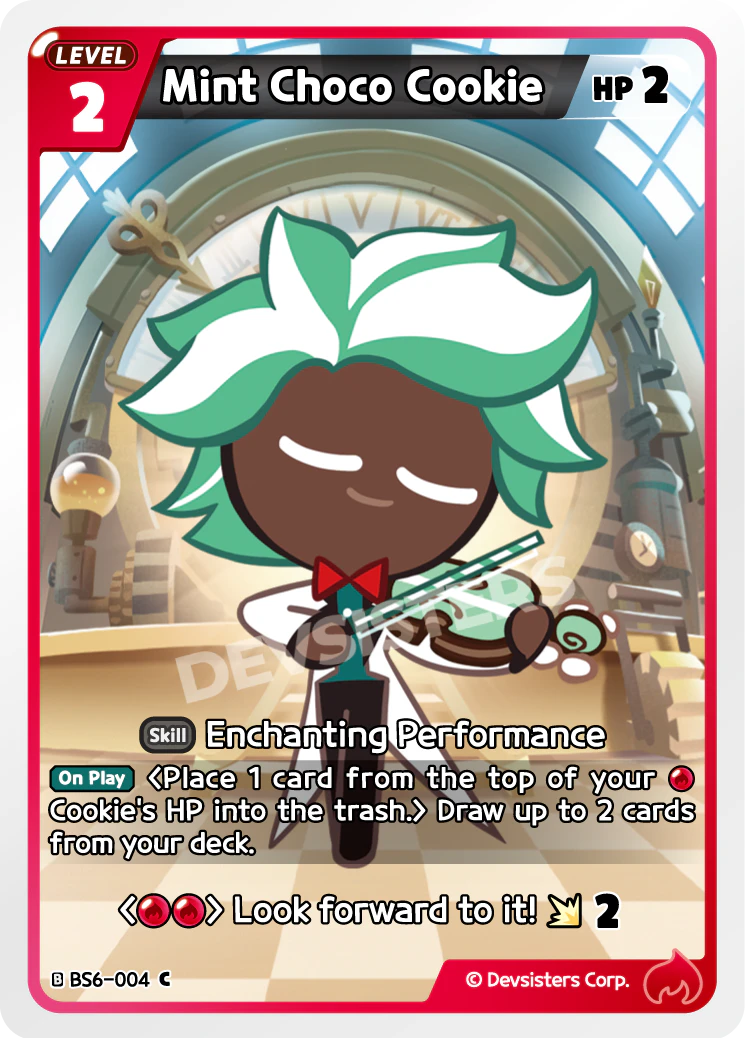
The centerpiece is Mint Choco Cookie (BS6-004), a common from Operation Timeguard: on play, trash one card from the top of a Red Cookie's HP and draw up to two cards. Two fresh cards for one HP you were probably going to lose anyway is the best refuel rate available at common. One warning that trips up every new buyer - the starter already contains a Mint Choco Cookie (ST1-007), and it is a completely different card that pumps attack. Braverse cares about card numbers, not names. Buy by number.
Back him up with FLIP bodies that replace themselves. The starter ships Adventurer Cookie (ST1-013), whose flip effect draws a card; Cherry Blossom Cookie (BS9-007) and Cotton Candy Cookie (BS6-009) are commons that do the same trick. Stack as many as your 16-FLIP budget allows, because a deck full of cards that replace themselves never runs dry.
Finally, Fateful Cookie Cutter (BS9-020) is an uncommon Item built for exactly this shell: for one Red energy, if one of your Red LV.1 Cookies fainted during your opponent's previous turn, draw two cards and discard one. Your LV.1s die constantly - that is their job - so this is routinely one energy for two cards. Basil Pesto Cookie (BS7-006) does a smaller version from the battle area, trashing one of his own HP cards to draw one on play.
Wave two: rares that earn their price
Wave two is where you spend actual money, and there are exactly two priority buys.
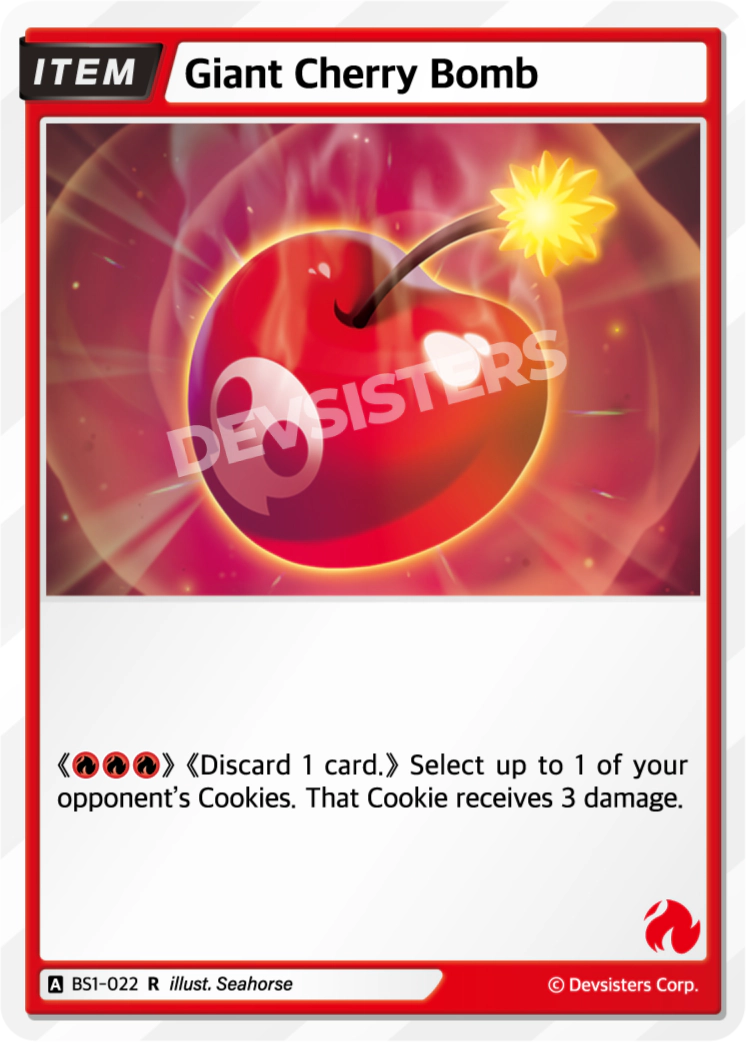
First: removal. The starter's only answer to a problem Cookie is Icky Sticky Jelly (ST1-016), which spends two Red energy to deal 1 damage. Giant Cherry Bomb (BS1-022), a rare from BRAVE BEGINNING, spends three Red and a discard to deal 3 - enough to actually remove things instead of annoying them. This is the card that turns "I hope they do not play anything scary" into a plan. Buy the playset before anything else in this wave.
Second: the lord. Snapdragon Cookie (BS3-006), a super-rare from Age of Heroes and Kingdoms, is a one-energy LV.1 whose Smoldering Courage gives every one of your Red LV.2-or-higher Cookies +1 attack damage while he is in the battle area. A passive pump on a body this cheap scales with every attacker you control at once - no single card in this guide swings more total damage per game. This is the correct place for your first real single-card splurge.
A conditional third: Chili Pepper Cookie (BS7-013), a super-rare from Arena of Glory, gives your Red Arena Cookies of LV.2 or higher +1 effect damage. Read that keyword carefully - she is only worth money if you are actually building the Arena package, in which case start with the best Arena cards guide and treat her as its engine piece. In a generic Red list she is a worse Snapdragon.
Wave three: the chase cards actually worth chasing
Let me be clear before you open a browser tab to a singles store: you do not need this wave to win at your local. Waves one and two produce a genuinely competitive deck. Wave three is for when the deck is finished and you want the last few percent.
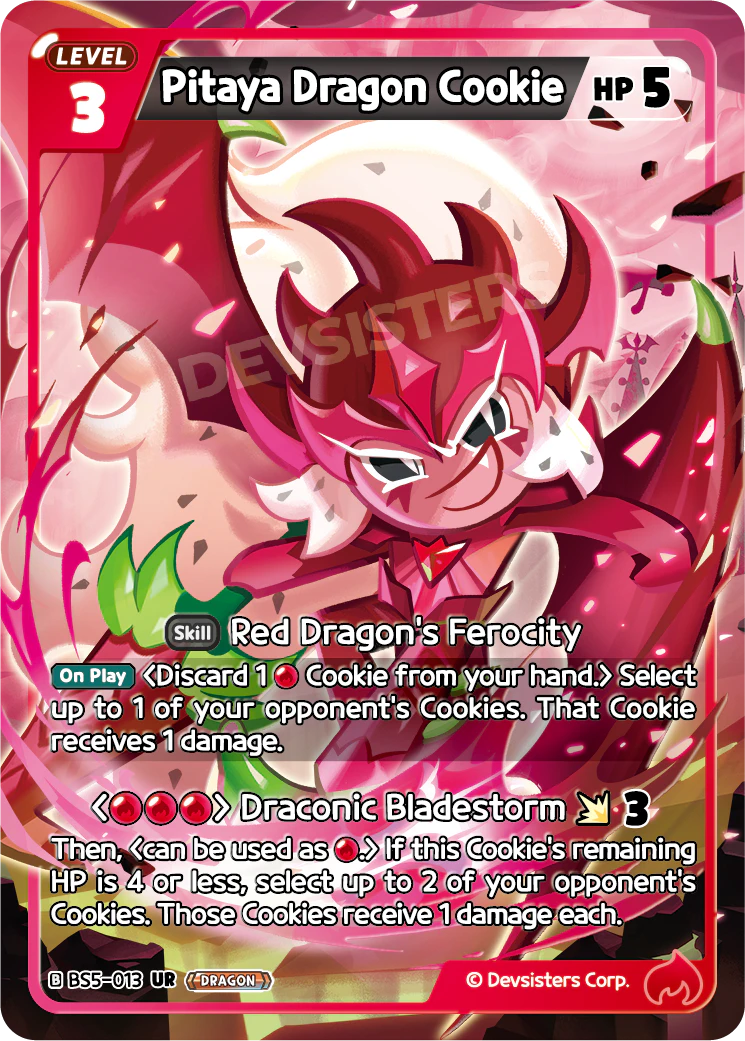
Two ultra-rares are worth the tag. Pitaya Dragon Cookie (BS5-013) from Operation Timeguard does everything this deck wants stapled to one LV.3 body: on play it discards a Red Cookie from your hand to ping something for 1, its attack deals 3 for three Red, and once its remaining HP is 4 or less the same attack can spray two additional opposing Cookies for 1 each. It is a finisher that keeps working after it gets hit, which is exactly when normal finishers stop working.
Hollyberry Cookie (BS3-017) from Age of Heroes and Kingdoms is the defensive mirror: Hollyberry Shield reduces any damage of 3 or more she receives to 2, which breaks the attack math of every big-hitter deck in one line of text, and her three-Red attack deals 3 while pumping another of your Cookies +1 for the turn. She is the reason your opponent's expensive cards suddenly need two turns to do their job.
And until you own either? The starter already gave you a real top end: Espresso Cookie (ST1-009) swings for 3 and quietly becomes a 4-damage attacker once your break area hits LV.6 or higher. He holds the finisher slot embarrassingly well for a card that came in a preconstructed box.
Support slots and what not to cut
The Item and Trap slots get ignored in every upgrade conversation, which is funny, because two of the cheapest strict-or-near-strict improvements in the game live here.
Fiery Jelly Clump (ST1-019) pays one Red for +1 attack damage. Juicy Stamina Jellies (BS9-019), an uncommon, pays two Red for +1 attack damage plus +1 HP on the same Cookie. You pay one more energy and get a whole extra stat - in a deck whose attackers live at low HP, that bonus point of toughness converts directly into extra attacks.
Now the part nobody expects from an upgrade guide: some starter cards should stay. Overhydrated Dough Swamp (ST1-020) is a one-energy Trap that drops an attacking Cookie to -2 attack damage for the turn, and that rate is simply good - comparable Traps from booster sets fight for the same job. Paper Puppet Troupe (BS9-022) is a complement, not a replacement: one Red for -1 attack damage, plus a card drawn if one of your Cookies has an opponent's card as HP. Run both and your opponent gets to guess which one is face down. When you are ready to think harder about these flex slots, the tech cards guide covers the whole category.
Budget upgrade mistakes that waste money
Buying boosters to "finish the deck." Boxes are for collectors and set reviews. You need roughly a dozen specific card numbers; buy them as singles and spend the difference on sleeves.
Paying rarity prices for stats you do not need. An ultra-rare with a big body but no text relevant to your plan is a worse buy than Linzer Cookie at common. Price per problem solved, always.
Splashing a second color too early. Every off-color card taxes the energy that pays for Giant Cherry Bomb and Fateful Cookie Cutter. Get the mono-Red list consistent first - the energy guide shows why two-color mana math punishes exactly the cheap, hungry costs this deck runs on.
Buying one copy of everything. One copy of a card is a story; four copies are a strategy. The 4-copy rule counts card numbers, so a playset of the right common beats singles of four different rares in nearly every deck this shape.
Chasing alternate versions of cards you own. A foil or alternate-art print of the same card number is the same card in every game you will ever play. Buy it because you love it, not because you think it upgrades anything.
Quick Action Checklist
- Play the stock starter about ten games and write down the three ways you actually lose - buy against that list, not the rarity symbol.
- Wave one (commons and uncommons): Capricious Wizard (BS9-013) over Peperoncino, Dark Choco Cookie (BS5-001) over vanilla LV.1s, plus Linzer Cookie (BS9-004), Devil Cookie (BS9-011), and Strawberry Cookie (BS9-003).
- Fix draw before damage: Mint Choco Cookie (BS6-004) - the booster one, check the card number - plus FLIP draw bodies and Fateful Cookie Cutter (BS9-020).
- Wave two: playset of Giant Cherry Bomb (BS1-022) for removal, then Snapdragon Cookie (BS3-006) as your lord; Chili Pepper Cookie (BS7-013) only if you are building Arena.
- Wave three is optional: Pitaya Dragon Cookie (BS5-013) and Hollyberry Cookie (BS3-017) are the only chase buys that meaningfully move the deck.
- Upgrade Fiery Jelly Clump into Juicy Stamina Jellies (BS9-019), but keep Overhydrated Dough Swamp (ST1-020) - part of the starter is already tournament-grade.
- Verify every card and current price yourself before buying - the official database is the source of truth, and the pool shifts each set.
Frequently Asked Questions
What should I upgrade first in a Cookie Run: Braverse starter deck?
Is Capricious Wizard really better than Peperoncino Cookie?
Which expensive Braverse cards are actually worth buying on a budget?
Should I buy booster packs or singles to upgrade my Braverse deck?
Do I need to replace the starter deck Items and Traps?
Keep Reading
Related Guides
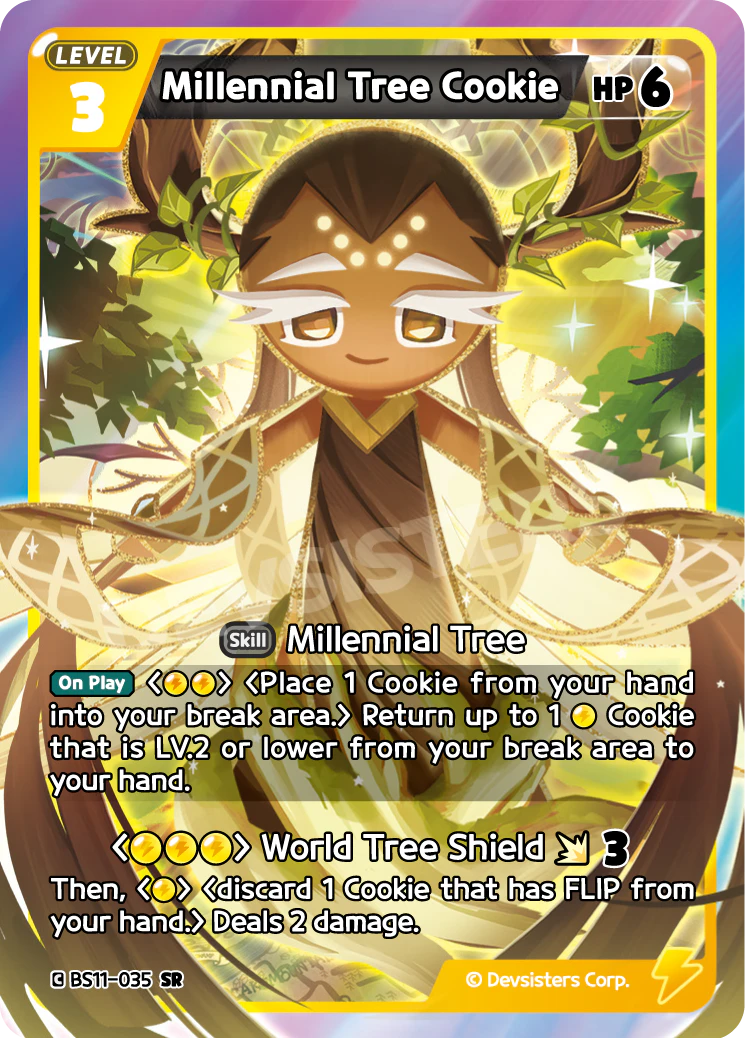
Cookie Run: Braverse Mono-Color Decks: When One Color Wins
Single-color decks aren't the training wheels version of Braverse - they're the only decks that reliably cast the triple-pip payoffs the game is built around. Here's how to pick your color and build the base.

Cookie Run: Braverse Tempo Deck Guide (Build & Pilot Blue Tempo)
Tempo is aggro that learned to play defense. Here's how to build a Blue-Red tempo shell in Cookie Run: Braverse, a real decklist of cards you can buy, and how to keep the clock running while the other deck flails a turn behind.

Cookie Run: Braverse Combo Deck Guide (Build & Pilot Purple Recursion)
Combo in Braverse isn't a one-card instant-kill - it's a Purple value engine that replays Cookies out of your trash until the opponent runs out of answers. Here's the real decklist, the loop, and how to pilot it without bricking.
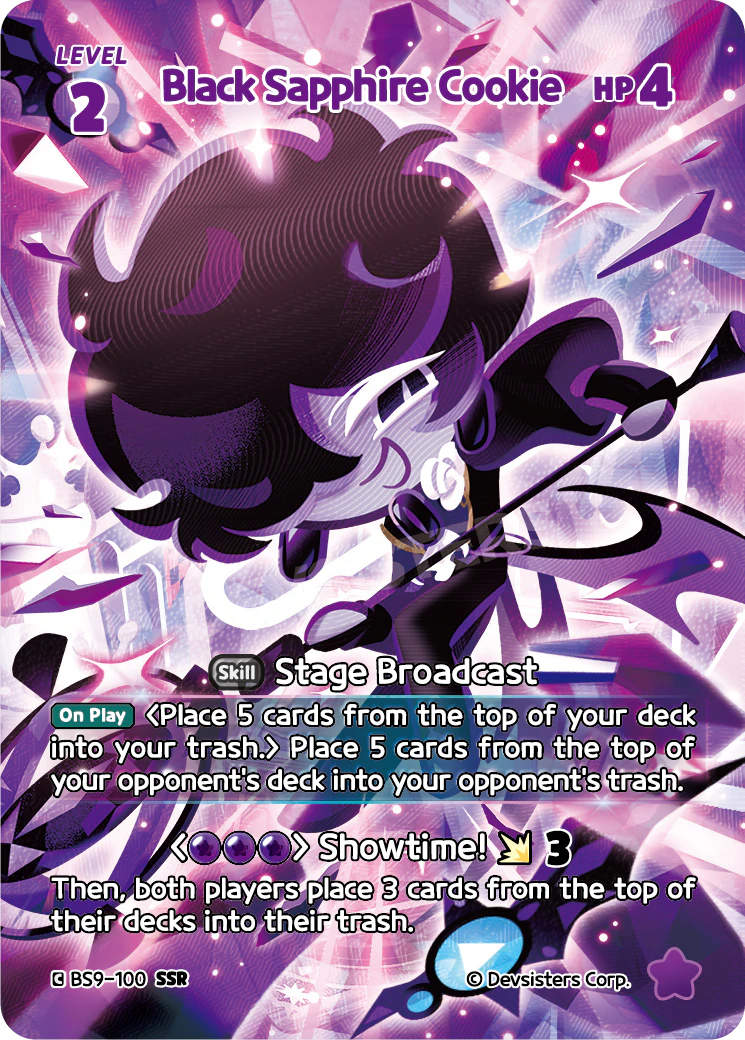
Cookie Run: Braverse Mill Deck Guide (Build & Pilot Purple Deck-Out)
Mill in Braverse won't deck someone to zero for an instant win - the game doesn't work that way. But a Purple deck-out shell weaponizes the opponent's trash, fuels its own payoffs, and starves their Cookie supply. Here's the real list.

How to Play Cookie Run: Braverse - A Complete Beginner Guide
Cookie Run: Braverse is the rare TCG you can teach in a single match. This guide covers everything a first-time player needs: card types, setup, turn structure, how you pay for cards, the FLIP mechanic, and how to win.
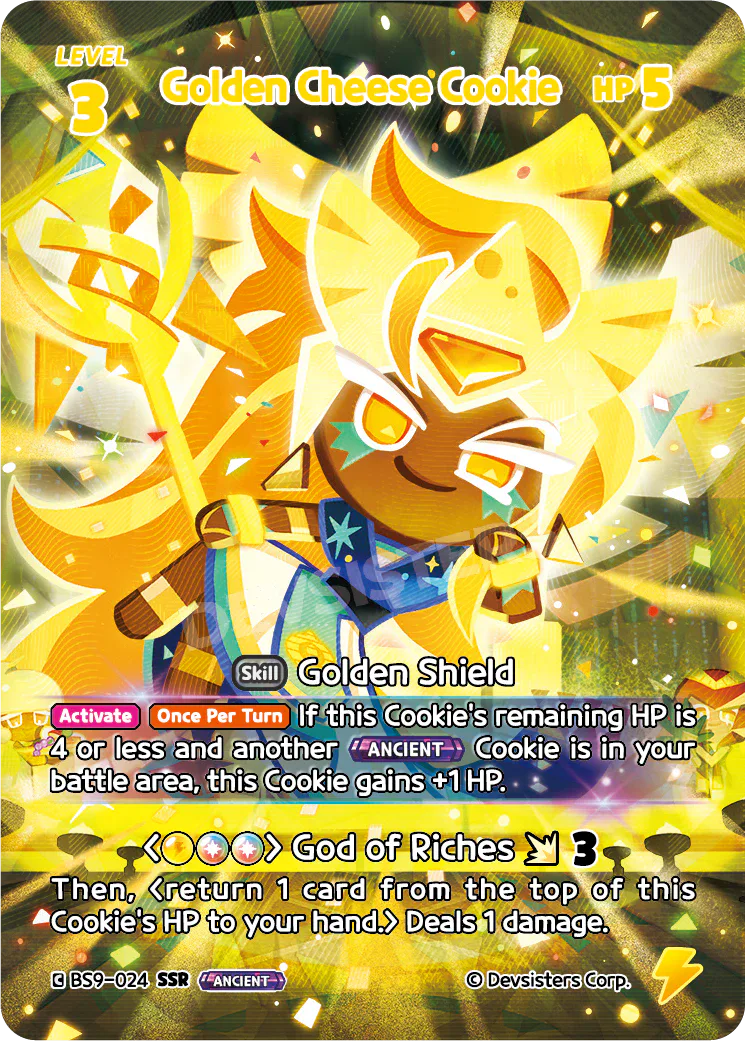
Cookie Run: Braverse Meta Tier List — Best Decks & Archetypes Ranked
Which Cookie Run: Braverse decks are actually carrying right now? Here's a meta tier list of the strongest archetypes - the real cards that anchor each one, why they rank where they do, and what's overrated.