Minecraft Smithing Templates Guide: Armor Trims & Netherite
Smithing templates turned Minecraft's smithing table from a one-trick netherite station into a full armor customization engine. But the 18 armor trims are spread across more than a dozen structures, and some drop rates are brutal, so knowing exactly where to dig saves you weeks.

Every armor trim in Minecraft is purely cosmetic. Zero extra defense, zero durability, zero gameplay effect. And yet chasing them is one of the most satisfying long-game grinds in survival, because the 18 trim templates are scattered across more than a dozen structures — from a shipwreck on the ocean floor to the ominous vault at the bottom of a trial chamber — and putting a full set on your gear is a visible trophy that says you've been everywhere.
The catch is that "cosmetic" and "easy" are not the same thing. The Silence trim from an ancient city sits behind a 1.2% chest chance. This guide breaks down what smithing templates do, where all 18 armor trims drop with their exact loot rates, and how to duplicate a template so a single find lasts forever.
What smithing templates actually are
A smithing template is an item you place in a smithing table to alter gear. There are two completely different jobs they do, and it's worth separating them in your head because people conflate them constantly:
- The netherite upgrade template — required to turn diamond gear into netherite gear. Functional, mandatory, one type.
- The 18 armor trim templates — apply decorative patterns to armor. Purely cosmetic, 18 variants.
Both are consumed the moment you use them at the smithing table. That sounds punishing, but every template can be duplicated with diamonds and a matching block (a breeze rod, for Flow), so you only ever need to find one of each — more on that below. Templates stack to 64.
The whole system arrived in the 1.20 Trails & Tales update, which shipped 16 trims and folded the netherite upgrade into a template. The 1.21 Tricky Trials update added two more — Bolt and Flow — bringing the total to 18, which is still the count in Java Edition 26.3.

The netherite upgrade template
If you've been away since before 1.20, this is the change that trips people up: you can no longer just drop a netherite ingot on diamond gear. You now need the netherite upgrade smithing template in the table alongside the diamond piece and the ingot.
Where it lives is refreshingly specific. The netherite upgrade template is found only in bastion remnants, and while it can appear in various chests there, it is guaranteed (100%) in the treasure room — the walled-off vault guarded by piglin brutes, with a magma cube spawner at the bottom. So the reliable play is to raid a treasure-type bastion, grab the guaranteed template, and duplicate it forever. Our netherite guide covers the ancient debris mining that pairs with this, and the nether fortress and bastion guide explains how to identify a treasure bastion before you commit.
To upgrade: put the netherite upgrade template + any diamond gear + a netherite ingot into the smithing table. Out comes the netherite version, keeping enchantments. Simple once you have the template on tap.
The 18 armor trim templates and where to find them
This is the meat of it. Each trim template has its own home structure and its own drop chance, and the spread is enormous — from a guaranteed drop in a stronghold library chest to roughly one chest in eighty in an ancient city. Here's the full map:
| Trim | Structure | Container | Chance |
|---|---|---|---|
| Sentry | Pillager Outpost | Chest | 25% |
| Vex | Woodland Mansion | Chest | 50% |
| Wild | Jungle Temple | Chest | 33.3% |
| Coast | Shipwreck | Any chest | 16.7% |
| Dune | Desert Pyramid | Chest | 14.3% |
| Ward | Ancient City | Chest | 5% |
| Silence | Ancient City | Chest | 1.2% |
| Snout | Bastion Remnant | Any chest | 8.3% |
| Rib | Nether Fortress | Chest | 6.7% |
| Eye | Stronghold | Library chest / altar chest | 100% / 10% |
| Spire | End City | Chest | 6.7% |
| Tide | Elder Guardian | Mob drop | 20% |
| Wayfinder | Trail Ruins | Rare suspicious gravel | 8.3% |
| Raiser | Trail Ruins | Rare suspicious gravel | 8.3% |
| Shaper | Trail Ruins | Rare suspicious gravel | 8.3% |
| Host | Trail Ruins | Rare suspicious gravel | 8.3% |
| Bolt | Trial Chamber | Vault | 6.25% |
| Flow | Trial Chamber | Ominous vault | Ominous only |
A few of these deserve context beyond the table.
Overworld and underground trims
The easiest trims to grab early are the surface ones. Sentry comes from pillager outpost chests at a friendly 25%, and Vex is a literal coin flip inside a woodland mansion — the best odds of any trim outside a stronghold library, though the mansion itself is a fortress; see the woodland mansion guide. Wild hides in jungle temples, Dune in desert pyramids, and Coast in all three shipwreck chest types (supply, map and treasure), 16.7% in each.
Then it gets grim underground. The Ward trim sits at 5% in ancient city chests, and the Silence trim is the single rarest template in the game at 1.2% from the same structure — you will loot a lot of the deep dark before it appears, so treat it as a long-term goal every time you're down there dodging the Warden (the deep dark and Warden guide keeps you alive while you hunt). The Eye trim is guaranteed in a stronghold library chest and a 10% roll in an altar chest, so you'll often pick it up on the way to the End portal; the stronghold guide covers both rooms.
Nether and End trims
The Nether hands you two. Snout has an 8.3% chance in any bastion remnant chest, not just the treasure room, so you may bump into it on the same raid as your netherite upgrade template. Rib drops from nether fortress chests at 6.7%. Beyond the End portal, Spire waits in end city chests at 6.7%, so a shulker-and-elytra expedition doubles as a trim hunt; the end cities guide has the route.
The oddball here is Tide, which isn't a chest drop at all: an elder guardian drops it at a flat 20%, unaffected by Looting, and it drops even if a player didn't land the kill. Since ocean monuments have three elder guardians each, one cleared monument gives you three solid shots at Tide. The ocean monument guide walks the raid.

The Trails and Tales and Tricky Trials trims
Four trims — Wayfinder, Raiser, Shaper, and Host — come exclusively from suspicious gravel in trail ruins, each at 8.3% per block that uses the ruins' rare loot table (the common-table gravel, which makes up most of it, never drops a trim), which means you have to brush them out block by block with a brush rather than opening a chest. That's a full archaeology loop, so the archaeology guide is basically required reading for this quartet.
The two newest, from the 1.21 update, live in trial chambers. Bolt drops from a regular vault at 6.25%, about one vault in sixteen, while Flow comes only from the ominous vault, the upgraded reward you unlock by triggering an ominous trial with a bad omen. Both demand a lot of trial keys, so the trial chambers guide is where to optimize the grind.
How to apply an armor trim
Applying a trim is a three-ingredient smithing table recipe: an armor trim template + an armor piece + a mineral or crystal. The template sets the pattern (Sentry, Vex, Tide, and so on), and the mineral sets the color. Out comes your trimmed piece, and the template is consumed.
Two rules save headaches. First, a piece of armor can only carry one trim at a time — apply a new template and it overwrites the old pattern entirely, so there's no layering. Second, and this matters for gameplay: trims are purely decorative and change nothing about durability or defense. Even a netherite trim doesn't make armor fireproof — it'll still burn in lava. And gold-trimmed armor won't pacify piglins the way real gold armor does, nor will they pick it up; only actual gold pieces work for that, which the piglin bartering guide leans on.
Trim materials and colors
The color of a trim comes from the material you pair with the template. The mineral options are iron, copper, gold, redstone dust, lapis lazuli, emerald, diamond, nether quartz, amethyst shard, and netherite ingot, with resin brick added as an amber option in current versions. That's ten to eleven palettes per pattern:
- Iron and netherite give you muted grays and near-black for a stealth look.
- Gold, copper, and resin run warm — yellow, orange-brown, amber.
- Emerald (green), lapis (blue), diamond (cyan), amethyst (lilac), redstone (red), and quartz (white) cover the bright end.
One clever detail: if the trim material matches the armor material — say a diamond trim on diamond armor, or netherite on netherite — the game uses a darker palette so the pattern still reads instead of vanishing into same-colored metal. Count every dyed leather shade alongside the trims and the wiki puts the number of possible armor pieces at roughly 3.68 billion, and that tally was worked out with 16 patterns and 10 materials, before Bolt, Flow and resin arrived. If you want a refresher on the underlying gear tiers, the armor guide has the defense numbers that actually matter.
Duplicating a template so you never lose it
Because templates are consumed on use, duplication is non-negotiable — you find one, then print copies forever. The recipe goes in an ordinary crafting table, not the smithing table:7 diamonds + 1 copy of the template + 1 block matching that template (Flow is the one exception, taking a breeze rod instead of a block), which yields 2 templates (your original back, plus a fresh copy).
The "matching block" depends on the template. A quick reference for the common ones:
- Netherite upgrade and Rib — netherrack.
- Sentry, Vex, Coast — cobblestone.
- Wild — mossy cobblestone.
- Dune — sandstone.
- Wayfinder, Raiser, Shaper, Host — terracotta.
- Ward, Silence — cobbled deepslate.
- Tide — prismarine.
- Snout — blackstone.
- Eye — end stone.
- Spire — purpur block.
- Bolt — a block of copper.
- Flow — a breeze rod.
Diamonds are the real cost, but that's exactly why you want a productive diamond and mining setup before you start decorating armor. Duplicate a couple of copies of any template you plan to reuse and you'll never sweat the 1.2% Silence drop again.
Are armor trims worth chasing?
If you're purely a min-maxer, no — trims do nothing for your combat stats, full stop. But that framing misses the point. Armor trims are Minecraft's version of an achievement wall: a reason to revisit structures you'd otherwise never touch again, a visible flex on a server, and a low-stakes goal that keeps a long survival world interesting past the netherite plateau.
The smart approach is opportunistic. Grab the guaranteed netherite upgrade template first because it's functional, then collect trims as you naturally clear structures — Eye on your stronghold run, Snout on your bastion raid, Tide on your monument clear. Save the masochistic one, Silence, for when you've got time to burn. Duplicate everything you like, and let your armor tell the story of where you've been.
Quick Action Checklist
- Understand the split: one netherite upgrade template (functional) versus 18 armor trims (cosmetic).
- Get the netherite upgrade template first — it's guaranteed in a bastion treasure room.
- Upgrade gear with template + diamond piece + netherite ingot at a smithing table.
- Grab the easy trims early: Vex (50%, woodland mansion) and Sentry (25%, pillager outpost).
- Pick up Eye (100% in a library chest, 10% in an altar chest) on your stronghold run and Snout/Rib in the Nether.
- Farm elder guardians for Tide at a flat 20% — three shots per ocean monument.
- Brush trail ruins suspicious gravel for Wayfinder, Raiser, Shaper, and Host (8.3% each from rare-table gravel).
- Save Silence (1.2%, ancient city) as a long-term goal; Bolt (6.25%) comes from regular trial chamber vaults and Flow needs the ominous vault.
- Remember trims are cosmetic only — netherite trim doesn't stop lava, gold trim doesn't fool piglins.
- Apply a trim with template + armor + mineral; a new trim overwrites the old one.
- Match trim material to armor material for a darker palette so the pattern stays visible.
- Duplicate every template with 7 diamonds + a matching block (a breeze rod for Flow) so a single find lasts forever.
Frequently Asked Questions
Where do you find the netherite upgrade smithing template in Minecraft?
What is the rarest armor trim in Minecraft?
How do you duplicate a smithing template?
Do armor trims give extra protection in Minecraft?
How many armor trim templates are there in Minecraft?
Keep Reading
- Smithing Template — Minecraft Wiki
- Armor Trim — Minecraft Wiki
- Smithing Table — Minecraft Wiki
- Java Edition 26.3 vanilla data (misode/mcmeta): chest loot tables (Snout 1 of 12 in all four bastion_* tables, Coast 1 of 6 in all three shipwreck_* tables, Eye 1 of 1 in stronghold_library and 1 of 10 in stronghold_corridor)
- Java Edition 26.3 vanilla data (misode/mcmeta): regular vault reward table, 25% chance to roll the reward_unique pool
- Java Edition 26.3 vanilla data (misode/mcmeta): vault reward_unique pool, Bolt template weight 3 of 12 (6.25% per vault overall)
- Java Edition 26.3 vanilla data (misode/mcmeta): the 18 registered trim patterns
- Java Edition 26.3 vanilla data (misode/mcmeta): trail ruins rare suspicious gravel table, each trim 1 of 12
- Mojang bedrock-samples: Bedrock Edition chest loot tables (same trim weights as Java)
- Bastion Remnant — Minecraft Wiki (treasure room mobs and magma cube spawner)
Related Guides
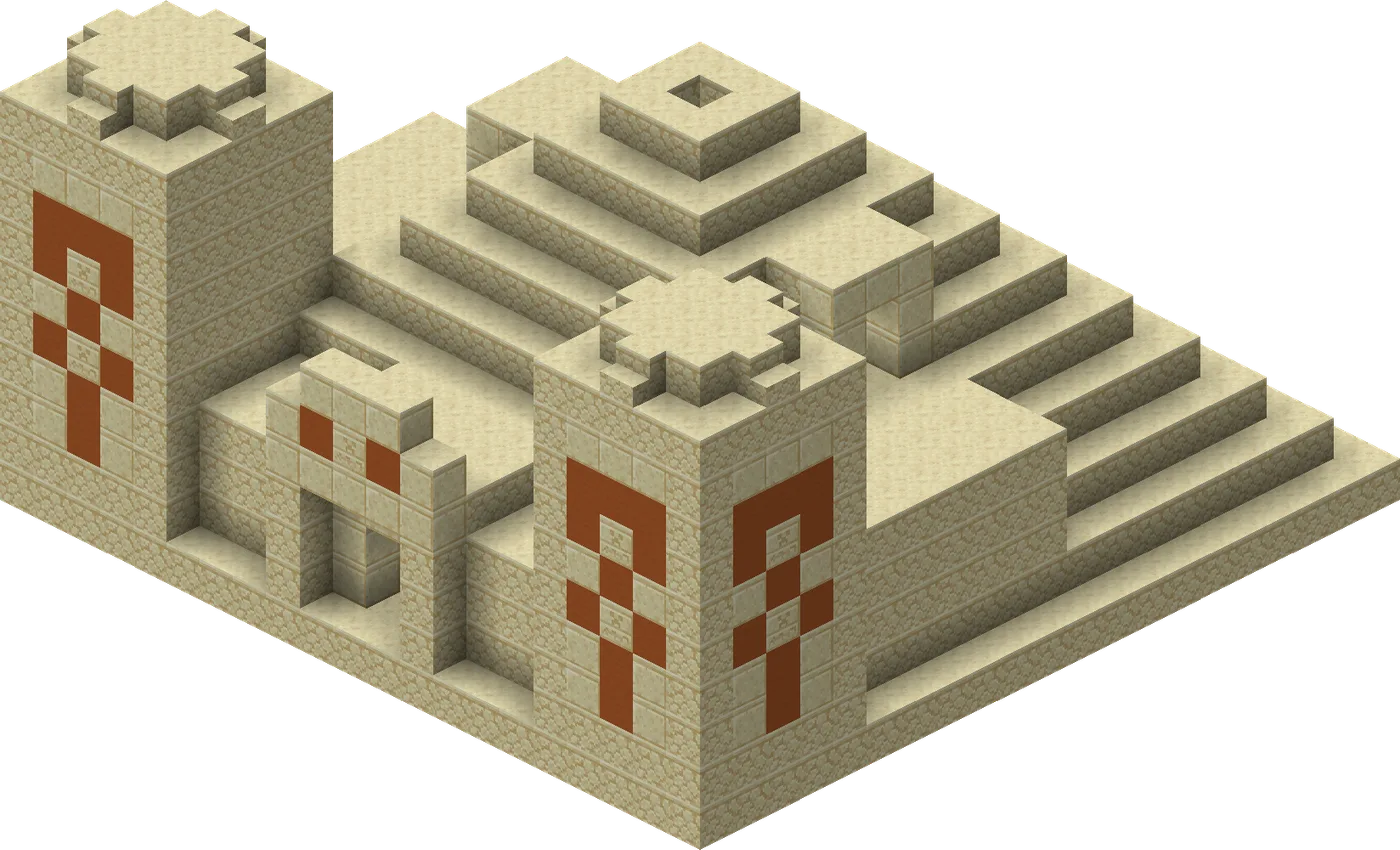
Minecraft Desert and Jungle Temples: Traps and Loot Odds
A desert temple has four chests sitting on nine TNT, and a jungle temple has two chests behind arrow traps and a lever puzzle. Here is how to find each one, get in without blowing up the loot, and what the chests actually hold, with the numbers from the game data.

Minecraft Realms Pro: Price, 50 Players, and Is It Worth It?
Mojang launched Realms Pro on November 9, 2026: a Bedrock-only Realms tier at $29.99 a month (US) that raises the player cap from 10 to 50, puts your world on a non-shared 4-core, 16 GB server and adds sliders, a performance dashboard and live Minecraft Editor access. Here is what it adds over Realms Core and Plus, what it costs per player slot, and who should skip it.
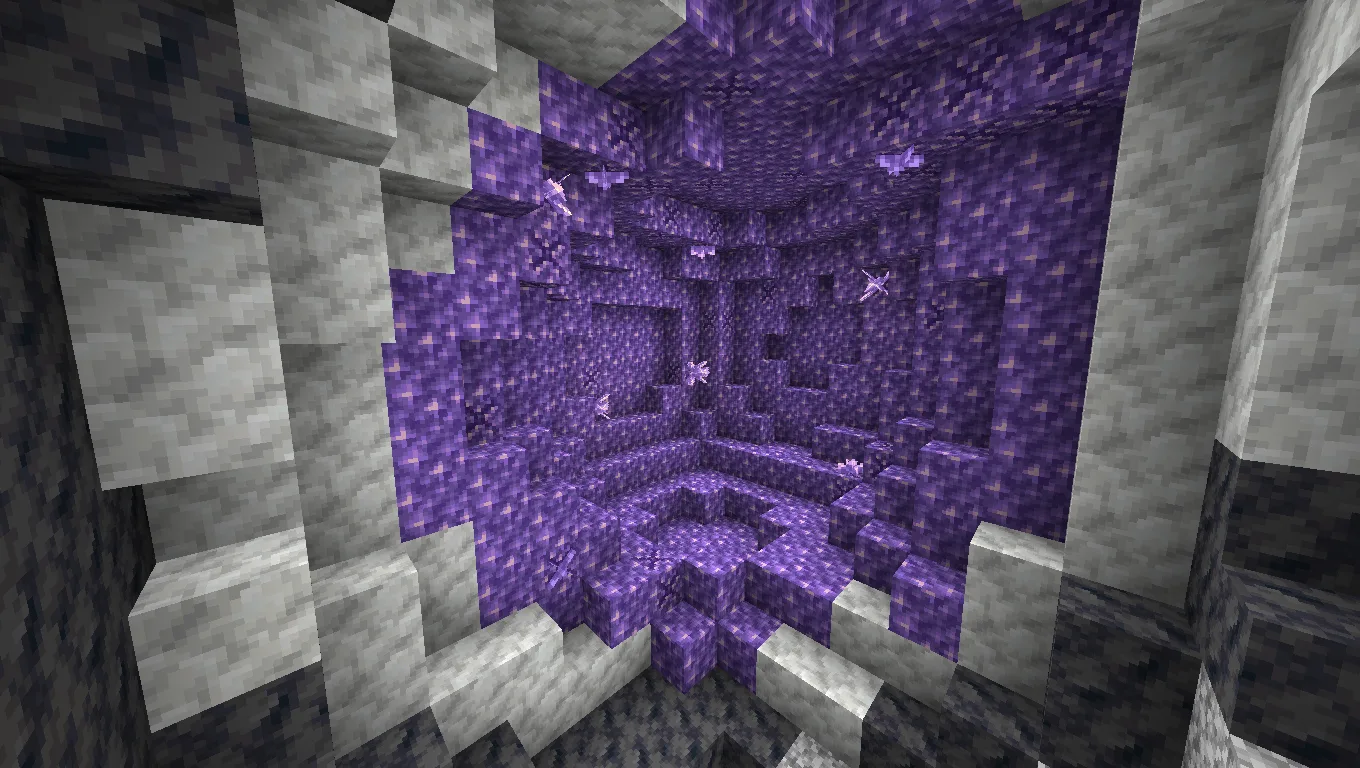
Minecraft Amethyst Geodes: Find, Farm and Use Amethyst
Amethyst geodes are the only renewable source of amethyst shards, and the block that makes them renewable cannot be moved. Here is where geodes generate, how long a cluster takes to grow, what a pickaxe and Fortune do to the drop, and what the shards are actually for.
Minecraft Spawn Point: Beds, Respawn Anchors and World Spawn
You died, clicked Respawn, and landed hundreds of blocks from your base. Here is how a bed, a respawn anchor and the spawnpoint command each set your respawn point, what quietly deletes it, and what to do in the five minutes your items last.
Minecraft Survival Guide for Beginners: Your First Days
You have about ten minutes of daylight before the sun sets and the world tries to kill you. Here is exactly what to do with them — punch a tree, build a tool chain, and get a roof over your head before the zombies arrive.
Best Minecraft Enchantments, Ranked — The Ones Worth Your XP
Mending is the enchantment that ends the grind — gear that repairs itself forever. Everything else is a fight over your XP and anvil uses. Here is what actually earns a slot, ranked, with the real max levels.