Minecraft Sniffer Guide: Eggs, Digging, and Ancient Seeds
The sniffer won the 2022 mob vote and then quietly became the only source of two plants in the game. Here is how to find its egg, hatch it fast, and actually get seeds out of the big lug.
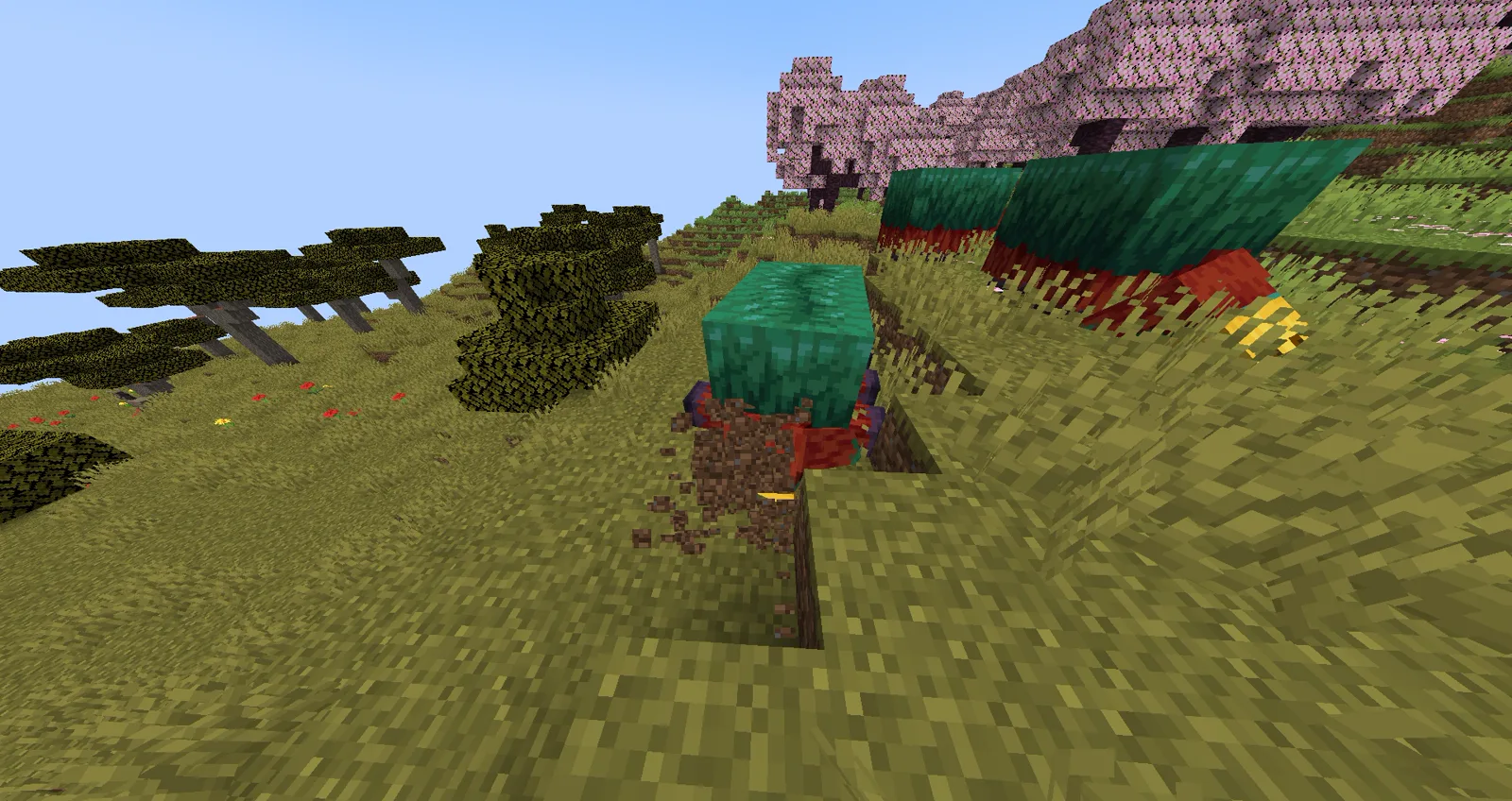
Here is a stat that should be printed on the sniffer's forehead: it is the only renewable source of two entire plants. Torchflowers and pitcher plants do not drop their own seeds when harvested — break a mature torchflower crop and you get the flower, not the seed. Every torchflower in your world traces back to a sniffer pressing its giant nose into the dirt. The 2022 mob vote winner is not just a walking plush toy; it is a piece of agricultural infrastructure with exactly one job.
The catch is that almost everything about the sniffer is slow, and the game explains none of it: where the eggs actually are, why yours is taking twenty minutes to hatch, why your sniffer suddenly stopped digging, and what the seeds are even for. This guide covers the whole pipeline — egg, hatch, dig, farm — with every number checked against the Minecraft Wiki.
What the sniffer actually is
The sniffer is an ancient, extinct mob — the in-game lore is that it died out long before your world began, which is why it never spawns naturally. The only way one exists in your world is you hatching an egg. It was added in 1.20 (Trails and Tales) after winning the Minecraft Live 2022 mob vote against the rascal and the tuff golem, and it is enormous: adults stand about 1.75 blocks tall and 1.9 blocks wide, a six-legged wall of red and green feathers.

Despite the warden-class bulk, it is completely passive and surprisingly fragile at 14 HP (7 hearts). It cannot be attacked into retaliating, cannot be ridden, and drops nothing but 1-3 XP if killed — there is zero reason to hurt one, and every reason to build it a paddock.
Finding your first sniffer egg
Sniffer eggs come from exactly one natural source: suspicious sand in warm ocean ruins, excavated with a brush. Not cold ruins, not trail ruins, not desert temples — the sandy ruin clusters in warm ocean biomes. That means your shopping list is a brush (feather + copper ingot + stick) and a trip to a lukewarm-or-warmer ocean; the archaeology guide covers brushing mechanics and how to spot suspicious sand's slightly rougher texture, and the biomes guide helps you identify warm oceans by their coral.
Practical notes from doing this more times than I care to admit:
- Suspicious sand is fragile — it breaks and drops nothing if you mine it, push it, or let it fall. Brush only.
- Underwater excavation is miserable without help. Bring Water Breathing potions from the brewing guide, or set up a conduit if you are clearing a whole ruin field.
- The egg is one of several possible finds in warm-ruin suspicious sand, so expect to brush multiple blocks. Ruins generate in clusters — sweep the whole site.
- Once you have one egg you technically never need another; two hatched sniffers breed more eggs. Grab two if the ocean is generous, because a pair saves you forty minutes of growing time later.
The egg itself is refreshingly forgiving: it mines instantly by hand, always drops itself (no Silk Touch needed), stacks to 64, and can even float in midair when placed.
Hatching: the moss block trick
A placed sniffer egg cracks twice, then hatches. The timing is the part everyone gets wrong:
- On a moss block: about 10 minutes.
- On anything else: about 20 minutes — exactly twice as long.
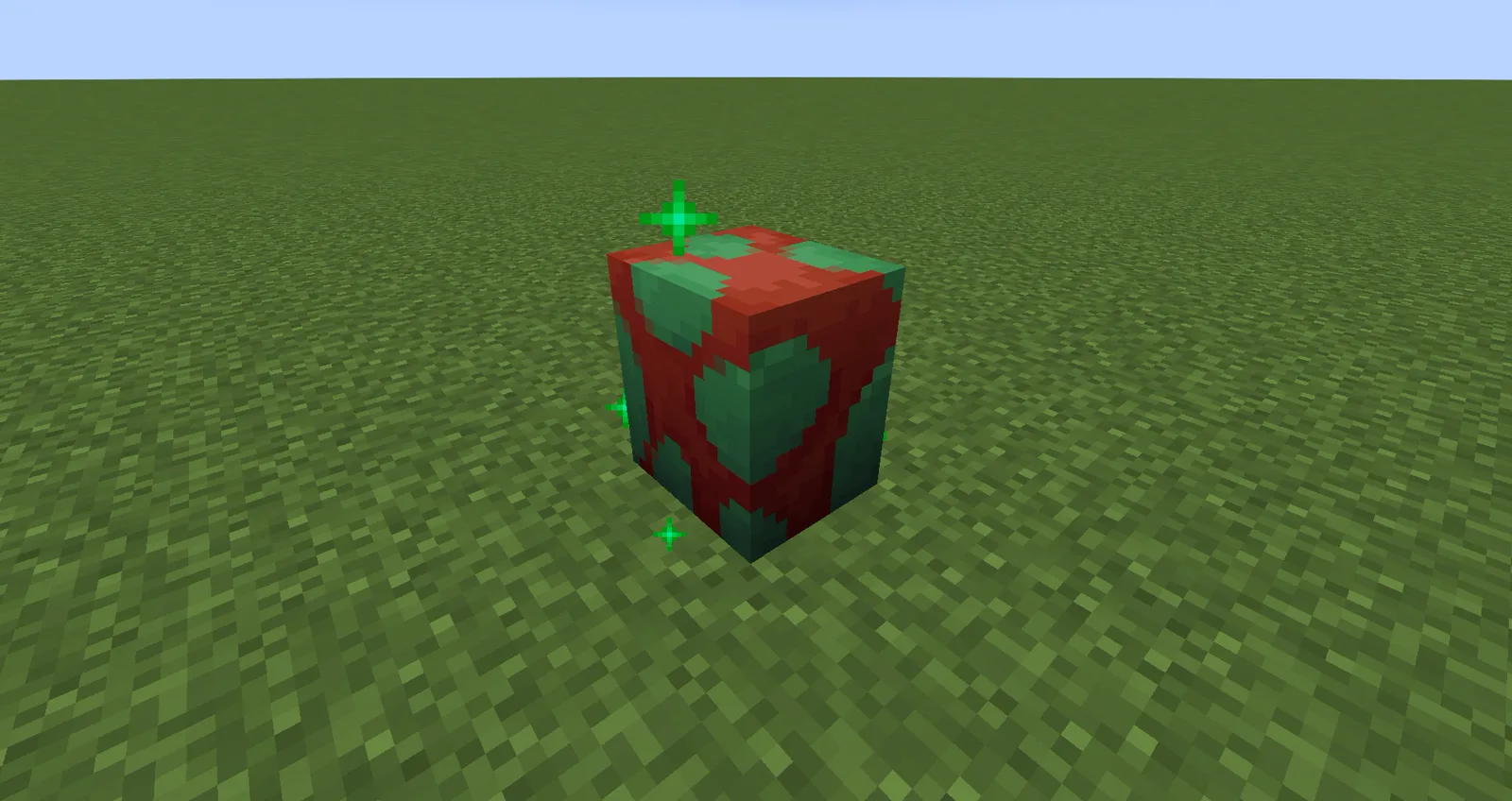
That is not a rounding error, it is a designed mechanic, and it is the single best reason to keep moss in your inventory. If you do not have any, the lush caves guide covers where moss generates and how one block plus bone meal becomes infinite moss. Hatch speed is also not affected by random tick speed — the egg runs its own timer, so there is no cheesing it.
One more quirk: sniffer eggs are dropped as items when breeding (like chicken eggs), not placed into the world like turtle eggs. You place them yourself, which means you choose the hatchery — and the hatchery should be moss.
Snifflets: the slowest babies in the game
The baby sniffer is officially called a snifflet, and it takes 40 minutes (48,000 ticks — two full in-game days) to grow up. That is double the usual 20-minute baby timer, the longest natural growth time of any breedable mob. You can speed it up: each torchflower seed fed to a snifflet cuts the remaining growth time by 10%.
Two behavioral warnings: snifflets do not follow their parents like other baby mobs, so they will happily wander off a cliff while the adults graze; and they cannot dig for anything until grown. Wall the nursery.
How sniffing and digging actually work
An adult sniffer alternates between wandering, sniffing the air, and — when it locks onto a buried seed — splooting flat and digging with its nose. The mechanics under the hood are specific, and they explain every "my sniffer stopped working" complaint:
- Sniffers can only dig 8 block types: dirt, grass blocks, podzol, coarse dirt, rooted dirt, moss blocks, mud, and muddy mangrove roots. Mycelium is deliberately excluded — a mushroom island sniffer ranch produces nothing.
- The sniffer digs at the block under its head, which sits about 2.25 blocks in front of its body center. It needs to reach that spot, so cramped one-block channels stall it.
- It remembers the last 20 places it dug and refuses to reuse them. A tiny pen goes barren fast.
- After a successful dig it does a happy head-shake and starts an 8-minute cooldown before it will dig again.
- It will not dig while in water, riding a boat or minecart, or otherwise occupied.
Each dig produces one of exactly two items: torchflower seeds or a pitcher pod. No sculk-sensor RNG, no rare table — two possible outputs, both exclusive to the sniffer.
Torchflower seeds and pitcher pods
Both finds are crops, and both share a quirk that makes the sniffer permanently relevant: the mature crop does not return its seed. Every planting consumes a seed that only a sniffer can replace.
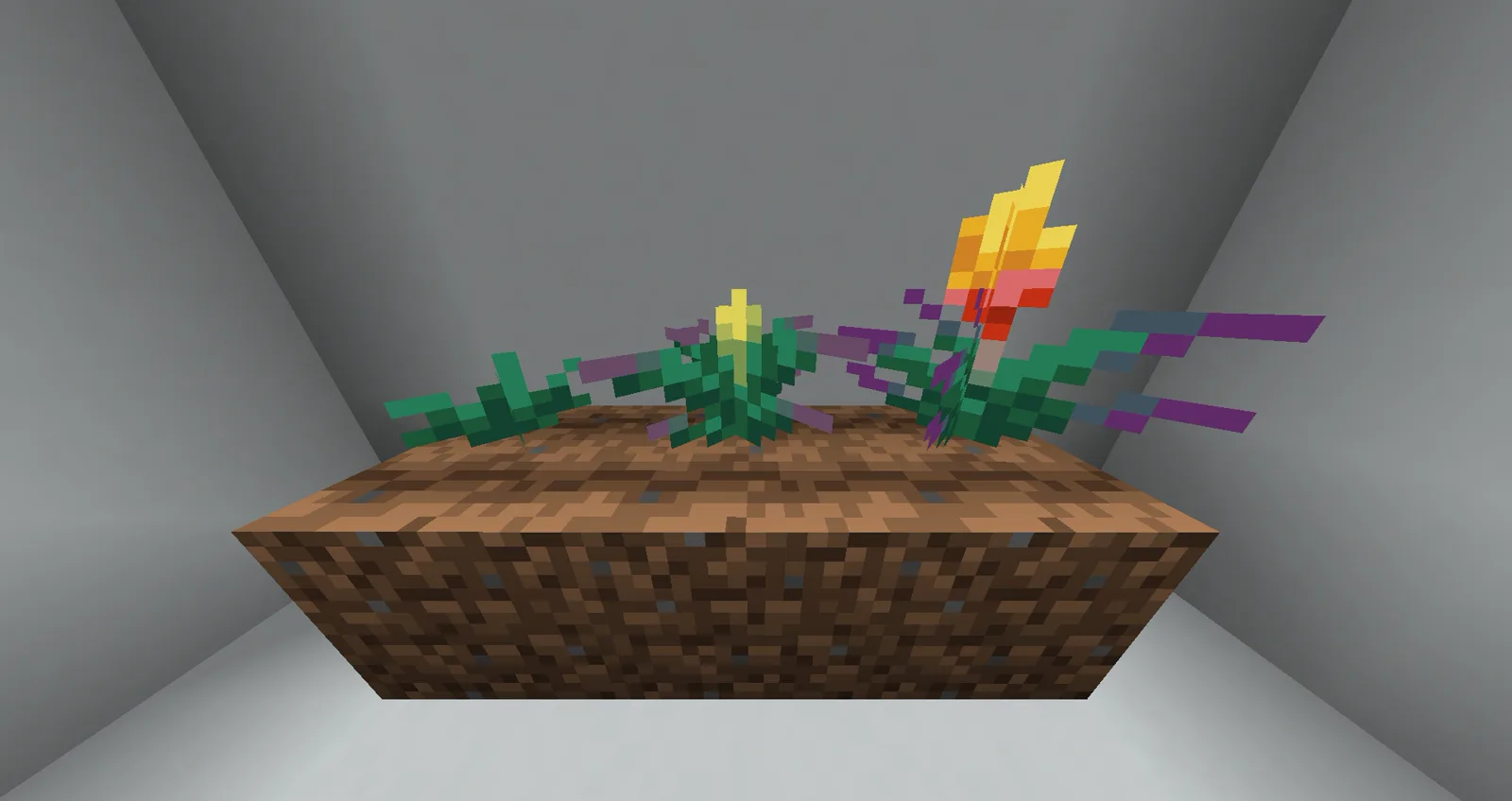
Torchflowers
Torchflower seeds go on farmland and grow through three stages into a torchflower. Break the mature crop and you get the flower — usable as decoration, in a flower pot, or crafted into 1 orange dye. Breaking the crop early refunds the seed, so harvest timing actually matters. Beyond farming, torchflower seeds breed chickens, tame parrots, compost at 30%, and — most importantly — breed and heal sniffers (2 HP per seed). Farmer villagers will plant torchflower seeds but never harvest them, which is a genuinely funny piece of villager AI.
Pitcher plants
Pitcher pods grow on farmland into the pitcher plant, a dramatic two-block-tall blue-green trumpet that crafts into 2 cyan dye. Same rules: break early for the pod back, break mature for the plant and no pod. Pitcher pods also breed chickens and tame parrots on Bedrock. Neither plant is food for players — these are decoration and dye crops, full stop.
Breeding sniffers for more eggs
Feed torchflower seeds to two adult sniffers and, instead of a baby appearing, one of them lays a sniffer egg that drops as an item — the only breedable mob in the game that works this way. Breeding grants 1-7 XP, and the parents go on a 5-minute cooldown before they can breed again.
This creates a tidy loop: sniffers dig up torchflower seeds, seeds breed more sniffers, more sniffers dig more seeds. Two eggs from one ocean ruin bootstrap an infinite population. General breeding mechanics (love mode, cooldowns, baby growth) work as described in the taming and breeding guide — the egg-drop step is the sniffer's one exception.
Building a sniffer pen that actually produces
Because of the 20-location memory and the 8-minute cooldown, sniffer output is entirely a function of pen design. What works:
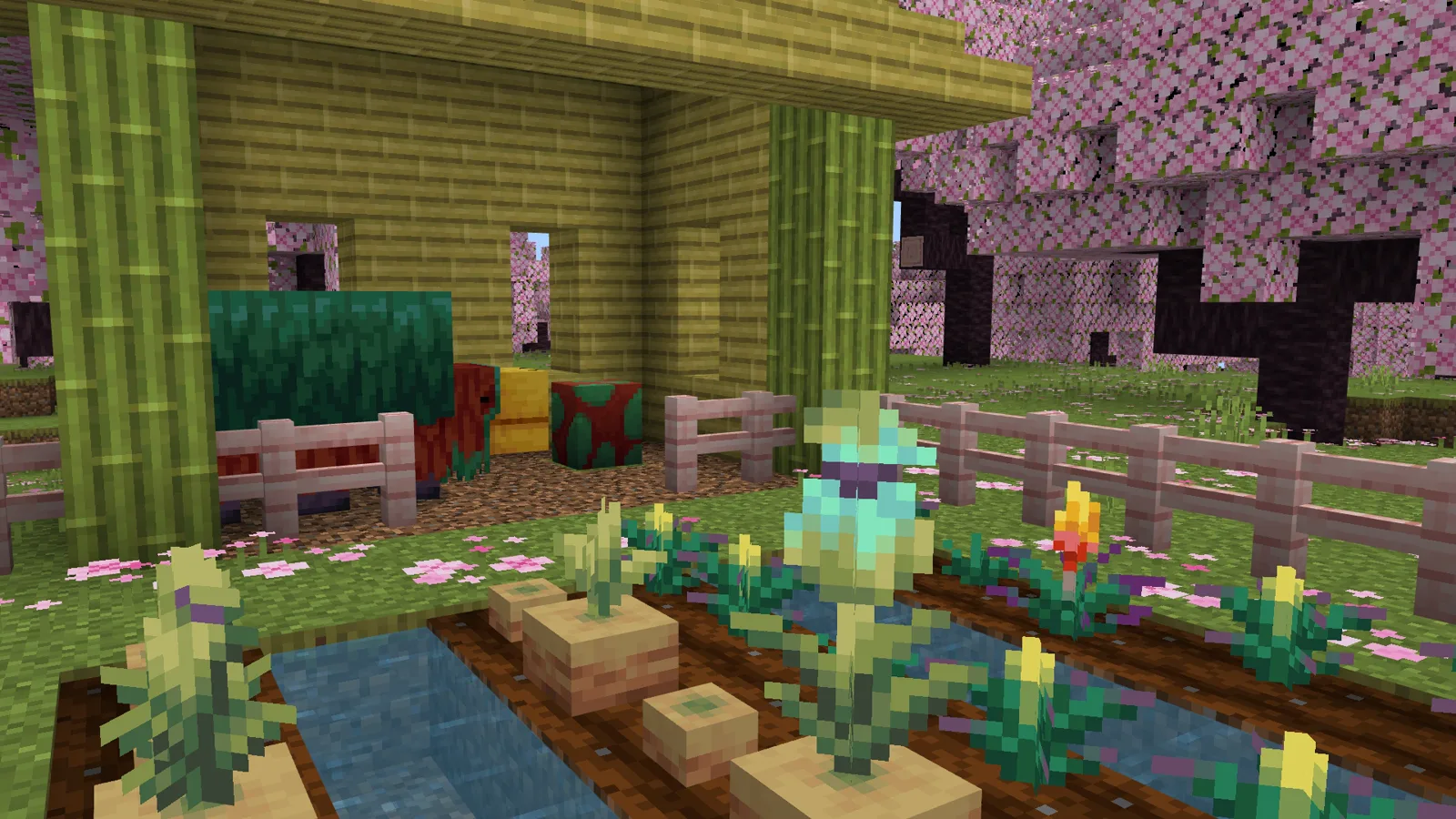
- Go big and flat. A pen of at least 20x20 diggable surface per sniffer keeps fresh blocks in range despite the 20-spot memory. Bigger is better; cute little 5x5 pens choke within an hour.
- Use cheap diggable blocks. Plain dirt or grass is fine — there is no yield difference between block types, so save your moss for the hatchery.
- Fence it properly. Sniffers are 1.9 blocks wide and pathfind badly on one-block ledges; a two-block-wide gate and flat terrain prevent the big lug from stranding itself.
- Keep water out of the floor. Sniffers refuse to dig in water, and pond edges eat into your effective area.
- Run multiple sniffers. Cooldowns are per-sniffer, so four sniffers quadruple seed income in the same (larger) pen.
- Expect honest numbers. One sniffer averages at best one dig per 8+ minutes, and not every dig is the seed you want. This is a background farm — check it between projects, not a machine you stand and watch.
Sniffer tips most players miss
- Hold torchflower seeds to lead them. Sniffers and snifflets follow a player holding seeds, and they can be leashed — that is how you walk one home from the beach.
- Moss doubles as pen and hatchery. Moss blocks are diggable AND halve egg hatch time, so a moss corner serves both jobs.
- Feed seeds back to snifflets. Each seed shaves 10% off the remaining 40-minute growth timer; a handful of seeds turns a snifflet into a worker in minutes.
- Sniffers can ride minecarts. Comically, they fit — a rail line beats walking one across a continent.
- Eggs are portable insurance. Eggs stack to 64 and place anywhere (even floating), so carry spares; a killed sniffer is a 40-minute setback, an egg is 10 minutes on moss.
- They dig up seeds, not blocks. Digging does not consume or convert the ground block, so the pen never degrades — the same dirt yields forever.
Quick Action Checklist
- Craft a brush (feather + copper ingot + stick) and find a warm ocean ruin
- Brush suspicious sand until you have 1-2 sniffer eggs (never mine it)
- Place eggs on moss blocks: about 10 minutes to hatch instead of 20
- Feed snifflets torchflower seeds to cut the 40-minute growth timer by 10% per seed
- Build a 20x20+ flat pen of dirt or grass per sniffer, fenced, no water
- Collect torchflower seeds and pitcher pods after each dig (8-minute cooldown per sniffer)
- Plant on farmland; break mature crops for torchflowers (1 orange dye) and pitcher plants (2 cyan dye)
- Breed two adults with torchflower seeds for another egg every 5 minutes
- Remember: harvested crops never return seeds — the sniffers are the farm
Frequently Asked Questions
How do you get a sniffer in Minecraft?
How do you hatch a sniffer egg faster?
What do sniffers dig up?
What are torchflowers and pitcher plants used for?
How do you breed sniffers?
Keep Reading
Related Guides

Minecraft Happy Ghast Guide: Dried Ghasts, Harnesses, Flight
The happy ghast is the first flying mount in Minecraft that carries passengers, hauls a horse on a lead, and doubles as a solid block you can build off. Here is the whole pipeline, with the Java and Bedrock numbers that actually differ.

Minecraft Name Tags Guide: How to Get, Use & Secret Names
A name tag is the cheapest insurance policy in Minecraft: name almost any mob and it will never despawn, no matter how far you roam. The exceptions are wandering traders, which still leave, and most hostile mobs on Peaceful. Since Java 26.1 and Bedrock 26.10 you can craft one from a scrap of paper and a metal nugget, so there's no excuse for losing a zombie villager before you can cure it anymore. This guide covers every way to get one, the anvil step you can't skip, and the hidden names that flip mobs upside down.
Minecraft Wandering Trader Guide: Trades, Spawns and Llamas
Every wandering trader shows 9 offers drawn from a pool of 100 that is the same on Java 26.3 and Bedrock 26.50. Here is the full price list from the game's own trade files, the odds of seeing the offer you want, what the trader buys from you, how long one takes to spawn, and why a name tag will not keep it.

Minecraft on Switch 2: Free Upgrade, Price and Minecoins
Digital owners of Minecraft for Nintendo Switch get the native Switch 2 version free in most regions until January 31, 2027. Cartridge owners have been offered nothing so far. Here are the editions, the US prices, what the native version changes, and the Minecoins change that lands on the same day.

Minecraft Survival Guide for Beginners: Your First Days
You have about ten minutes of daylight before the sun sets and the world tries to kill you. Here is exactly what to do with them — punch a tree, build a tool chain, and get a roof over your head before the zombies arrive.

Best Minecraft Enchantments, Ranked — The Ones Worth Your XP
Mending is the enchantment that ends the grind — gear that repairs itself forever. Everything else is a fight over your XP and anvil uses. Here is what actually earns a slot, ranked, with the real max levels.