Pokémon Trading Card Game: Game Guides
How-to walkthroughs, mechanics, modes, maps, settings, and systems.
September 2026
3 posts
Pokémon TCG Bench Rules: Can You Attack the Bench?
The Bench looks like a safe zone. It is not. The 2026 Web Rulebook gives each player five Bench slots and says only the Active Pokémon can attack — but 90 card names in the Standard-legal pool have an attack that reaches past it, Weakness and Resistance are switched off when they land, and the format's blanket Bench immunity has a hole in it big enough for five specific cards to walk through.
Pokémon TCG Pocket Rules vs the Pokémon TCG, Explained
Pokémon TCG Pocket looks like the Pokémon TCG and uses the same cards, but it is not the same game with a phone screen bolted on. Half the deck is gone, Energy cards do not exist, mulligans cannot happen, and the player who goes first gets the opposite restriction from the paper game. Here are the confirmed core rule differences Pocket made, sourced against Bulbapedia's maintained differences list and The Pokémon Company's own deck-building guide.
Pokémon TCG Prize Cards Explained: 1, 2, and 3-Prizers
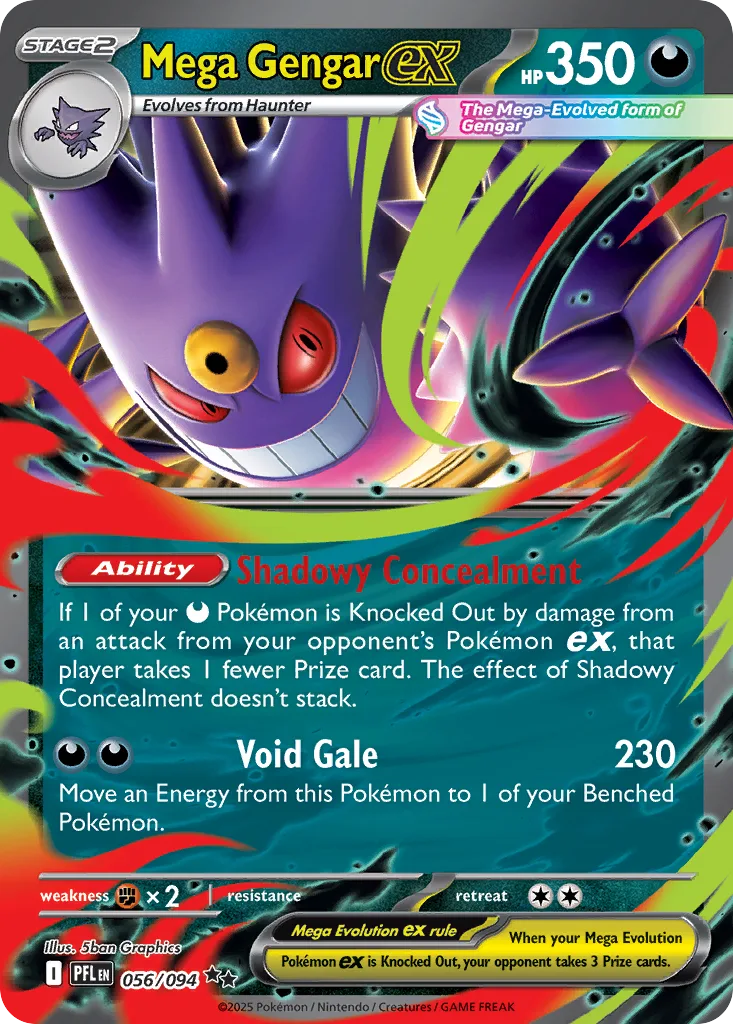
The Prize count is the only score the Pokémon TCG keeps. Here is what each Pokémon actually costs you when it goes down — one, two or three — measured across all 2,947 Standard-legal printings, plus the 44 Standard-legal card names whose text reads the Prize count or changes what a Knock Out pays.
August 2026
7 posts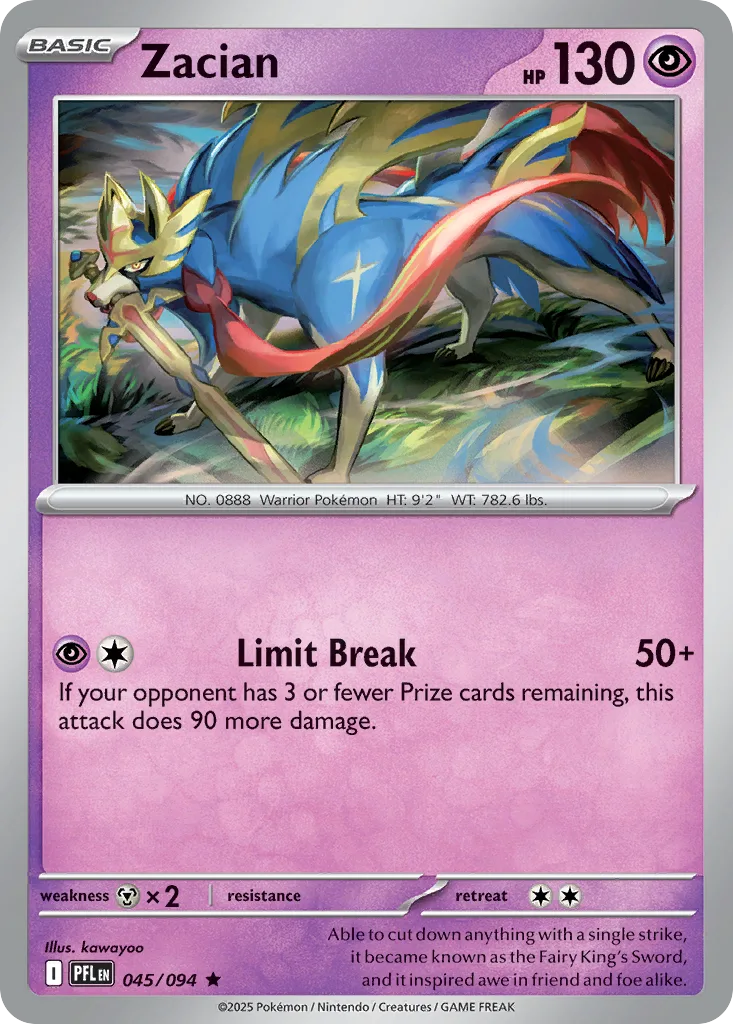
Pokémon TCG Prerelease: Build & Battle Box, 40-Card Decks
A Prerelease is the one Pokémon TCG event where the entry fee is the deck. It is also a different game to the one on the Championship Series circuit: 40 cards, no copy limit, four Prize cards. Here is what the Tournament Handbook and the Play! Pokémon organizer guide actually say about Limited play, and what the maths does when you cut two Prizes out of the game.
Pokémon TCG Formats Explained: Standard, Expanded, Unlimited
Play! Pokémon sanctions three Constructed formats, and Standard is the one the circuit runs on. Here is what the other two actually are: the Expanded card pool the Tournament Handbook enumerates set by set, the 27-card ban list that trims it, the Unlimited format with no bans at all, and the awkward truth about where you can still sit down and play any of it.
Pokémon TCG Tournament Rules: Deck Lists, the Clock, and Penalties
The rules that decide your first League Cup are not in the rulebook. They are in three separate Play! Pokémon documents, revised on a quarterly cycle, and they cover sleeve colour, how a die has to be numbered, what happens to your match when the clock hits zero, and the two penalties that exist in the Pokémon TCG and nowhere else in the program.
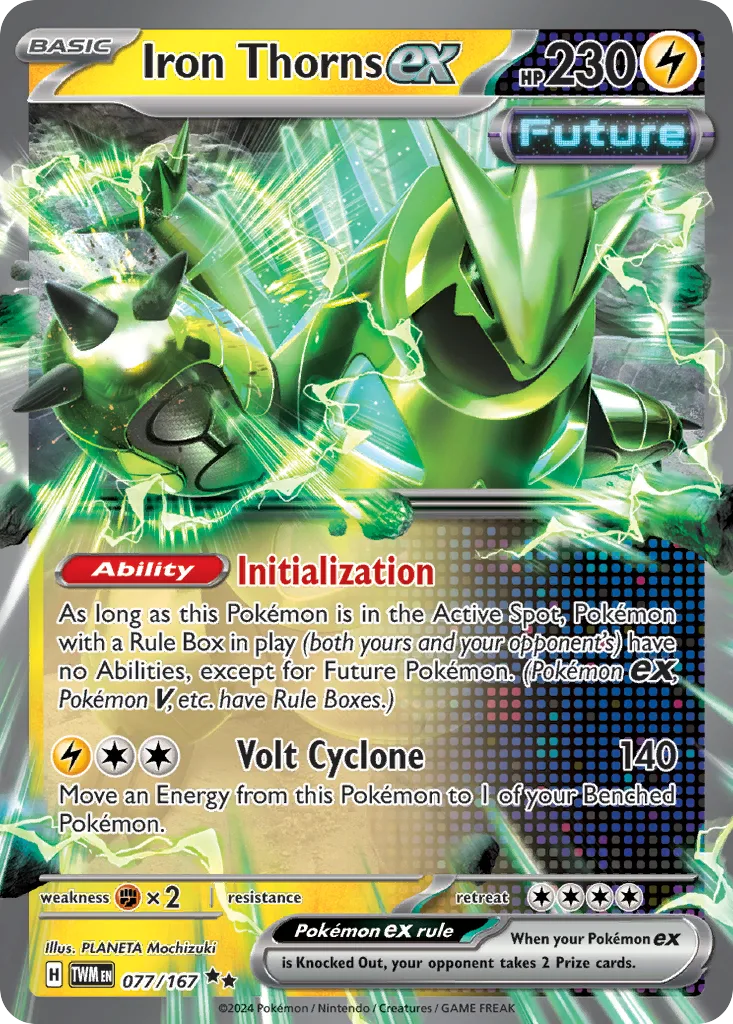
Pokémon TCG Abilities Explained: Triggers, Ability Lock, and Damage Math
An Ability is not an attack, and almost every rules argument about Abilities comes from someone forgetting that one line. Here is what the 2026 Web Rulebook says about when Abilities fire, where they work from, why a Paralyzed Pokémon still uses them, and what the parenthetical at the end of a damage-reduction Ability is really telling you.
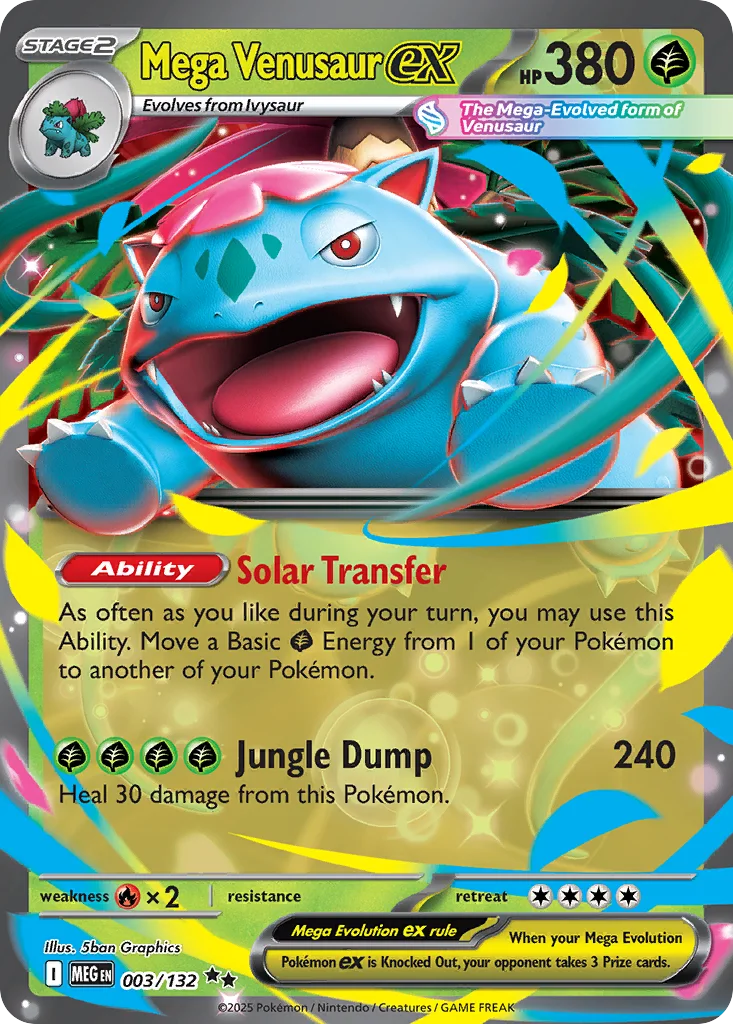
Pokémon TCG Evolution Explained: Stages, Rare Candy, Mega
Evolving looks like the simplest action in the Pokémon TCG until you count the restrictions — there are three, plus two more that get treated as restrictions and are not. Here is what the rulebook actually says about stages, timing, and what survives an evolution, plus how the 2025-26 Mega Evolution era quietly rewrote the whole mechanic for the second time.
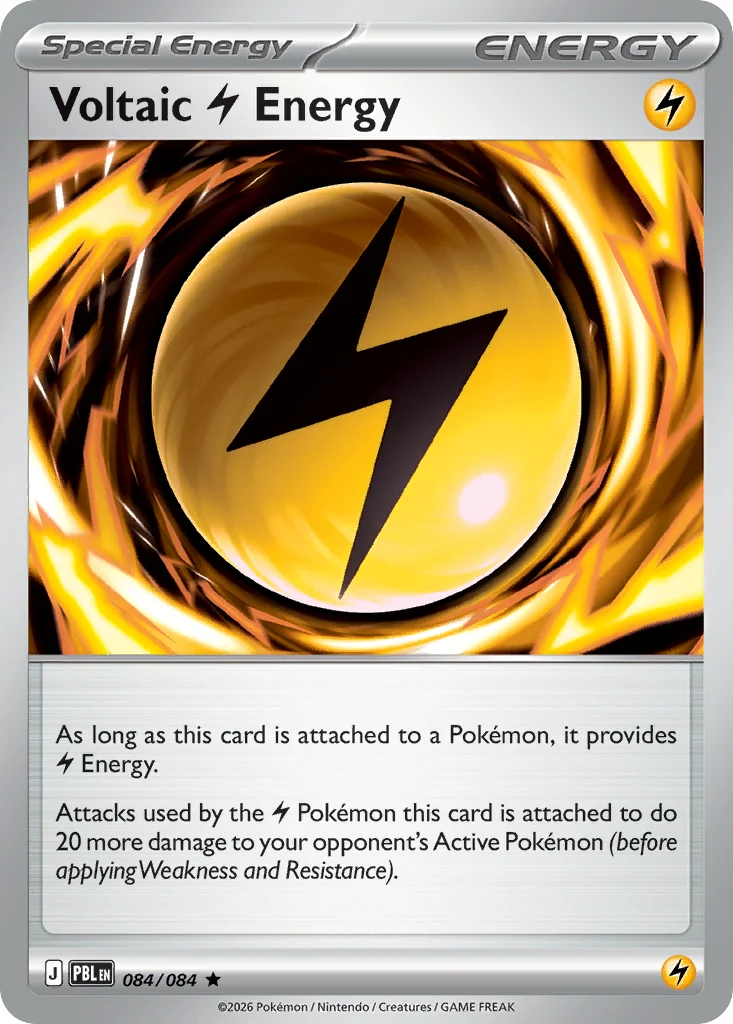
Pokémon TCG Energy Explained: Basic vs Special, Attack Costs, and the One-Per-Turn Rule
Attacking never spends your Energy. Retreating does. There are exactly nine basic Energy cards in the game's history and two Pokemon types that never got one. Here is how Energy actually works, straight from the rulebook and the card database — attack costs, the one-per-turn attachment rule, every legal way around it, and why Special Energy is a target painted on your attacker.
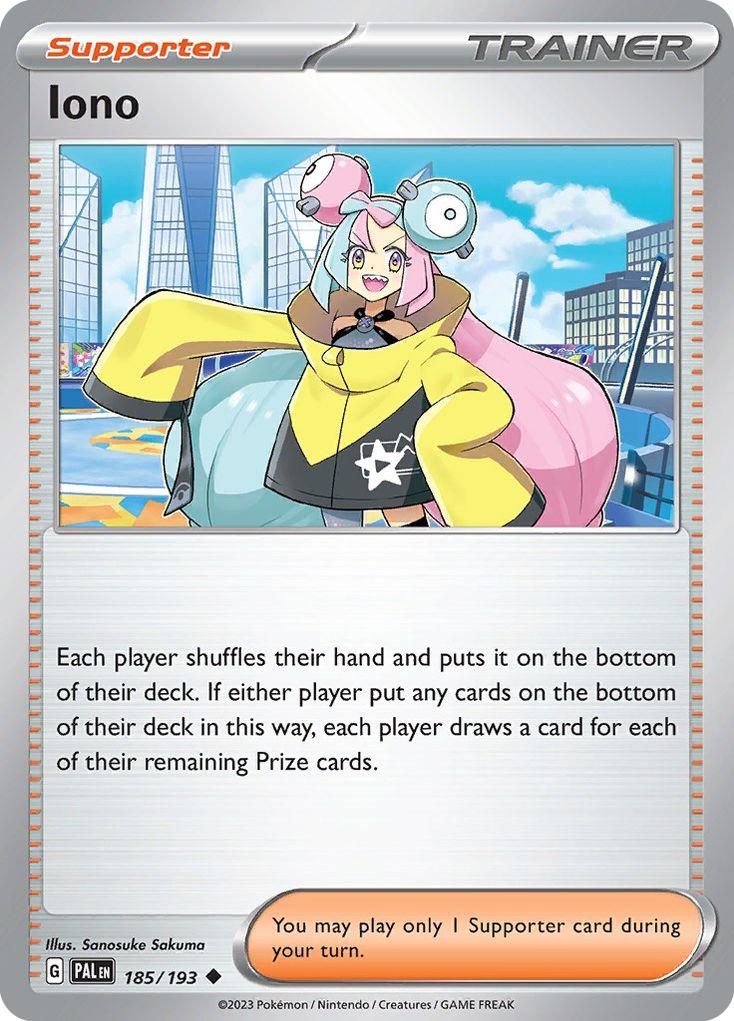
Pokémon TCG Trainer Cards Explained: Item, Supporter, Stadium, Tool, and ACE SPEC Rules
You can play seven Items in a turn and nobody blinks, but a second Supporter gets you stopped mid-motion. Every Trainer subtype carries its own play rule, printed right on the card, and the differences decide how modern decks are built. Here is what the official rulebook actually says about Items, Supporters, Stadiums, Pokémon Tools, and the one-per-deck ACE SPEC rule.