Fortnite OG Mode Guide: The Chapter 1 Mode Explained
Fortnite OG isn't a nostalgia weekend anymore — it's a permanent mode running Chapter 1 back season by season, with its own map, loot pool, ranked ladder, and pass. Here's how it actually plays and how to win in it.
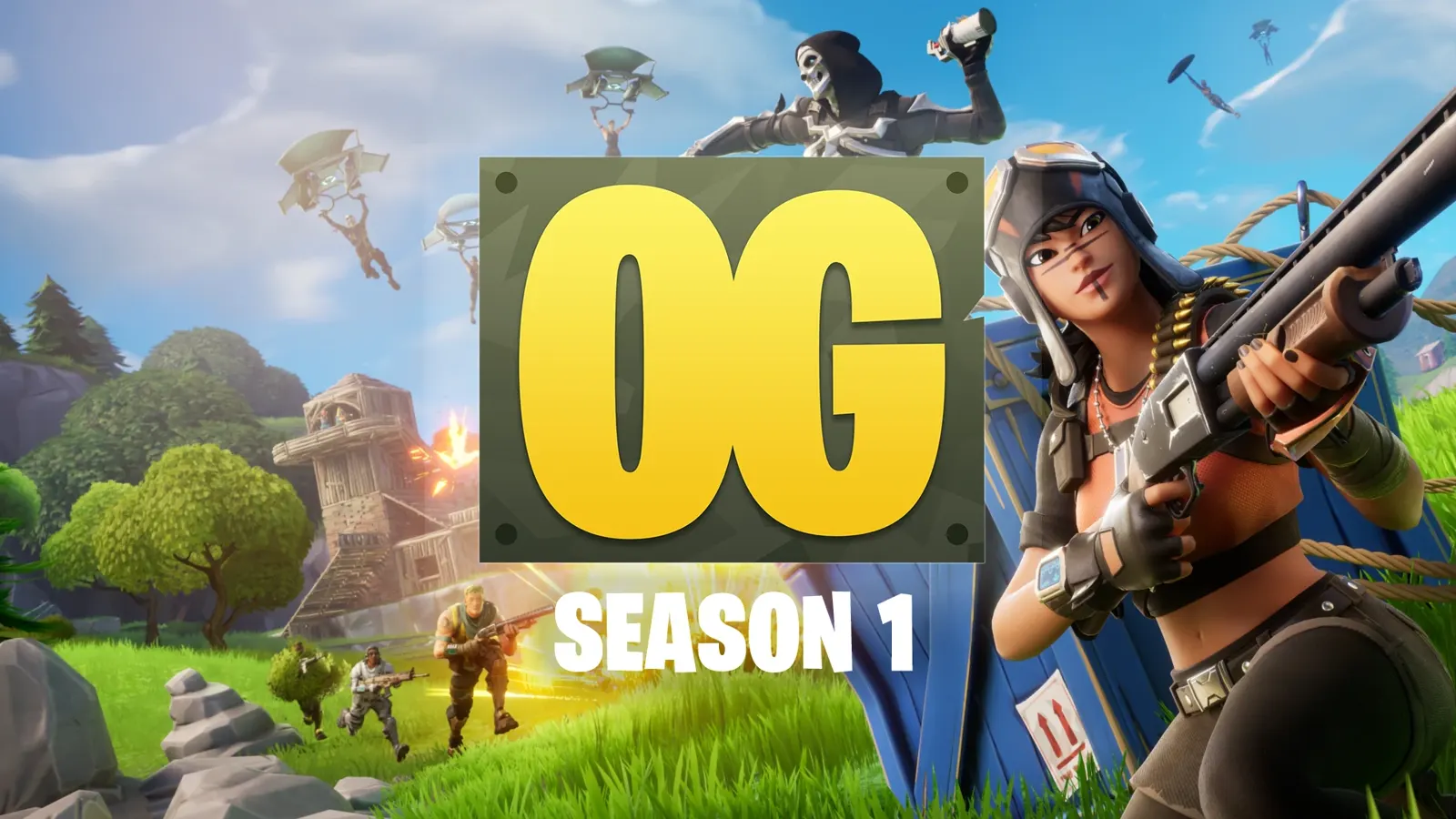
The first time Epic brought the original island back, in November 2023, the game did numbers that made the rest of the industry stop and stare — 44.7 million players in a single day and over 100 million hours played on November 4 alone. Then the month ended, the map went away, and everyone went back to whatever chapter was current while quietly wishing they hadn't.
Epic clearly noticed. On December 6, 2024, Fortnite OG came back as a permanent mode with its own playlist, its own progression, and a plan: replay Chapter 1's seasons in order, one at a time, with the map and loot pool from each era. It is not a limited-time event anymore. It's a second Fortnite living next to the main one, and if you've never touched it because you assumed it was a weekend gimmick, you're skipping one of the best-feeling versions of this game.
Here's what OG actually is, how it differs from the battle royale you already play, and how to stop dying at Tilted.
What Fortnite OG actually is
Fortnite OG is a separate 100-player battle royale playlist that runs the original Chapter 1 island with the loot pool of whichever Chapter 1 season it's currently reliving. It sits in the mode picker alongside the main battle royale, Zero Build, Reload, Ballistic, and the rest — if you're fuzzy on the full lineup, our Fortnite modes overview breaks down which playlist does what.
The important structural facts:
- It's permanent. No countdown timer, no "play it before it's gone."
- It has its own seasons. OG works through Chapter 1 Season 1, then Season 2, then Season 3, and so on, each with that season's map state and weapons.
- It has Build and Zero Build variants. Both exist, with the same rules as their main-mode counterparts.
- It has its own ranked ladder. OG Ranked tracks separately from battle royale ranked and Zero Build ranked, so your OG rank is its own climb.
- It has its own pass. The OG Pass is a separate cosmetic track from the main Battle Pass.
In other words, it's not a novelty playlist bolted onto the side. It's a full parallel game with its own progression, and it's where a lot of players who bounced off modern Fortnite ended up living.
The Chapter 1 map is the whole point
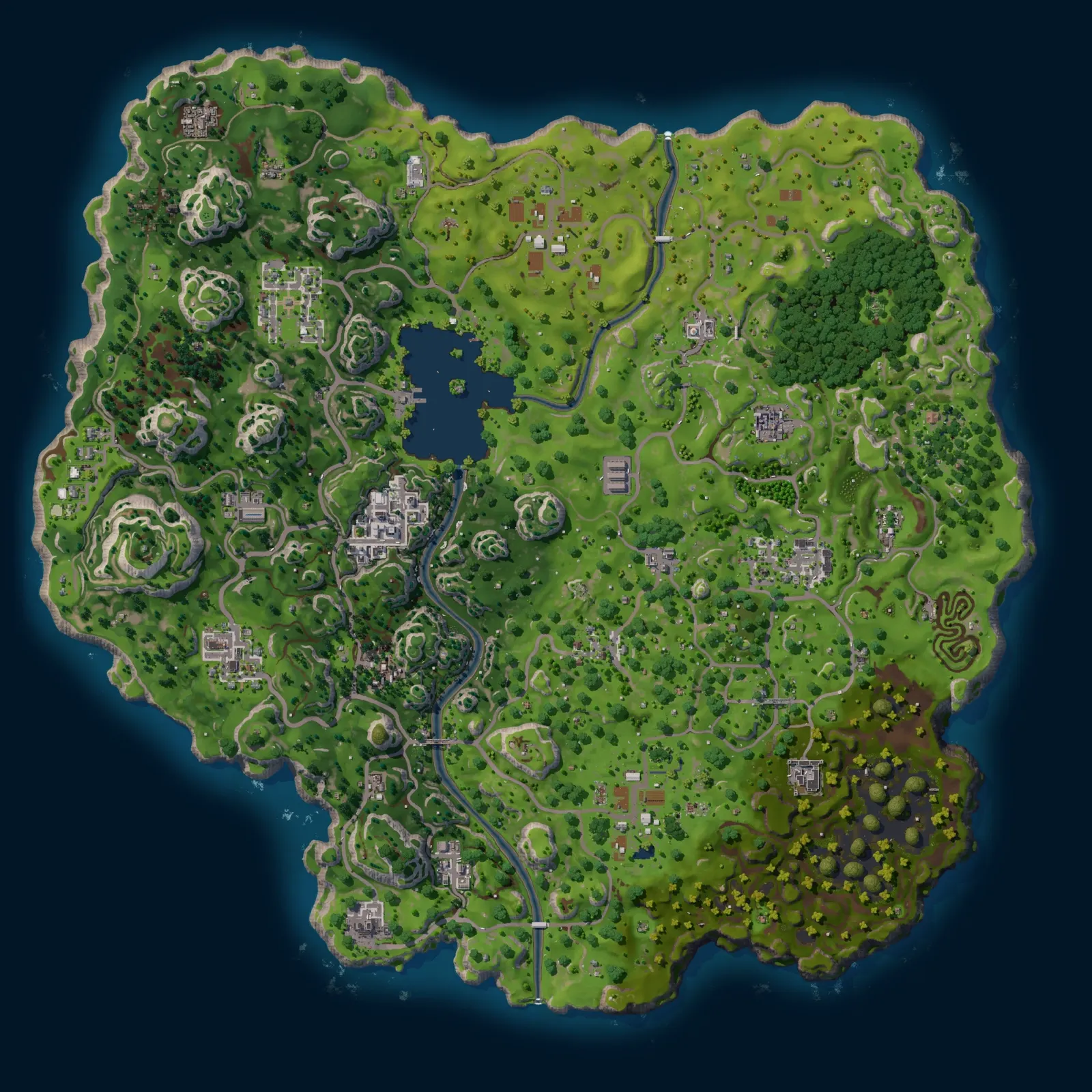
The Chapter 1 island is smaller and denser than every map that followed, and that single fact changes how every match plays. Pleasant Park, Retail Row, Salty Springs, Greasy Grove, Loot Lake, Dusty Depot, Wailing Woods, Moisty Mire, Shifty Shafts, Lonely Lodge, and eventually Tilted Towers — you can walk between half of these. Rotations that would take a full sprint and a vehicle on a modern map are a jog with a couple of ramps.
The map also evolves as OG progresses through the seasons, exactly like it did the first time. Tilted Towers arrives in Season 2. The meteor cracks Dusty Depot open into Dusty Divot in Season 4. Season 7 buries the southwest corner in snow. Playing OG in order means watching the island change month over month instead of getting one static map for a whole chapter, and it's genuinely the best part of the mode.
Practically, a small map means three things: hot drops are hotter, third parties are constant (our third-party guide applies double here), and you almost never get a quiet mid-game. If you like the loot-in-peace-for-ten-minutes rhythm of modern Fortnite, OG will feel aggressive. That's the appeal.
What carried over from modern Fortnite
This is the thing people get wrong most often: OG is not a 2017 emulator. Epic kept the modern quality-of-life layer and only rolled back the content. That means you still get:
- Sprinting, sliding, mantling, and door bashing. All the Chapter 3/4-era movement tech is intact.
- Healing while moving. No more standing still like a statue with a med kit.
- Modern building and editing. Turbo build, modern edit behavior, the same building fundamentals you already drill.
- The modern HUD and inventory. No 2017 UI archaeology.
And one difference that matters more than any of those: the material cap in OG is 999 per material, not the 500 the main battle royale uses. That's a big deal. Nearly double the mats means longer build fights, taller endgame towers, and much more forgiving farming — but it also means the opponent boxing you in has 999 wood to spend on doing it. Everything in our mats management guide still applies; you just have more headroom before you're the one getting cracked open at 40 wood.
The OG loot pool and double pump
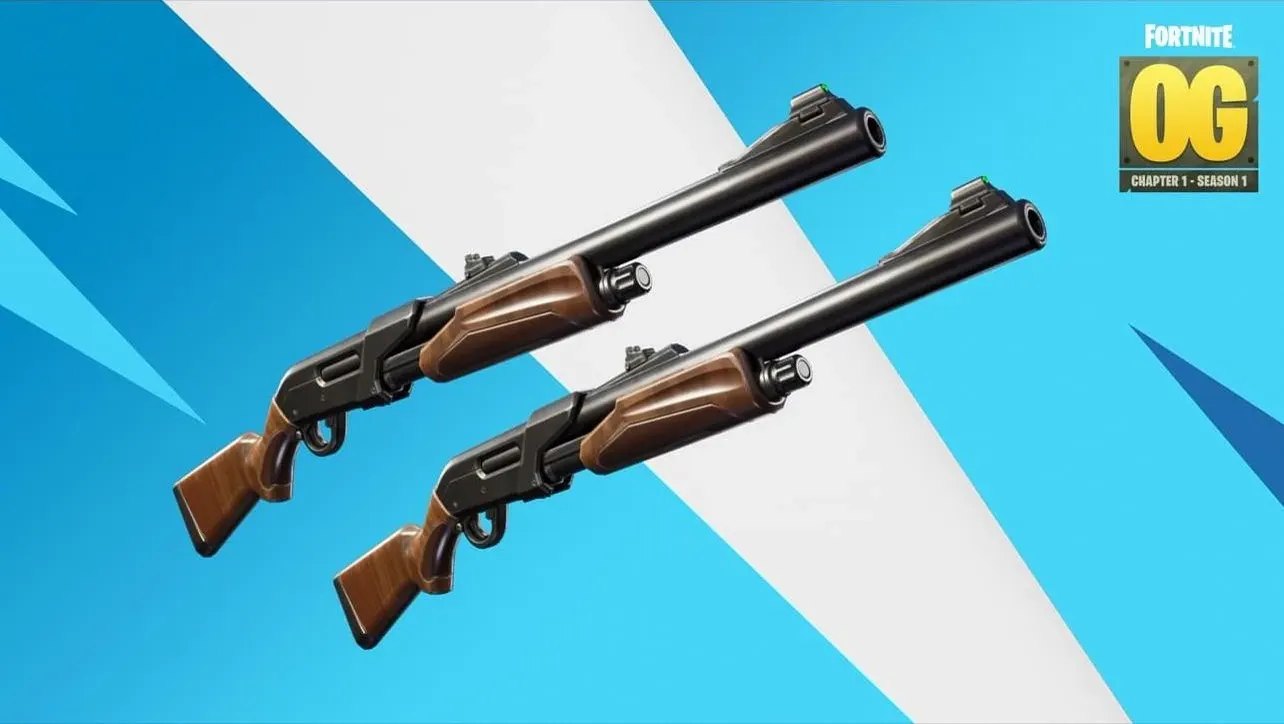
The loot pool is where OG earns its name. Each OG season restores that era's weapons: the Pump Shotgun and Tactical Shotgun as the primary close-range options, the SCAR as the ceiling of assault rifles, bolt-action and hunting rifles, the Suppressed Pistol, plus the era-appropriate utility items — Boogie Bombs, Impulse Grenades, Port-a-Forts, the Bush.
Two things to internalize:
The pump is king. Chapter 1 shotgun combat is about one enormous hit, not sustained damage. A clean pump shot ends fights that modern shotguns would drag out. That makes shot discipline — peeking, landing the first shot, not spraying — much more valuable than in the main mode, and it makes the habits in our shotgun guide close to mandatory.
Double pump came back with it. Carrying two pumps and swapping between them to skip the reload animation — the exploit-turned-tradition that defined 2018 build fights — was turned back on when OG went permanent, which tells you everything about the mode's design philosophy. Epic has adjusted shotgun behavior across OG seasons, so check the current season's patch notes rather than assuming, but the mode's default posture is "leave the old jank in."
The other loot-pool consequence: mobility is thinner than modern Fortnite. You don't have a garage of cars, grapples, and dash items in most Chapter 1 seasons. Rotating means walking, so start moving earlier than your instincts tell you — our rotation guide is the base logic, just apply it with a lower speed budget.
How OG seasons rotate
Fortnite OG launched by replaying Chapter 1 Season 1 and has been marching forward through the original season list since. Early on the cadence was roughly monthly; it later stretched to a longer, closer-to-bimonthly rhythm so each season gets more room to breathe.
What that means for you as a player:
- The map and loot change on a schedule. When a new OG season starts, expect that era's POIs, weapons, and items — not a random shuffle.
- You can plan around a season you care about. If your nostalgia peak is the Season 4 meteor or the Season 7 snow, it will come around, and Epic telegraphs it.
- Meta knowledge has a shelf life. The strongest drop spot in one OG season may not exist in the next one. Don't over-invest in a single landing routine.
The OG Pass and progression
Each OG season ships an OG Pass: a separate cosmetic reward track priced at 800 V-Bucks. A few things worth knowing before you buy one:
- It's not the Battle Pass. Buying one doesn't get you the other, and the OG Pass does not refund V-Bucks the way the main Battle Pass does. Budget accordingly — see our V-Bucks and Item Shop guide if you're trying to spend efficiently.
- The cosmetics usually aren't gone forever. OG Pass items have historically shown up in the Item Shop after their season ends, so "buy now or never" pressure is mostly imaginary.
- XP is shared with your account level. Playing OG still progresses your overall level, so it isn't a detour from your main XP and leveling grind.
On the competitive side, OG Ranked is its own ladder with its own placement and its own climb. If you're an Unreal-chasing player in the main mode, you start from scratch in OG — which is either a fresh challenge or an annoyance, depending on your temperament. The ranked mechanics themselves work the same way as the main mode; our ranked guide covers the scoring logic.
How to actually win OG games
The Chapter 1 island rewards a different game plan than modern Fortnite. What actually works:
- Pick a drop with rotation options, not just loot. Density is high everywhere, so the deciding factor is whether you can leave without crossing 400 meters of open field. The thinking in our landing spots guide transfers directly.
- Farm to the cap, seriously. 999 is only useful if you actually get there. Chapter 1 endgames are build-heavy, and the player who runs dry first loses.
- Respect the pump. Hold angles where you get the first shot. Don't peek into an unknown box at close range with 100 HP and no shield — one pump can take most of it.
- Rotate early, not efficiently. Without modern mobility, "I'll take the last circle" is how you die on the wrong side of a storm wall.
- Expect the third party. On a map this compact, every fight is audible to two other squads. Finish fast, reset, and reposition — never loot a body in the open.
- Take height and keep it. The 999 cap makes vertical fights longer, so the player who establishes high ground and has mats to defend it usually closes the game out.
If you play Zero Build OG, drop the building line and everything else holds — the Zero Build guide covers the cover-and-rotation game that replaces it.
Should you play OG or the main mode
Play OG if you want a faster, denser, more fight-heavy match, a smaller map you can learn completely, and a build meta with room to breathe at 999 mats. Play the main battle royale if you want the current loot pool, the mobility toys, the collabs, and the highest-population lobbies.
The honest answer for most people is both, because they train different things. OG sharpens shotgun discipline and sustained build fights; the main mode sharpens loadout decisions and mobility usage. The one real caution: OG lobbies contain a lot of players who have been drilling the Chapter 1 map since 2017 and never stopped. Nostalgia does not come with a skill handicap.
Quick Action Checklist
- Find Fortnite OG in the mode picker — Build and Zero Build variants both exist
- Remember the 999 material cap, not 500 — farm higher than your modern habits
- Expect modern movement (sprint, slide, mantle) on the old map
- Learn the pump shotgun timing; first shot decides most close fights
- Check each new OG season's map changes and loot pool before committing to a drop
- Treat OG Ranked as a separate ladder from your main-mode rank
- Weigh the OG Pass (800 V-Bucks) knowing it returns no V-Bucks and its items usually hit the shop later
- Rotate early — Chapter 1 mobility is thin compared to modern Fortnite
Frequently Asked Questions
Is Fortnite OG a permanent mode?
What map does Fortnite OG use?
Does Fortnite OG have sprinting and mantling?
What is the material cap in Fortnite OG?
Is double pump in Fortnite OG?
How much does the OG Pass cost and is it worth it?
Does Fortnite OG have its own ranked mode?
Should I play Fortnite OG or the main battle royale?
Keep Reading
Related Guides
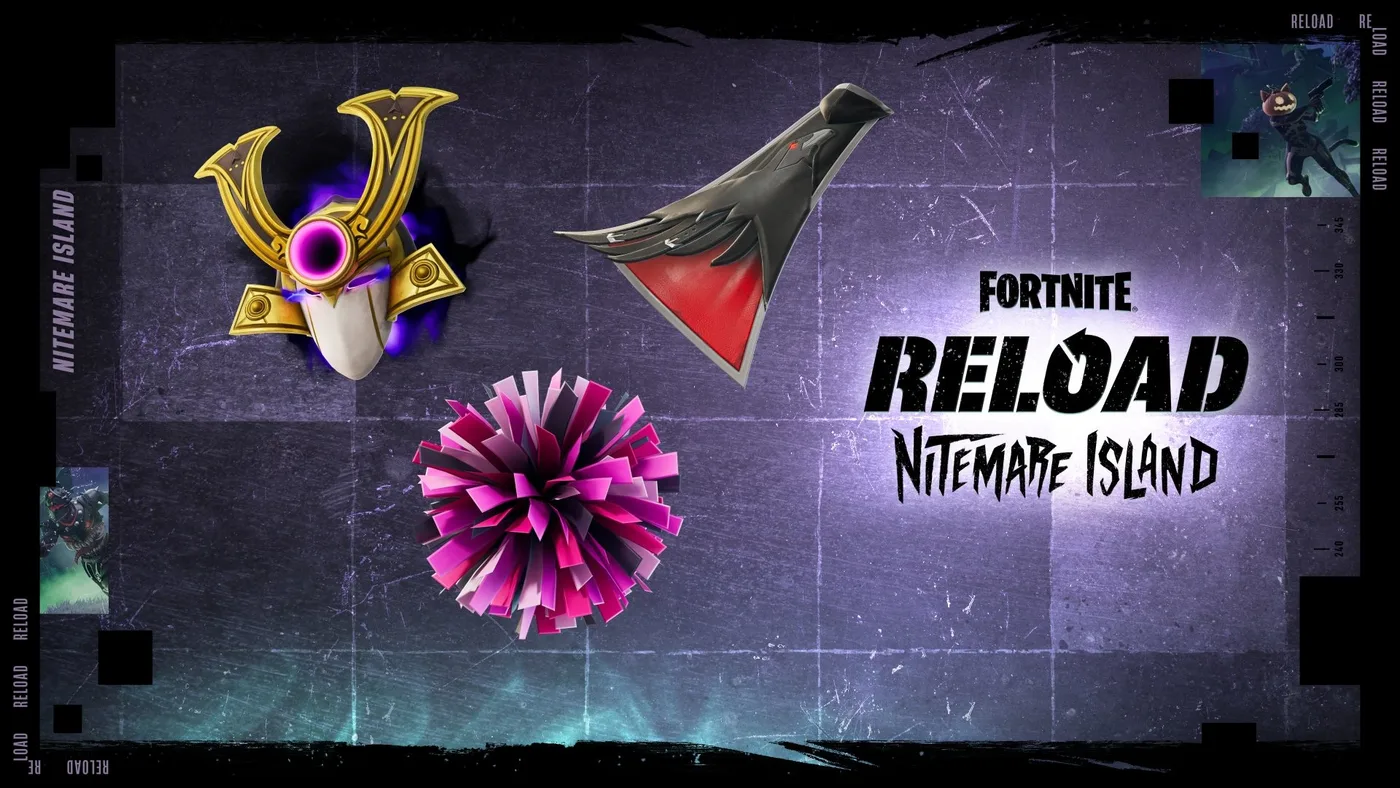
Fortnite Reload Nitemare Island: Map, Loot and Rewards
Nitemare Island came back to Reload on October 8 with something the 2025 version never had: a match modifier that hands you a rival and pays out a Kado Thorne Exotic when you drop them. Here is the map, the three-map rotation it sits in, the loot you can only find there, and what the new Ranked and Map Mastery tracks pay.
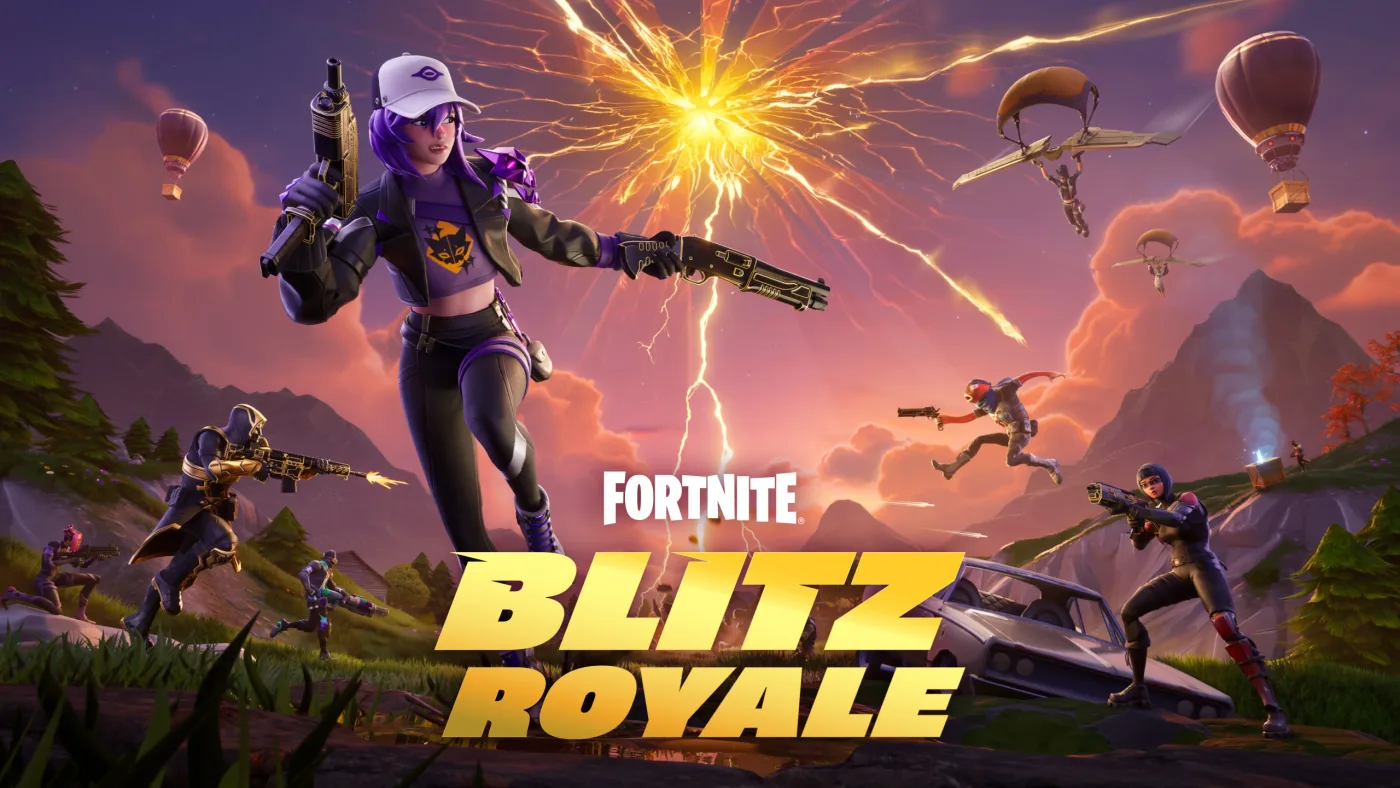
Fortnite Blitz Royale Guide: How the 5-Minute Mode Works
Blitz Royale was meant to close on July 15, 2025. Fifteen months later it has its own dev team, a $1,000,000 mobile tournament and a victory emote you can only earn inside it. Here is how a match actually runs: the kit everyone lands with, what Blitz Levels pay out, where the gold loot is, how fast the storm kills, and what Epic has and has not changed this season.

Fortnite Kingdom Hearts Skins: Price, Keyblade and More
Our Chapter 7 Season 4 weapons post named the Kingdom Key and Rebecca's Guns as arrivals Epic had announced but not shipped — 'neither is in the pool yet,' it said, three weeks ago. Update v42.20 shipped both, plus a four-skin Kingdom Hearts bundle tied for the most expensive in the game's history, four new Sprites, and six new Match Overrides. Here's what actually landed, what it costs, and what Epic still hasn't published.
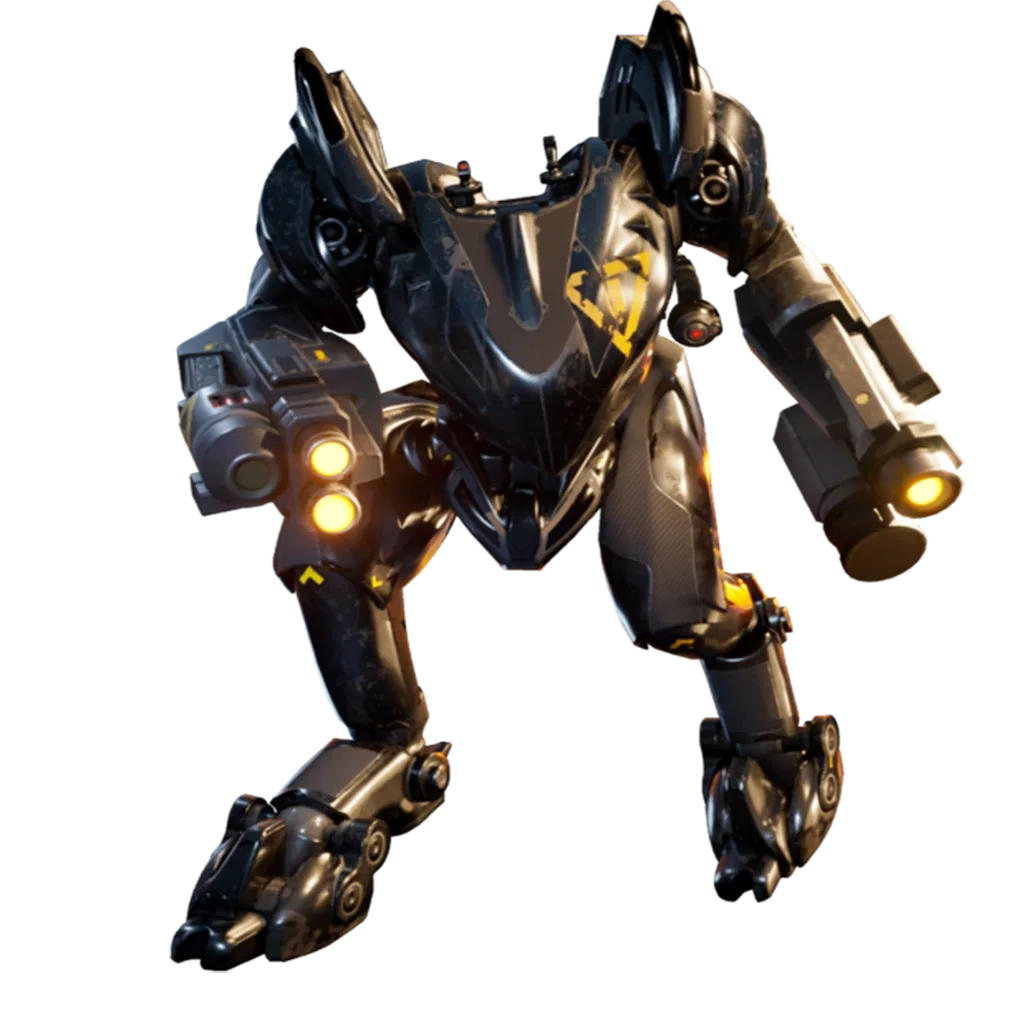
Fortnite OG Season X: The BRUTE and Rift Zones Return
Our OG mode guide explains how the permanent playlist works in general. It doesn't tell you what's live right now, because that changes every season — and on September 3, the tenth one brought back a two-person mech, a fully automatic sniper, and three Rift Zones with rules of their own.
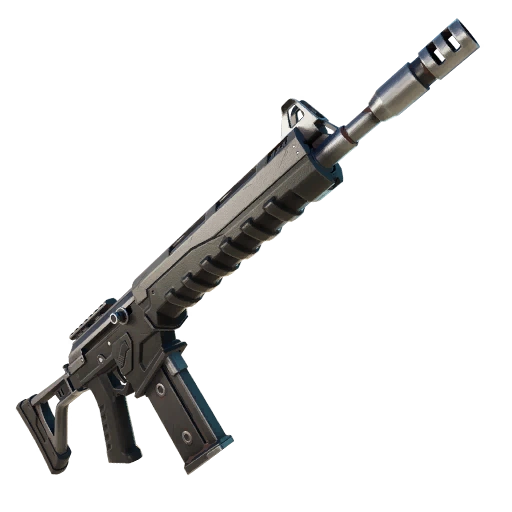
Fortnite Weapon Tier List: How to Rank Any Loot Pool
Any Fortnite tier list is stale the second a patch drops. So instead of memorizing this season's gun names, learn how to rank weapons by class and role — the framework that's S-tier in every season.
Best Fortnite Settings for PC & Console
Half your settings menu is noise; a handful of options decide whether you can see, aim, and build. Here's what to change on PC and console, why, and the one number nobody else can pick for you.