Breath of the Wild Dye Guide: All 15 Colors, Mapped
Sayge at the Kochi Dye Shop will turn any five matching-color materials into a dye for 20 rupees flat, and dyes your whole outfit at once whether you like it or not. Here is what makes all 15 colors, and the dozen pieces of armor that never take the dye.
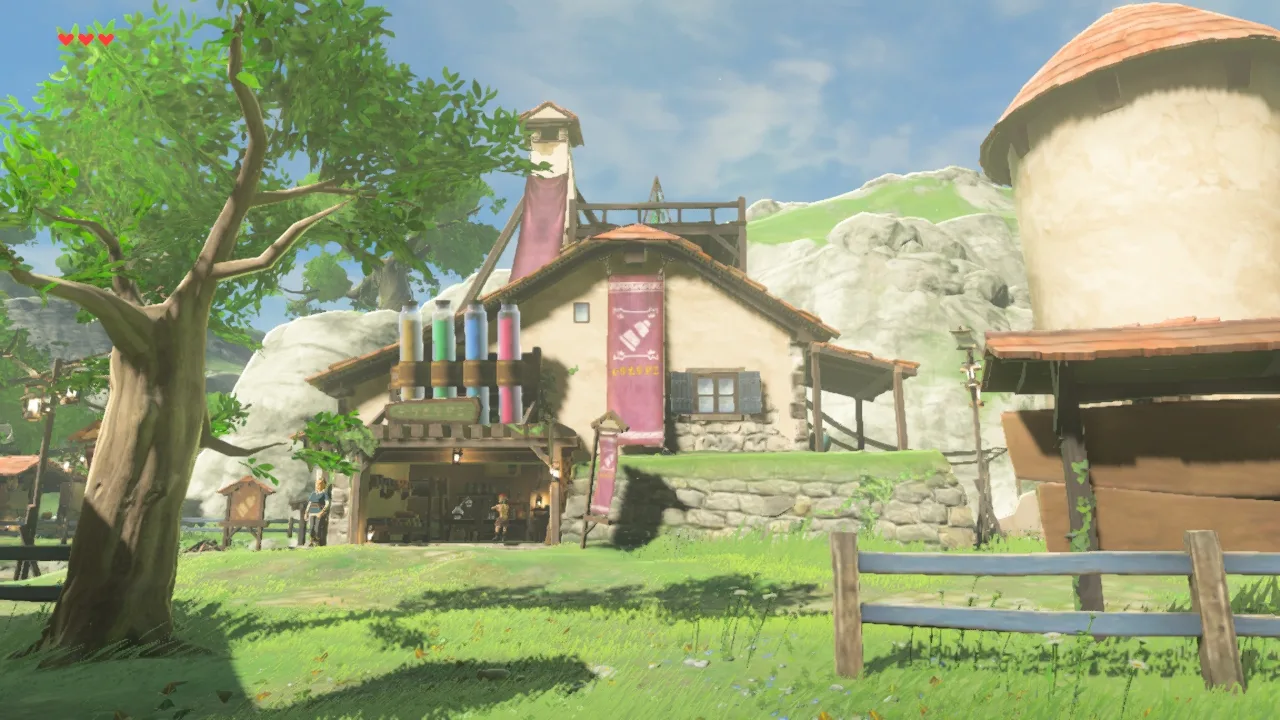
Every color of dye in Breath of the Wild costs the same 20 rupees, whether you are making it out of five Flints you picked up for free or five Diamonds you have been hoarding since the Great Plateau. Zelda Wiki's own entry for the Kochi Dye Shop is explicit about the mechanic behind that flat rate: Sayge asks for a color, then five materials that match it, and the price is 20 rupees regardless of what those five materials actually are. Fifteen different colors exist, each with its own completely separate ingredient list — some built from things you are already swimming in, one built from only two materials in the entire game.
This is the full register: every color, every material that makes it, which pieces of armor refuse to take the dye at all, and the one habit that saves you from spending something you actually needed on a hat.
The whole outfit dyes at once, for one flat price
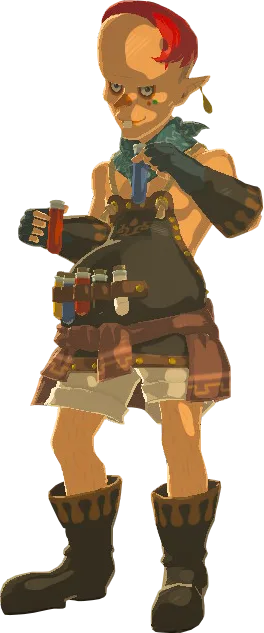
Hateno Village's dye tradition is older than the shop itself, and Sayge explains the rule to you the first time you sit in his basin: your entire outfit gets dyed at once, head to toe, in a single pass. There is no dyeing just the helmet a different shade from the tunic — whatever you are wearing when you sit down comes out the other side as one matching color.
The shop itself sits in Hateno Village, and per Zelda Wiki it is the only shop of its kind anywhere in Hyrule — there is no second dye vendor to shop around against. Sayge runs it, his wife Senna greets you outside, and the process is always the same:
- Pick a dye color from the wheel.
- Hand over five materials that match that color.
- Pay 20 rupees.
- Get dropped into the basin, and climb out wearing your whole outfit in the new shade.
Sayge will also warn you before you start if you are wearing something that cannot be dyed at all — more on which pieces those are further down — and he is happy to redo the job immediately if you do not like the result. Nothing about the process is a one-shot gamble; the only real cost is the five materials.
All 15 dye colors and what makes them
There are exactly 15 dye colors in the base game, and every one of them is locked to its own list of qualifying materials. You are not choosing a color and then picking any five items — the game checks that each material you hand over is actually tagged for that color, so the list below is the complete menu for each one.
| Dye color | Materials that qualify |
|---|---|
| Blue | Chillshroom, Blue Nightshade, Winterwing Butterfly, Cold Darner, Hearty Lizard, Sapphire, Icy Lizalfos Tail, Ice Keese Wing |
| Red | Apple, Spicy Pepper, Hylian Shroom, Sunshroom, Summerwing Butterfly, Warm Darner, Ruby, Red Lizalfos Tail, Red Chuchu Jelly, Fire Keese Wing |
| Yellow | Mighty Bananas, Zapshroom, Bird Egg, Thunderwing Butterfly, Electric Darner, Energetic Rhino Beetle, Topaz, Yellow Lizalfos Tail, Yellow Chuchu Jelly, Electric Keese Wing, Octorok Eyeball, Hinox Guts |
| White | Silent Princess, Hylian Rice, Fresh Milk, Star Fragment, Diamond, Lynel Horn, White Chuchu Jelly |
| Black | Big Hearty Truffle, Hearty Truffle, Flint, Lynel Hoof |
| Purple | Rushroom, Swift Violet, Armoranth, Monster Extract, Sunset Firefly, Bokoblin Guts, Octo Balloon |
| Green | Hydromelon, Fleet-Lotus Seeds, Stamella Shroom, Hyrule Herb, Cane Sugar, Restless Cricket, Rugged Rhino Beetle, Hot-Footed Frog, Lizalfos Tail, Molduga Guts |
| Light Blue | Silent Shroom, Cool Safflina, Naydra's Scale, Naydra's Claw, Shard of Naydra's Fang, Shard of Naydra's Horn, Moblin Guts, Chuchu Jelly, Octorok Tentacle |
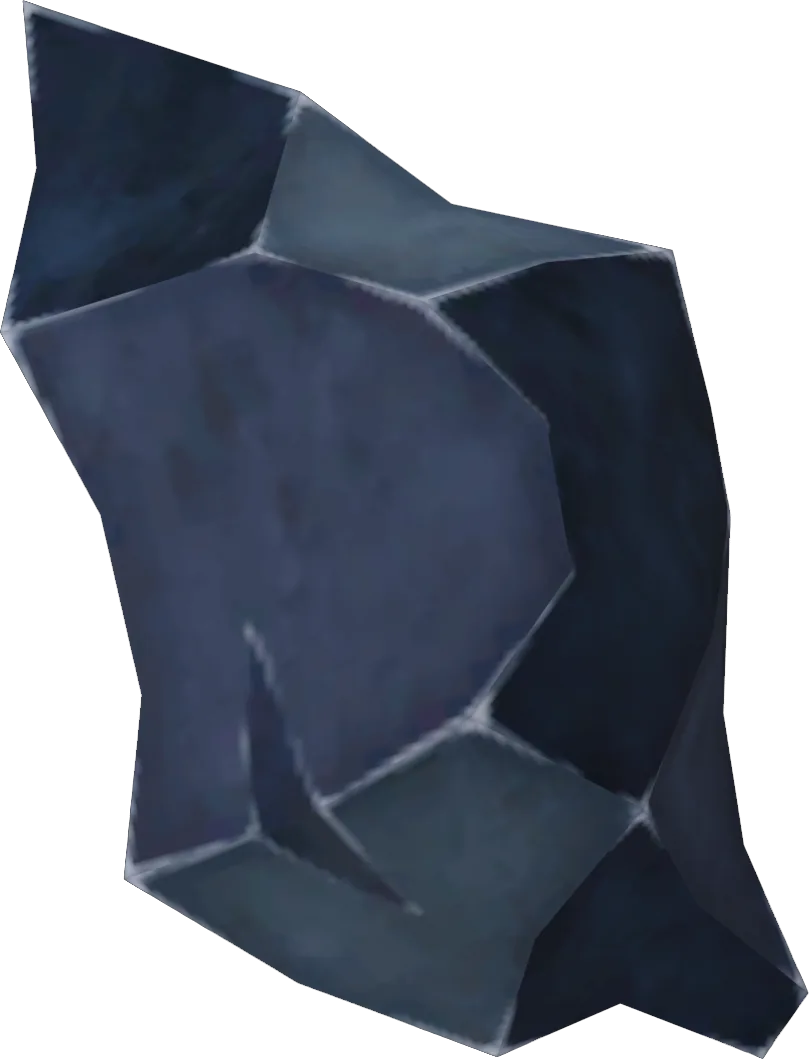
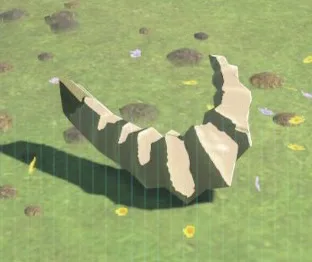
| Navy | Bladed Rhino Beetle, Luminous Stone |
| Orange | Voltfruit, Endura Shroom, Swift Carrot, Fortified Pumpkin, Warm Safflina, Mighty Thistle, Courser Bee Honey, Amber, Keese Eyeball |
| Peach | Wildberry, Big Hearty Radish, Hearty Radish, Rock Salt |
| Crimson | Razorshroom, Chickaloo Tree Nut, Goron Spice, Dinraal's Scale, Dinraal's Claw, Shard of Dinraal's Fang, Shard of Dinraal's Horn, Tireless Frog, Lynel Guts |
| Light Yellow | Hearty Durian, Palm Fruit, Endura Carrot, Electric Safflina, Tabantha Wheat, Goat Butter, Farosh's Scale, Farosh's Claw, Shard of Farosh's Fang, Shard of Farosh's Horn, Opal, Bokoblin Fang |
| Brown | Ironshroom, Acorn, Hightail Lizard, Molduga Fin, Hinox Toenail, Hinox Tooth |
| Gray | Smotherwing Butterfly, Fireproof Lizard, Bokoblin Horn, Moblin Horn, Moblin Fang, Lizalfos Horn, Lizalfos Talon, Keese Wing, Ancient Screw, Ancient Spring, Ancient Gear, Ancient Shaft, Ancient Core, Giant Ancient Core |
A few things about that table are worth pulling out on their own, because they are the parts that actually change what you do with it.
The three dragons hand you three of these colors directly, and this is one place the site already has it right: our dragon farming guide notes that Farosh parts make Light Yellow, a Shard of Dinraal's Horn makes Crimson, and Naydra's Scale makes Light Blue — and the full table above confirms all three, plus the fact that each dragon's claw and fang shard qualify for the same color as its scale and horn. If you are already running the dragon routes for the Barbarian Set's horn shards, you are one Tabantha Great Bridge stop away from also owning a Crimson dye batch.
Monster parts you are already hoarding for the cooking guide's elixir tiers double up here too: Bokoblin Guts (Purple), Bokoblin Fang (Light Yellow), and Bokoblin Horn (Gray) are each locked to one specific color and nothing else, so a single Bokoblin camp can pay out the ingredients for three completely different dyes depending on which part you keep.
Gray is the easy one — fourteen materials work
Count the entries in the table and Gray is the outlier by a wide margin: fourteen different materials qualify for it, more than double the next largest color. Half of that list is monster horns, fangs and talons that pile up in your inventory from routine fighting — Bokoblin Horn, Moblin Horn, Moblin Fang, Lizalfos Horn, Lizalfos Talon, Keese Wing — and the other half is the six Ancient material types the Guardian family drops between them, from the Ancient Screws every Decayed Guardian carries up to the Giant Ancient Cores only a Stalker, Turret, or Skywatcher can drop. Our Guardian guide has the full drop-rate table for those parts if you want to know which Guardian type to farm for them.
Black is nearly as forgiving in practice even with only four listed materials, because one of them is Flint — a guaranteed drop off every Talus in the game and one of the cheapest, most common materials in Hyrule. Between Gray's long list and Black's throwaway-cheap one, those two are the colors you can make without planning a trip for.
Navy is the hard one — only two materials exist
At the opposite end sits Navy, which has exactly two qualifying materials in the entire game: Bladed Rhino Beetle and Luminous Stone. Every other color on this list has at least four ways to hit your five, which means Navy is the only dye where running short on one ingredient genuinely leaves you with nowhere else to turn.
Luminous Stone is the more reliable half of that pair. Our Hyrule Compendium guide and field bosses guide both note that Luminous Stone Deposits cluster around Zora's Domain in the Lanayru Great Spring and turn up as a guaranteed drop from every Stone Talus (Luminous) — twelve of which exist on the map. Bladed Rhino Beetles, per Zelda Wiki, only spawn on trees in the Necluda region, which makes them the narrower half of the recipe geographically even though Luminous Stone is the rarer material on paper.
The five slots do not have to match each other
One detail Sayge never spells out directly: the five materials you hand over do not need to be five of the same item. They only need to share a color tag. Bring one Ruby and four Apples and that is a perfectly valid Red dye — the game checks the color, not the item name.
That matters most on the expensive-looking colors. White dye's list includes Star Fragment, Diamond, and Lynel Horn, which reads like a color that costs a fortune to make — but it also includes Hylian Rice and Fresh Milk, both common general-store stock. Padding a batch with four Hylian Rice and one whatever-White-item you already happen to be holding gets you the exact same White as five Diamonds, for a fraction of the cost.
The armor Sayge cannot touch at any price
Most Breath of the Wild armor — every elemental set, the Ancient set, the Barbarian set, the Climbing set, even the Wild Set from clearing all 120 shrines — takes a dye without any fuss. A handful of pieces are hard-coded to refuse it, and Zelda Wiki's own item pages state the restriction directly on each one:
- Champion's Tunic — Impa's gift, covered in our memory locations guide, cannot be dyed and cannot be sold either.
- Thunder Helm — Riju's loaner from the Yiga Clan Hideout guide is a borrowed relic Sayge won't touch either; it can't be dyed or enhanced by a Great Fairy.
- Zant's Helmet, Ravio's Hood, and the Phantom Ganon Set — three EX Treasure rewards from The Champions' Ballad's side quests — plus Midna's Helmet, the equivalent reward from the earlier Master Trials DLC, none of which can be dyed or enhanced by a Great Fairy.
Our own amiibo guide already flags a sixth category: the five Hero armor sets (Time, the original Hero, Winds, Twilight, and the Sky) plus the Fierce Deity Set, all exclusive to specific amiibo figures, cannot be dyed either. The pattern across every item on this list is the same — nothing you built, bought, or farmed refuses the dye. Everything that refuses it was handed to you once, by name, as a unique reward.
Do not burn your good materials on a hat color
Because the five slots do not have to match, it is easy to reach for whatever you are holding without checking what else that item is worth. A few materials on the color table above are doing double duty elsewhere in this vertical, and spending them on a recolor is a worse trade than it looks:
- Lynel Horn, Lynel Hoof, and Lynel Guts make White, Black, and Crimson respectively — and all three are also the exact currency the Lynel guide prices out for the Barbarian Set's four-star upgrade. A full set costs 12 Horns, 18 Hooves, and 9 Guts, so burning even one on a dye batch is a real dent if you are actively farming toward that set.
- Dinraal's, Farosh's, and Naydra's Scale, Claw, and horn/fang shards feed Crimson, Light Yellow, and Light Blue — and the horn shards specifically are also the dragon-side half of that same Barbarian Set recipe, one dragon per piece.
- Giant Ancient Core qualifies for Gray — and per the Guardian guide, it is also one of the two materials the Ancient Shield and Ancient Bow require at Cherry's shop, dropping at only 0.5% per kill from a Stalker, Turret, or Skywatcher.
None of that means those materials are off-limits for dyeing — Gray has thirteen other options that are not a Guardian's rarest drop, and White has six other options that are not Lynel gear. The point is just to check the rest of this vertical before you feed something rare into a basin for a color you could have gotten from a Hylian Shroom instead.
Quick Action Checklist
- Remember the whole outfit dyes at once — there is no dyeing one slot a different color from the rest.
- Every color costs the same flat 20 rupees, so price is never the reason to pick one color over another.
- Pad an expensive-looking recipe with its cheapest qualifying material — the five slots only need to match the color, not each other.
- Farm Gray from routine Guardian and monster-part drops; it has fourteen qualifying materials, the most of any color.
- Treat Navy as the scarce one. Only Bladed Rhino Beetle and Luminous Stone qualify, and Luminous Stone Deposits near Zora's Domain are the more reliable source.
- Do not spend Lynel Horn, Lynel Hoof, Lynel Guts, dragon parts, or a Giant Ancient Core on a dye batch if you are still working toward the Barbarian Set or an Ancient Shield/Bow — all of it has a second use with steeper stakes.
- Check with Sayge before committing to a trip: Champion's Tunic, Thunder Helm, Zant's Helmet, Midna's Helmet, Ravio's Hood, the Phantom Ganon Set, and every amiibo-exclusive Hero or Fierce Deity set cannot be dyed at any price.
Frequently Asked Questions
How many dye colors are there in Breath of the Wild?
How much does it cost to dye armor in Breath of the Wild?
Can you dye just one piece of armor in Breath of the Wild?
What is the cheapest dye color to make in Breath of the Wild?
What is the hardest dye color to make in Breath of the Wild?
Which armor cannot be dyed in Breath of the Wild?
Where is the Kochi Dye Shop in Breath of the Wild?
Keep Reading
Related Guides
Breath of the Wild Hateno House: Every Upgrade and Cost
Buying Link's house in Hateno Village is only the first half of Hylian Homeowner. Bolson then sells 14 additions at 100 rupees each, and nine of them do something. Here is the full 4,400-rupee bill, the conversation that unlocks the renovation menu, and what is worth hanging on the walls.
Breath of the Wild Great Fairy Fountain Locations and Costs
In Breath of the Wild the 10,000-rupee Great Fairy is not Tera. It is whichever fountain you open fourth. Here is where Cotera, Kaysa, Mija and Tera are, what each fairy you revive unlocks, and what every upgrade tier costs in materials once the rupees are paid.
Breath of the Wild Best Armor Guide: Sets That Actually Matter
Defense in Breath of the Wild is not a bar that fills up — it is a subtraction problem, and understanding the math tells you exactly which armor sets are worth farming and which are cosmetic traps.
Breath of the Wild Dragon Farming: Farosh, Dinraal, and Naydra Routes, Times, and Parts
At 4:00 AM, Dinraal flies underneath the Tabantha Great Bridge. Not over it — under it. The three dragons of Hyrule run on schedules, never fight back, and drop the most valuable materials in the game if you know which body part to hit.
Breath of the Wild Beginner's Guide: Your First 10 Hours
Breath of the Wild does not tell you that armor matters more than hearts, that your weapons are ammunition, or that the Blood Moon is a restock button. Here is the stuff the game leaves you to discover the hard way.
Breath of the Wild Best Shields: All 33, Stats and Locations
The Ancient Shield and the Royal Guard's Shield both block at 70 guard, but surf them down a rocky slope and the Royal Guard's loses durability fifteen times as fast. Here are all 33 shields with guard, durability, material and source, plus the surfing friction, surfing wear and Guardian-beam values from the game's data.